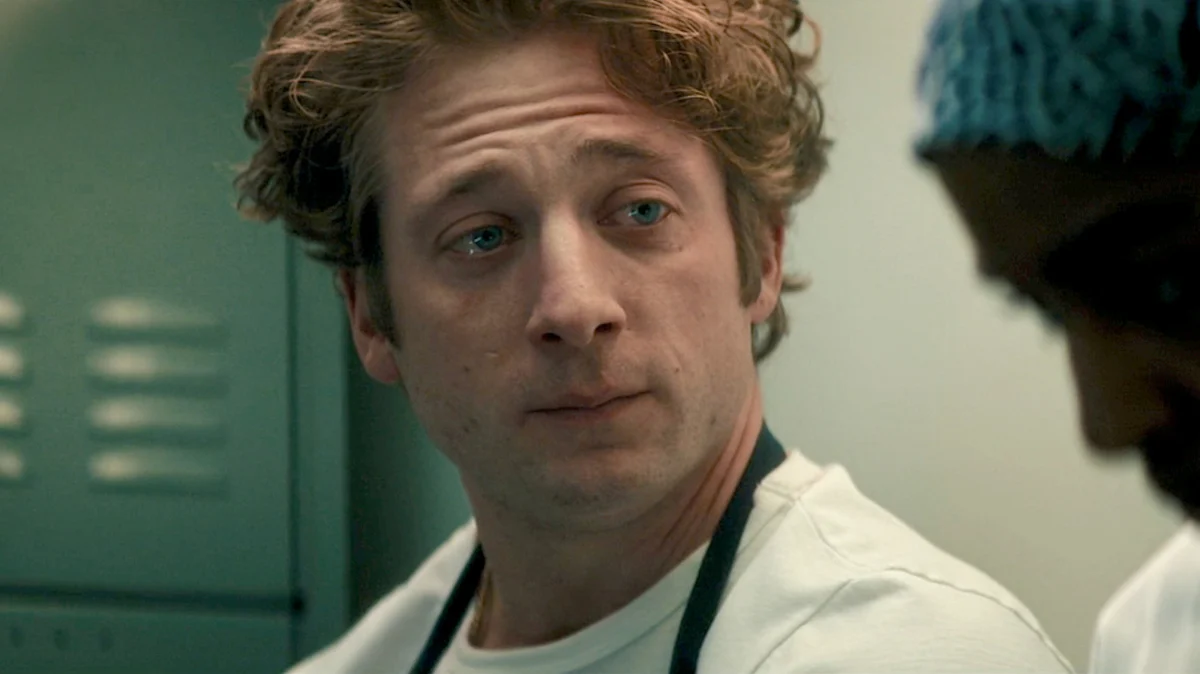
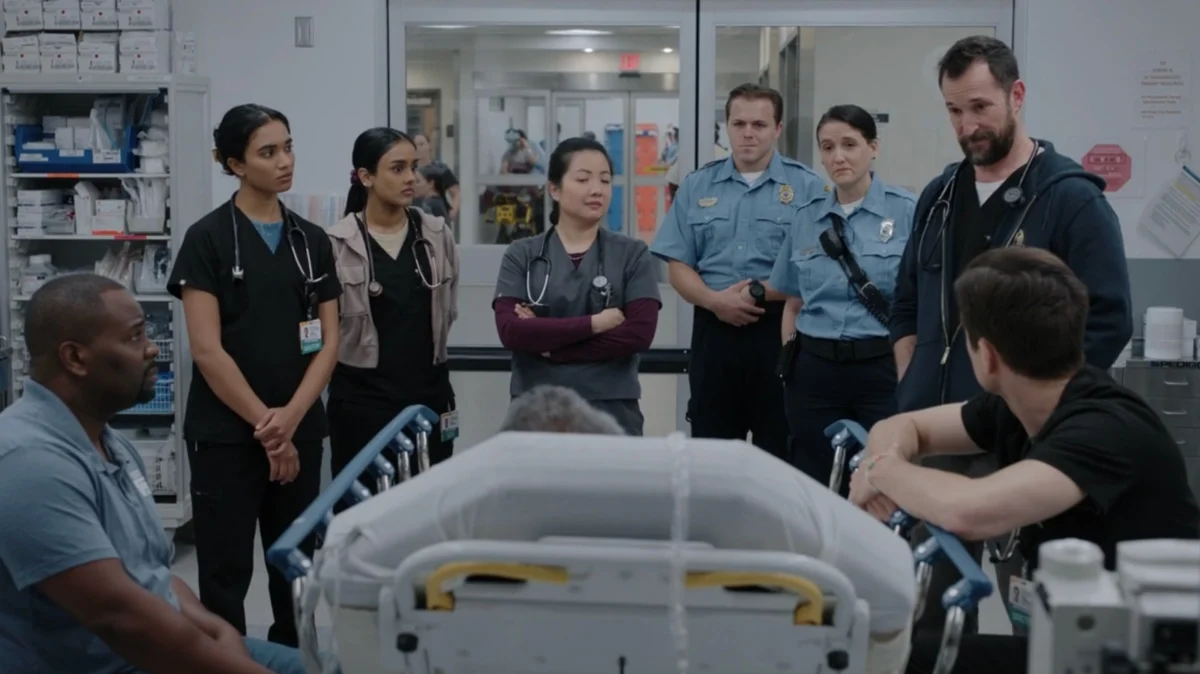
HBO’s The Pitt has rapidly established itself as a titan of the modern medical drama, eschewing the soap-operatic gloss of its predecessors in favor of a raw, unflinching, and often harrowing depiction of emergency medicine. Underpinned by the veteran experience of Noah Wyle and a creative team committed to hyper-realism, the series has garnered praise from actual medical professionals for its authentic portrayal of the physical and psychological toll of hospital life.
With its relentless pacing—covering two entire seasons within the span of only two primary shifts—The Pitt forces its audience to witness the thin line between life and death. The show’s brilliance lies in its refusal to sanitize the gore or the moral ambiguity of its cases. Below, we dissect the five most disturbing cases from the show’s first two seasons, exploring the clinical, social, and emotional gravity that makes them so unforgettable.
1. The Anatomy of Hate: Minu Agrawal’s Degloving Injury
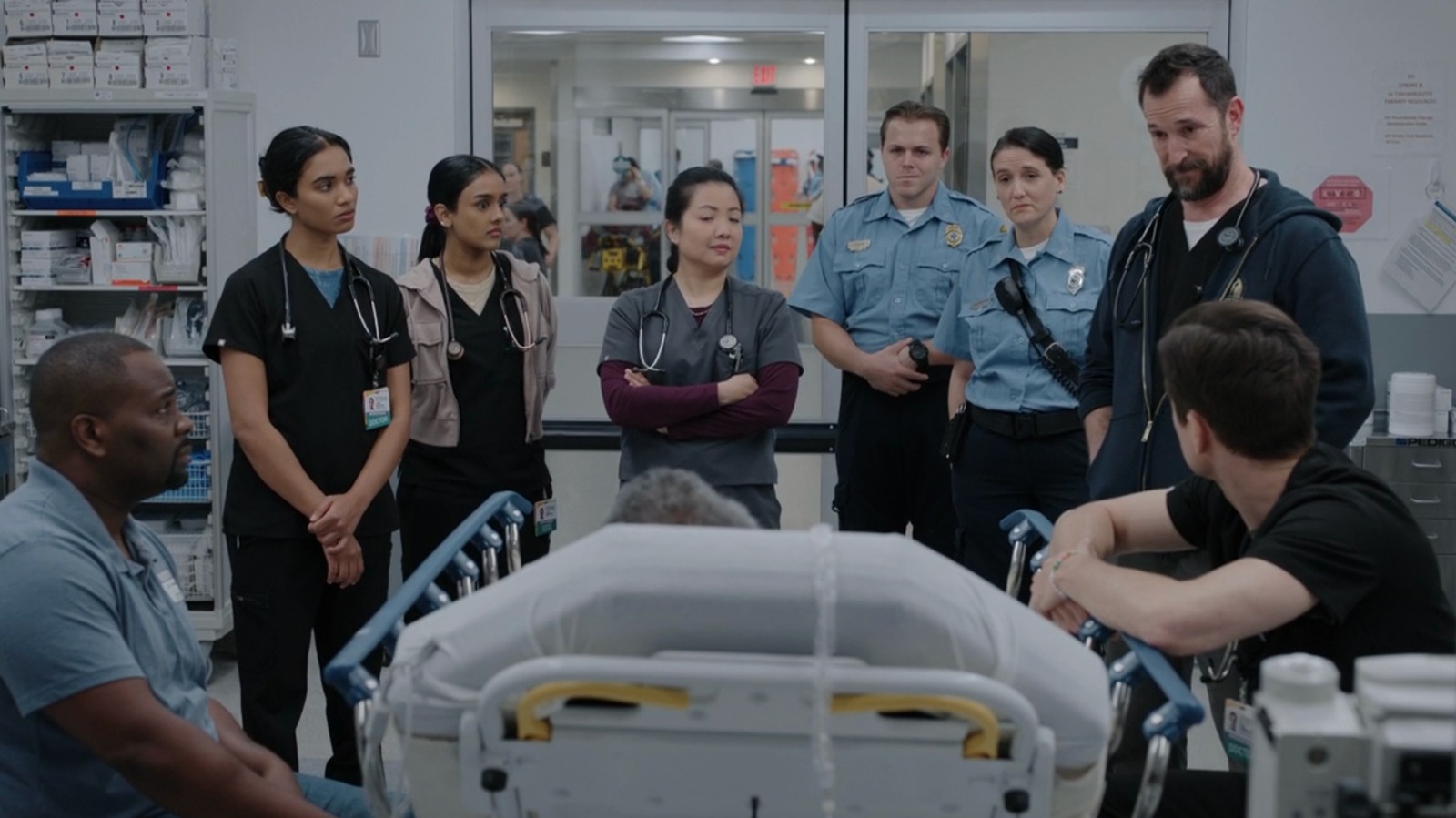
The series premiere serves as a brutal mission statement, introducing viewers to the sheer visceral horror of trauma medicine. Patient Minu Agrawal arrives at the emergency department with a catastrophic degloving injury to her foot after falling onto subway tracks. The scene is clinically detailed, utilizing high-level special effects that force the audience to confront the fragility of the human body.
The Social Implications
Beyond the clinical severity, the case is a haunting commentary on modern societal fractures. As the medical team works to stabilize Minu, a language barrier initially complicates her care. It is eventually revealed that her fall was not an accident, but the result of a targeted hate crime.
This fictional narrative mirrors real-world tragedies, such as the 2012 death of Sunando Sen in New York City, who was pushed into the path of an oncoming train in an act of xenophobic violence. By weaving these headlines into the fabric of the show, The Pitt elevates the genre from simple procedural drama to a sobering social critique, illustrating how the ER serves as the final, often tragic, destination for the victims of cultural intolerance.
2. Myiasis and the Invisible Patient: The Case of John Digby
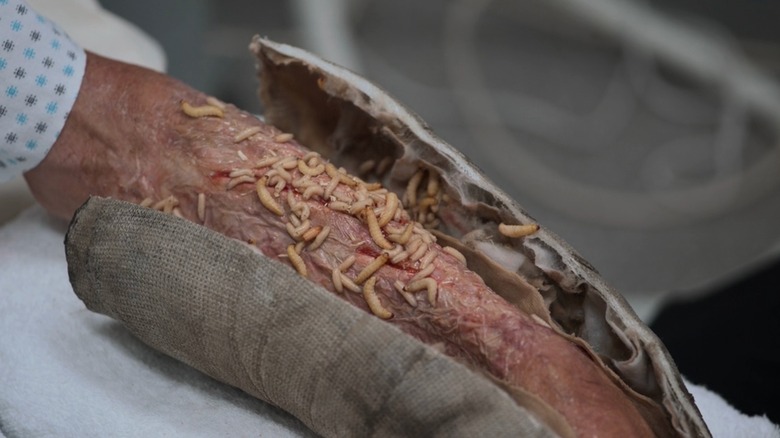
In the Season 2 premiere, the medical staff encounters a case that tests both their clinical resolve and their professional composure. John Digby, an unhoused patient, presents with a foul odor and an arm encased in a makeshift, hardened cast. Upon removal of the plaster, the medical team—and the audience—are confronted with the sight of maggots actively colonizing the tissue of his arm.
Clinical Realism vs. Viewer Discomfort
The scene is a testament to the show’s dedication to authentic medical depictions. While the sight of myiasis (maggot infestation) is visceral, the show handles it with a clinical detachment that honors the work of emergency staff who must treat patients regardless of their circumstances.
The production team notably used real maggots for the filming, while actor Charles Baker utilized sophisticated prosthetics to maintain the illusion of decay. This case serves a dual purpose: it highlights the plight of the unhoused population, who often lack access to primary care until their conditions reach life-threatening, horrific levels, and it underscores the "stomach of steel" required by nurses and doctors who deal with the biological consequences of extreme neglect.
3. The Measles Resurgence: A Crisis of Misinformation
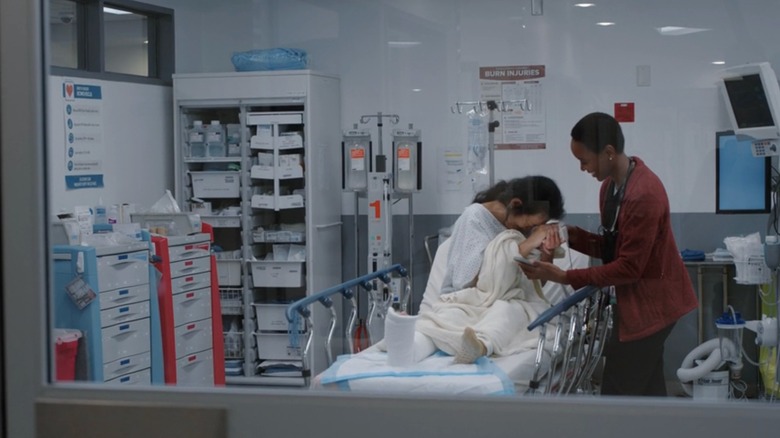
Season 1, Episode 14, pivots from physical trauma to a conflict of ideology. Flynn Edwards, a young boy suffering from measles, arrives at the hospital, forcing Dr. Robby Robinavitch to confront the dangers of modern medical skepticism.
The Ethical Quagmire
The tension escalates when Flynn’s mother, Hillary, opposes a critical spinal tap, citing online misinformation. The case highlights the friction between parental autonomy and medical necessity. Robby’s frustration is palpable as he attempts to circumvent the mother’s refusal by gaining consent from the father, Larry.
The ramifications of this case extend into Season 2, where the hospital faces a malpractice suit. This arc provides a nuanced look at the aftermath of medical intervention. The show avoids painting the doctors as infallible heroes; instead, it portrays them as individuals trapped in a bureaucratic and legal nightmare, fighting to save lives in an era where scientific consensus is increasingly treated as a matter of opinion.
4. The Shadow of Trafficking: Piper Fisher
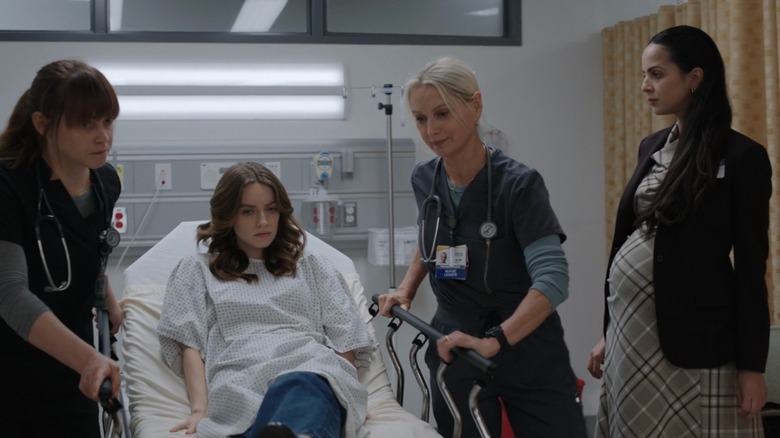
Perhaps the most unsettling case in the series is that of Piper Fisher, who appears in Season 1, Episode 6. Presenting with a routine sexually transmitted infection, Piper is accompanied by her boss, Laura, who exhibits classic signs of an abuser: controlling the conversation, answering for the patient, and insisting on being present during a pelvic exam.
A Haunting Lack of Resolution
Unlike most medical dramas that offer a tidy "rescue" narrative, The Pitt offers no such comfort. Dr. Cassie McKay recognizes the red flags and attempts to probe deeper, but the systemic constraints of the ER limit her reach. Piper leaves with her abuser, leaving both the characters and the audience in a state of unresolved dread. This narrative choice is essential to the show’s tone; it acknowledges that the hospital is a place where doctors see the symptoms of human trafficking but are often powerless to stop the cycle once the patient walks out the door. It is a haunting, realistic portrayal of the limits of medical intervention in the face of human evil.
5. The War Zone: The ‘PittFest’ Mass Casualty Event
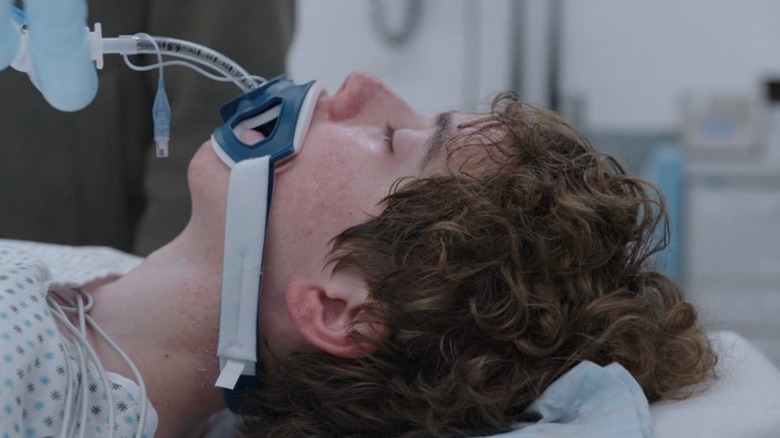
The conclusion of the first season serves as a masterclass in tension, as the emergency department is overwhelmed by 112 victims of a mass shooting at a music festival. The ED transforms from a place of healing into a triage war zone.
The Psychological Toll
The narrative focus here shifts from the specific injuries to the psychological endurance of the staff. Robby’s personal arc—the agonizing fear that his ex-girlfriend’s son might be among the incoming victims—adds a layer of unbearable personal stakes.
This event is not merely a plot device; it is a commentary on the frequency of mass casualty events in modern society. By placing the viewer in the shoes of the doctors who must decide who to treat first when resources are insufficient, the show forces an empathy that is rare in the genre. The imagery of the exhausted, blood-stained staff at the end of the shift is a powerful visual summation of the show’s ethos: that to be a doctor is to bear witness to the worst of humanity while striving to be its best.
Implications and Final Reflections
The Pitt does not merely aim to entertain; it aims to disturb. By tackling topics ranging from hate crimes and homelessness to medical misinformation and gun violence, the series forces a confrontation with the harsh realities of the American healthcare system.
The "disturbing" nature of these cases is not a result of gratuitous violence for its own sake, but rather a deliberate narrative strategy. By showing the reader the consequences of societal failure through the lens of a medical emergency, the show demands a deeper level of engagement.
Moving Forward
As the series progresses, the recurring theme remains clear: the emergency room is a mirror. It reflects the violence, the prejudices, and the tragedies of the world outside its doors. For the viewers of The Pitt, the show serves as a necessary, if uncomfortable, reminder of the vital, often thankless work performed by medical professionals. Whether it is the physical horror of a degloved foot or the quiet tragedy of a patient returning to an abusive home, The Pitt ensures that its audience remains just as vigilant, and perhaps just as burdened, as the doctors on the screen.