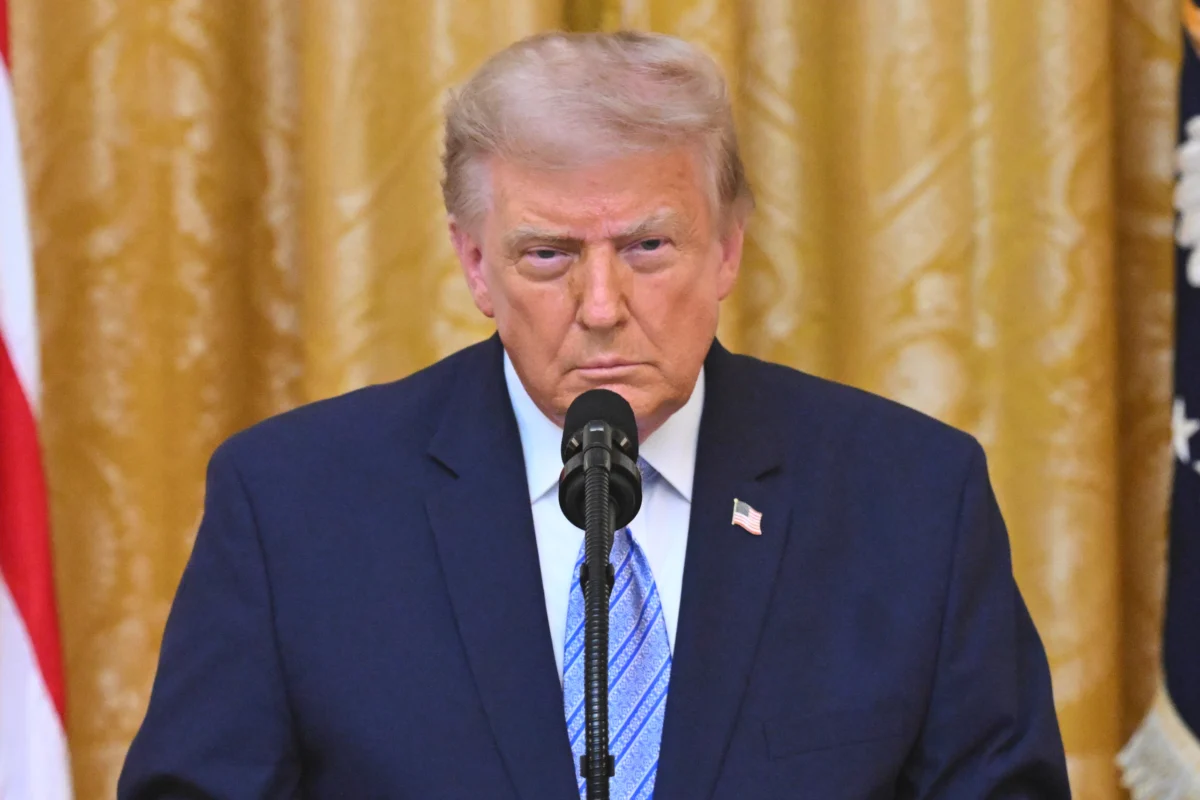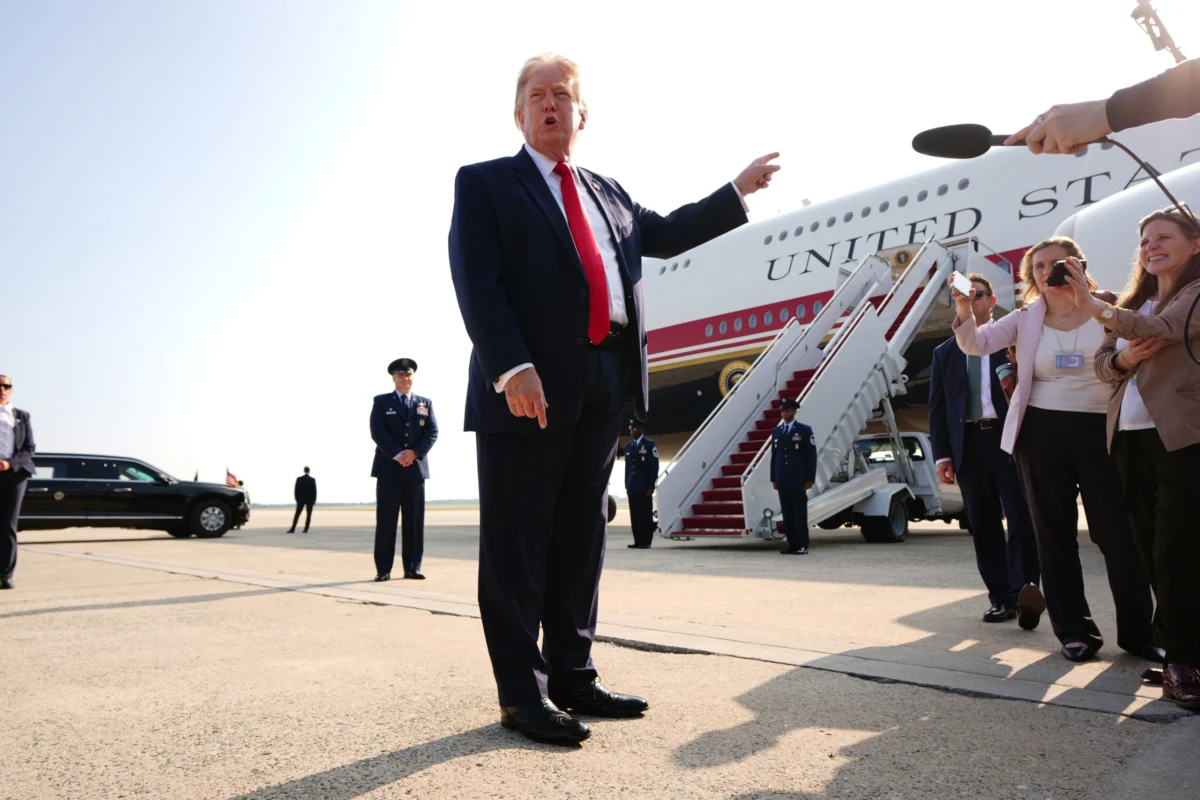
In a move that has sent shockwaves through the American media landscape, federal agents descended upon the homes of multiple New York Times journalists this past Friday evening. The agents arrived to serve subpoenas compelling the reporters to testify before a federal grand jury in Manhattan. The escalation marks a significant and aggressive shift in the federal government’s posture toward the press, effectively targeting the mechanisms of investigative journalism under the guise of national security.
The journalists served—Julian E. Barnes, Adam Goldman, Eric Lipton, Tyler Pager, and Eric Schmitt—are among the paper’s most seasoned reporters. They were part of a team that recently broke a story concerning the security vulnerabilities of President Donald Trump’s new presidential aircraft, a gift from the Qatari government. The swift legal action taken by the Department of Justice (DOJ) has been condemned by the Times as an overt attempt to intimidate reporters and, by extension, the American public.
The Genesis of a Controversy: A "Flying White House"
The origins of this standoff lie in the aesthetic and political priorities of the current administration. Since reclaiming the presidency, Donald Trump has frequently expressed disdain for the previous Air Force One fleet, characterizing the planes as lacking the prestige required for a global superpower. He has often compared American assets unfavorably to the newer, "sleeker" aircraft utilized by other world leaders.
In May 2025, the U.S. government accepted a Boeing 747-8 jetliner from Qatar, valued at approximately $200 million. The aircraft was quickly ushered into a retrofitting process to reflect what the president described as a "level of luxury that nobody’s ever seen before." When the plane was unveiled in Maryland last month, it featured the cream-and-gold aesthetic characteristic of the Trump brand. However, behind the opulent interiors, questions regarding the craft’s functional utility and security were brewing.
Chronology of a Collision Course
The tension between the Times and the White House reached a boiling point in early July.
- Wednesday, July 8: A team of Times reporters, including Barnes, Lipton, Pager, and Schmitt, published an investigative report revealing that President Trump had been forced to abandon the new Qatari-gifted 747 in favor of the older, legacy Air Force One during a return trip from a NATO summit in Türkiye.
- The Disclosure: The reporting uncovered that the Qatari plane lacked critical defensive infrastructure—specifically, advanced missile defense systems—deemed essential by security officials in light of heightened geopolitical tensions with Iran.
- The Attempted Suppression: Prior to publication, a senior FBI official contacted the Times, requesting that the story be spiked. The Bureau labeled the reporting a breach of national security and demanded the disclosure of the journalists’ anonymous sources. The Times rejected both demands.
- Thursday, July 9: Following the initial report, the Times published a follow-up piece delving into the specific technical countermeasures that had been omitted from the Qatari plane’s refitting.
- Friday, July 10: The reports dominated the Times’ front page. According to reports from CNN, the president was "fuming" and "embarrassed." By that evening, federal agents were at the doorsteps of the involved reporters.
Official Responses and the Mechanics of Power
The response from the administration was swift and, according to legal observers, highly irregular. The Times reported that the president directly ordered FBI Director Kash Patel to initiate a leak investigation. Patel, who was scheduled for a trip to Chicago, canceled his travel plans to spend eight hours at the White House on Friday, coordinating the federal response.
David McCraw, the Times newsroom lawyer, issued a searing statement shortly after the subpoenas were delivered. "The appearance of federal law enforcement agents on the doorstep of news reporters should shock the conscience of any American who believes in the Constitution and the press freedom it protects," McCraw stated. He characterized the move as a "brazen act" designed to prevent the public from understanding the administration’s internal failures.
Conversely, a spokesperson for the Department of Justice attempted to frame the action as a standard procedural step. "Reporters are not the targets; those leaking classified information are," the spokesperson insisted on Saturday. However, legal experts note that issuing grand jury subpoenas to reporters as the first step of an investigation—rather than the last—is a departure from standard DOJ policy, which typically mandates exhausting all other avenues of inquiry before targeting the press.
Implications: The Criminalization of Newsgathering
The current standoff is not an isolated event; it is part of a broader, more aggressive strategy by the current administration to redefine investigative journalism as a criminal enterprise.
In June, the DOJ issued similar subpoenas to journalists at the Washington Post and the Wall Street Journal regarding stories on Venezuela and Iran, respectively. In those instances, the administration retreated after significant pushback from the news organizations. However, the precedent remains alarming. Earlier this year, the FBI raided the home of Post reporter Hannah Natanson, seizing her electronic devices and labeling her source materials as "contraband"—a term rarely, if ever, applied to the fruits of journalistic inquiry in a democratic society.
The implications for the future of the American press are profound. If these five Times reporters are forced to testify, they face a harrowing choice: reveal their confidential sources, thereby destroying the trust required for investigative journalism, or face charges of contempt of court and potential incarceration.
Jon Schleuss, president of the NewsGuild-CWA, underscored the danger of this normalization. "When the president attacks journalists every single day, that becomes an unfortunate normalization," Schleuss remarked. He noted that the tactic is already beginning to "filter down" to state and local levels, where officials may feel emboldened to use similar legal intimidation to silence scrutiny of local government contracts and corruption.
A Legal Battle for the First Amendment
The Times has signaled its intention to mount a vigorous legal defense. Executive Editor Joe Kahn characterized the subpoenas as "impulsive" and built on "vague pretenses of a threat to national security."
The legal bar for the government to compel testimony from journalists is exceptionally high, and history suggests the Times has a strong chance of prevailing. Courts have historically been protective of the reporter-source relationship, viewing it as essential to the democratic function of a free press. However, the current judicial environment, shaped by a wave of recent appointments and a broader shift in executive power, creates an uncertain climate for First Amendment advocates.
As the case moves forward, the five targeted journalists are left in a state of professional and personal limbo. While the administration claims it is pursuing the "leakers," the immediate impact is the disruption of the lives of those who hold power to account.
Jodie Ginsberg, chief executive of the Committee to Protect Journalists, described the situation as an "extraordinary escalation." The message from the White House is clear: the administration views independent reporting not as a pillar of democracy, but as a liability to be managed, suppressed, and, if necessary, litigated into silence.
The coming days will be a litmus test for the resilience of American press freedom. If the administration succeeds in forcing these journalists to disclose their sources, it will effectively dismantle the shield that allows whistleblowers to expose government misconduct. As the legal battle unfolds in the Southern District of New York, the fundamental question remains: will the constitutional protections afforded to the press hold against the weight of a presidency that perceives transparency as an act of treason? For now, the answer remains locked behind the doors of a federal grand jury.