Main Facts
Decades after the final voyage of the USS Enterprise in Star Trek: The Original Series, the cultural footprint of Mr. Spock remains indelible. While Captain James T. Kirk—portrayed with swagger and bravado by William Shatner—represented the traditional, swashbuckling sci-fi hero, it was Leonard Nimoy’s half-human, half-Vulcan science officer who captured the hearts and minds of a generation.
According to Nimoy himself, Spock’s enduring appeal to teenagers and outsiders stemmed from a very specific formulation: he was "freaky with dignity." In archival interviews, Nimoy frequently dissected the psychological blueprint of his most famous character, attributing Spock’s massive adolescent following to his unique position as an unapologetic outcast. Balancing a struggle with identity against unshakeable self-possession, Spock provided a blueprint for generations of viewers navigating the awkward terrain of youth. Furthermore, behind-the-scenes accounts and cultural commentary from figures like science fiction titan Isaac Asimov reveal that Spock’s allure extended far beyond sci-fi escapism, evolving into a complex cultural and psychological phenomenon.
Chronology
To understand the evolution of Spock’s pop-culture dominance, it is necessary to look back at the timeline of Star Trek’s inception and its rapid cultural ascendance:
- September 1966: Star Trek: The Original Series premieres on NBC. Initially facing modest ratings, the show quickly establishes a passionate, dedicated fan base, with Leonard Nimoy’s portrayal of Spock instantly standing out as a focal point of viewer curiosity.
- 1967: Famed science fiction author Isaac Asimov publishes an essay in TV Guide detailing his surprise at discovering his daughter finds Spock—rather than Captain Kirk—to be "dreamy." Asimov coins a phrase regarding the character’s psychological pull that Nimoy would later champion.
- August 1968: Ahead of the turbulent third season of Star Trek, Leonard Nimoy sits down with The New York Times. In the profile, he offers his definitive theory on why teenagers, in particular, gravitate toward the logical alien: Spock’s internal conflict paired with his unwavering cool.
- Late 1960s: Spock mania reaches fever pitch. Nimoy receives a staggering volume of fan mail—surpassing almost everyone else at NBC—frequently besieged by teenage fans ("teenyboppers") eager to catch a glimpse of the actor and touch his iconic prosthetic ears.
- February 2015: Leonard Nimoy passes away at the age of 83. Tributes pour in from around the globe, with former fans, writers, and cultural critics publishing essays detailing how Spock served as a vital emotional anchor during their formative adolescent years.
Supporting Data
The depth of Spock’s appeal is backed by both historical records from the production of Star Trek and cultural analyses of the era:
- Fan Mail Dominance: During the height of The Original Series, Nimoy’s fan mail volume outpaced that of his co-stars, often pulling in thousands of letters per week, heavily driven by young viewers and teenage girls.
- The "Ears" Phenomenon: Nimoy frequently recounted that female fans on set and at public appearances exhibited an unusual fascination with his appearance, specifically requesting to touch his prosthetic Vulcan ears—a physical manifestation of his unique alien charm.
- Demographic Shift: While traditional action heroes of the 1960s relied on hyper-masculinity and physical dominance, data from fan club formations and media studies showed that Star Trek uniquely captured demographics traditionally underserved by network television: intellectuals, science enthusiasts, and socially awkward youth.
- Critical Validation: Nimoy’s self-analysis found literary backing when Isaac Asimov summarized the character’s dual appeal with the definitive psychological assessment: "Spock is a security blanket with sexual overtones."
Official Responses and Reflections
Throughout his life, Leonard Nimoy was remarkably articulate about the cultural phenomenon he helped create. He did not view Spock’s popularity as an accident, but rather as the result of specific narrative and psychological choices.
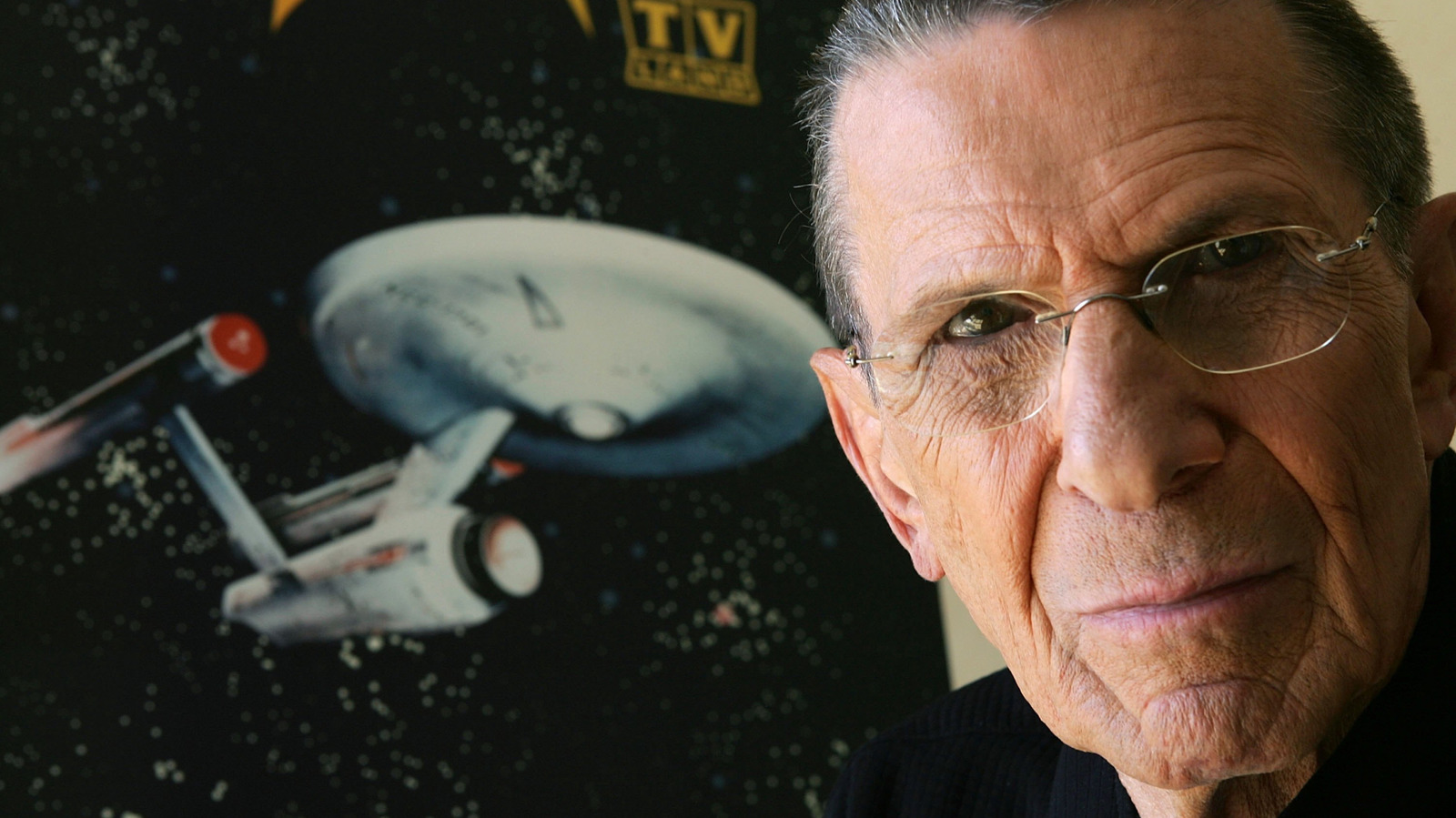
In his 1968 interview with The New York Times, Nimoy explained:
"He relates to his role very specifically, and this gives him a kind of cool. In spite of being an outcast, being mixed-up, looking different, he maintains his point of view. He can’t be bullied or put-on… There are very few characters who have had that kind of pride, cool, and ability to lay it out and walk away. Humphrey Bogart played most of them."
Nimoy openly marveled at the unexpected physical and romantic attraction the character commanded. Reflecting on the intense fan attention, he noted:
"There must be something very sexual about it. I tell you, frankly, I’ve never had more female attention on a set before. And get this: they all wanted to touch the ears!"
Later in life, discussing the insights of Isaac Asimov, Nimoy embraced the author’s humorous yet profound framing of the character. As Nimoy recalled in an interview with Michael Weinfeld, Asimov successfully pinned down the attraction by declaring that Spock functioned simultaneously as intellectual comfort and unconventional allure—encapsulated by the notion of being a "security blanket with sexual overtones."
Implications
The cultural legacy of Mr. Spock extends far beyond 1960s television history; it fundamentally transformed how science fiction heroes were written and perceived.
By proving that an introverted, logical, and emotionally restrained character could eclipse the traditional leading man in popularity, Spock paved the way for a new archetype in media. The "nerd outcast" who possesses moral clarity, unshakeable dignity, and absolute self-possession became a staple of modern storytelling.
Furthermore, Spock’s struggle as a hybrid caught between two worlds—never fully human, never fully Vulcan—spoke directly to marginalized audiences, immigrants, and adolescents grappling with their own identities. As evidenced by the heartfelt tributes penned upon Nimoy’s passing in 2015, the character offered a profound form of validation. In a world that often demands conformity, Spock demonstrated that being different did not mean being weak; rather, it was entirely possible to be an outsider, stand entirely on one’s own terms, and remain resolutely, magnificently cool.