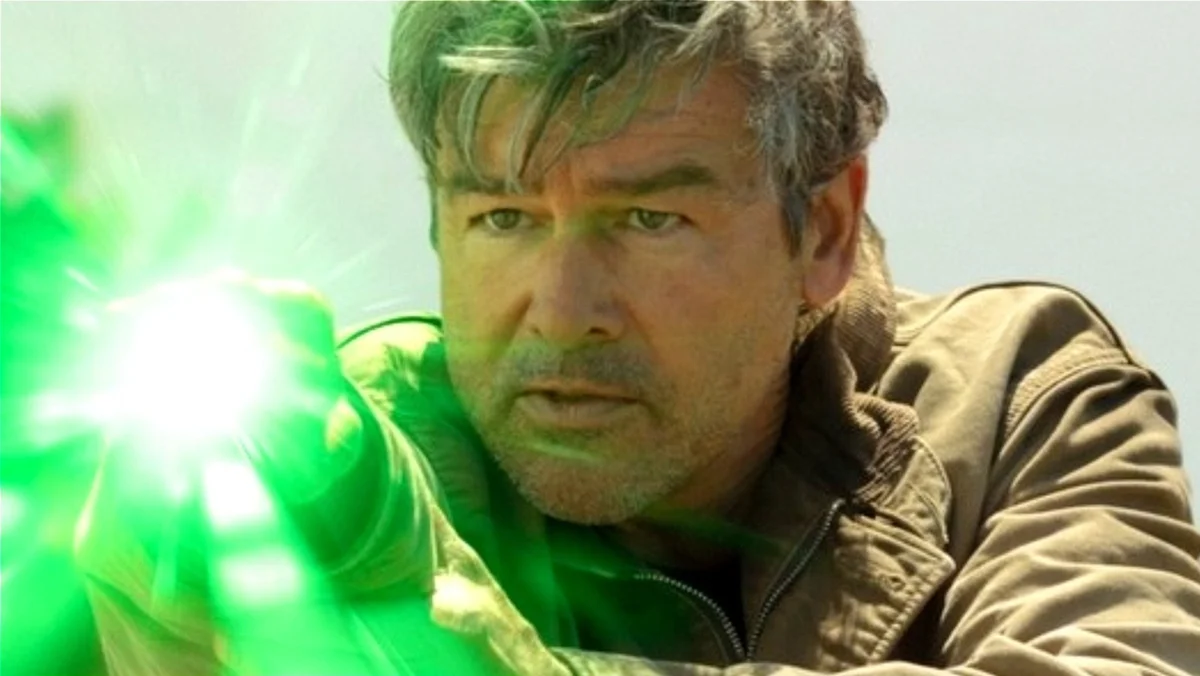
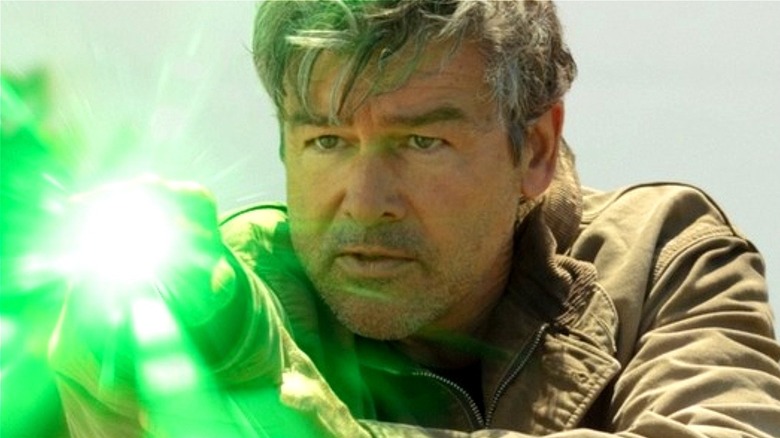
The landscape of the modern DC Universe (DCU) is shifting rapidly under the stewardship of James Gunn and Peter Safran. As the studio gears up for its highly anticipated series Lanterns, casting decisions have remained at the forefront of fan discourse. While Kyle Chandler has officially stepped into the shoes of the legendary Hal Jordan—a choice that has been met with significant critical approval—it has recently come to light that the role was originally offered to a titan of the genre: Josh Brolin.
The revelation that the man behind Marvel’s Thanos nearly donned the power ring of the Green Lantern Corps serves as a fascinating “what if” in superhero casting history. This decision not only highlights the creative direction DC is taking with its new television slate but also underscores Brolin’s storied, albeit complicated, relationship with comic book adaptations.
The Casting That Could Have Been: Why Brolin and Hal Jordan Made Sense
When the news broke that Brolin had been the frontrunner for the role of Hal Jordan, industry insiders and fans alike were quick to see the logic. Brolin has cultivated a career defined by playing "gruff," world-weary men who carry the weight of the world on their shoulders.
From his tenure as the time-traveling, cynical soldier Cable in Deadpool 2 to the cold, calculated pragmatism of Matt Graver in the Sicario films, Brolin has mastered the archetype of the hardened mentor. Furthermore, his recent turn as Gurney Halleck in Denis Villeneuve’s Dune franchise—a master of weapons and war—mirrors the tactical intelligence and disciplined grit required to portray a veteran Hal Jordan.
In the narrative of the upcoming Lanterns series, Hal Jordan is expected to serve as a grizzled, experienced mentor to the rookie John Stewart, portrayed by Aaron Pierre. Brolin’s inherent ability to project authority, pain, and a hidden vulnerability would have offered a starkly different, perhaps more somber, version of the character compared to the more traditional leading-man energy brought by Kyle Chandler.
Chronology of a Casting Near-Miss
The timeline of this near-miss casting began in mid-2024 as pre-production for Lanterns accelerated. As DC Studios began vetting talent to anchor the series, Brolin emerged as a primary candidate for the prestige project.
However, as negotiations progressed, the parties could not reach an agreement. In a candid interview with ComicBook later that year, Brolin addressed the rumors with professional grace. Rather than expressing bitterness over the missed opportunity, he offered a ringing endorsement of the man who ultimately secured the role.
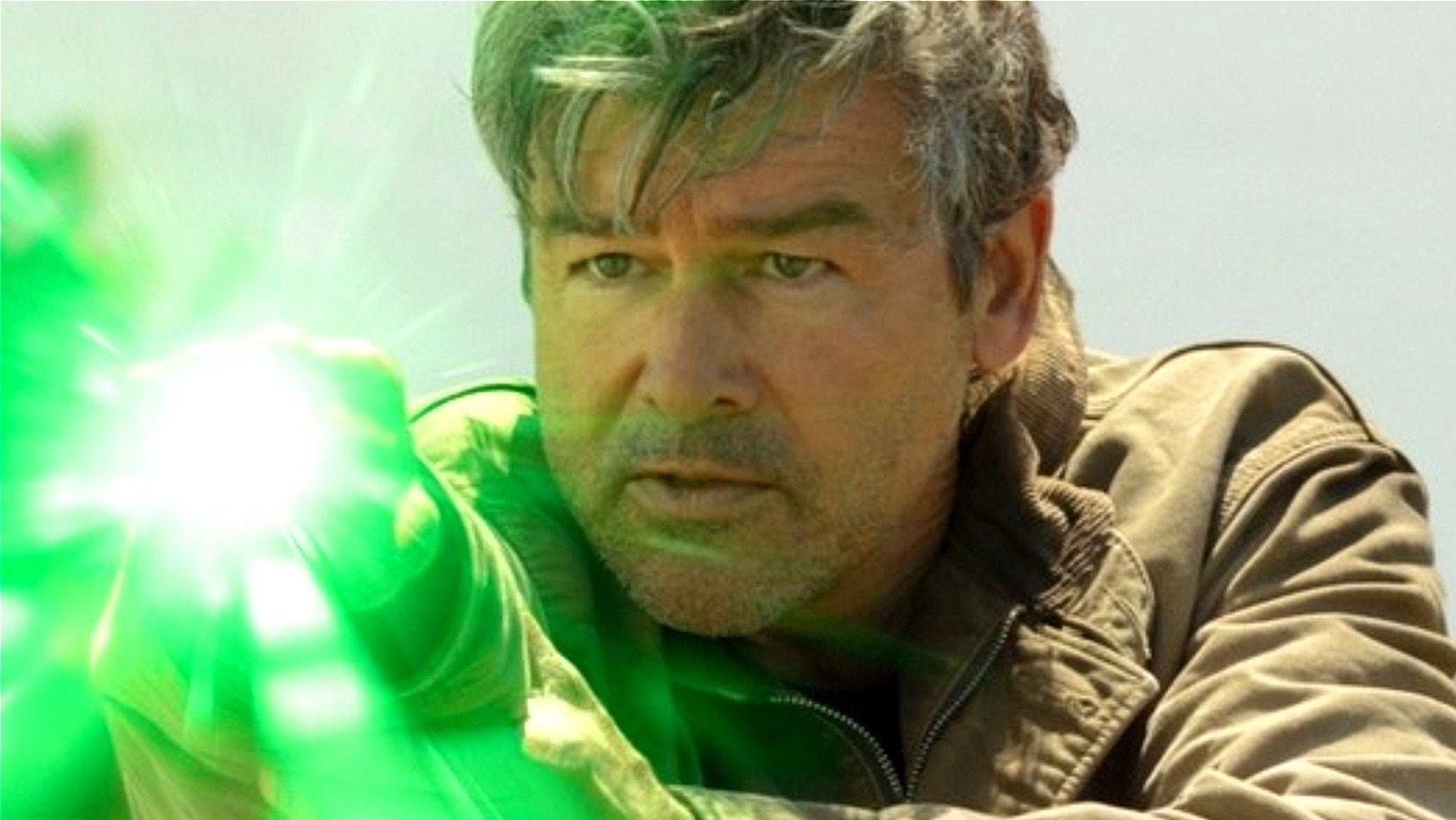
"You know what? Green Lantern didn’t work out, but that’s okay. It’s working out," Brolin stated. "Who is it going to be, Kyle Chandler? I love him as an actor, I think he’s wonderful, actually. And, you know, we’ll see what’s down the line, man."
This public blessing provided closure to the speculation and redirected fan excitement toward the established chemistry between Chandler and Pierre, setting the stage for what is expected to be one of the most significant entries in the new DC live-action television catalog.
A Ghost from the Past: The Jonah Hex Factor
While Brolin is now a household name in superhero cinema, his history with DC properties is marred by the 2010 adaptation of Jonah Hex. To understand the weight of his decision regarding Lanterns, one must look back at the disastrous production that left a sour taste in the actor’s mouth.
The Failure of the 2010 Adaptation
Jonah Hex was marketed as a gritty, supernatural Western, featuring a star-studded cast including Megan Fox, John Malkovich, and Michael Fassbender. Despite the pedigree, the film collapsed under the weight of poor direction and disjointed studio oversight. With a production budget of $47 million, the film failed to break $11 million at the global box office, cementing its status as one of the most significant bombs in DC film history.
Critical reception was equally brutal. The film currently holds an 11% approval rating on Rotten Tomatoes, with critics citing a lack of coherent tone and narrative structure. Brolin, who played the titular scarred bounty hunter, has been vocal about the production’s failings, noting that the experience was a lesson in how studio interference and inexperienced leadership can dismantle a project.
Brolin’s Critique of the Production
In a 2023 interview with Variety, Brolin did not mince words regarding why Jonah Hex failed. He pinned much of the blame on the hiring of director Jimmy Hayward. Brolin noted that while Hayward had high energy, he lacked the seasoned maturity required to helm a feature film of that magnitude.
"I loved that [Hayward] was excited, but he just didn’t have the experience and he didn’t treat it like I would imagine somebody would want to treat it," Brolin recounted. He lamented that instead of immersing himself in the source material and cinematic history, the director was focused on extracurricular activities. Brolin’s frustration peaked when the studio intervened, a recurring theme in his career that he believes invariably leads to a decline in quality.
Implications for the Future of the DCU
The refusal of a role as significant as Hal Jordan—a pillar of the DC Universe—suggests that Brolin is now far more selective about the projects he commits to. In the wake of the Jonah Hex debacle, Brolin has evolved into a performer who prioritizes creative vision and directorial competence above all else.
The James Gunn and Peter Safran Factor
The current leadership at DC Studios, headed by James Gunn and Peter Safran, has been working hard to rehabilitate the studio’s reputation for quality control. Their strategy involves deep-dive storytelling and character-driven narratives, which aligns with the prestige television model of Lanterns. While Brolin didn’t join the project, the fact that he was the primary choice indicates that Gunn and Safran are aiming for a mature, grounded tone in the new DCU.
The "What If" Legacy
For fans, the missed opportunity creates a lingering curiosity. Would a Brolin-led Lanterns have leaned further into the horror-western elements of the character’s history, or would it have been a meditative character study? With Chandler now set to define the role, the focus shifts to how the character of Hal Jordan will bridge the gap between the veteran cosmic protector and the burgeoning threat of the new universe.
Brolin’s comment about "seeing what’s down the line" keeps the door open for a potential future collaboration. Given his versatility and his established rapport with the industry, it is highly likely that if the right role—one that allows for his specific brand of intensity without the constraints of a troubled production—presents itself, we could eventually see Thanos himself join the ranks of the DC Universe.
Conclusion: A Respectful Passing of the Torch
The story of Josh Brolin and Lanterns is more than just a casting rumor; it is a testament to the maturation of both the actor and the studio. Brolin’s evolution from the frustrated star of a failed Western to a thoughtful, supportive peer who champions his fellow actors speaks volumes about his professional growth.
As Lanterns moves into production, the shadow of what might have been will slowly fade, replaced by the reality of Kyle Chandler’s performance. However, this episode remains a fascinating chapter in DC history—a moment where the past, in the form of a 2010 failure, met the future of a revitalized cinematic universe. The fans may have missed out on a Brolin-led Green Lantern, but the professionalism shown by both parties suggests that the best stories are yet to be told in the burgeoning DCU.