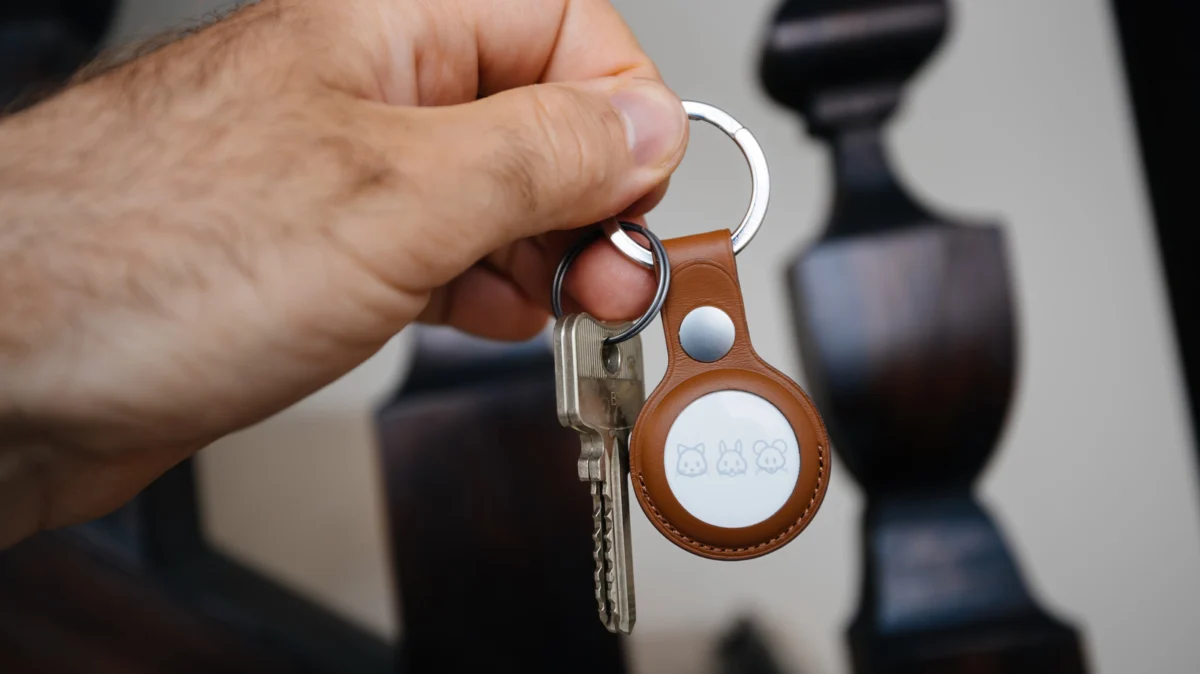
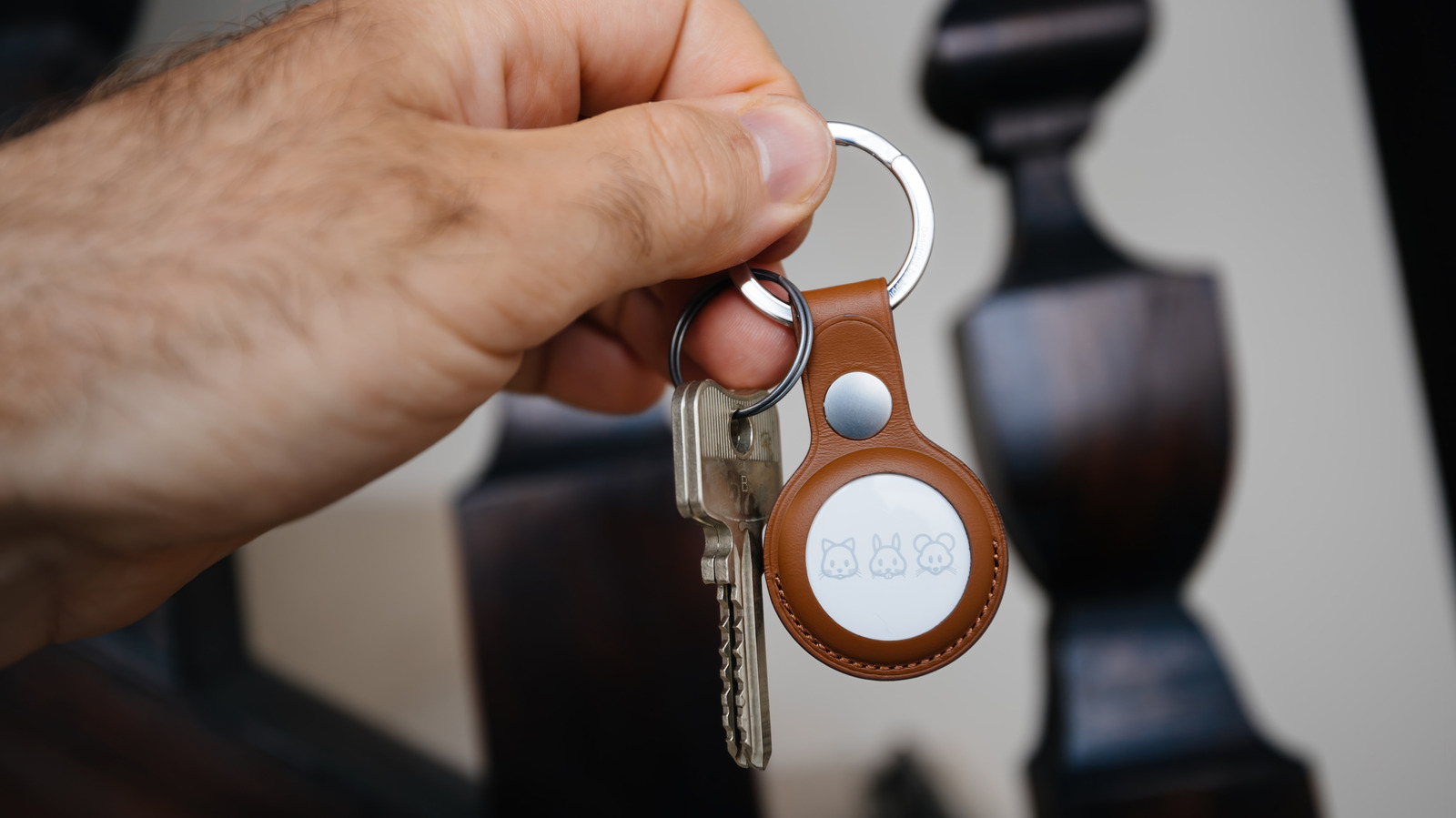
With the arrival of Apple’s second-generation AirTag, the original tracking device—which first revolutionized the personal item-tracking market in 2021—has officially been relegated to the annals of "discontinued" technology. As Apple shifts its manufacturing focus and retail shelf space toward the newer, more powerful model, many users find themselves holding onto older units that still possess significant utility.
While the new iteration boasts an upgraded ultra-wideband chip, increased range for Precision Finding, and a more robust audio output, the first-generation AirTag is far from obsolete. In fact, for many, these "legacy" trackers remain highly functional components of a comprehensive security and organization strategy.
The Chronology of the AirTag
To understand the current landscape of Apple’s tracking ecosystem, one must look at the trajectory of the product line.
- April 2021: Apple launches the original AirTag, introducing a compact, CR2032-powered device that utilizes the vast "Find My" network. It quickly becomes a market leader due to its seamless integration with the Apple ecosystem.
- 2021–2025: The original AirTag becomes a staple for millions of travelers, pet owners, and those prone to losing their keys. Its performance remains consistent through various iOS updates.
- Early 2025: Apple unveils the second-generation AirTag. The update addresses specific user feedback, introducing a more advanced second-generation ultra-wideband (UWB) chip and a significantly louder integrated speaker, while improving the Precision Finding range by approximately 50 percent.
- Present Day: Apple ceases production and direct sales of the first-generation AirTag, marking a transition period where users are encouraged to adopt the newer hardware while navigating what to do with their existing fleet of trackers.
Supporting Data and Technical Realities
The primary value proposition of the original AirTag lies in its continued support within the Apple "Find My" app. Despite the hardware update, Apple has maintained backend compatibility for the 2021 models.
Technically, the first-gen AirTag operates on the same fundamental principle as its successor: it emits a secure Bluetooth signal that can be detected by nearby devices in the "Find My" network. These devices send the location of the AirTag to iCloud, which the owner can then view on a map.
Performance Comparison:
- Battery Life: Both generations utilize the user-replaceable CR2032 coin cell battery, which typically offers a lifespan of roughly one year under standard operating conditions.
- Precision Finding: While the second-gen model excels at greater distances, the original model remains perfectly adequate for indoor use. Users can still navigate to their misplaced items with centimeter-level accuracy, provided they are within the effective range of the device’s UWB chip.
- Integration: Both models function identically regarding user privacy features, such as unwanted tracking alerts that notify individuals if an unknown AirTag is moving with them.
Practical Applications for "Legacy" AirTags
Rather than discarding first-generation trackers, power users are finding creative ways to layer their security. By diversifying the placement of your trackers, you can create a redundant "safety net" for your most valuable possessions.
Expanding Your Tracking Coverage
If you have upgraded your primary keys or wallet to the new AirTag, use your old units for "secondary" assets. Items such as toolboxes, gym bags, or spare sets of house keys often sit in the same category as primary items but are less likely to require the ultra-long-range Precision Finding capabilities of the new model.
The "Double-Blind" Security Strategy
One of the most effective security tactics involves using two trackers on high-value items, such as bicycles or expensive photography equipment. By hiding one primary tracker in a visible or obvious location and tucking a second, older-generation AirTag deep within the frame or under a hidden compartment, you increase the likelihood of recovery in the event of theft. A thief who manages to find and disable one tracker may be entirely unaware of the second, effectively providing you with a "failsafe" location beacon.
Domestic Utility
For items that rarely leave the home but are frequently misplaced—such as the remote control for a home theater, a filing cabinet key, or seasonal holiday storage bins—the first-gen AirTag is more than sufficient. Its proximity-based audio alert is usually enough to guide a user to the item within a living space, negating the need for the latest hardware specs.
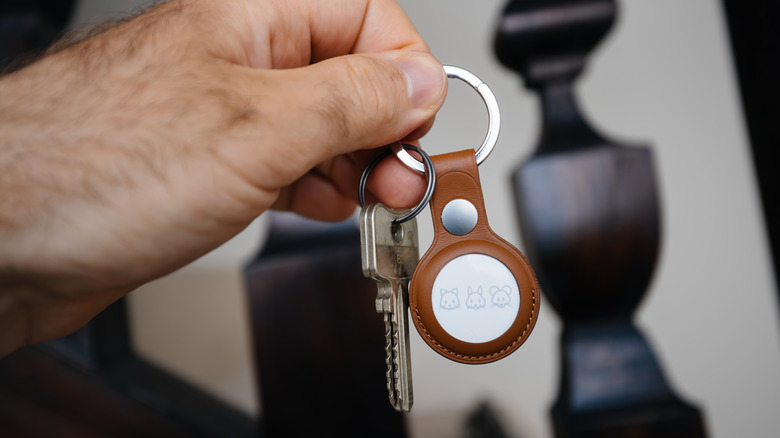
Implications of the Shift: Upgrading vs. Repurposing
The decision to upgrade should be based on your specific use case. If you primarily use AirTags to track items that are often left in large, crowded public spaces (like airport terminals or busy train stations), the improved UWB chip in the second-gen model is a distinct advantage.
However, for those with older iPhones—specifically those earlier than the iPhone 15—the benefits of the second-gen AirTag are partially mitigated. Since the full suite of new Precision Finding features requires hardware compatibility on the host device, users with older iPhones may find that a first-gen AirTag performs nearly as well as the new one.
Giving Back: The Secondary Market
If you find that your collection of AirTags has simply grown too large, consider the following options:
- Hand-Me-Downs: Older family members or friends who do not currently use trackers will find a first-gen AirTag life-changing. Giving an older parent an AirTag for their glasses case or medicine box is a simple, effective way to integrate them into the safety of the "Find My" ecosystem.
- Trade-in and Resale: While Apple does not currently offer a direct trade-in program for AirTags, various third-party electronics buyback services exist. While the financial return may be modest, it is an environmentally conscious alternative to disposing of electronics in a landfill.
Official Stance and Longevity
Apple has not announced a "sunset" date for the support of the first-generation AirTag. Given the company’s history with maintaining long-term software support for its accessories, users can expect these devices to function within the "Find My" network for years to come.
The software architecture powering the network is designed to be agnostic of the specific AirTag hardware version, provided the device can transmit the encrypted Bluetooth handshake required to signal the network. This ensures that even as the hardware becomes "vintage," its primary utility as a global tracker remains intact.

Conclusion: Sustainability in Tech
The pressure to constantly upgrade to the newest device is a hallmark of modern consumer electronics. However, the AirTag is a rare example of a product that maintains a high utility-to-obsolescence ratio.
By strategically reallocating your first-generation trackers, you can enhance your personal security and organization without the need for additional expenditure. Whether you are tracking a teenager’s car, a piece of checked luggage, or a set of basement keys, the original AirTag continues to serve as a reliable, effective, and sophisticated tool. In a world of planned obsolescence, choosing to extend the life of your technology is not just a practical decision—it is a sustainable one.
Before you head to the checkout page for a new set of trackers, take a moment to audit your current gear. You might be surprised to find that you already possess exactly what you need to keep your life organized and your belongings secure.