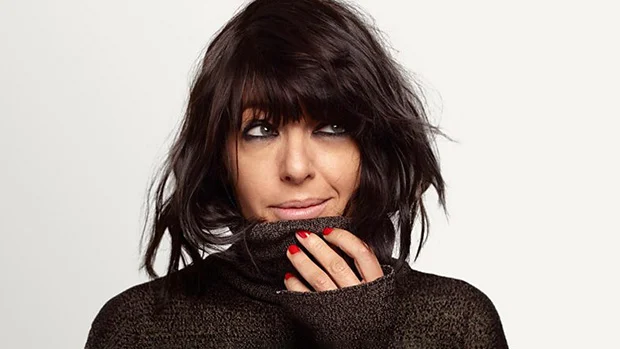
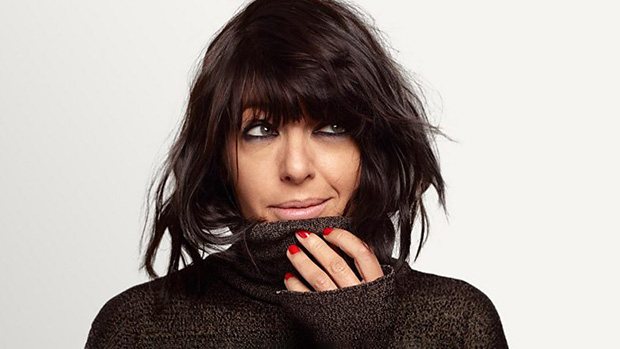
In a move that has sent ripples through the British television industry, the BBC has officially confirmed the cancellation of The Claudia Winkleman Show after just a single season. The chat-show format, which debuted on BBC One earlier this spring, has been shelved following the host’s personal decision to step away from the project. Despite the backing of Graham Norton’s high-profile production house, So Television, and a roster of A-list international talent, the series struggled to find its footing in a crowded and highly competitive entertainment landscape.
The Genesis and Brief Tenure of the Format
The project was initially heralded as a significant addition to the BBC’s weekend entertainment slate. With Claudia Winkleman—already a cornerstone of the broadcaster’s success thanks to her stellar work on the cultural phenomenon The Traitors and Strictly Come Dancing—at the helm, expectations were high.
The show, which ran for seven episodes between March and April, was designed to showcase Winkleman’s signature blend of self-deprecating humor and sharp, observational wit. Produced by So Television, the company co-founded by chat-show titan Graham Norton, the program aimed to capture the same magic that has kept Norton’s own Friday night slot as the gold standard for celebrity interviews. However, the chemistry between the host, the format, and the audience proved elusive.
Chronology of the Production
The journey of The Claudia Winkleman Show was short, punctuated by moments of high-profile glamour followed by growing industry speculation.
- Pre-Production (Late 2025): The BBC announced the commissioning of the series, citing a desire to leverage Winkleman’s rising popularity as a solo host outside of her established competitive reality formats.
- Launch (March 2026): The series premiered to significant fanfare. The initial episodes featured a high-octane lineup of guests, including Hollywood heavyweights Jeff Goldblum and Lisa Kudrow.
- The Mid-Season Slump: By the third and fourth episodes, critical reception began to sour. Reviewers noted a disconnect between Winkleman’s natural, off-the-cuff style and the rigid structure of the traditional late-night talk show format.
- The Finale (April 2026): The seventh and final episode aired, marking the conclusion of the series order.
- The Decision (July 2026): Following a period of evaluation, Winkleman formally notified the BBC of her intent not to return for a second season, citing the personal toll of the hosting duties.
Supporting Data and Audience Metrics
The performance of The Claudia Winkleman Show presents a complex picture for data analysts and BBC executives alike. Throughout its seven-episode run, the show consistently pulled in audience figures ranging between 1.5 million and 2 million viewers.
By conventional standards, this is a respectable performance for a mid-tier entertainment slot. However, for a show branded around one of the BBC’s most recognizable and highly paid faces, the numbers were seen as underwhelming. Industry experts point to the "halo effect" often required for talk shows; when a host of Winkleman’s caliber leads a production, the expectation is not merely steady viewership, but cultural impact and social media "virality"—two metrics where the show struggled to make a lasting impression.
Critically, the reception was mixed. While reviewers frequently praised Winkleman’s warmth and inherent likability, many pointed to the production’s lack of a unique "hook." In a landscape dominated by the likes of The Graham Norton Show, The Late Show, and various digital-first interview formats, the traditional studio-based chat show requires a distinct editorial voice—a hurdle that this particular iteration failed to clear.
The Host’s Perspective: "Too Nervous to Enjoy It"
Perhaps the most candid element of the cancellation is Winkleman’s own explanation. In a rare display of industry transparency, the host acknowledged that the struggle was not with the production values or the guests, but with her own comfort level in the chair.
"I’m incredibly grateful to the BBC for giving me the opportunity, to the guests who agreed to come and chat to me, and the production team who were simply excellent," Winkleman stated in a press release. She went on to offer a poignant insight into the pressures of high-stakes television hosting: "Sometimes you have to try something to see how it fits, and I realised I was just too nervous to enjoy it."
This admission highlights the profound difference between hosting a competition show, where the host is an observer and facilitator of a narrative, and a talk show, where the host must carry the entire emotional and intellectual weight of the conversation. For a personality as self-aware as Winkleman, the gap between performance and genuine engagement became insurmountable.
Official Responses and the BBC’s Stance
The BBC’s leadership has been quick to support Winkleman, framing the cancellation as a mutual realization rather than a failure of the broadcaster’s investment.
Ed Havard, the BBC’s director of entertainment, underscored the network’s ongoing commitment to Winkleman as a talent. "Claudia’s warmth and quick wit made The Claudia Winkleman Show an absolute joy," Havard noted. "Whilst we loved the show, we fully respect her decision and would like to thank Claudia and the brilliant team at So Television for bringing the series to screen on the BBC."
The statement serves as a strategic maneuver by the BBC to ensure that their relationship with Winkleman remains untarnished. Given her success with The Traitors, the network is clearly uninterested in burning bridges over a single, failed experiment.
Implications for the Industry
The cancellation of this show carries broader implications for the state of British television:
1. The Challenge of the "Personality-Driven" Format
The industry is currently grappling with a shift in viewer behavior. Audiences are increasingly wary of "generic" talk shows. The success of formats like The Traitors suggests that viewers are currently favoring high-stakes, narrative-driven content over the traditional celebrity interview. Trying to retrofit a star like Winkleman into a traditional mold may have been a strategic misstep.
2. The Power of Authenticity
Winkleman’s decision to walk away—and her honesty about her "nerves"—is a refreshing departure from the usual industry platitudes about "scheduling conflicts." It reflects a modern reality where talent is increasingly cognizant of their personal brand and mental health. This transparency may set a precedent for other hosts to prioritize projects that align with their strengths rather than chasing traditional milestones.
3. The Future of So Television
For So Television, the experience provides a valuable data point. While the company remains the powerhouse behind the most successful chat show in British history, this result proves that even the best production teams cannot manufacture chemistry if the host is not fully aligned with the format.
Conclusion: A Graceful Exit
The end of The Claudia Winkleman Show will likely be remembered not as a failure, but as a brief, instructive chapter in the career of one of the UK’s most beloved presenters. In an industry that often forces performers to persist in formats that do not suit them, Winkleman’s decision to walk away is a testament to her professionalism and her commitment to her craft.
For the BBC, the task now shifts to identifying the next big entertainment format that can effectively harness Winkleman’s unique energy. As for the late-night chat show landscape, the search for the next truly disruptive, genre-defining format continues. For now, the lights have dimmed on this particular set, leaving behind a clear lesson: in the world of television, authenticity is the only currency that truly holds its value.