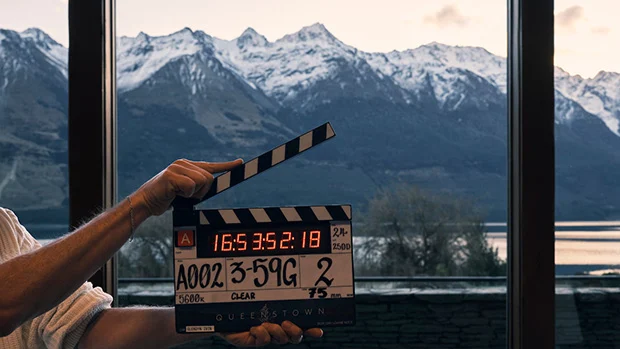
Netflix has officially announced its maiden venture into New Zealand-originated scripted drama with the greenlighting of Queenstown, an ambitious eight-episode series set against the backdrop of the country’s most exclusive alpine retreat. The project marks a significant milestone for the streaming giant’s presence in the Pacific, signaling a strategic shift toward localized high-end production in a region long celebrated for its cinematic landscapes but rarely utilized for home-grown episodic narratives.
Starring acclaimed actor Rufus Sewell (The Diplomat) and Frances O’Connor (Wednesday), the series promises a tense, character-driven exploration of the socioeconomic friction between the ultra-wealthy elite and the staff who facilitate their lavish lifestyles.
The Core Narrative: Power, Class, and Alpine Opulence
Queenstown is the brainchild of writer and creator Chloe Stearns, whose previous work on the genre-bending series Wolf Like Me demonstrated an aptitude for blending high-stakes drama with intimate human conflict. The narrative is structured around the collision of two disparate worlds: the vacationing upper class who descend upon the resort for status and sanctuary, and the workforce that operates behind the velvet ropes.
As the series unfolds, it promises to interrogate the pursuit of power and wealth in a setting defined by its isolation and breathtaking scenery. Insiders suggest the tone will be "propulsive," utilizing the claustrophobic nature of a luxury resort to heighten the domestic and social tensions among the ensemble cast.
Production Chronology and Collaborative Framework
The journey to Queenstown has been a meticulous process of development and negotiation, involving local stakeholders and international production powerhouses.
- Development Phase: Initial concepts were pitched to Netflix executives with a focus on capturing the unique "New Zealand noir" aesthetic. The creative vision was finalized by Stearns, with a focus on ensuring the series resonated with both domestic New Zealand viewers and a global Netflix audience.
- Production Partners: The series is a co-production between Jodi Matterson’s Sydney-based production company, Silent Firework, and Runaway Unicorn. This cross-Tasman partnership reflects the increasing integration of the Australian and New Zealand production ecosystems.
- Financial Backing: The project has secured critical support from the New Zealand Film Commission (NZFC). Furthermore, the production will utilize the Screen Production Rebate—a vital fiscal instrument designed to incentivize high-end screen production within New Zealand.
- Directorial Leadership: The visual identity of the show will be crafted by a duo of acclaimed directors: Glendyn Ivin, known for his work on Penguin Bloom, and Roseanne Liang, whose recent contribution to Avatar: The Last Airbender highlighted her ability to manage complex, large-scale visual storytelling.
The Strategic Shift: Why New Zealand?
For years, New Zealand has been the production playground for international franchises—most notably Peter Jackson’s The Lord of the Rings and The Hobbit trilogies, as well as James Cameron’s Avatar series. However, these projects were predominantly service-based productions for American studios.
Queenstown represents a fundamental change in the industry paradigm. It is an "Original"—a show where the intellectual property, the creative intent, and the cultural context are rooted in the host country.
Economic Implications for the Region
The commissioning of Queenstown is expected to have a profound impact on the local screen industry. By utilizing the Screen Production Rebate, the show will create a significant number of jobs for local crew members, production designers, and service providers. This infrastructure development is essential for building a sustainable, year-round production industry in New Zealand that does not rely solely on the erratic cycle of blockbuster film arrivals.
The Netflix Strategy in the Pacific
Amanda Duthie, content director at Netflix Australia and New Zealand, underscored the importance of this commission. "Shooting our first locally commissioned series here in New Zealand is a huge moment for us," Duthie stated. "This is a bold, propulsive story of power, class, and family set against the opulent world of a luxury ski town, and we can’t wait for our members to fall in love with this series the way we have."
This move aligns with Netflix’s broader global strategy: to produce "glocal" content—shows that are deeply specific to a region but possess themes universal enough to appeal to its 270-million-plus global subscriber base.
Industry Analysis: The Talent Behind the Lens
The casting of Rufus Sewell and Frances O’Connor indicates that Netflix is positioning Queenstown as a flagship prestige drama.
Rufus Sewell
Sewell’s recent success in The Diplomat has cemented his status as a leading man for complex, morally ambiguous roles. His involvement suggests that the character he portrays in Queenstown will likely be the nexus point for the series’ power struggles—a role that demands the gravity and psychological depth he has become famous for.
Frances O’Connor
O’Connor, a veteran of both film and television, brings an extensive range to the series. Her experience in projects like Wednesday demonstrates her ability to anchor large-scale productions, providing a necessary counterpoint to the high-pressure environment of the resort setting.
The Creative Visionaries
The choice of Glendyn Ivin and Roseanne Liang as directors provides an interesting blend of sensibilities. Ivin is noted for his grounded, emotive storytelling, while Liang has mastered the art of pacing and high-energy narrative delivery. Together, they are tasked with ensuring the show looks as expensive and expansive as the location demands, while maintaining the intimate character beats that will drive the plot.
The Broader Impact on New Zealand’s Cultural Footprint
The international perception of New Zealand is often tied to its landscapes—the "Middle-earth" effect. Queenstown, however, aims to showcase a more contemporary, complex side of the nation. By focusing on the interplay of social classes and the dynamics of wealth, the show moves away from the fantasy genre and into the realm of modern social commentary.
This is a critical moment for New Zealand’s screen sector. If Queenstown succeeds, it will likely serve as a blueprint for future collaborations between global streamers and the New Zealand creative community. It proves that the country is capable of handling complex, long-form television production, fostering a deeper trust from international financiers.
Conclusion: A New Chapter
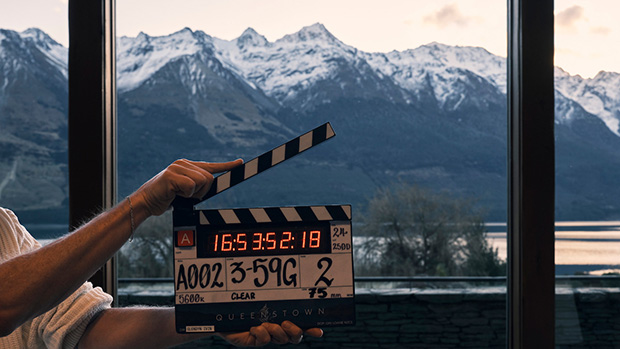
As the cameras begin to roll in the mountains of New Zealand, the industry is watching with bated breath. Queenstown is not merely a show about a ski resort; it is a test case for the future of New Zealand television.
By combining top-tier international acting talent with a locally rooted creative team, and backing the project with substantial financial and infrastructural support, Netflix has demonstrated a long-term commitment to the region. As the streaming wars continue to evolve, the ability to tap into authentic, diverse, and visually stunning local narratives will remain a key competitive advantage.
For the residents of Queenstown—and for the New Zealand screen industry as a whole—this production represents a unique opportunity to tell a story that is as ambitious as the landscape in which it is set. The series is currently in pre-production, with further casting and release date announcements expected in the coming months.
Stay tuned for further updates on the production of Queenstown, including exclusive interviews and behind-the-scenes insights as the project progresses.