
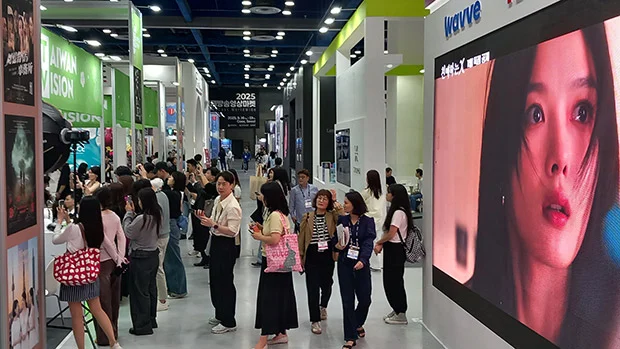
As the global media industry descends upon Seoul for the annual Broadcast Worldwide (BCWW) market, the mood is one of measured urgency. The South Korean government has officially unveiled its "2030 Broadcasting Vision," a sweeping, ambitious, and aggressively timed strategic roadmap designed to insulate the nation’s prolific television and streaming sectors from the encroaching dominance of international streamers.
In a move that signals a paradigm shift in how the government interacts with its most successful cultural export, the Ministry of Culture, Sports & Tourism has fast-tracked this seventh version of its policy framework—two years ahead of its original schedule. The message is clear: the "Hallyu" (Korean Wave) is at a crossroads, and only a radical restructuring of the industry’s financial and regulatory DNA will ensure its long-term survival.
The Strategic Blueprint: Fast-Tracking the Future
The decision to abandon the previous policy plan mid-cycle was driven by a mounting "sense of crisis" within the domestic sector. Despite the international prestige of K-dramas and films, the reality on the ground is stark: local production companies are struggling under the weight of skyrocketing production costs, a shrinking advertising market, and the disruptive influence of global over-the-top (OTT) platforms.
The 2030 Broadcasting Vision sets a target to grow the market size of the broadcasting and video sector to 30 trillion won (US$22 billion) by 2030, a 20% increase from the 25 trillion won recorded in 2024. More importantly, the government is aiming to triple annual K-content exports to US$3.06 billion by 2029, up from the US$1.25 billion generated in 2024.
This isn’t just about output; it is about empowerment. The ministry has set a concrete goal to double the number of independent production houses generating more than US$7.45 million in annual revenue to 27.8%, ensuring a more robust and self-sustaining ecosystem.
Chronology of the Crisis and Transformation
The path to this new vision has been paved with rapid market shifts that left the old policy frameworks obsolete.
- 2020–2023: The Streaming Gold Rush: The massive global success of hits like Squid Game placed Korean content on the world stage but inadvertently created a dependency on global platforms like Netflix and Disney+. While production budgets ballooned, the ownership of intellectual property (IP) often stayed with the platforms, limiting the long-term profitability for local creators.
- 2024: The Breaking Point: Rising labor costs, technical equipment shortages, and an oversaturated domestic advertising market forced the government to acknowledge that the status quo was unsustainable.
- Late 2025: The 2030 Vision Unveiled: Recognizing the urgency, the Ministry of Culture, Sports & Tourism scrapped the existing policy roadmap early, finalizing the "2030 Broadcasting Vision" just days before the BCWW conference to provide a clear signal of government intent to industry stakeholders.
- 2026–2028: The Implementation Phase: The government plans to roll out financial reforms, legal protections, and infrastructure upgrades, culminating in the launch of "K-VidCon" in 2028.
Financial Restructuring: Reclaiming Intellectual Property
A central pillar of the initiative is a sweeping financial restructuring aimed at helping local production outfits retain IP rights—the "crown jewels" of the industry. Currently, many creators are forced to surrender IP to secure the massive budgets required for high-end drama production.
To mitigate this, the ministry plans to construct a "financial firewall." By blending public funds, corporate loans, tax incentives, and direct production subsidies, the government intends to provide the capital necessary for local creators to independently fund up to 50% of their production costs. This is a direct shot across the bow of global streamers: if local companies can finance half of their projects themselves, their leverage during contract negotiations for the remaining half will be significantly bolstered, allowing them to retain a greater share of global revenue.
Embracing the New Media Landscape: Digital Creators and AI
In an unprecedented move for South Korea’s national broadcasting framework, the government is formally bringing independent online video creators and short-form digital media platforms into its regulatory and funding scope.
Recognizing that the next generation of "Hallyu" talent is being cultivated on YouTube, TikTok, and Instagram, the ministry is treating these creators as formal stakeholders. This includes:
- K-VidCon (2028): A new global convention designed to connect digital creators with international industry buyers, treating influencers and short-form creators with the same professional deference as traditional TV producers.
- Global Reach: The ministry will deploy public funds directly into localized dubbing and subtitling services, allowing local content providers to bypass international intermediaries and distribute directly into foreign markets.
- Infrastructure Upgrades: The state-backed virtual studio in Daejeon will receive a massive technological overhaul, and the Digital Magic Space facility in Seoul will be equipped with cutting-edge generative AI tools to lower the cost of post-production and visual effects.
Regulatory Shielding: The Legal Enforcement of Equity
The government is moving beyond mere incentives; it is rewriting the rules of the game. A major component of the plan involves the mandatory revision of standard industry contracts.
These new regulations will legally enforce revenue-sharing models. No longer will local producers be relegated to "work-for-hire" status. The government aims to protect smaller players from being bullied by the market dominance of global giants by standardizing terms that ensure fair compensation and profit-sharing, even when content is sold to global streamers.
Official Responses and Industry Implications
The Ministry of Culture, Sports & Tourism has been vocal about the necessity of this shift. In its official statement, the ministry noted that the broadcasting, video, and streaming sector is the "core engine" behind the global expansion of the Hallyu wave. However, they acknowledged that the very success of this wave has created a "heightened sense of crisis."
"The influence of global OTT services, coupled with the rapid emergence of new media, has forced us to reconsider our protective measures," said a ministry spokesperson. "We are not looking to close our doors; we are looking to ensure that the creators of our culture are the ones who benefit from its global success."
Implications for the Future
The implications for the domestic market are profound:
- For Independent Producers: This is a lifeline. By reducing reliance on global platforms for upfront financing, smaller firms will have the breathing room to build their own catalogues of IP.
- For Global Streamers: The era of "easy access" to Korean content at bargain-basement prices may be coming to an end. They will likely face more stringent negotiations and a more sophisticated local competitor set.
- For the Global Audience: Fans of K-content can expect a more diverse array of projects. With increased investment in digital creators and AI-assisted production, the speed and volume of high-quality Korean content are set to increase, even as the industry navigates this complex transition.
As delegates walk the floor of the BCWW this week, the "2030 Broadcasting Vision" will be the primary subject of every discussion. The challenge is immense, but the South Korean government has made its stance clear: the future of K-content will be defined not just by its global popularity, but by the strength, independence, and profitability of the domestic industry that creates it. The transition to this new model will be fraught with negotiation and growing pains, but the blueprint is set, and the race toward 2030 has officially begun.