In the rapidly evolving landscape of live-service gaming, few titles hold as much cultural weight as League of Legends. Since its inception, the MOBA giant has undergone countless iterations, visual overhauls, and mechanical shifts. However, a recent experiment by Riot Games—the introduction of "League of Legends Classic" to the Public Test Environment (PBE)—has reignited a passionate debate about the nature of nostalgia, game preservation, and the expectations of a player base that has spent over a decade watching their favorite game transform.
League of Legends Classic represents a bold, if initially rocky, attempt to distill the essence of the game as it existed in 2013 and earlier. By stripping back the bloated roster, restoring antiquated character kits, and reverting to older balance states, Riot is aiming to capture the lightning-in-a-bottle magic of the game’s formative years. Yet, the road to this "blast from the past" has been paved with unexpected friction, highlighting the complex relationship between developers and the communities that hold their legacy titles dear.
A Chronology of a Controversial Launch
The announcement and subsequent PBE deployment of League of Legends Classic were met with immediate, visceral reaction. When the mode first went live, it was intended as a tribute to the "good old days," but players quickly discovered a jarring disconnect between the promise and the delivery.
The Visual Discrepancy
While the gameplay mechanics reflected the desired era, the presentation did not. Players logged in to find their "classic" champions sporting modern high-fidelity character models, contemporary voice-over work, and updated, high-definition spell effects. The experience was described by many as "uncanny"—a marriage of 2024 technology with 2013 mechanics.
The backlash was swift. A thread on the League of Legends subreddit, spearheaded by user prime_desire, surged to over 6,000 upvotes in a matter of hours. The post, titled "League ‘not so’ Classic," served as a lightning rod for community frustration. The most contentious point of the criticism was Riot’s initial decision to lock the actual "classic" skins behind a paywall or a token-based grind. For a community expecting a pure, authentic throwback, the prospect of paying for the privilege of seeing a character as they originally looked was viewed as a tone-deaf monetization strategy.
The Rapid Reversal
Riot Games, known for its active community management, responded to the outcry with surprising speed. Within days of the PBE launch, Brian "FeralPony" Feeney, a prominent figure in the development team, addressed the concerns directly via a video blog on July 16. Acknowledging the "mixed reception," Feeney confirmed that the feedback had been heard loud and clear.
By July 17, the changes were implemented on the PBE: all classic skins were unlocked for all applicable champions, and these legacy appearances were set as the default visual state for the mode. This move effectively silenced the primary complaints regarding monetization and visual fidelity, signaling that Riot was willing to prioritize community sentiment over their initial design choices.
Understanding the "Greatest Hits" Philosophy
One of the most persistent questions surrounding the mode is why Riot opted for a "Frankenstein" approach to the game’s history. Instead of selecting a single, iconic patch—such as the infamous Season 3 balance state—Riot has chosen to curate a collection of "greatest hits" from the early years.
This decision, while frustrating to history purists, was rooted in extensive internal data. Feeney explained that player surveys yielded highly fragmented results. "The answers were almost identical," he noted. "League was classic the year they started playing, League was best the year after they started, and League was too old before they started."
The Challenge of Subjective Nostalgia
This realization presents a significant challenge: "Classic" means something different to every player. For a player who joined in 2010, the game looks radically different from the perspective of someone who started in 2013. By mixing elements from various patches, Riot is attempting to satisfy a broad demographic rather than alienating those who entered the ecosystem at different milestones.
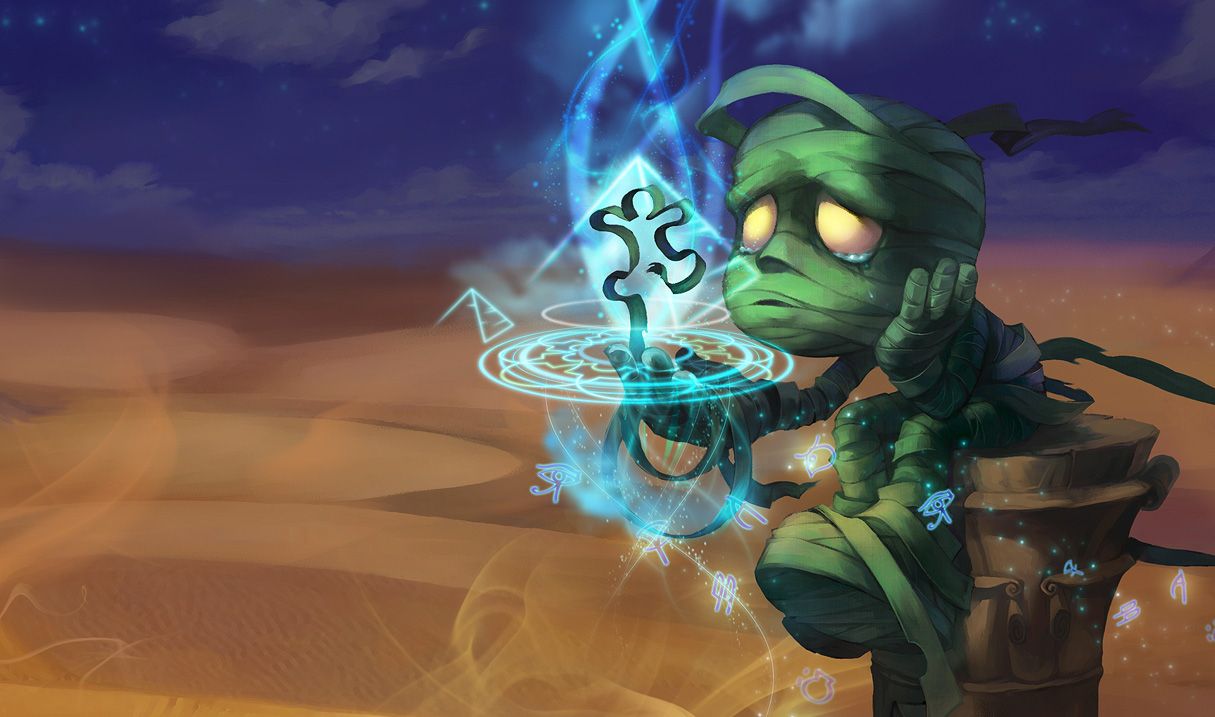
However, the developer has left the door open for future iterations. Once the mode moves from the PBE to standard servers, Riot intends to implement a voting system. This will allow the player base to influence which balance states, item builds, and kits receive priority in future updates, effectively turning the mode into a living, community-driven historical project.
Technical Implications: The Art of "Undoing"
Beyond the gameplay mechanics, the development of League of Legends Classic has been a massive undertaking for Riot’s art and engineering teams. Senior VFX artist Sirhaian, writing on X (formerly Twitter), reflected on the irony of the situation: "It’s been fun to basically undo my years of work."
The process of reverting modern visual effects to their legacy states is not as simple as flipping a switch. Over the last decade, Riot has completely overhauled the game engine, the lighting system, and the underlying code that dictates how particles and textures are rendered. Reintroducing older, lower-resolution assets into a modern, high-definition engine requires careful optimization to ensure the game remains stable while retaining that specific, nostalgic "feel."
This technical effort serves as a testament to the scale of the "Classic" project. It is not merely a server toggle; it is a dedicated attempt to reconcile the modern client’s technical requirements with the aesthetic constraints of the early 2010s.
The Broader Implications for Live-Service Gaming
The saga of League of Legends Classic is a fascinating case study for the entire live-service industry. As games like World of Warcraft, Old School RuneScape, and Final Fantasy XIV continue to demonstrate, there is a massive, untapped market for legacy content. However, the way that content is delivered matters.
Preservation vs. Modernization
The initial backlash highlights a recurring tension: players want the "soul" of an older game, but they often struggle to accept the technical limitations that came with it. Riot’s initial attempt to "modernize" the visuals was likely intended as a quality-of-life feature, under the assumption that players would prefer better-looking models. The community’s rejection of this proves that when players ask for "Classic," they are asking for the experience of the past, not a modern interpretation of it.
The Power of Community Feedback
Riot’s rapid pivot is a textbook example of effective crisis management in the gaming industry. By acknowledging the mistake, addressing the monetization concern immediately, and committing to the "authentic" aesthetic, they transformed a potential PR disaster into a collaborative effort.
What Lies Ahead
As the mode approaches its full release, the success of League of Legends Classic will likely be measured by its longevity. Will it remain a novelty, or will it become a permanent pillar of the League ecosystem? If the voting system for patches functions as intended, it could create a unique sandbox environment where players can finally settle the "which season was best" debates once and for all.
Furthermore, this experiment sets a precedent for how other studios might approach the "classic" dilemma. If Riot can successfully maintain a split between the modern competitive game and a curated, community-influenced legacy mode, it may encourage other developers to invest in similar preservation efforts.
Ultimately, League of Legends Classic is more than just a trip down memory lane. It is a recognition of the fact that a game belongs as much to its community as it does to its creators. Whether it succeeds as a long-term project remains to be seen, but the journey so far serves as a reminder that when it comes to nostalgia, the player’s voice is the most important metric of all. As the team continues to refine the experience, players are left waiting to see which era of the game will emerge as the definitive "classic" in the eyes of the community. One thing is certain: the conversation is far from over.