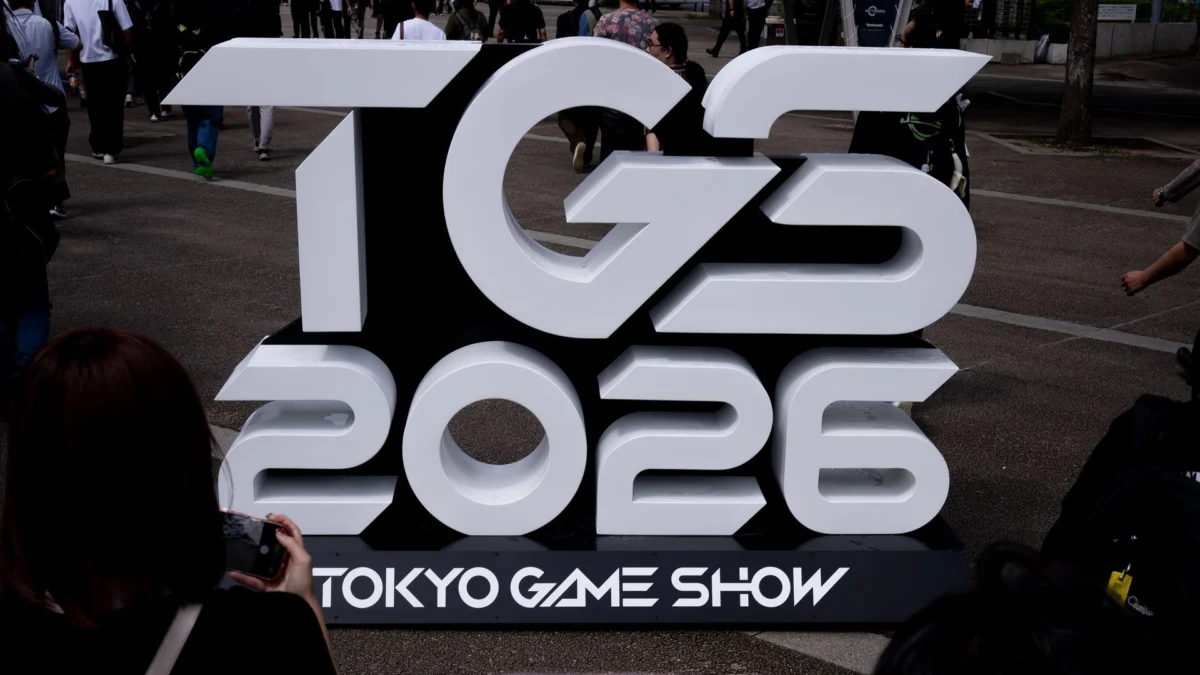
CHIBA, JAPAN — Organizers of the Tokyo Game Show (TGS) 2026 made the difficult decision to cancel the final day of the massive gaming exhibition, bringing a premature close to what was intended to be a historic, five-day celebration of the interactive entertainment industry. The cancellation of Monday, September 21, comes in the direct path of Typhoon Dujuan, the 25th named tropical storm of the 2026 Pacific typhoon season, which is forecasted to unleash severe weather across the Greater Tokyo Area and the wider Kanto region.
While the event floor remained open on Sunday, September 20—albeit under adjusted operations and with a watchful eye on the escalating weather patterns—thousands of attendees, international journalists, and industry developers now face sudden travel disruptions and altered itineraries. TGS management has confirmed that all tickets purchased for the canceled Monday session will be fully refunded, though questions remain regarding the logistical and financial impact on exhibitors who invested heavily in the landmark five-day expansion.
Main Facts: What Happened at TGS 2026
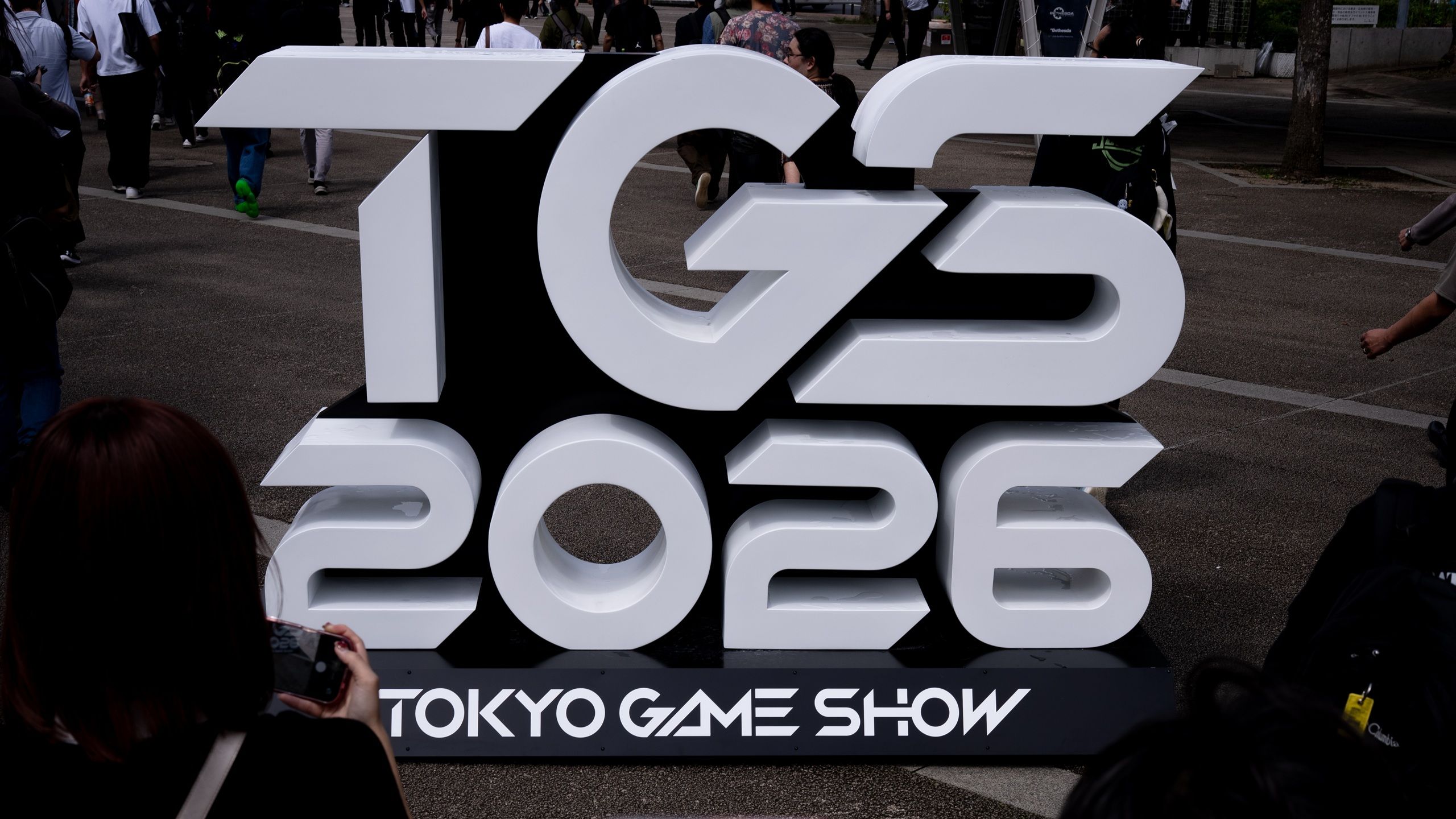
The abrupt curtailment of Tokyo Game Show 2026 marks a dramatic climax to one of the world’s premier video game conventions. Held annually at Makuhari Messe in Chiba, Japan, TGS usually operates as a four-day powerhouse blending business-to-business networking with massive public consumer exhibitions. For its milestone 30th anniversary run, however, organizers made the ambitious choice to extend the schedule to five days for the very first time.
Unfortunately, nature intervened. Typhoon Dujuan’s erratic and aggressive trajectory forced the hand of event coordinators, who weighed the economic benefits of the final day against the catastrophic liability of stranding tens of thousands of visitors in a major natural disaster.
- Event Impact: The final day (Monday, September 21) was completely canceled.
- Show Floor Status: Sunday, September 20, operated under heavily monitored conditions before the storm’s full impact took hold.
- Ticketing & Refunds: All visitors holding tickets for the final day are eligible for full refunds, with automated processing details distributed via the official TGS portal and social media channels.
- Exhibitor Status: Prominent publishers, hardware manufacturers, and indie developers who rented booth space for the fifth day are currently navigating logistical adjustments, though official compensation or alternative digital showcases have yet to be universally outlined.
Chronology: The Escalation of Typhoon Dujuan
The unfolding crisis developed rapidly over the weekend, transitioning from a routine weather watch to a mandatory emergency shutdown.
Friday, September 18: Opening Optimism
TGS 2026 kicked off with high energy, drawing massive crowds for its initial industry and press days. The atmosphere inside Makuhari Messe was celebratory, highlighted by major software reveals, hardware showcases, and the highly anticipated annual PC Gaming Show: Tokyo Direct, which beamed dozens of trailers and developer interviews out to a global audience.
Saturday, September 19: The Approaching Threat
As public attendance surged over the weekend, meteorological agencies began issuing severe warnings regarding Typhoon Dujuan. Originally tracked further out at sea, the storm accelerated and strengthened, locking its trajectory directly toward Japan’s central main island of Honshu. Organizers began emergency safety discussions late Saturday evening as wind speeds picked up along Chiba’s coastline.
Sunday, September 20: Last Call and Crisis Communication
By Sunday morning, the writing was on the wall. Recognizing that transportation networks would inevitably collapse by Sunday evening or Monday morning, TGS organizers published an official statement across their digital channels.
Writing via social media platforms, event management stated: "Due to the approach of Typhoon No. 25, strong winds and rain are expected to intensify in the afternoon and beyond, and disruptions to transportation are also a concern. Therefore, prioritizing the safety of all attendees, exhibitors, and related parties, as well as ensuring safe return home, we have decided to cancel the event for the entire day."
The show floor pushed through a truncated Sunday session, with publishers rushing to conclude final media appointments, pack away fragile booth displays, and evacuate staff before transit lines shut down entirely.
Supporting Data: The Meteorological and Infrastructural Reality
The decision to cancel a major economic event of TGS’s scale is never taken lightly, but the underlying data provided by Japanese meteorological and transport authorities justified the extreme precaution.
- Typhoon Dujuan Statistics: Dujuan is officially designated as the 25th named storm of the 2026 season. Weather models predicted the storm would dump upwards of 16 inches (nearly 400 millimeters) of torrential rainfall onto the Kanto region, making it one of the wettest landfalls of the year.
- Transportation Blackout: Anticipating the severe downpours and hurricane-force wind gusts, major transit arteries took preemptive measures. East Japan Railway Company (JR East) announced rolling suspensions across several key commuter and shinkansen (bullet train) lines.
- Aviation Disruptions: Nippon Airways (ANA) and Japan Airlines (JAL) grounded dozens of domestic and regional flights operating in and out of Haneda and Narita international airports, stranding thousands of inbound and outbound travelers right at the tail end of Japan’s autumn holiday period, commonly known as Silver Week.
Official Responses and Industry Reactions
The gaming industry’s response to the cancellation has been characterized by swift cooperation, public safety advocacy, and digital adaptation.
International media and domestic exhibitors immediately echoed the sentiment that human safety superseded commercial interests. Major corporate entities—including Japanese gaming giants and Western publishers alike—used their corporate social media channels to urge fans to stay indoors, echoing the official government advisories.
For digital media outlets, the pivot was instantaneous. Teams that were physically present on the ground to cover the event quickly transitioned their coverage strategies. For instance, the production crew behind the PC Gaming Show: Tokyo Direct successfully captured vital developer interviews and exclusive game trailers before the venue closed. Fans and industry observers who missed the live broadcasts can still access the complete Video On Demand (VOD) via YouTube, alongside comprehensive written breakdowns of every major reveal that managed to make it to air before the storm struck.
Implications: What the Cancellation Means for the Future of TGS
As the winds of Typhoon Dujuan clear and the Kanto region begins the process of recovery, industry analysts are already evaluating the long-term ramifications of this unprecedented closure.
1. The Experiment of the Five-Day Format
The decision to expand TGS 2026 from its traditional four-day window to a five-day marathon was viewed as a bold test of market demand. With the fifth day completely wiped out, the true commercial viability of a five-day TGS remains an open question. Organizers will undoubtedly review attendance figures, ticket sales, and operational expenditures from the four active days to determine whether to attempt a five-day run again in future years—or if karma, as some lighthearted commentators have joked, dictates that TGS is meant to remain a four-day affair.
2. Financial and Logistical Repercussions for Exhibitors
Exhibiting at Makuhari Messe represents a multi-million-dollar investment for major publishers. Renting floor space, constructing elaborate booths, hiring promotional staff, and shipping custom hardware are expenses that cannot easily be recovered. While ticket holders are guaranteed refunds, the financial burden placed on smaller independent developers and mid-tier publishers who lost a critical day of consumer engagement could be significant. Industry associations may need to establish more robust relief frameworks or insurance standards for weather-related cancellations moving forward.
3. The Resilience of Digital-First Pivots
If there is a silver lining to be found in the abrupt end of TGS 2026, it is the maturity of the industry’s hybrid infrastructure. Modern gaming conventions no longer rely solely on physical foot traffic to generate hype. Livestreams, digital press kits, and remote developer roundtables ensured that the vast majority of game announcements still reached global audiences unimpeded by the weather.
As physical events face increasingly volatile weather patterns driven by global climate shifts, the ability to seamlessly pivot from a crowded convention hall to a digital-first broadcast will remain an essential survival skill for the global gaming convention circuit.