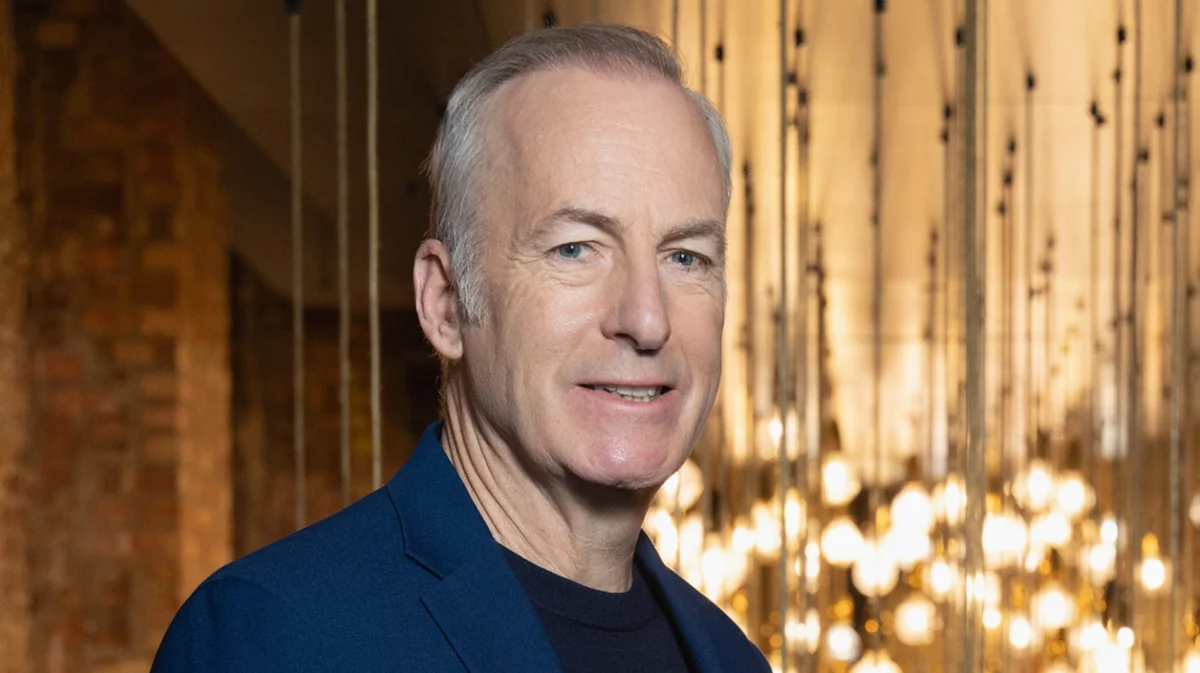
In an era defined by rapid technological shifts, social fragmentation, and the relentless noise of the digital age, the voices that cut through the static are rarely the loudest ones. Instead, they are often the most grounded. Bob Odenkirk, a titan of television who transitioned from the razor-sharp satirical sketches of Mr. Show to the gritty, high-stakes drama of Breaking Bad and Better Call Saul, has emerged as a philosopher of sorts for the modern viewer.
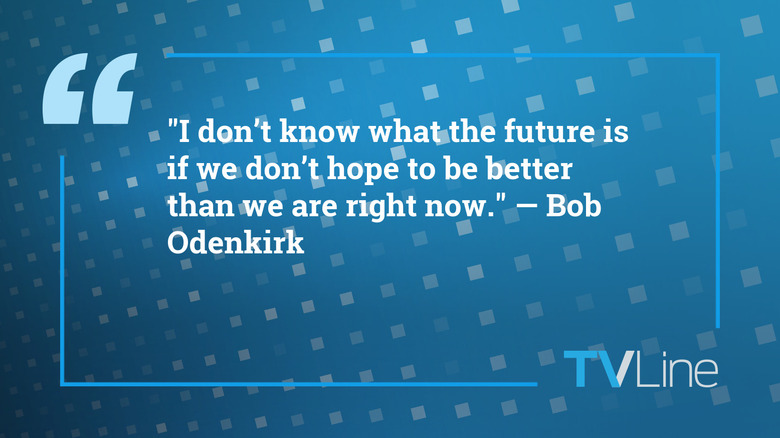
In a recent interview with The New York Times, Odenkirk offered a reflection that has since resonated across social media and cultural circles: "I don’t know what the future is if we don’t hope to be better than we are right now."
This statement is not merely a celebrity soundbite; it is a profound admission of human fallibility coupled with a call to action. As Odenkirk continues to navigate a career that spans four decades, his words serve as a poignant anchor for a public often weary of the "limitations of being a person."
The Main Facts: A Career of Constant Reinvention
Bob Odenkirk’s professional trajectory is nothing short of legendary. Initially recognized for his brilliance in the comedy writers’ room—contributing to iconic programs like Saturday Night Live and The Ben Stiller Show—Odenkirk underwent a seismic shift in public perception when he stepped into the role of Saul Goodman.
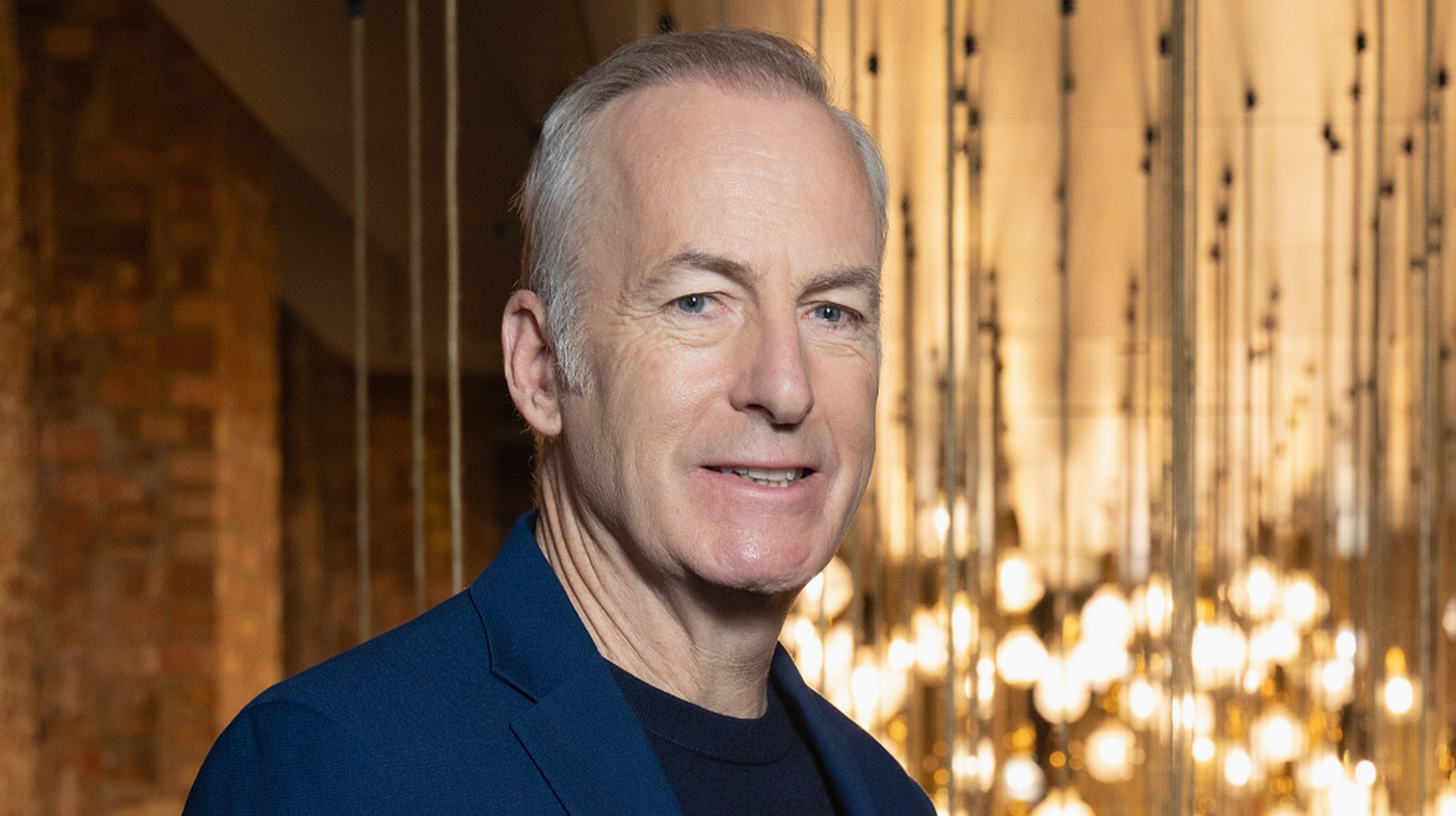
The character, a morally bankrupt, fast-talking attorney, became the linchpin for the Breaking Bad universe. Odenkirk’s performance was so nuanced that it birthed Better Call Saul, a prequel series that many critics argue surpassed its predecessor in emotional complexity. Over the course of its six-season run (2015–2022), Odenkirk garnered six Emmy nominations for Lead Actor in a Drama Series, cementing his status as one of the most versatile performers of his generation.
Following this, Odenkirk sought to subvert expectations again with the 2023 AMC series Lucky Hank, where he portrayed the grumpy, intellectual, and deeply flawed Hank Devereaux. While the show was canceled after its freshman season, it demonstrated Odenkirk’s refusal to lean on his past successes, favoring instead the "curious and worthwhile" projects he discusses in his latest interviews.
Chronology: From Comedy Roots to Existential Reflection
To understand the weight behind Odenkirk’s recent quote, one must look at the timeline of his evolution:
- 1990s: Odenkirk establishes himself as a pioneer of alternative comedy with Mr. Show with Bob and David, a series that deconstructed the very nature of sketches and television tropes.
- 2009: Odenkirk joins the cast of Breaking Bad, initially intended for a guest arc, but quickly becomes indispensable to the show’s narrative arc.
- 2015–2022: The era of Better Call Saul. This period saw Odenkirk refine his dramatic capabilities, moving from the comic relief of Breaking Bad to the tragic protagonist of the spinoff.
- 2023: Lucky Hank debuts, showcasing a quieter, more introspective performance style.
- 2026: In a wide-ranging New York Times profile, Odenkirk reflects on middle age, the nature of his craft, and the necessity of hope, providing the "Quote of the Day" that has sparked this renewed interest in his worldview.
The Anatomy of a Thought: Understanding the Quote
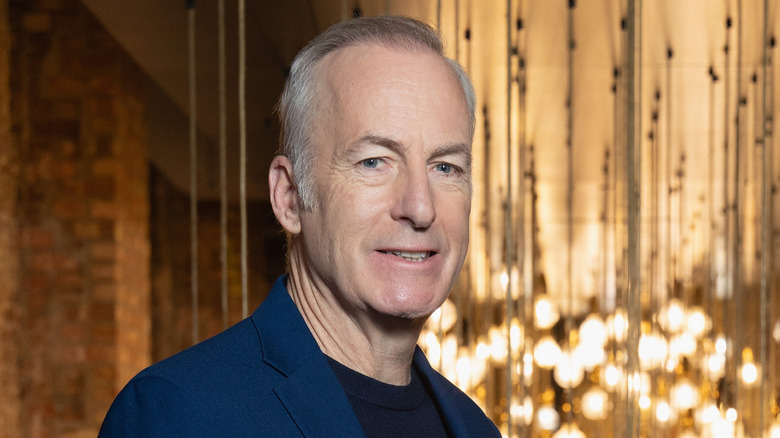
The full context of Odenkirk’s sentiment provides a clearer picture of his internal landscape. He told the Times, "I don’t know what the future is if we don’t hope to be better than we are right now. In the face of what I consider the limitations of being a person, which are strict and seem immutable, we’ve got to keep trying."
The "Bleak" Subtext
Unlike the toxic positivity often peddled by self-help gurus, Odenkirk’s perspective is rooted in a clear-eyed acknowledgement of human limitation. He does not suggest that we are inherently good; rather, he suggests that we are inherently limited. By accepting these constraints—our tendency toward selfishness, our fragility, and our mortality—we create the necessary space for true progress.
Hope as a Practical Tool
Odenkirk treats hope not as a fleeting emotion, but as a utility. If the "limitations" of humanity are "immutable," then hope is the only lever we have to move the needle. Without the aspiration to be better, the future becomes a static repetition of past mistakes.
Supporting Data: Odenkirk on the Craft of Being Human
Odenkirk’s philosophy is best contextualized by his own reflections on his work. When asked about his future during his 2026 interview, he noted, "The bigger question for me is, What do I do now? I guess I have to do what I’ve always done: look for the next thing that seems curious, worthwhile, surprising."
This iterative process—always looking for the next "curious" thing—is how he approaches life. He views the act of creation, particularly in comedy, as a transformative process. He argues that the joy of life is found in "turning [expletive] into gold." By taking the "horror" of human existence and refracting it through the lens of comedy or art, we provide comfort to one another.
Perhaps most striking is his take on sketch comedy: "I think sketch comedy… is the most profound expression of human existence there is. I don’t think any Kubrick movie or Freudian analysis or Shakespeare says as much about how humans operate… than sketch comedy." This highlights his belief that at our core, humans are absurd, and observing that absurdity is the highest form of analysis.
Official Responses and Cultural Implications
The public reaction to Odenkirk’s recent musings has been overwhelmingly positive, particularly among the generation that grew up watching him transition from the absurd humor of the 90s to the somber reflections of his later years.
Cultural critics have noted that Odenkirk occupies a unique space in Hollywood: he is a "working actor" who has achieved superstardom without losing his cynical, grounded edge. His refusal to offer "banal platitudes" is precisely what makes his words feel authoritative. In a world where celebrities often distance themselves from their fans through polished PR, Odenkirk’s vulnerability regarding the "strict and immutable" nature of human limitation feels refreshingly honest.
Conclusion: Why It Matters
As we move further into the decade, the pressure to "be better" is often framed as a demand for perfection—a standard that is impossible to meet. Bob Odenkirk offers a different path: the admission that we are fundamentally flawed, followed by the quiet, stubborn, and necessary choice to try anyway.
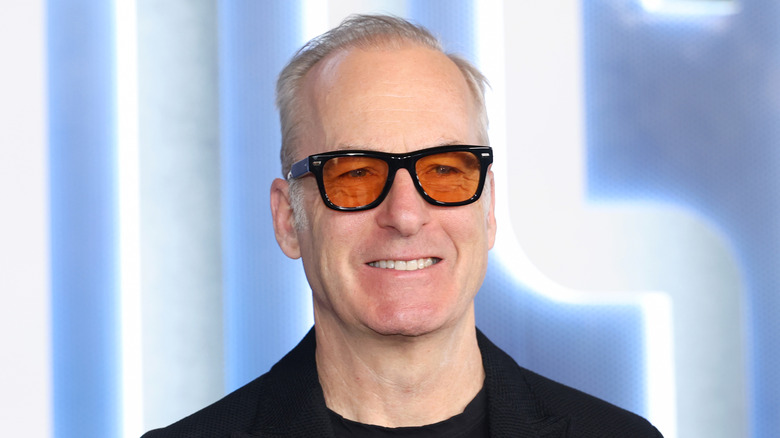
His career, spanning from the frantic, high-energy world of sketch comedy to the slow-burn psychological depth of his dramatic roles, serves as a testament to this philosophy. He has spent his life turning the "horror" of existence into something worthwhile. Whether it is through a perfectly timed joke or a devastatingly sad monologue as Saul Goodman, Odenkirk continues to show us that the future is not a destination we reach, but a project we must actively and hopefully build, one attempt at a time.
For anyone feeling the weight of the current moment, Odenkirk’s message is simple: you don’t have to be perfect. You just have to hope that, tomorrow, you might be a little bit better than you are right now.