Valve has officially rolled out a series of significant updates to the Steam storefront, aimed at refining the user experience for both gift-givers and avid collectors. By introducing flexible gifting options—including email-based delivery for non-Steam users—and a robust categorization system for wishlists, Valve is effectively lowering the barrier to entry for digital PC game purchases. These updates represent a strategic shift in how Valve manages its massive digital marketplace, moving away from restrictive account-to-account dependency and toward a more fluid, consumer-friendly model.
The Core Updates: A Breakdown of New Functionality
The latest changes to Steam are not merely cosmetic; they represent a fundamental change in how the platform interacts with external users and how power users manage their digital libraries.
1. The End of "Account-Locked" Gifting
Previously, gifting a game on Steam required the sender to be friends with the recipient on the platform. This often created friction, particularly for non-gamers attempting to purchase gifts for relatives or friends. With the new update, users can now send games directly via email. The recipient does not need an existing Steam account at the moment of purchase; they simply receive a link to claim the title. If the recipient does not claim the gift within 30 days, the purchase is automatically refunded to the sender, mitigating the risk of "lost" digital assets.
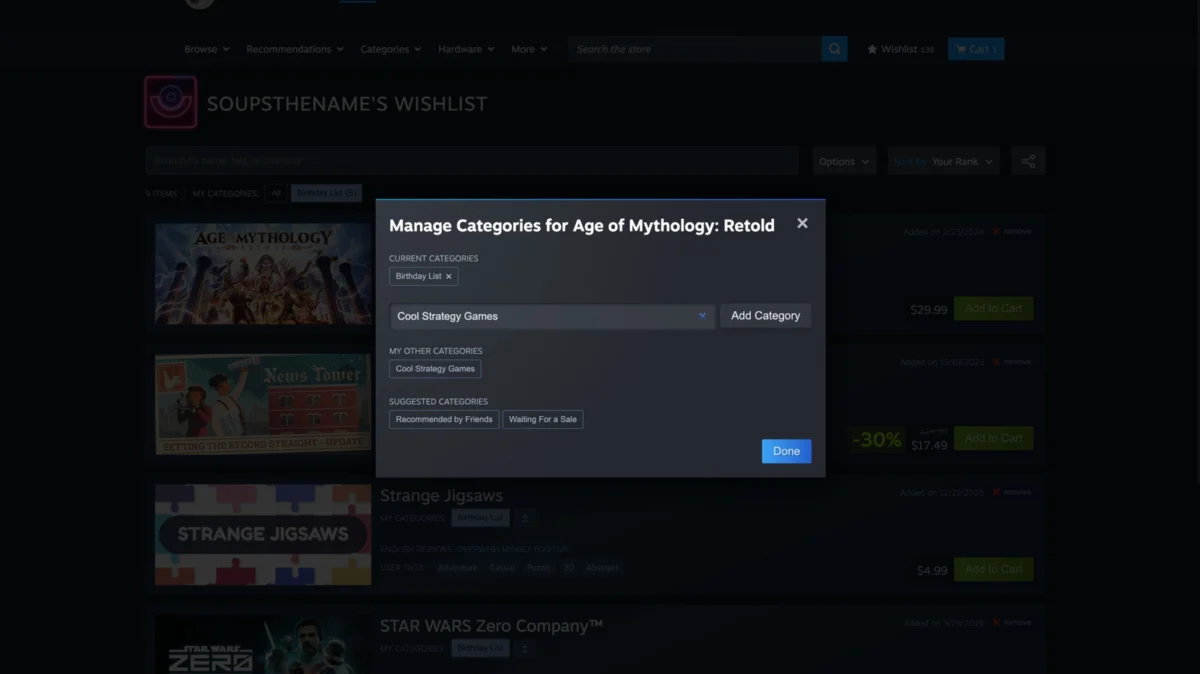
2. Wishlist Categorization
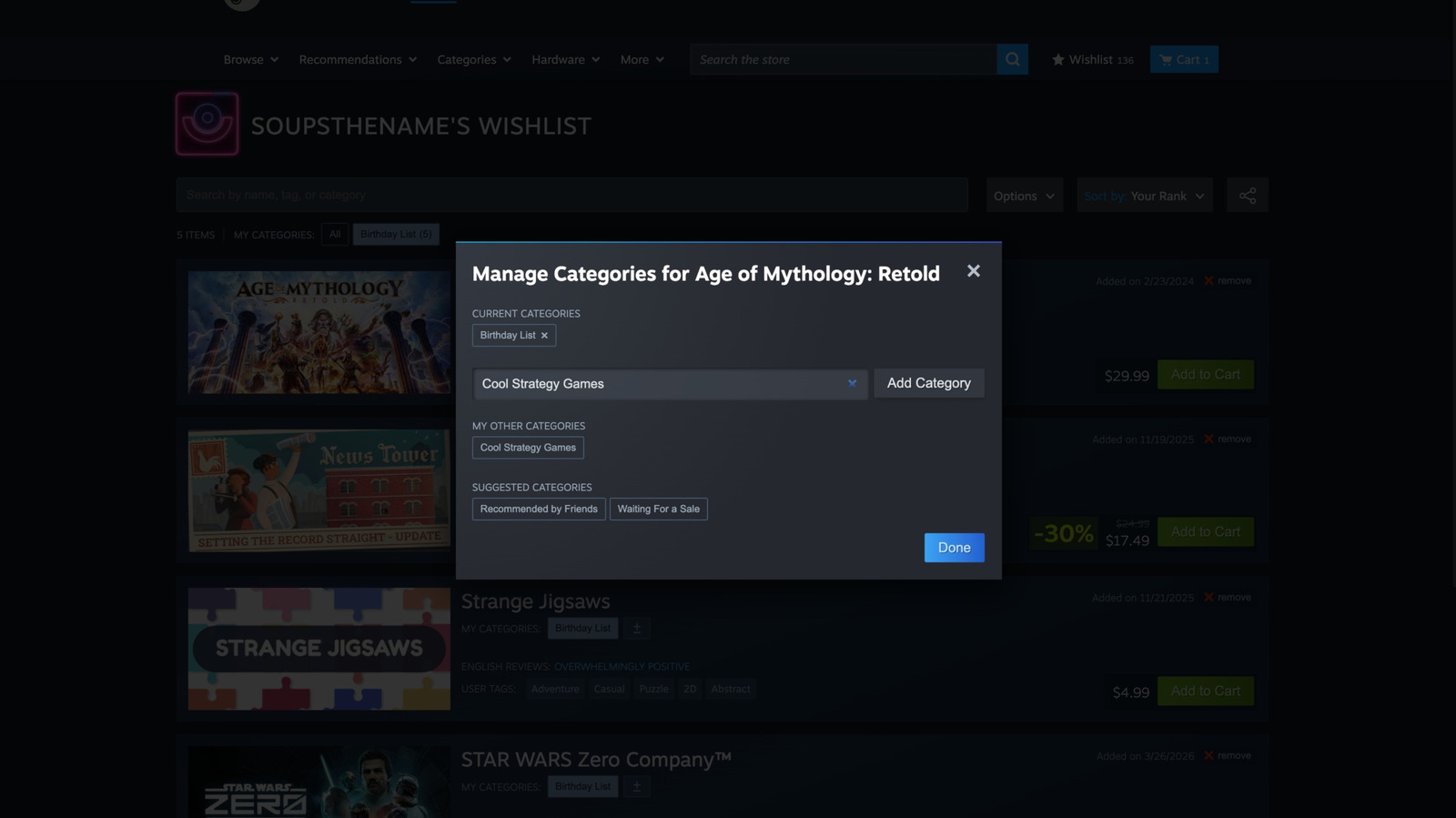
For years, the Steam wishlist has functioned as a single, often chaotic, vertical list of titles. With the new update, Valve has introduced a "folders and tags" system. Users can now create custom categories—such as "Upcoming RPGs," "Co-op Favorites," or "Waiting for Sale"—and sort their wishlist items accordingly. This system allows for granular control over notifications: users can now toggle sale alerts on or off for specific categories, ensuring that their inbox isn’t flooded with notifications for games they are no longer interested in.
3. Streamlined Guest Purchasing
Valve has expanded the utility of guest accounts. While previously limited to purchasing hardware or digital gift cards, the storefront now permits guest purchases of games. This removes the "login hurdle" for casual shoppers who may not have a Steam account but wish to purchase a game as a birthday or holiday present.
Chronology of Development: From Closed Garden to Open Marketplace
Steam’s evolution has been a long, deliberate process of balancing security with accessibility.
- The Early Era (2003–2010): In its infancy, Steam was a closed ecosystem designed strictly for digital distribution. Gifting was non-existent, and the platform served primarily as a launcher for Valve’s internal titles.
- The Social Expansion (2010–2015): As the platform grew, Valve introduced the "Friends" system and, subsequently, the ability to gift games between friends. However, this remained strictly tethered to the Steam platform, requiring both parties to be active, connected users.
- The Wishlist Pivot (2015–2022): The wishlist became a primary marketing tool for developers. Valve began using wishlist data as a key metric for determining store visibility, leading to a surge in its use by consumers. However, as users’ lists grew into the hundreds, the lack of organization became a prominent pain point.
- The Modern Utility Era (2023–Present): With these recent updates, Valve is acknowledging that the Steam storefront is no longer just for core gamers. By opening the gifting process to email and adding organizational tools to the wishlist, Valve is positioning itself as a consumer-friendly gift-giving destination, similar to major retail giants like Amazon or Target.
Supporting Data: Why Wishlists and Gifting Matter
Data from the digital storefront industry indicates that "frictionless commerce" is the primary driver of increased revenue. According to recent market analysis of digital storefronts:
- Conversion Rates: Stores that allow guest checkouts see a 20–30% increase in completion rates for first-time buyers.
- Wishlist Influence: Industry reports suggest that over 40% of all game purchases on Steam originate from a user’s wishlist. By allowing users to categorize these items, Valve is likely to see an increase in "sale conversion," as users can better track the prices of specific subsets of games.
- Gift-Giving Metrics: The gaming industry historically sees a 15% spike in sales during the holiday season. By making it easier for non-gamers to send gifts via email, Valve is tapping into a wider demographic of purchasers who were previously deterred by the technical requirement of creating a Steam account to send a single item.
Official Responses and Valve’s Design Philosophy
In a statement accompanying the update, Valve noted that the primary motivation was to reduce "purchasing anxiety."
"We recognize that our users are no longer just hardcore gamers; they are parents, friends, and family members who want to support their loved ones’ hobbies," a Valve representative explained. "By decoupling the gifting process from the rigid requirement of being ‘Steam friends,’ we are acknowledging that the digital storefront is a community, not just a walled garden."
Regarding the wishlist updates, Valve engineers emphasized that the change was in response to "community feedback regarding list bloat." Users with wishlists containing over 500 games were finding the platform difficult to navigate. The new filtering system, which allows users to hover over titles to see trailers and check for the presence of playable demos, is designed to keep users engaged within the store for longer periods, effectively turning the wishlist into a personalized browsing experience.
Implications: The Future of the Steam Storefront
The implications of these changes are far-reaching for both developers and consumers.
For Developers and Publishers
Developers should view the new wishlist categorization as a critical marketing opportunity. Because users can now toggle notifications for specific categories, developers should ensure their games are accurately tagged within the store. Furthermore, the ability for users to quickly check for demos from the wishlist page may incentivize developers to prioritize releasing free trials, as this is now a featured element of the browsing experience.
For the Consumer
The most significant implication for the consumer is the restoration of order to their digital lives. With the gaming industry releasing thousands of titles annually, the "backlog" problem has become a cultural phenomenon. By allowing users to organize their interest list, Steam is helping players manage their consumption habits.
The Competitive Landscape
This update also serves as a strategic response to competitors like the Epic Games Store and various subscription services (such as Xbox Game Pass). While Steam has always maintained a dominant market share, it has faced criticism for being "cluttered." By refining its UI and simplifying the buying process, Valve is defending its position as the premier PC storefront. The company is effectively saying that while subscription services offer "all-you-can-eat" content, Steam offers the most polished, user-centric purchasing experience.
Conclusion
Valve’s latest updates represent a mature phase in the company’s history. The transition from a utilitarian distribution platform to a modern, user-friendly storefront is now nearly complete. By simplifying the gifting process to reach outside the platform’s walls and providing powerful organizational tools for the wishlist, Valve has reinforced its commitment to maintaining Steam’s status as the industry standard. For the average user, the result is a cleaner, more intuitive, and ultimately more efficient way to navigate the ever-expanding world of PC gaming. Whether you are a casual gift-giver or a power-user with a wishlist in the thousands, these changes ensure that your interaction with the Steam store is more meaningful and less of a chore.