The intersection of modern cultural politics and Hollywood blockbusters has once again taken center stage. On a recent episode of ABC’s daytime talk show The View, co-host Whoopi Goldberg mounted a spirited defense of Oscar-nominated actor Elliot Page. Page’s casting in Christopher Nolan’s highly anticipated cinematic adaptation of The Odyssey has become the latest lightning rod for conservative commentators, most notably Daily Wire co-founder Ben Shapiro.
As the film continues to shatter box office records globally, the controversy highlights a growing disconnect between online culture-war rhetoric and the commercial reality of theatrical cinema. Goldberg used her platform to challenge the motives of those criticizing the casting, while simultaneously questioning the weaponization of the term "woke" in contemporary political discourse.
1. Main Facts: The Casting Controversy and Goldberg’s Rebuttal
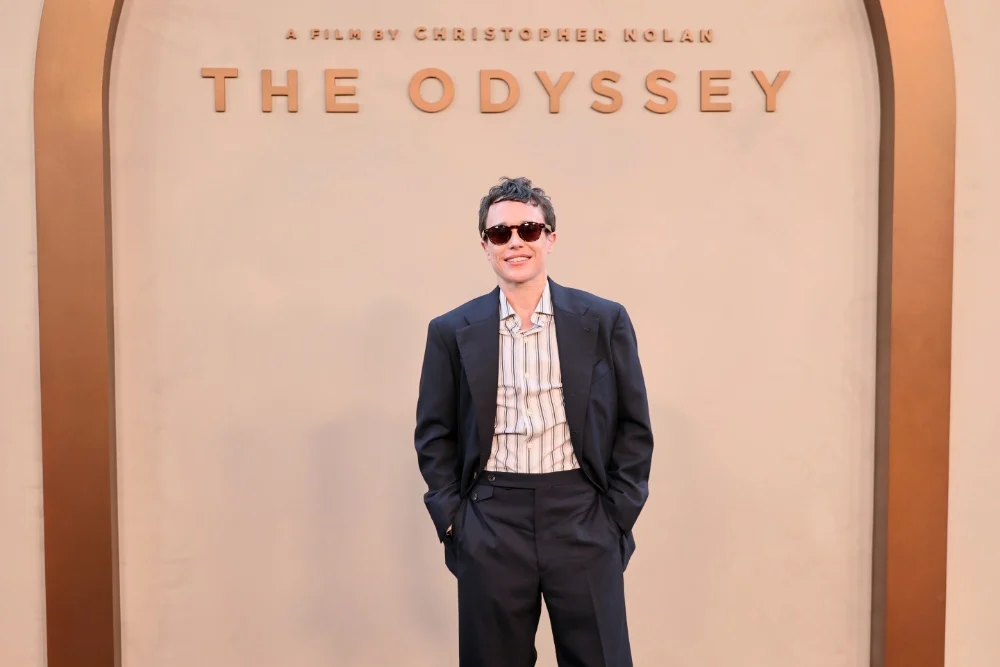
At the heart of the debate is Elliot Page’s supporting role in The Odyssey, Christopher Nolan’s big-budget adaptation of the ancient Greek epic. Page portrays Sinon, a character depicted in the film as a cousin to the protagonist Odysseus, played by Academy Award winner Matt Damon.
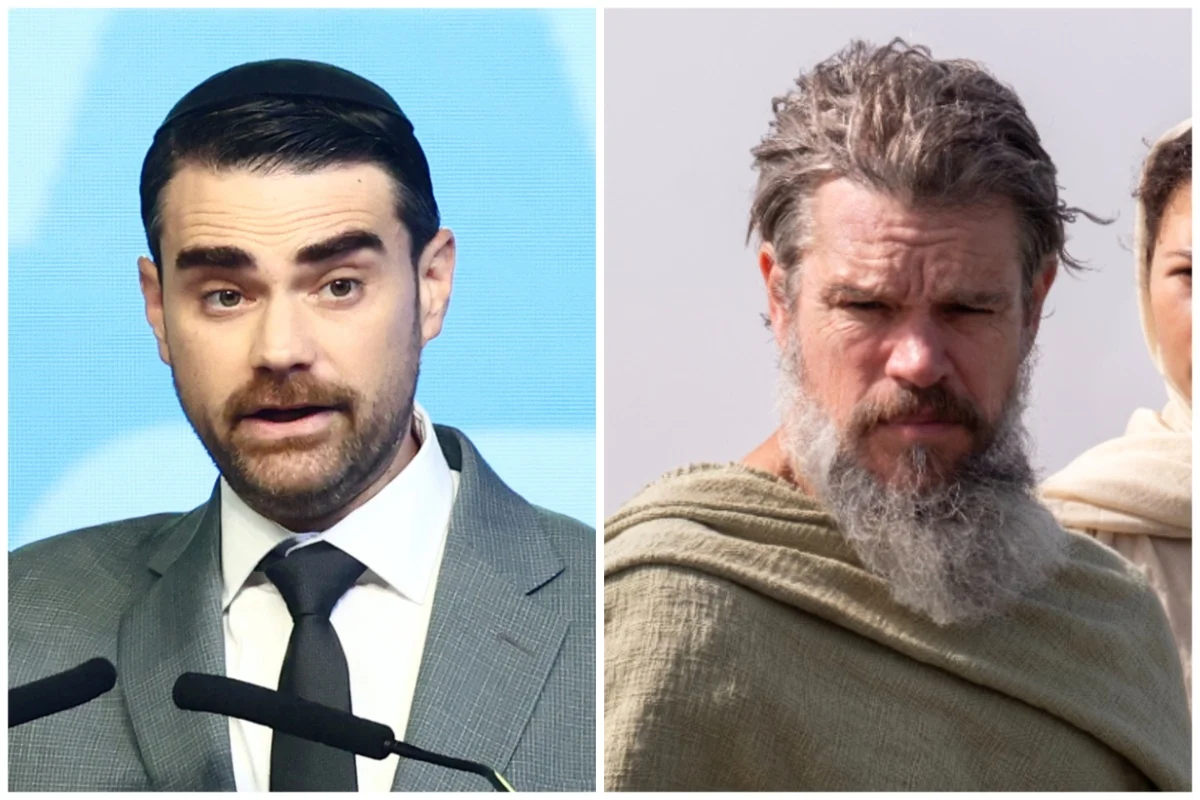
Following the film’s release, conservative political commentator Ben Shapiro published a video segment criticizing Page’s casting. Shapiro characterized the decision as an "absolute puzzler," pointing to Page’s physical attributes—describing him as "about 5’2 and 105 pounds soaking wet"—and claiming that his voice "doesn’t work" for the role.
   Ben Shapiro's Criticism                 Whoopi Goldberg's Response
┌─────────────────────────────┐         ┌────────────────────────────────┐
│ • Questions physical fit    │  VS.    │ • Advocates for viewer choice  │
│ • Focuses on height/voice   │         │ • Rejects "woke" labeling      │
│ • Calls casting a "puzzler" │         │ • Defends creative casting     │
└─────────────────────────────┘         └────────────────────────────────┘
Goldberg addressed these comments directly on The View, dismissing the outrage as performative and unnecessary.

"A lot of conservatives who see this are going to feel the same way," Goldberg said during the broadcast. "That’s okay. But I don’t understand. Why go see the movie? If you don’t want to see it, don’t go see it. Why do you care who’s cast in it?"
Beyond defending Page, Goldberg expanded her critique to address the broader political vocabulary used by conservative critics, arguing that the label "woke" has been stripped of its original meaning and is now used to disparage everyday individuals who are simply trying to live their lives, obtain an education, and support their families.
2. Chronology of the Controversy: From False Rumors to Box Office Triumph
The backlash surrounding The Odyssey did not begin with the film’s release; rather, it was the product of a multi-stage cycle of internet rumors, high-profile social media amplification, and subsequent media coverage.
[Pre-Production] ──> [False Rumors] ───> [Official Reveal] ───> [Film Release] ───> [Media Clash]
  Nolan plans          Page rumored        Page cast as          Global box          Shapiro vs.
  "The Odyssey"        as Achilles         Sinon (Cousin)        office boom         Goldberg
Phase 1: Pre-Production and the "Achilles" Rumors
During the early casting phases of Nolan’s production, unverified rumors began circulating on social media platforms, particularly X (formerly Twitter). Speculation falsely claimed that Elliot Page had been cast as Achilles, the legendary, hyper-masculine warrior of the Trojan War.
This rumor quickly went viral, drawing condemnation from right-wing commentators and high-profile figures. Tech billionaire Elon Musk was among those who publicly engaged with and amplified these early complaints, using the rumor to criticize modern Hollywood casting practices before any official casting details had been confirmed by Universal Pictures or Nolan’s production team.

Phase 2: Targeted Backlash Against Lupita Nyong’o
Simultaneously, Oscar-winning actress Lupita Nyong’o’s involvement in the project was met with a parallel wave of hostility. Online critics targeted Nyong’o with racially charged objections to her casting in a mythological narrative historically associated with ancient Greece. Despite the online friction, both casting decisions remained locked as production proceeded under Nolan’s notoriously secretive direction.
Phase 3: The Official Reveal and Character Context
When The Odyssey finally debuted in theaters, the true nature of Page’s role was revealed. Rather than playing the formidable warrior Achilles, Page was cast as Sinon. In classical mythology, Sinon is the Greek soldier who remains behind to deceive the Trojans into bringing the wooden horse within their city walls. In Nolan’s narrative framework, Sinon is portrayed as a vulnerable, highly strategic cousin of Odysseus.
Phase 4: The Post-Release Critique and Rebuttal
Following the film’s opening weekend, Ben Shapiro released his critique of Page’s performance, focusing heavily on Page’s physical stature. This prompted Goldberg’s defense on The View, bringing the cinematic discourse into the mainstream daytime television arena and cementing the film’s status as a cultural flashpoint.
3. Supporting Data: Box Office Performance and Critical Reception
Despite the intense online scrutiny and calls for boycotts from certain political factions, the financial and critical data indicates that the backlash had no negative impact on the film’s commercial performance.
Box Office Milestones
Christopher Nolan’s The Odyssey has achieved historic commercial success, securing the largest global opening weekend of the director’s acclaimed career.

- Global Box Office: Passed the $300 million mark within its initial release window.
- Opening Performance: Surpassed Nolan’s previous career-high openings, including The Dark Knight Rises and Oppenheimer.
- Audience Demographics: Maintained strong attendance across both domestic and international markets, indicating broad-based appeal that transcended localized political debates.
| Film Title | Global Box Office Milestone (Initial Run) | Key Casting Controversies |
|---|---|---|
| The Odyssey | $300M+ (Ongoing) | Elliot Page, Lupita Nyong’o |
| Oppenheimer | $950M+ | Minimal casting disputes |
| Dunkirk | $527M | None |
Critical Reception
Industry critics largely praised Nolan’s casting choices, noting that the performances subverted traditional sword-and-sandal tropes. In its review, Variety praised Page’s performance, describing his portrayal of Sinon as "tersely vulnerable."
This critical assessment directly counters the arguments made by online detractors. Rather than requiring a physically imposing actor, the role of Sinon—a character defined by deception, intellect, and emotional manipulation—benefited from Page’s understated, vulnerable screen presence.
4. Official Responses and Public Discourse
The debate over The Odyssey highlights two fundamentally different views on casting, representation, and the purpose of modern filmmaking.
The Conservative Critique: Ben Shapiro
Ben Shapiro’s critique focused on the concept of physical verisimilitude in historical and mythological cinema. By emphasizing Page’s height, weight, and vocal register, Shapiro argued that the casting disrupted the suspension of disbelief required for an epic narrative set in the Bronze Age.
"It doesn’t work," Shapiro asserted, arguing that audiences would struggle to accept Page as a credible figure within the harsh, militaristic environment of the Trojan War, even in a non-combatant role like Sinon.

The Mainstream Defense: Whoopi Goldberg and The View
Goldberg’s response on The View reframed the issue around consumer choice and creative freedom. She argued that casting decisions belong entirely to the filmmakers and that audiences hold the ultimate power of veto through their ticket purchases.
"If you don't want to see it, don't go see it. Why do you care who's cast in it?"
— Whoopi Goldberg, "The View"
Goldberg also addressed the linguistic evolution of the word "woke," expressing frustration with how the term is used to criticize casting choices:
"The term gets thrown at ordinary people just trying to hold down jobs, raise families, and get an education, not at anyone pushing an agenda."
5. Implications for the Film Industry and Culture Wars
The controversy surrounding The Odyssey and its subsequent box office triumph offers several key insights into the current state of the entertainment industry and the mechanics of modern cultural discourse.
The "Outrage Disconnect" in Box Office Economics
The financial success of The Odyssey adds to a growing body of evidence suggesting that online review-bombing campaigns and social media boycotts rarely translate into real-world box office failures. Much like Greta Gerwig’s Barbie or casting decisions in various Disney live-action projects, high-profile projects from established filmmakers often possess a level of brand equity that insulates them from internet-driven political campaigns.

The Power of the Auteur
Christopher Nolan’s position in Hollywood grants him a level of creative autonomy shared by very few contemporary directors. By casting actors like Elliot Page and Lupita Nyong’o in an epic adaptation, Nolan demonstrated that his personal brand—associated with high-concept storytelling and cinematic scale—is the primary draw for audiences, regardless of casting controversies.
Evolution of Transgender Representation in Hollywood
Elliot Page’s casting in a major studio film of this scale represents a significant moment for transgender actors in Hollywood. Rather than being confined to trans-specific roles or indie dramas, Page’s inclusion in a mainstream, historically-inspired epic indicates that major directors are willing to cast trans actors in high-profile, gender-conforming roles based on their dramatic capabilities rather than their gender identity.
Ultimately, the clash between The View and conservative commentators over The Odyssey reflects a larger struggle over cultural representation. However, as long as audiences continue to purchase tickets in record numbers, Hollywood’s leading filmmakers are likely to maintain their creative choices, prioritizing artistic vision over online commentary.