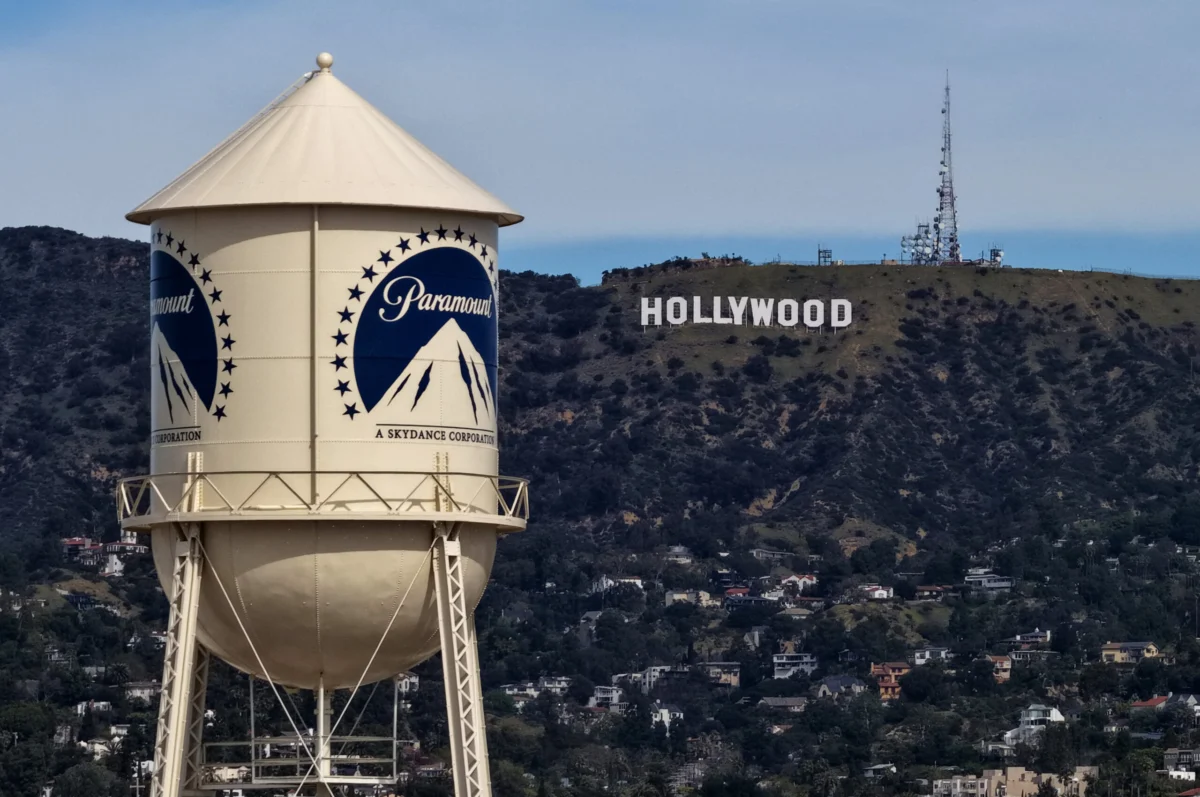
The landscape of American media consolidation faces a significant, if not existential, challenge this week as the proposed $111 billion acquisition of Warner Bros. Discovery (WBD) by Paramount Global remains effectively frozen. U.S. District Judge Araceli Martínez-Olguín has extended a temporary restraining order (TRO) for an additional 14 days, effectively pushing any potential deal closure to at least August 18. This judicial intervention marks a pivotal moment in one of the largest corporate mergers in entertainment history, pitting the immense financial ambitions of legacy media giants against a multi-front legal assault led by state regulators and labor unions.
The Core Conflict: Market Dominance vs. Antitrust Protections
At the heart of the litigation is the question of market concentration. A coalition of states has moved to block the acquisition, arguing that the merger would create an insurmountable monolith in both theatrical distribution and cable licensing. The states contend that the consolidation of Paramount and WBD would "substantially throttle competition," violating established antitrust statutes designed to protect consumers and creators from monopolistic pricing and distribution practices.
The legal strategy employed by the states rests on the assertion that a combined entity would hold an outsized influence over "wide-release" theatrical content and premium cable licensing. By controlling a vast library of intellectual property and controlling a significant percentage of the market’s distribution channels, the combined firm could theoretically squeeze out independent distributors and dictate terms to theater chains and cable providers, stifling the diversity of content available to the public.
A Chronology of the Legal Battle
The legal maneuvers have unfolded with rapid intensity over the past several days:
- Monday: The U.S. District Court granted the states’ petition to issue a TRO, effectively placing the merger in a state of suspended animation. This move forced an immediate halt to the integration process.
- Tuesday/Wednesday: Intense legal "jockeying" ensued. Paramount’s legal team, led by high-profile attorney Jeffrey Kessler, moved to secure a three-day evidentiary hearing for next month. Paramount’s goal is to present expert testimony to challenge the states’ narrow market definitions.
- Thursday: The court rejected an accelerated timeline for a full trial but extended the TRO until August 18, allowing for further discovery and the scheduling of arguments regarding a preliminary injunction.
- August 3 (Upcoming): The court is set to hear formal arguments regarding the motion for a preliminary injunction. Should this injunction be granted, the merger will remain frozen indefinitely until a full trial can be completed, potentially pushing the deal far beyond its contractual expiration dates.
The Economic Stakes: The $6.9 Million "Ticking Fee"
For Paramount, the timeline is not merely a legal hurdle; it is a significant financial liability. The merger agreement contains a "ticking fee" clause—a common feature in multi-billion-dollar deals—that imposes a penalty of $6.9 million for every day the deal remains unclosed past September 30.
Paramount has expressed a clear desire to move quickly, arguing that the states’ concerns are based on "faulty" market analysis. In court filings, Kessler argued that the company must be given the opportunity to present evidence regarding "real-world competitive dynamics" and "barriers to expansion." The company maintains that the synergy provided by the deal will actually increase efficiency rather than reduce competition, but they are fighting against a clock that is ticking toward an October financial hemorrhage.
Labor Opposition: The WGA Perspective
The legal opposition is not limited to state regulators. The Writers Guild of America (WGA) has launched a separate, parallel legal challenge. The union’s suit highlights a different facet of the merger’s impact: the erosion of labor power.
The WGA argues that a merger of this scale will inevitably lead to "lower compensation and worse deal terms" for writers. By reducing the number of major studios, the union contends, the merger decreases the number of potential buyers for creative scripts and labor services, effectively creating a monopsony (a market with only one buyer). This concentration of power, the union argues, would grant the studio immense leverage to lower standard residuals, reduce project budgets, and tighten control over creative intellectual property rights.
Implications for the Future of Media
The implications of this case extend well beyond the balance sheets of Paramount and Warner Bros. Discovery. If the court grants the preliminary injunction on August 3, it would signal a more aggressive stance by the judiciary toward media consolidation—a trend that has been notably absent in the industry for the last two decades.
1. The Precedent for "Unwinding"
Paramount has signaled that if a preliminary injunction is not granted, they intend to proceed with the deal. This leaves the states in the precarious position of having to sue to "unwind" the merger post-facto. Historically, unwinding a completed merger—where departments have been merged, assets sold, and operations integrated—is an administrative and legal nightmare. This makes the upcoming decision on the injunction the most important event in the case.
2. Redefining Market Competition
The court’s decision will likely hinge on how it defines the "market." If the judge accepts the states’ view that theatrical distribution and cable licensing are specific, narrow markets, the case against the merger becomes much stronger. If the court accepts Paramount’s argument that streaming services and social media have rendered these traditional markets obsolete, the merger may be permitted to proceed.
3. The Future of Big Media Mergers
The success or failure of this acquisition will serve as a bellwether for other legacy media companies looking to consolidate. As streaming competition from technology giants like Apple, Amazon, and Google intensifies, traditional studios have argued they need to merge to survive. This case tests whether that "survival" narrative holds legal weight against established antitrust principles.
Official Responses and Strategic Positioning
Paramount’s legal team remains steadfast in their public messaging, asserting that their expert witnesses will demonstrate that the states’ calculations are mathematically and economically flawed. They argue that the market for theatrical content is broader than the states acknowledge, including digital platforms and global distribution networks that prevent any single entity from monopolizing the landscape.
Conversely, the states remain committed to their original complaint, emphasizing that the sheer size of the combined entity—in terms of intellectual property control and market share—is inherently anti-competitive. They view the attempt to force a three-day evidentiary hearing as a stalling tactic by Paramount to push the deal to completion before the full scope of the merger’s impact can be analyzed.
Conclusion
As August 3 approaches, all eyes remain on the courtroom of Judge Martínez-Olguín. The outcome of the upcoming arguments will determine not only the fate of the $111 billion Paramount-WBD deal but also the future regulatory environment for the entire entertainment industry. With billions in "ticking fees" at stake, thousands of unionized jobs concerned about the future of contract negotiations, and the very structure of Hollywood distribution on the line, this case has become the most significant antitrust battle of the digital age.
Whether the court chooses to prioritize the financial velocity of a massive corporate merger or the potential long-term damage to market competition remains to be seen. What is certain, however, is that the era of unfettered media consolidation is facing a reckoning.