The landscape of personal computing is on the cusp of a significant transformation. As Google prepares to sunset the traditional Chromebook identity in favor of its ambitious "Googlebook" platform, industry anticipation has reached a fever pitch. While the official unveiling is slated for a September 15 media event in New York City, a series of detailed leaks has peeled back the curtain on the hardware leading the charge. Chief among these is the Lenovo Googlebook 15, a machine that aims to redefine the performance ceiling for Google’s browser-centric ecosystem.
Main Facts: A Premium Shift in Hardware
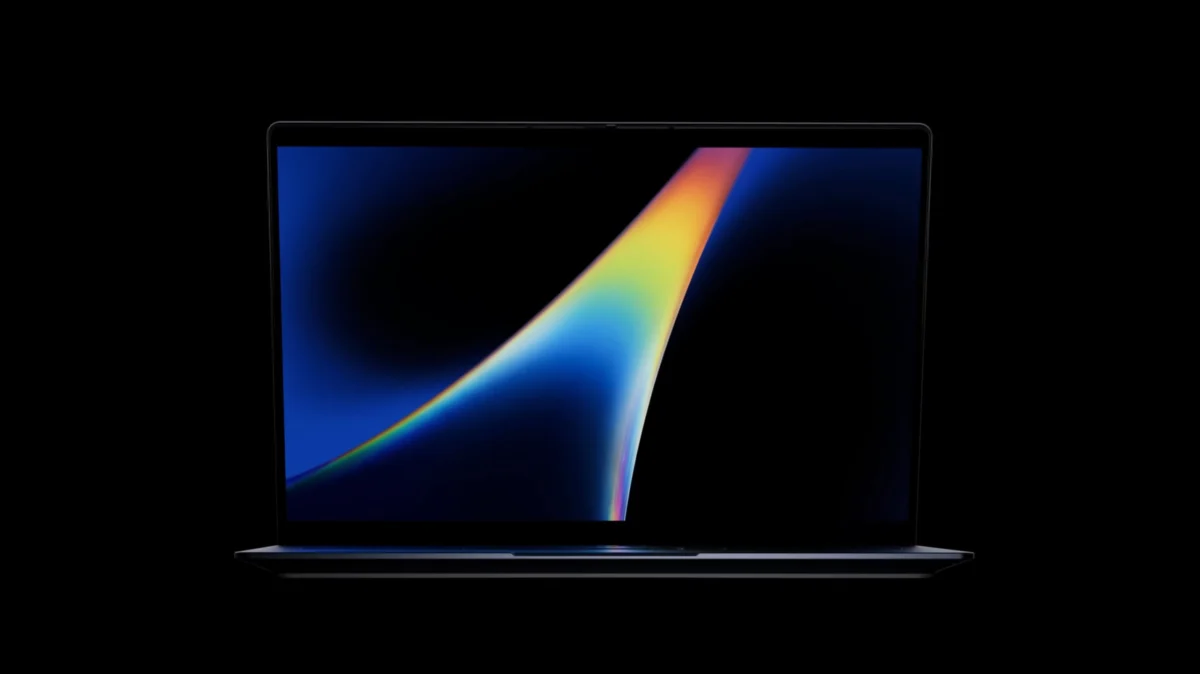
The Lenovo Googlebook 15 represents a departure from the "budget-first" philosophy that historically defined the ChromeOS market. According to reports from MacObserver, this flagship device is engineered to compete directly with premium Windows ultrabooks and high-end MacBooks, rather than serving as an entry-level educational tool.
At the heart of the device lies a stunning 15.3-inch OLED display. This panel is not merely large; it is specified with a 2,880 x 1,800 resolution and a 120Hz high-refresh rate, ensuring fluid motion and crisp text rendering. With a peak brightness of 500 nits, the display is positioned to be usable in challenging lighting conditions, from bright office environments to sunlit cafes.
Under the hood, the device moves away from the entry-level Celeron or Pentium processors often associated with low-cost laptops. Instead, the Googlebook 15 utilizes Intel’s cutting-edge Core Ultra 5 series processors. This move to the "Meteor Lake" architecture suggests that Google is prioritizing local AI processing capabilities and thermal efficiency, allowing the device to handle complex background tasks without sacrificing battery life. Complementing the processor are robust memory configurations—16GB or 32GB of LPDDR5x RAM—paired with high-speed SSD storage options of 256GB or 512GB.
Chronology: The Road to the Googlebook Platform
The transition from Chromebook to Googlebook has been a slow-burn strategy. To understand the significance of this shift, one must look at the timeline of Google’s hardware evolution:
- Early 2023: Rumors begin to circulate regarding Google’s dissatisfaction with the market perception of Chromebooks, which were increasingly viewed as "disposable" devices for students.
- Late 2023: Google introduces the "Chromebook Plus" initiative. This was the first major step toward standardization, setting a "floor" for specifications: 8GB of RAM, 128GB of storage, and modern processors capable of running localized AI features.
- Mid-2024: Google officially announces the "Googlebook" platform—a rebranding that emphasizes a more cohesive, Android-based operating environment. The focus shifted from simple web browsing to a seamless ecosystem that mirrors the capabilities of modern smartphone and desktop convergence.
- August 2024: Industry news outlets, including ChromeUnboxed, confirm that Google has scheduled a high-profile launch event for September 15 in New York City to debut the first wave of hardware.
- September 2024: Leaks regarding the Lenovo Googlebook 15 emerge, showcasing a clear divide between the "Googlebook" premium tier and the legacy Chromebook market.
Supporting Data: Why Specs Matter in the AI Era
The jump from the standard Chromebook to the Googlebook 15 is not just about vanity metrics; it is about architectural necessity. The integration of Gemini Intelligence, Google’s proprietary AI engine, requires significantly more "headroom" than a traditional browser-based laptop would typically need.
The "Magic Cursor" and Local Processing
One of the most touted features of the new platform is the "Magic Cursor." This tool transforms the standard mouse interface into a contextual AI prompt tool. When a user highlights a block of text or an image, the cursor offers instant interaction options via Gemini—such as summarizing a document, rephrasing an email, or generating image tags. Such real-time, low-latency interactions require the NPU (Neural Processing Unit) found within the Intel Core Ultra chipsets.
The Glowbar Interface
Perhaps the most distinctive hardware feature to emerge from the leaks is the "glowbar"—a multicolored strip of LEDs integrated into the chassis. While it may appear aesthetic, industry analysts suggest this is a physical interface for notifications and AI status alerts. When the Gemini assistant is "thinking" or processing a complex query, the glowbar provides visual feedback to the user, a physical manifestation of the device’s "thinking" state.
Official Responses and Industry Context
While Google has remained tight-lipped regarding the specific leaks, the company has been vocal about its vision for the future of the platform. In various statements leading up to the September event, Google executives have emphasized that "Googlebook" is about "removing the friction between intent and action."

Lenovo, for its part, has been the primary hardware partner in these leaks. By producing both a traditional clamshell laptop (the Googlebook 15) and a tablet variant with a detachable trackpad and keyboard, Lenovo is attempting to capture two distinct demographics: power users who require a traditional keyboard-centric workflow, and mobile professionals who prioritize portability and touch-first interactions.
The shift toward these high-end specs is clearly a strategic play against Apple’s MacBook Air and the Windows "Copilot+" PC movement. By insisting on OLED displays, high-speed RAM, and specialized AI hardware, Google is signaling that it no longer wants to be the "cheaper alternative," but rather a "smarter alternative."
Implications: The Death of the "Cheap Laptop"
The rise of the Googlebook 15 and its peers has profound implications for the industry.
1. The Price Floor Will Rise
Consumers accustomed to buying $200 Chromebooks for their children or for basic administrative tasks will likely find the new Googlebook lineup intimidating. If the Lenovo Googlebook 15 is indeed priced as a premium device, we are looking at a market shift where the entry price for a Google-branded laptop could easily double or triple.
2. The Android/ChromeOS Convergence
The "Android-based" nature of the Googlebook platform suggests that Google is finally bridging the gap between its mobile and desktop ecosystems. If apps built for Android can run natively and with full hardware acceleration on the Googlebook, the platform could suddenly find itself with a software library that dwarfs what is available on standard Windows or macOS devices.
3. Sustainability and Longevity
The inclusion of 32GB of RAM and Core Ultra processors suggests that these devices are built for a 5-to-7-year lifecycle. This is a massive departure from the "planned obsolescence" that often plagued entry-level Chromebooks. By building a device that is robust enough to handle the next five years of AI advancements, Google and Lenovo are aiming to build long-term brand loyalty.
4. Enterprise Adoption
For years, Chromebooks were relegated to the "K-12 education" silo. With the high-performance specifications of the Googlebook 15, Google is clearly targeting the enterprise sector. A developer or a creative professional who relies on web-based workflows can now justify using a Googlebook as their primary machine, provided the software ecosystem proves as stable as the hardware.
Conclusion: A New Standard
The September 15th event in New York City will serve as the litmus test for this strategy. The Lenovo Googlebook 15 is the physical embodiment of a bold bet: that the average consumer is ready to pay a premium for a device that is essentially a high-performance, AI-driven, and highly integrated portal into the Google ecosystem.
If the leaks hold true, the "Googlebook" will be remembered as the moment Google stopped trying to win the race to the bottom and started competing for the top. While the legacy of the $200 Chromebook will live on in classrooms, the future of the brand is clearly destined for the boardroom and the creative studio. As we wait for the official confirmation, one thing is certain: the era of the "simple" laptop is over, and the age of the intelligent, high-powered Googlebook has arrived.