The landscape of independent game development, once heralded as a bastion of creative freedom and artistic expression, is increasingly defined by a harrowing cycle of instability. This week, the industry witnessed another painful chapter in this ongoing saga as Heart Machine—the celebrated studio behind the critically acclaimed Hyper Light Drifter—announced it has been forced to lay off "nearly everyone" on its staff. The news, delivered with raw transparency by founder Alx Preston, marks a potential end for a developer that was, for many, the gold standard of modern indie excellence.
The Crushing Weight of Publisher Dependency
The catalyst for this latest catastrophe was as sudden as it was devastating. According to Preston’s statement on LinkedIn, the studio had been deep in the throes of development on an unannounced title, a project that served as the primary lifeblood for the company’s operations. The project was backed by an external publisher, a standard arrangement in the industry that allows smaller studios to scale operations and access larger budgets.
However, in a move that has become alarmingly common in recent years, the publisher abruptly terminated the partnership. "This week, they decided to no longer move forward with it," Preston wrote. "Without this key income for the studio, any other immediate prospects or other funds, nearly everyone at the studio had to be laid off. It’s devastating."
This reliance on external funding highlights the precarious nature of the "AA" and indie-plus tiers of gaming. When a publisher pulls the plug, the studio is left without a safety net, forced to shed the talent that built its legacy overnight. The loss of this project has effectively stripped Heart Machine of its ability to operate, leaving the future of the studio hanging by a thread.
A Chronology of Ambition and Attrition
To understand the severity of this moment, one must look at the trajectory of Heart Machine, a studio that rose to prominence on the strength of its debut.
The Rise: Hyper Light Drifter (2016)
Heart Machine burst onto the scene with Hyper Light Drifter, a 2D action role-playing game that combined gorgeous, neon-drenched pixel art with a haunting, wordless narrative. The game was a masterclass in atmospheric storytelling, earning universal praise for its tight combat and evocative world-building. At the time, it felt like the perfect blueprint for the sustainable indie studio: a small, passionate team making deeply personal, high-quality work.
The Pivot: Expansion and External Partners
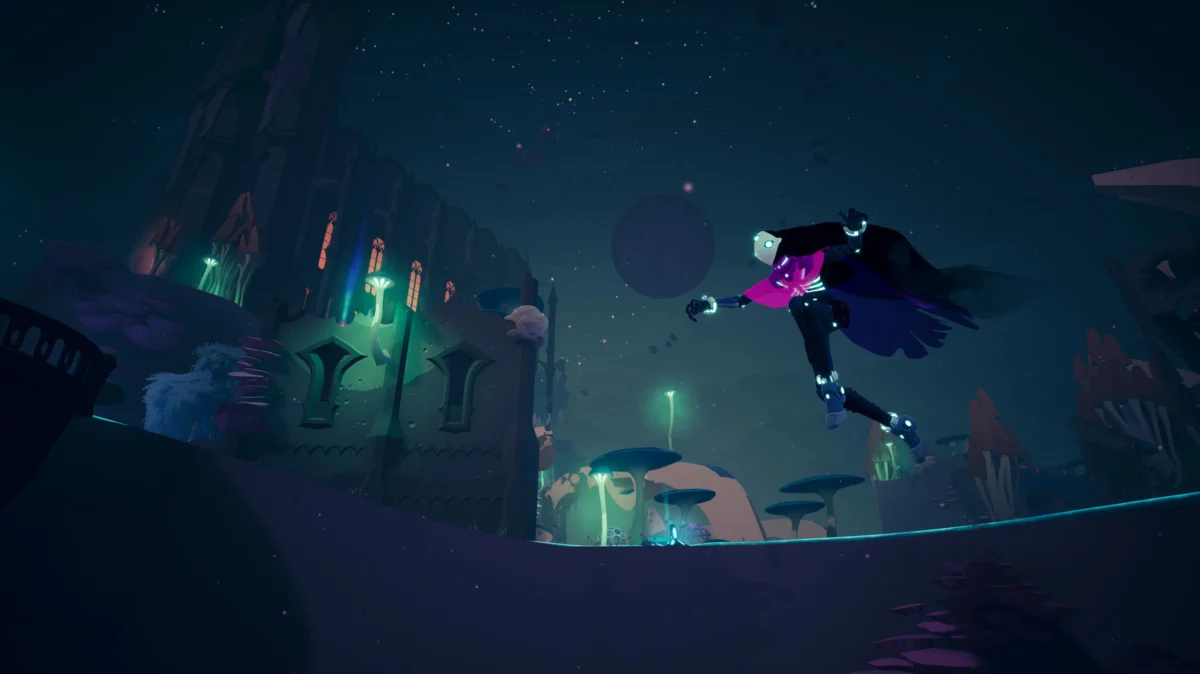
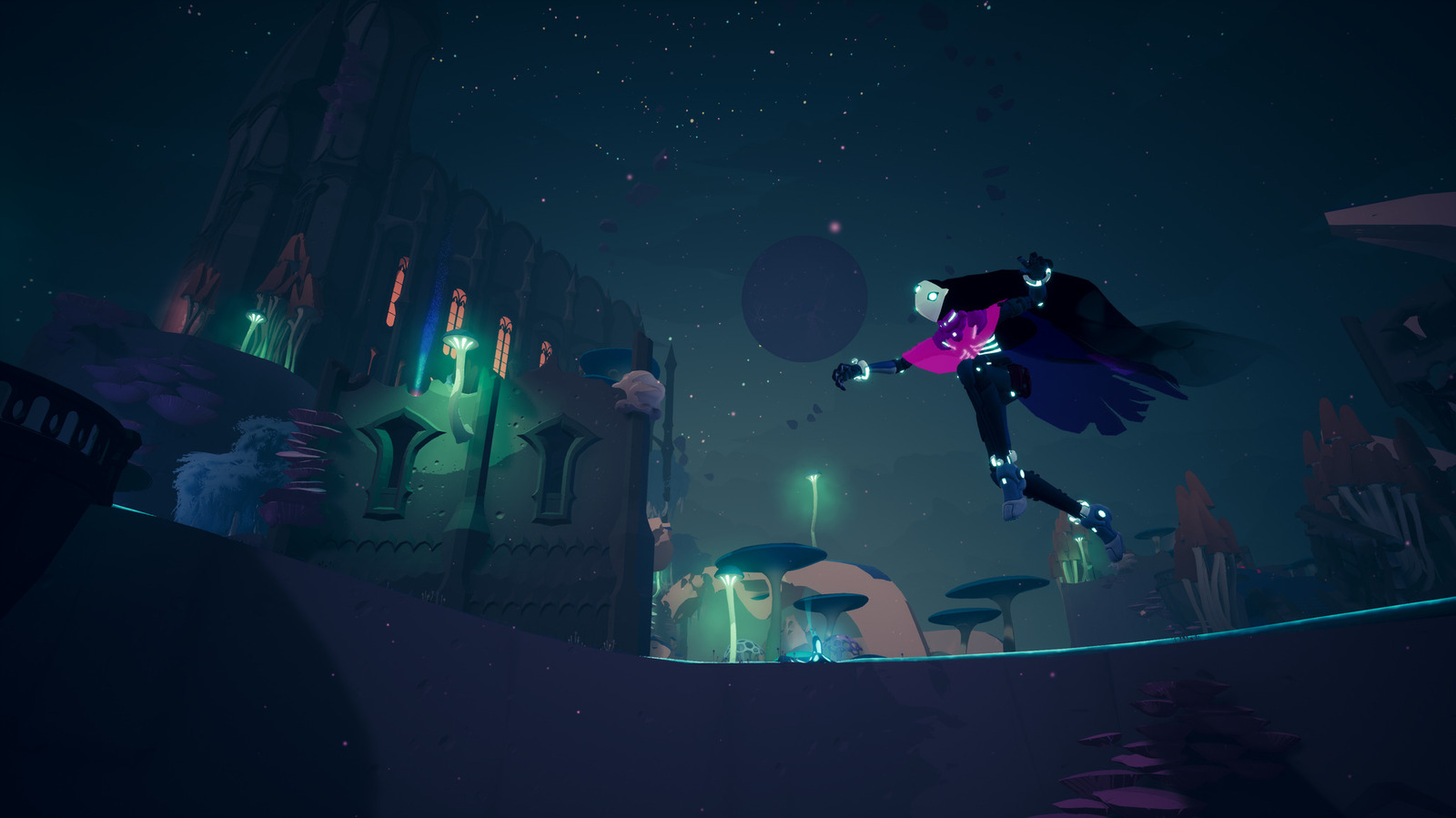
Following the success of its debut, Heart Machine began to evolve. With the release of Solar Ash in 2021, the studio moved into 3D environments, signaling a shift toward more ambitious, resource-intensive projects. Unlike their first title, Solar Ash saw the studio working in collaboration with external publishers—a move intended to provide stability but which, in hindsight, created a vulnerability to shifting corporate appetites.
The Expansion Trap: Hyper Light Breaker and Possessor(s)
By 2022, the studio had become increasingly ambitious, juggling multiple projects simultaneously. The announcement of Hyper Light Breaker, a 3D sequel to their breakout hit, generated significant buzz. However, concurrently developing Possessor(s)—which launched last year—likely placed a strain on the studio’s internal bandwidth and financial runway.
The Recent Struggles (2025–2026)
The warning signs of this collapse were visible long before this week. In October 2025, the studio confirmed it was ending development on Hyper Light Breaker and undergoing a significant round of layoffs. The internal tension of that period culminated in March 2026, when the remaining staff made the historic decision to unionize, hoping to secure some form of collective protection in an increasingly volatile environment. Despite these efforts to stabilize, the sudden cancellation of their latest unannounced project appears to have rendered those protections moot.
The Economics of Modern Game Development
The plight of Heart Machine is not an isolated incident; it is a symptom of a broader economic malaise within the gaming industry. The "discovery" problem—whereby even excellent games struggle to gain visibility in a crowded marketplace—has forced many developers into the arms of publishers who demand rapid, predictable returns.
The "Publisher-Dependent" Model
When a studio enters a contract with a publisher, they often sign away their creative autonomy and ownership in exchange for the capital necessary to pay salaries. This model is built on the assumption that the publisher will continue to fund the project through its lifecycle. However, as parent companies experience their own quarterly earnings pressures, "mid-budget" games are often the first to be sacrificed. When a publisher cancels a game mid-production, they usually retain the rights to the IP, leaving the studio with nothing but an empty bank account and a displaced workforce.
The Human Cost
Beyond the spreadsheets and project cancellations, the primary victims are the developers. The loss of institutional knowledge, the scattering of specialized talent, and the emotional toll of watching a creative home collapse are immeasurable. For the developers at Heart Machine, many of whom survived previous rounds of layoffs and unionized in an effort to maintain their livelihood, this represents a profound betrayal of the commitment they made to their craft.
Official Responses and Industry Sentiment
The gaming community’s reaction to the news has been one of collective grief and anger. On social media, fellow developers, critics, and players have expressed their solidarity with the affected staff.
Alx Preston’s own statement was one of profound resignation: "Navigating an increasingly challenging industry has been extremely difficult, and I’m not sure yet what’s next for Heart Machine to survive."
Industry analysts point to this as a stark reminder of the "hollowed-out" middle market. While massive AAA titles continue to see billions in investment, and small solo-dev projects continue to exist as passion projects, the mid-sized studio—which requires a staff of 20 to 50 people—is finding it nearly impossible to survive without a "forever game" that generates recurring revenue. Heart Machine, which prided itself on prestige, distinct art styles, and narrative-heavy experiences, simply does not fit the current industry mandate for "live service" or "engagement-focused" titles.
Broader Implications: Is the Indie Dream Dying?
The potential closure of Heart Machine raises uncomfortable questions about the future of independent gaming. If a studio with the pedigree, the critical acclaim, and the legacy of Heart Machine cannot survive, who can?
The Death of the "Prestige Indie"
For years, the industry narrative was that indie developers were the "new A-listers." However, the industry is currently undergoing a correction. As the cost of development skyrockets, even indie titles require budgets that were previously reserved for mid-tier console games. This forces studios into the very publisher-led traps that Heart Machine has now fallen into.
The Importance of Sustainability
The push for unionization at Heart Machine was a reaction to this exact scenario. It was an attempt to provide workers with a seat at the table when business decisions are made. While the unionization efforts were unable to prevent the current layoffs, they highlight a growing trend: developers are realizing that their survival depends on collective bargaining and structural changes to how these studios are funded.
What Comes Next?
As of this writing, the future of Heart Machine remains uncertain. While the studio has not technically shuttered, the loss of "nearly everyone" suggests that even if the brand persists, the entity that produced Hyper Light Drifter has been fundamentally hollowed out.
The industry will undoubtedly watch to see if Preston can secure a new partnership or if this marks the end of a decade-long journey. Regardless of the outcome, the Heart Machine case serves as a cautionary tale: in an industry driven by the bottom line, artistic brilliance is no guarantee of corporate survival. For the players who found solace in the neon-soaked ruins of Hyper Light Drifter, this is a heavy blow—a reminder that even the most vibrant worlds are built on foundations that are often far more fragile than they appear.