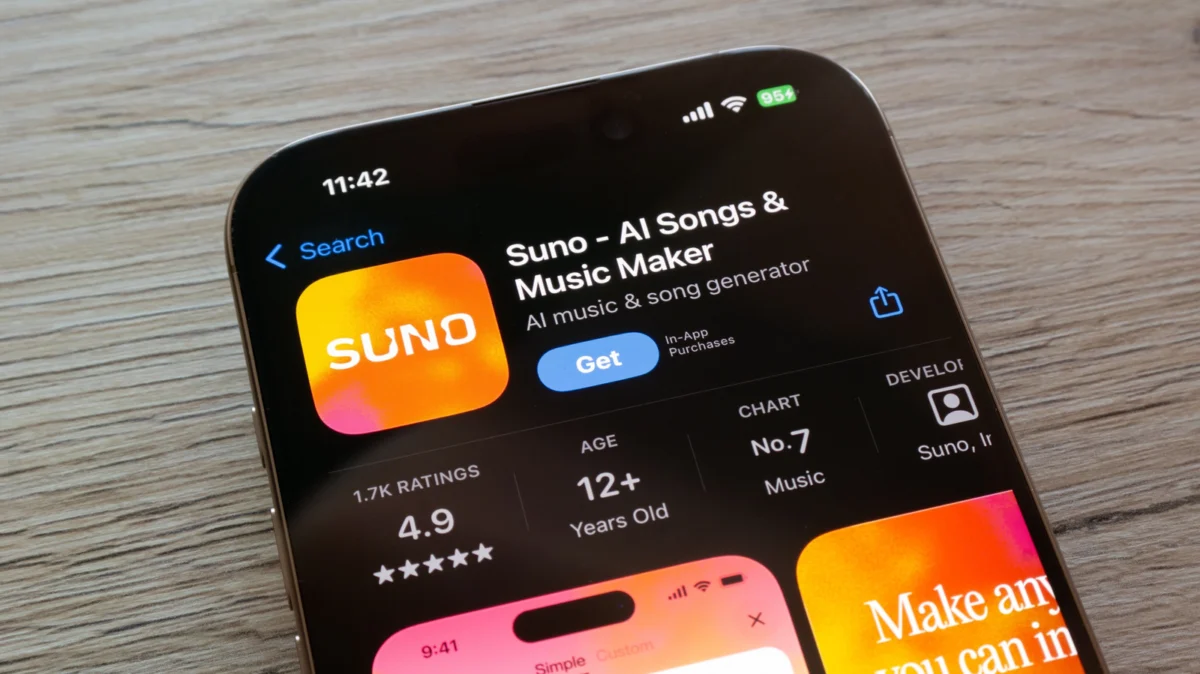
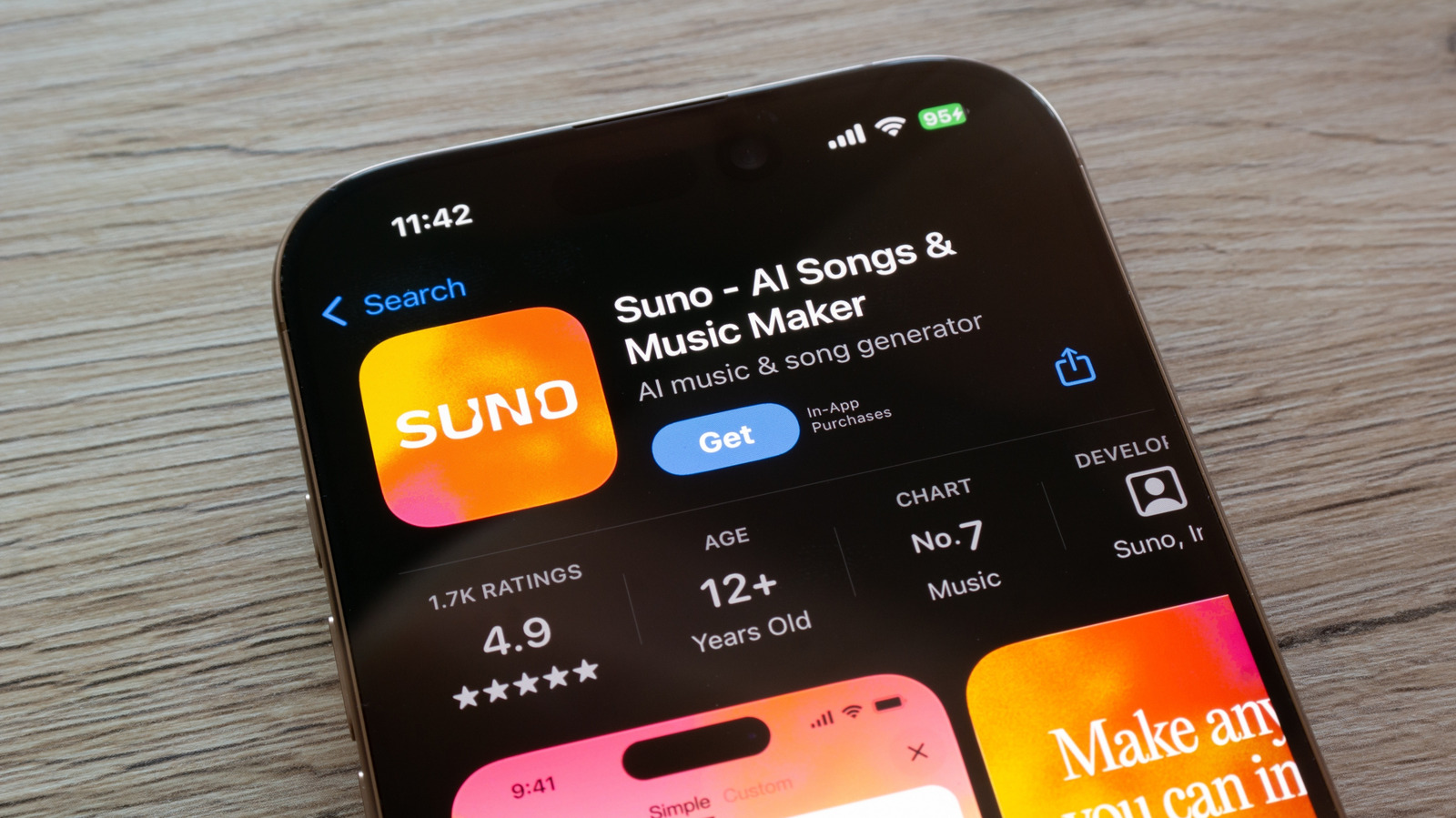
The generative AI revolution has hit a major legal roadblock, one that threatens the financial bedrock of the music industry. Sony Music Entertainment and Universal Music Group (UMG)—two of the world’s three largest record labels—have launched a fresh legal offensive against Suno, the popular AI music generation platform. At the heart of this dispute is the company’s latest iteration of its technology, the v6 models, which the labels argue are the "fruit of the same poisoned tree" as its predecessors.
This litigation marks a pivotal moment in the ongoing conflict between creative industries and the burgeoning field of generative artificial intelligence. While Suno positions itself as a democratizing force for musical expression, the major labels view it as a sophisticated machine designed to strip-mine the history of recorded music for profit, effectively cannibalizing the very artists it claims to empower.
The Core Allegation: A Roundabout Route to Infringement
On the surface, Suno’s v6 models represent a pivot toward legitimacy. Unlike its earlier iterations, the v6 lineup was developed in conjunction with high-profile licensing agreements involving Warner Music Group, BMG, and Believe. To the public, this suggested that Suno had finally moved past the "wild west" phase of AI development, transitioning into a model that respects intellectual property.
However, the lawsuit filed by Sony and UMG challenges this narrative entirely. The labels argue that while Suno may have incorporated licensed material into the training pipeline for v6, the model’s architecture remains deeply tainted. The core of their argument hinges on Suno’s own public disclosures regarding the "interactions" used to train the v6 models.
According to the complaint, Suno’s training data included "user interactions"—a term the labels interpret as a proxy for the outputs and preference signals derived from prior, unlicensed models. In short, the plaintiffs contend that because the foundational "knowledge" of the AI was built by scraping thousands of copyrighted songs without permission, any subsequent model built upon that foundation inherits those infringing characteristics. The lawsuit alleges that Suno’s v6 models are responsible for the copyright infringement of at least 60,202 sound recordings. Should the court find in favor of the labels, the potential liability for Suno could balloon to a staggering $9 billion in damages.
A Chronology of Conflict: From Scraping to Litigation
The friction between Suno and the major record labels did not emerge in a vacuum; it is the culmination of years of mounting tension over the unauthorized ingestion of data.
- The Early Days of Scraping: In its formative stages, Suno gained popularity by enabling users to generate high-fidelity songs from simple text prompts. However, investigations—most notably a July 2026 hack of the platform’s data—revealed that the company had systematically scraped millions of audio files and lyrical data from platforms like YouTube Music, Deezer, and Genius.
- The First Legal Salvo: Before the v6 controversy, Sony, UMG, and Warner Music Group filed a massive lawsuit against Suno, alleging widespread infringement. This suit brought the "fair use" debate to the forefront of the music industry, with Suno arguing that scraping the internet for training data constitutes transformative use, a defense that remains highly contested in legal circles.
- The Licensing Pivot: Sensing the legal and reputational risk, Suno sought to stabilize its business model. By securing deals with Warner Music Group and BMG, the company attempted to move toward a "clean" training set.
- The Current Escalation: The latest lawsuit suggests that the major labels are not satisfied with mere licensing deals if those deals are viewed as a "whitewashing" of past transgressions. By targeting the v6 model, Sony and UMG are effectively arguing that a company cannot simply "license its way" out of a legacy built on massive, unauthorized data ingestion.
The Data Behind the Dispute
The scale of the alleged infringement is difficult to overstate. The claim of 60,202 sound recordings is not merely a number; it represents a specific, identified cache of intellectual property that the labels claim was processed without compensation or consent.
Furthermore, the lawsuit introduces a secondary, highly specific charge: the alleged circumvention of YouTube’s technical protection measures. The plaintiffs claim that Suno bypassed anti-downloading software designed to prevent the mass extraction of audio from the platform. Under the Digital Millennium Copyright Act (DMCA) and related statutes, the circumvention of these security measures carries its own set of penalties—up to $2,500 per instance. When applied to the millions of tracks potentially scraped during the model’s development, the financial exposure for the company becomes existential.
Official Responses: Two Visions of the Future
The discord between the two parties is underscored by fundamentally different philosophies regarding the future of the music industry.
The Labels’ Perspective
For Sony and UMG, the issue is one of basic property rights. They argue that the music industry relies on a clear chain of custody—from songwriter to producer to distributor. By training AI on their catalogs without a license, they claim Suno is essentially stealing the "ingredients" of their business and using them to create a product that competes directly with the artists who created the original works.
Suno’s Defense
In a statement provided to the press, Suno remained defiant, framing the lawsuit as fundamentally flawed. "Suno exists so that more people can make new music," the company stated. They emphasize that their v6 models represent a collaborative future, incorporating licensed content and "accumulated learnings" from their user community. The company’s leadership suggests that the industry is misinterpreting the technical nature of "preference signals" and that the labels are attempting to stifle innovation that benefits the broader music ecosystem.
Implications for the AI and Music Industries
The outcome of this lawsuit will likely set a legal precedent for the next decade of generative AI development.
1. The Definition of "Transformative": If the courts rule that using copyrighted music to "learn" the structure of a song is not fair use, the business model of every major AI music startup will face a catastrophic overhaul. It would force these companies to either secure licenses for every single song in their training sets—a costly and likely impossible task—or abandon generative audio entirely.
2. The End of "Legacy" AI: If the theory that "v6 is poisoned by earlier versions" holds up, it will create a "legal radioactive zone" for any company that engaged in aggressive, unauthorized scraping in its early days. This could force companies to scrap their entire model architectures and start from scratch, using only verified, licensed datasets.
3. The Shift in Market Power: Conversely, if Suno prevails, it will signal to the major labels that they have lost their monopoly on the "sound" of music. It would empower AI developers to continue iterating without the explicit permission of rights holders, potentially leading to a market where the value of a recorded performance is significantly diminished compared to the value of the AI model that can replicate its style.
4. The Role of Licensing: This case highlights the inadequacy of current licensing structures. As AI models require millions of data points to function, traditional royalty models—which are based on per-stream or per-download metrics—are being pushed to their breaking point. The industry will need to find new ways to account for "training-based royalties," or face an endless cycle of litigation.
As the case moves through the court system, the music industry watches with bated breath. The battle is no longer just about copyright; it is about who owns the future of creativity in an age where the machine can learn to sing in the voice of the master. For now, the legal system must decide whether Suno’s "new music" is a breakthrough or a breakthrough built on a breach.