In a digital landscape dominated by edge-to-edge glass slabs and the relentless pursuit of bezel-less screens, a boutique gadget maker is betting that the world has developed a profound case of "touchscreen fatigue." Clicks, the startup that first turned heads at CES 2026 with its audacious vision of a modern-day BlackBerry, has confirmed that its debut smartphone, the Clicks Communicator, will finally begin shipping to customers this December.
The announcement marks the end of a long, anticipation-filled year for the company, which captured the tech industry’s collective imagination by promising a device that prioritizes typing precision and deliberate interaction over the endless, mindless scrolling of social media feeds. However, the path to market has not been without its adjustments; the final production model is hitting the assembly line with significant hardware upgrades and a sobering update to its retail price.
Main Facts: A Modern Throwback with Contemporary Power
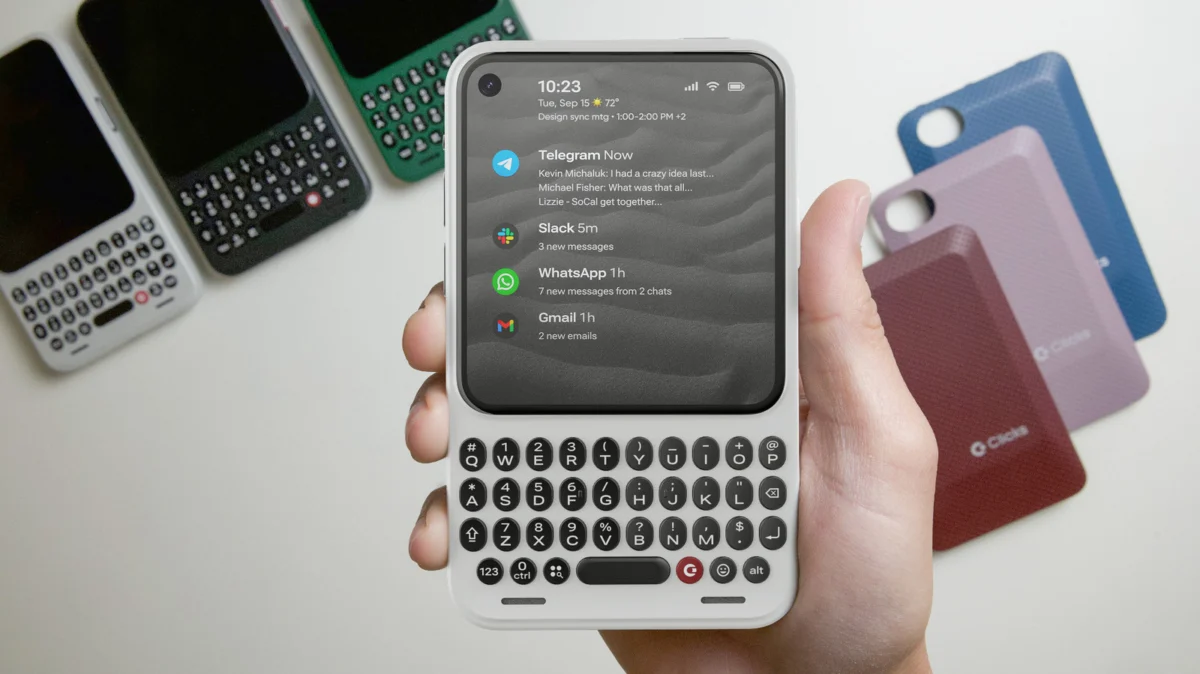
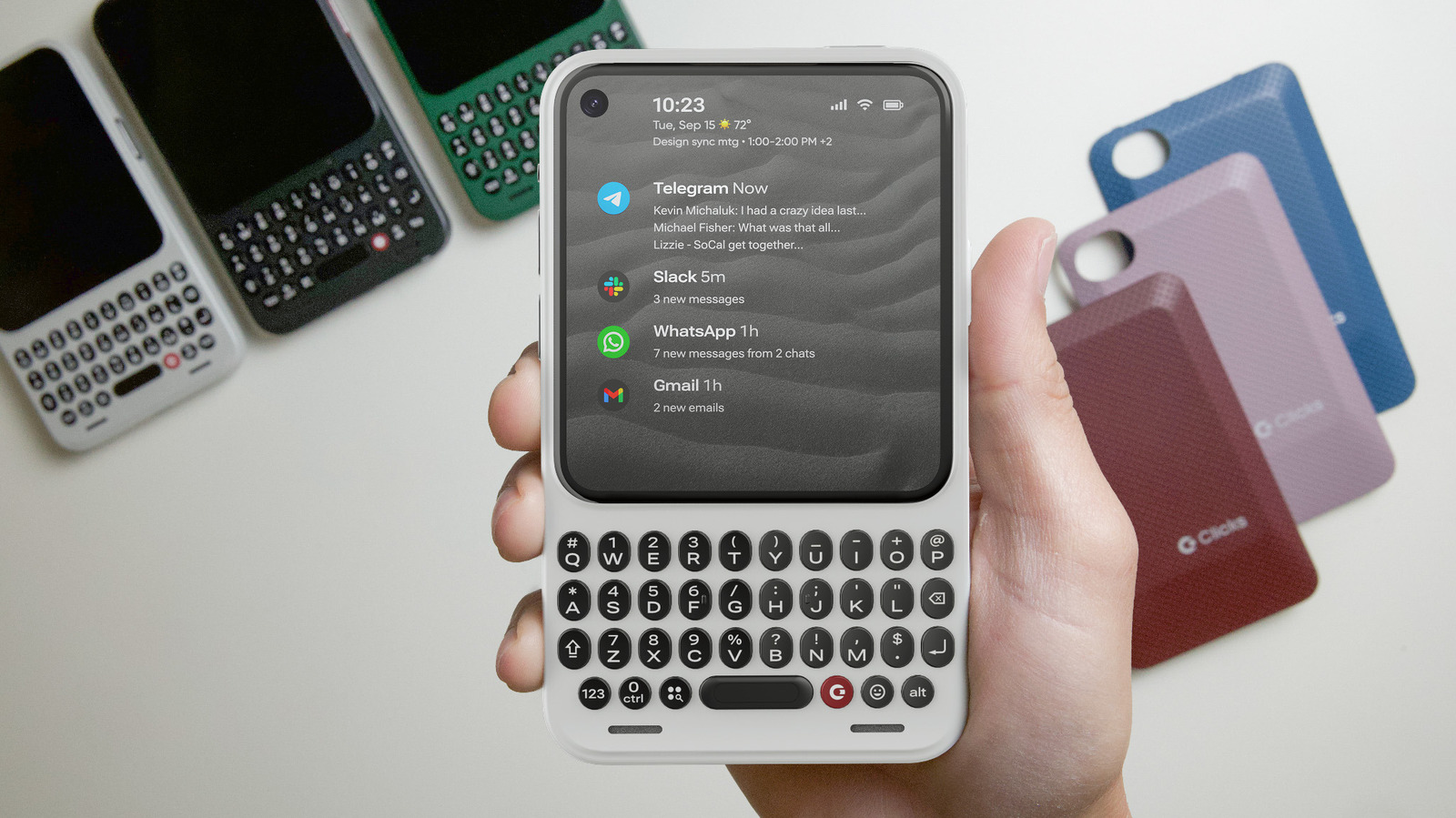
The Clicks Communicator is, by design, an exercise in contradiction. It is a smartphone that actively resists the "big screen" trends of the mid-2020s, opting instead for a 4.03-inch 120Hz AMOLED display paired with a full-fledged physical QWERTY keyboard.
Under the hood, the device is far more capable than its retro aesthetic might suggest. The production version has received a notable spec bump: the company has increased the onboard RAM to 12GB, a 50% improvement over the 8GB originally teased at its debut. Battery longevity—a critical factor for a device marketed as a "second phone" for professionals—has also been boosted, with the capacity rising from 4,000mAh to 4,350mAh. Crucially, Clicks claims the battery is rated for over 800 charge cycles, signaling a commitment to long-term hardware durability.
The device will ship running Android 17 out of the box. Perhaps more importantly for potential buyers wary of startup longevity, Clicks has committed to a robust software roadmap: the device is slated for support through Android 20, bolstered by five years of consistent security updates. This puts the Communicator in direct competition with established mid-range Android offerings in terms of software longevity.
Chronology: From CES Concept to Commercial Reality
The trajectory of the Clicks Communicator is a classic study in the development lifecycle of a modern hardware startup:
- January 2026 (CES): Clicks unveils the Communicator prototype. The industry responds with a mix of skepticism and nostalgia-fueled excitement. The narrative is clear: this is a tool for writers, executives, and those seeking a "digital detox" without sacrificing connectivity.
- Spring 2026: Throughout the second and third quarters, the company engages in iterative refinement, utilizing feedback from initial testers to polish the keyboard mechanics and software interface.
- September 2026: Clicks officially announces the final specifications, including the RAM and battery upgrades, while simultaneously signaling an impending shift in the pricing structure.
- October 1, 2026: The critical threshold for consumers. This date marks the jump from the early-bird pricing of $499 to the retail price of $649.
- December 2026: The official shipping window opens, marking the transition from "concept" to "commodity."
Supporting Data: Engineering a Niche Experience
The Clicks Communicator is defined by its hardware-first philosophy. The keyboard is not merely a collection of plastic buttons; it is a sophisticated input peripheral. The keys are touch-sensitive, allowing users to scroll through long emails, webpages, or documents by sliding their thumbs across the physical buttons—a tactile experience that feels both familiar to long-time BlackBerry users and surprisingly intuitive for a new generation.
The inclusion of the spacebar as a dedicated fingerprint sensor is a clever bit of space-saving engineering, keeping the device footprint compact while maintaining top-tier security. The device also includes:
- Processor: MediaTek Dimensity 8300, a solid performer for productivity tasks.
- Storage: 256GB internal, with a microSD slot for those who prioritize local media storage—a rarity in the current flagship market.
- Audio: A dedicated 3.5mm headphone jack, catering to the audiophile and professional markets that still rely on wired connections.
- Camera: A 50MP rear sensor and a 24MP front-facing camera. While the company admits this is not a competitor to the multi-lens arrays of the iPhone Pro or Galaxy Ultra series, it is positioned as "sufficient" for the document scanning and video conferencing needs of its target demographic.
Moreover, the company has shown a commitment to global markets, offering localized keyboard layouts including English (QWERTY), French (AZERTY), German (QWERTZ), Korean, and Arabic.
Official Responses: Who is this for?
In interviews, the founders of Clicks have been remarkably candid about the device’s positioning. They are not attempting to unseat the giants of the mobile industry. Instead, they are defining the Communicator as a "second phone"—a dedicated device for communication and productivity.
The philosophy behind this is simple: the modern smartphone has become an "attention economy" machine, filled with algorithms designed to keep users scrolling. By limiting the screen real estate and emphasizing a physical keyboard, the Communicator aims to change the user’s relationship with their device. It is intended for the person who wants to draft a long email on a train, manage their Slack notifications without distraction, or focus on a deep-work session without the temptation of social media apps that perform poorly on the square-ish aspect ratio of the display.
"We aren’t building a flagship killer," a company representative noted during the rollout. "We are building a tool for people who miss the efficiency of the tactile era but refuse to give up the modern ecosystem of Android."
Implications: The Price of Nostalgia
The decision to raise the price to $649 starting October 1 is the most controversial aspect of the launch. While the spec bumps (12GB RAM, larger battery) justify a higher production cost, $649 places the device firmly in the "mid-to-high-end" territory.
For many, this is a significant psychological hurdle. Is a niche, hardware-focused communicator worth the price of a standard, high-performance modern smartphone? The market will ultimately decide, but the implications are clear: Clicks is moving from a "curiosity" to a "lifestyle product."
If the company succeeds, it could spark a micro-trend of "bespoke" mobile devices, where manufacturers stop chasing the "one size fits all" flagship model and start creating devices tailored to specific workflows. If it fails, it will serve as a reminder that nostalgia alone is rarely enough to sustain a hardware business in the high-stakes world of modern mobile telecommunications.
As December approaches, the tech community remains divided. Some see the Communicator as an expensive, impractical toy; others see it as the only viable solution to the plague of digital distraction. Whether it becomes a collector’s item or a legitimate productivity powerhouse, the Clicks Communicator has already achieved one rare feat: it has forced us to stop and think about how we communicate, and why we’ve allowed our devices to dictate the terms of our attention.