Main Facts: A Hollywood Milestone Marred by Familial Tension
As Sylvester Stallone looks back on a career that spans nearly five decades, the cultural footprint of his 1976 breakout masterpiece, Rocky, remains unmatched. Yet, even as the sports drama catapulted him to global superstardom, earned him Academy Award nominations, and birthed one of the most lucrative cinematic franchises in history, the production was accompanied by profound personal turmoil.
While promoting his upcoming memoir, The Steps—slated for release on October 23—the three-time Oscar nominee opened up about the deeply complicated relationship he shared with his late father, Frank Stallone Sr. In a revealing interview with The New York Times, Stallone recounted how an attempt to bridge the emotional chasm between them through a cinematic collaboration ultimately devolved into a bitter, chaotic altercation on the set of Rocky.
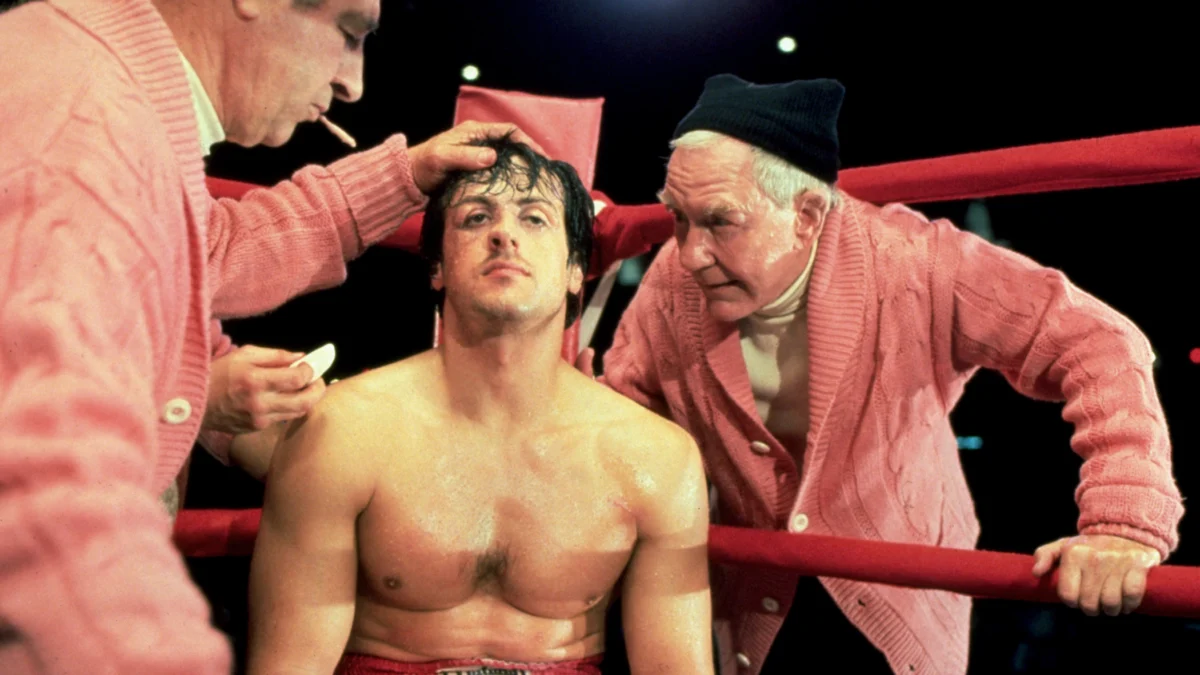
The crux of the tension centered on a cameo appearance. Seeking his father’s validation, Stallone cast Frank Sr. as the timekeeper responsible for ringing the bell during the film’s iconic, grueling climactic boxing match between Rocky Balboa and Apollo Creed, played by Carl Weathers. Instead of a heartwarming moment of paternal bonding, the set descended into chaos when the senior Stallone failed to execute his simple cue correctly, dragging out the choreographed fight sequence and triggering a behind-the-scenes blowout.
This candid revelation sheds new light on the emotional pressures underlying the creation of Rocky. Far from a straightforward Hollywood success story, the film’s creation was deeply intertwined with Stallone’s lifelong pursuit of paternal approval from a man he has described as relentlessly demanding, volatile, and emotionally distant.
Chronology: From Philadelphia Streets to a Memoir-Driven Reckoning
To fully understand the gravity of the Rocky set altercation, industry observers and fans must look at the timeline of Sylvester Stallone’s early life and career trajectory:
- The Formative Years: Sylvester Stallone grew up under the heavy-handed discipline of Frank Stallone Sr., a man characterized by his son as physically imposing and emotionally withholding, prone to sudden outbursts followed by prolonged periods of chilling silence.
- The Struggle to Greenlight Rocky (1975–1976): A struggling, virtually unknown actor at the time, Stallone famously penned the screenplay for Rocky in a matter of days. He refused to sell the script unless he was permitted to play the lead role, battling studio executives who viewed him as a commercial risk.
- Production and the On-Set Incident (1975): During the filming of the movie’s legendary final boxing sequence, Frank Stallone Sr. was given a cameo as the bell ringer. Rather than ending the round on the synchronized count, the senior Stallone missed his cue, forcing the actors to keep fighting and confusing co-star Carl Weathers, which culminated in a bitter argument between father and son.
- The Phenomenal Success of Rocky (December 1976): Released by United Artists, the low-budget indie became a cultural phenomenon, grossing over $225 million worldwide and winning the Academy Award for Best Picture.
- Decades of Strain and Eventual Reconciliation (2011): The emotional distance between father and son persisted for decades, characterized by volatile interactions until they finally reconciled shortly before Frank Stallone Sr.’s death in 2011.
- The Literary Release (The Steps, October 23): Decades after achieving legendary status in Hollywood, Stallone prepares to bare his soul in his forthcoming memoir, addressing the psychological scars of his upbringing.
- Biopic Anticipation (I Play Rocky, November 6): As Stallone reflects on his past, Hollywood prepares to release the biographical film I Play Rocky, starring Anthony Ippolito as a young Stallone fighting to bring his underdog story to the silver screen.
Supporting Data: The Anatomy of an Underdog Classic and a Difficult Upbringing
The contrast between the triumphant fictional narrative of Rocky and the gritty reality of its production offers a fascinating study in artistic creation born from personal adversity.
Production Statistics of Rocky (1976)
- Production Budget: Approximately $1.0 million to $1.1 million.
- Box Office Return: Over $225 million worldwide (equivalent to more than $1.2 billion adjusted for inflation).
- Academy Awards: 10 nominations, including Best Actor and Best Original Screenplay for Stallone; won 3 Oscars, including Best Picture and Best Director (John G. Avildsen).
- The Climax Scene: The final 15-round championship bout between Rocky Balboa and Apollo Creed required meticulous choreography, making the bell-ringer’s timing crucial for the safety and flow of actors Sylvester Stallone and Carl Weathers.
Psychological Context: The Dynamics of the Stallone Household
In his interviews leading up to the release of The Steps, Stallone has provided rare insights into the domestic atmosphere of his youth:
- Physical Discipline: Describing his father’s large hands and unpredictable temper, Stallone noted that disagreements frequently escalated to physical altercations.
- The "Pity Party" Threshold: Despite the severity of his upbringing, Stallone has deliberately edited certain traumatic anecdotes out of his memoir, stating he wished to avoid invoking public pity.
- The Search for Approval: The emotional core of the Rocky cameo was, in Stallone’s words, a plea for simple affection: "I just want you to love me for a little bit… Like, look what I did! Share it with me."
Official Responses and Industry Perspectives
While Sylvester Stallone has taken control of his narrative through the upcoming publication of The Steps, the entertainment industry and those close to the actor have long recognized the fierce drive that propelled him to stardom.

Reflecting on the grueling nature of the 1976 shoot, crew members and cast affiliates have frequently noted that the raw intensity seen on screen was not merely acting. The physical exhaustion, the sweat, and the bruised knuckles mirrored the genuine emotional warfare occurring behind the scenes.
Though Frank Stallone Sr. is no longer here to offer his perspective on the infamous bell-ringing incident, his son’s public reflections paint a picture of a generational dynamic common among ambitious artists striving to break free from the shadows of formidable parents. Rather than painting his father as a outright villain, Stallone’s retrospective stance is one of bittersweet understanding—acknowledging the abuse while ultimately finding a measure of peace before his father’s passing in 2011.
Furthermore, the upcoming theatrical release of I Play Rocky—directed and produced independently of Stallone’s immediate creative control, with Anthony Ippolito stepping into the iconic shoes of the young actor—signals Hollywood’s enduring fascination with the genesis of the franchise. Studio executives and filmmakers involved in the biopic have emphasized that the narrative will not shy away from the rejections, poverty, and personal sacrifices that defined Stallone’s pre-fame existence.
Implications: How Personal Trauma Forged Cinematic History
The revelations surrounding The Steps and the behind-the-scenes chaos of Rocky carry significant implications for how audiences view Sylvester Stallone’s body of work. Art often imitates life, but in Stallone’s case, his artistic output served as a direct therapeutic outlet for profound psychological distress.
-
Redefining the "Underdog" Archetype:
Rocky Balboa was never just a fictional character for Sylvester Stallone; he was an avatar for the actor’s own relentless desire to prove his worth to a world—and a father—that frequently underestimated him. The desperation, resilience, and refusal to stay down that characterized Balboa’s fights mirror Stallone’s real-life battles against studio executives, poverty, and paternal skepticism. -
The Evolution of Celebrity Memoirs:
By choosing to bypass sanitized PR-friendly narratives in The Steps, Stallone joins a lineage of veteran entertainers using the memoir format to reconcile their public mythology with their private trauma. By admitting that his monumental cinematic triumph was overshadowed by a petty, "nasty" family argument, Stallone humanizes his legacy. -
Cultural Legacy and the Biopic Era:
With I Play Rocky hitting theaters on November 6, public interest in the making of the 1976 film is experiencing a massive resurgence. The public appetite for stories about perseverance has never been stronger, and Stallone’s willingness to expose the ugly, unglamorous truth of his early life ensures that the Rocky legend remains grounded in visceral, human truth rather than myth-making.
Ultimately, while the bell-ringing incident on the set of Rocky ended in a shouting match reminiscent of a "bad Italian drama," it stands as a monument to the complex machinery of human motivation. Sylvester Stallone may not have received the immediate validation he sought from his father that day, but the fire ignited by that friction helped forge an American cinematic icon.