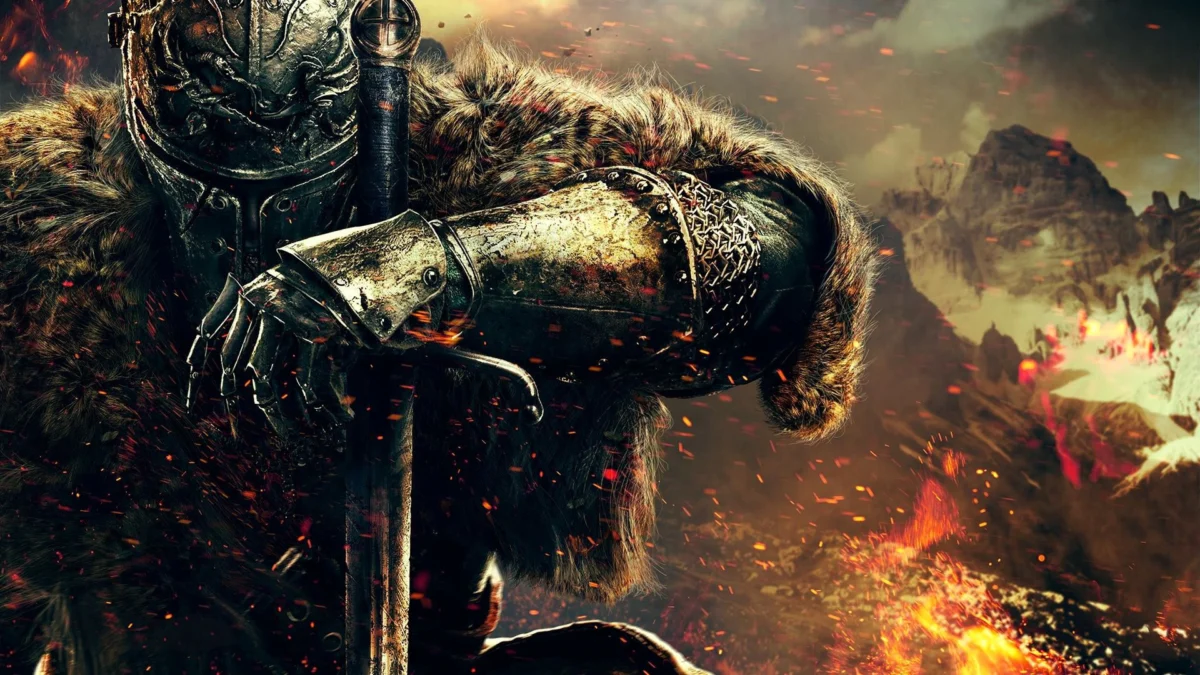
(Image credit: Bandai Namco)
For over a decade, FromSoftware’s iconic action-RPG catalogue has captivated millions of players worldwide, spawning an entire genre affectionately known as "soulslikes." Yet, alongside legendary boss fights, intricate level design, and deep lore, these games are equally famous—and occasionally infamous—for their multiplayer infrastructure.
From the cryptic summoning signs and humanity requirements of the original titles to the frequent disconnections and rigid session boundaries, cooperative play in FromSoftware’s worlds has always demanded patience. For Dark Souls II, a title already polarizing for its mechanical deviations from its predecessor, cooperative adventuring could often feel like navigating a bureaucratic maze of fog walls, Soul Memory tiers, and abrupt disconnections.
Now, a prominent and prolific modder named Yui has officially changed the landscape for the 2014 title. Having previously revolutionized multiplayer experiences in Elden Ring and Dark Souls Remastered, Yui has launched an alpha version of Dark Souls II: Seamless Co-op.
This ambitious modification strips away the archaic limitations of Drangleic’s multiplayer, opening the door for groups of up to six players to experience the entire game from the introductory tutorial to the final credits in a single, uninterrupted session.
Main Facts: What is the Dark Souls II: Seamless Co-op Mod?
At its core, the Dark Souls II: Seamless Co-op modification is designed to overhaul how players interact within Drangleic, transforming an asynchronous, highly restricted multiplayer system into a fluid, modern cooperative experience.
Key Features of the Alpha Release:
- Extended Party Size: The mod allows parties of up to six players to adventure together simultaneously, vastly expanding upon the traditional host-and-summon limitations of the base game.
- Uninterrupted Exploration: Traditional multiplayer barriers, such as regional fog walls that block progress when phantoms are present, have been removed. Players can traverse levels seamlessly without being forcefully separated.
- Persistent Sessions on Death: In vanilla Dark Souls II, the death of a summoned phantom or the host immediately ends the multiplayer session, sending helpers back to their respective worlds. With Yui’s mod, when a player dies, they simply respawn at their last visited bonfire, allowing the team to press on without constant re-summoning.
- Synced Progression: World progress, boss defeats, and major game events are synchronized across the session, ensuring that all participating players experience the journey together on equal footing.
- Lore-Friendly Integration: Eschewing plain, immersion-breaking UI menus, the mod’s features are invoked through newly added, custom in-game items with atmospheric names like "Pharros’ Heliograph" and "Petrified Fingers."
While purists may argue that removing these systemic frictions softens the notoriously unforgiving nature of the Dark Souls experience, the mod offers a long-awaited sandbox for veterans and friends looking to experience Drangleic in a completely new light.
Chronology: The Evolution of Soulslike Co-op Mods
To understand the significance of Yui’s latest release, it is necessary to look back at how the modding community has systematically tackled FromSoftware’s multiplayer architecture over the years.
The Era of Vanilla Friction (2011–2022)
For more than a decade, players wanting to play Dark Souls, Dark Souls II, Dark Souls III, and Bloodborne alongside friends had to contend with strict matchmaking parameters. In Dark Souls II specifically, matchmaking was dictated not by character level, but by Soul Memory—a cumulative tally of every soul a player had ever acquired. This mechanic frequently locked friends out of playing together if one player spent time farming, dying and losing souls, or engaging in optional content.
Summoning also required human forms (achieved via Human Effigies), specific covenant items, and navigating a crowded pool of random signs rather than inviting a specific friend directly without password systems (though later patched in some forms, it remained clunky).
The Elden Ring Revolution (2022)
The paradigm shift arrived with the launch of Elden Ring in 2022. Recognizing the demand for a genuinely cooperative open-world experience, Yui and fellow developers released the Seamless Co-op mod for FromSoftware’s magnum opus. It became a viral sensation, allowing millions of players to explore the Lands Between on horseback, enter legacy dungeons together, and share boss fights without the burden of vanishing phantoms or arbitrary boundaries.
Bringing the Fixes Backwards (2023–2024)
Following the massive success of the Elden Ring overhaul, Yui turned her attention backward toward the classic trilogy. She released a similar seamless cooperative modification for Dark Souls Remastered, earning critical acclaim from players eager to revisit Lordran with friends.
The Alpha Launch for Dark Souls II (Late 2023 / Early 2024)
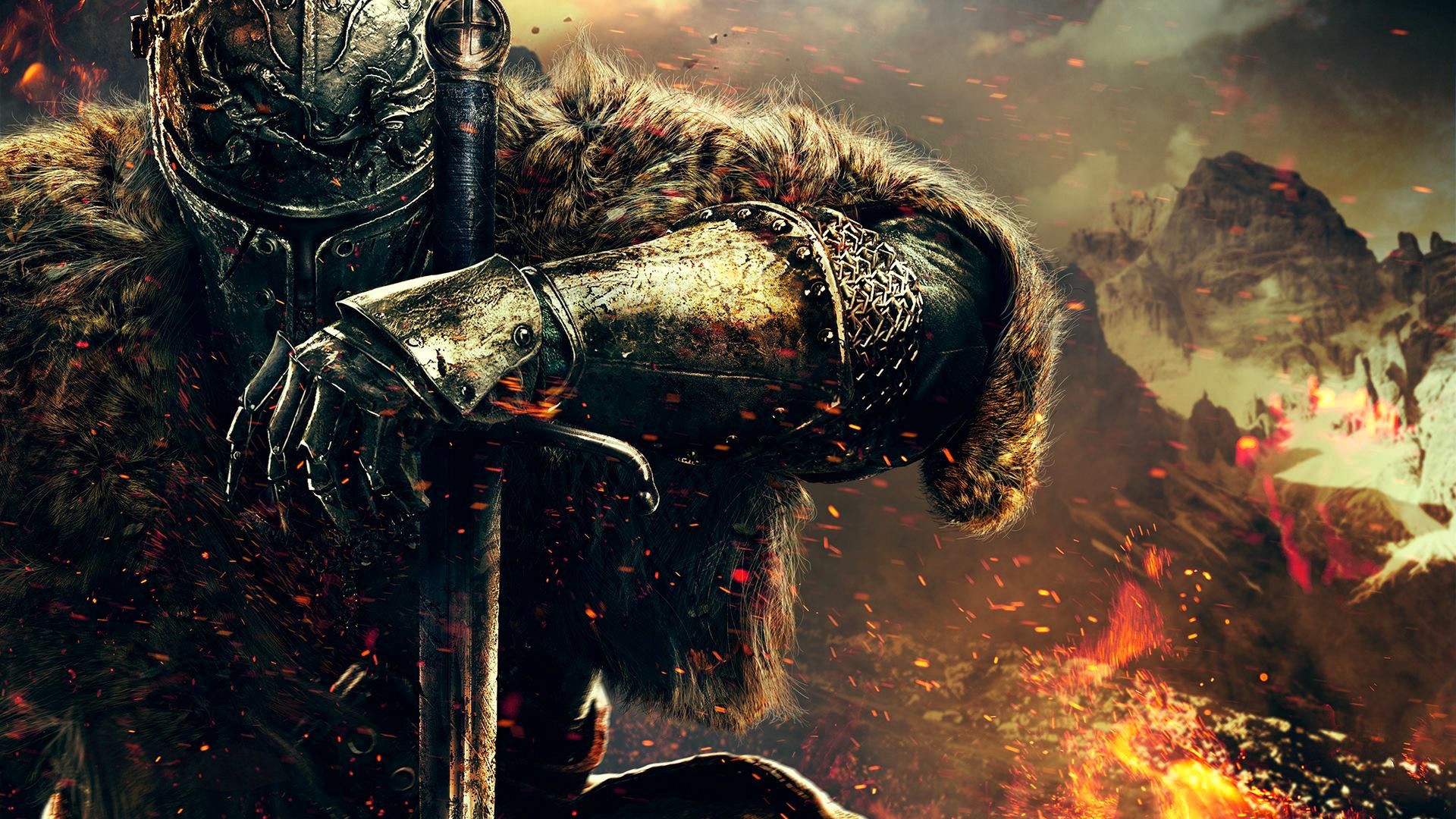
Culminating months of development and anticipation, Yui officially launched the alpha version of the Dark Souls II: Seamless Co-op mod via her Patreon page and Nexus Mods. Despite launching in an early alpha state, the mod immediately captured the attention of the community, drawing thousands of downloads and active test runs within its first week.
Supporting Data: Technical Performance and Community Reception
The release of any comprehensive overhaul mod for a PC game—particularly one interacting with network architecture and anti-cheat systems—invariably faces technical hurdles. Dark Souls II, built on a bespoke engine, has historically been sensitive to hardware variations, frame rate unlocks, and background hooks.
Initial Technical Hurdles and Quick Patches
Upon the alpha’s release, players utilizing specific hardware configurations—most notably those running Intel processors—reported encountering performance glitches and stability crashes. Demonstrating rapid post-launch support, Yui deployed patches within days of release to stabilize CPU thread handling and iron out these processing anomalies.
Community Engagement and Metrics
- Nexus Mods: Within days of going live on Nexus Mods, the project climbed the trending charts, signaling immense residual hunger for Dark Souls II content.
- Patreon Support: Yui’s development updates via Patreon have garnered substantial backing, illustrating a sustainable economic model for dedicated modders who maintain classic PC titles long after official developer support has ceased.
- Player Creativity: True to the spirit of the Souls community, players have already begun planning extreme challenge runs utilizing the mod—ranging from dual-player speedruns to hypothetical playthroughs controlled via unconventional peripherals like dance pads.
Official Responses and Developer Stance
As is standard with third-party modifications that alter netcode and bypass official servers, neither FromSoftware nor publisher Bandai Namco has officially endorsed the Seamless Co-op mod.
Security and Offline Play
Because FromSoftware titles utilize online servers tied to proprietary anti-cheat software (such as Easy Anti-Cheat in later titles or custom protocols in older games), utilizing mods that alter matchmaking typically requires players to play offline or utilize independent matchmaking solutions. Yui’s mods generally operate by detouring standard server connections to prevent players from inadvertently triggering bans on official Bandai Namco servers.
Historically, FromSoftware has maintained a silent tolerance toward cosmetic and offline gameplay mods, provided they do not compromise the integrity of official leaderboards or monetize copyrighted assets. However, players are always advised to back up their save files and disconnect from official servers when installing deep system-level hooks like Seamless Co-op.
Implications: What This Means for the Future of Classic Soulslikes
The release of Dark Souls II: Seamless Co-op carries profound implications for the preservation, re-evaluation, and enjoyment of older video games.
1. Re-evaluating Dark Souls II
Dark Souls II has long been the "black sheep" of the trilogy, praised for build variety, power-stancing, and atmospheric DLCs, but heavily criticized for its movement mechanics, enemy ganks, and ADP (Adaptability) stat. By removing the friction of cooperative matchmaking, this mod invites veteran and newcomer communities to re-examine the game cooperatively. Shared misery often breeds shared joy, and tackling Drangleic’s notoriously brutal areas with a full squad of six friends drastically alters the psychological weight of the experience.
2. The Power of Modding Communities in Game Preservation
As official servers for older titles inevitably face deprecation or security vulnerabilities over time (as seen with past shutdowns of Dark Souls PC servers), the modding community acts as an essential steward of digital history. Projects led by developers like Yui demonstrate that PC gaming thrives not just on new releases, but on the capacity of passionate individuals to modernize and sustain legacy software indefinitely.
3. What’s Next?
With Elden Ring, Dark Souls Remastered, and now Dark Souls II receiving the seamless treatment, speculation naturally turns toward the final major piece of the classic trilogy: Dark Souls III. While Yui has not officially announced a counterpart for the 2016 masterpiece, the overwhelming success and technical blueprint established by her previous projects suggest it may only be a matter of time before the entire trilogy is unified under a modern cooperative framework.
For now, players ready to brave the curse, gather their Estus Flasks, and step back into Drangleic can download the alpha version of Dark Souls II: Seamless Co-op via Nexus Mods or follow Yui’s ongoing development updates on Patreon. Just remember: teamwork makes the dream work—even when facing the Pursuer.