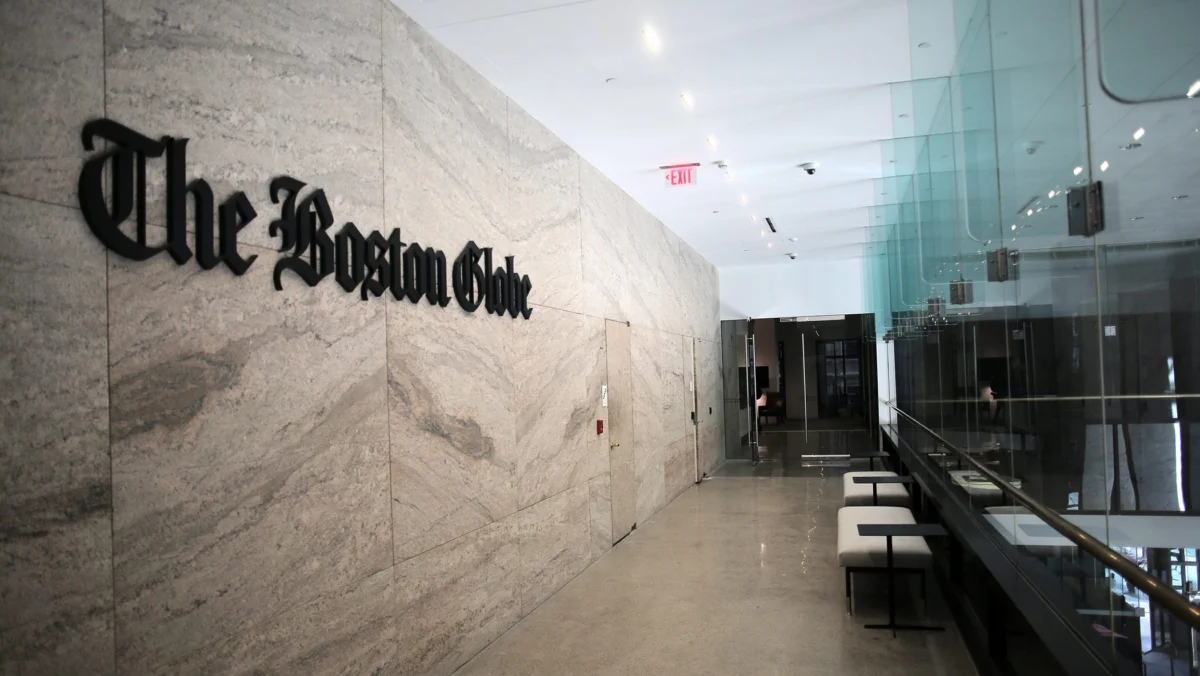
For decades, The Boston Globe has occupied a hallowed space in the American journalistic canon. In the early 2000s, the paper’s "Spotlight" team delivered a series of investigative reports that shattered the silence surrounding systemic abuse within the Catholic Archdiocese of Boston. That work, which earned a Pulitzer Prize and served as the narrative foundation for the 2015 Academy Award-winning Best Picture Spotlight, set an impossibly high bar for the paper. It was the gold standard of "serious" journalism—grave, consequential, and history-altering.
In a surprising turn of events, the Globe has recently found itself at the center of the cultural zeitgeist again, though this time the subject matter is markedly different. The catalyst is a September 22 feature by Annalisa Quinn titled, "A Western Mass. lesbian bar required KN-95 masks. When it changed the rules, all hell broke loose."
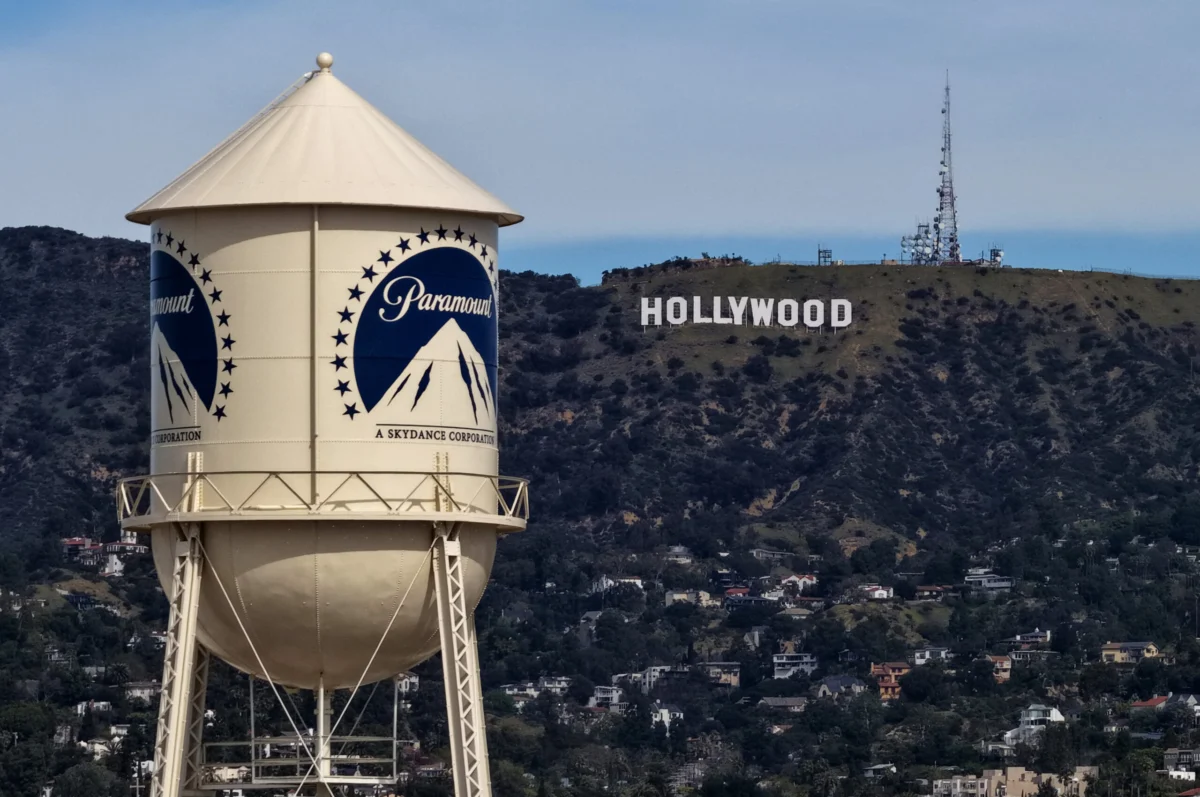
The piece, which chronicles the volatile social fallout following a small business owner’s decision to lift COVID-era safety protocols, has ignited a firestorm on social media and shattered internal engagement metrics. Now, the story is attracting the attention of Hollywood’s elite, with major agencies scrambling to secure rights for screen adaptations.
The Chronology of a Cultural Collision
The narrative arc of the article is deceptively simple, yet it serves as a microcosm for the fractured nature of post-pandemic social discourse. The story centers on a lesbian bar in Western Massachusetts—a space that, for many in the LGBTQ+ community, serves as a vital sanctuary.
For years, the bar maintained a strict mandate requiring patrons to wear KN-95 masks. This policy was not merely a health precaution; for a segment of the community, it was a fundamental pillar of inclusivity, protecting immunocompromised individuals and those living with disabilities. However, as the broader public moved toward a "post-COVID" existence, the economic realities of running a niche, small-scale establishment began to clash with the rigid safety requirements.
When the proprietor, burdened by mounting debt and the crushing overhead of maintaining a business in a post-pandemic economy, made the decision to pivot and drop the mask requirement, the reaction was instantaneous and vitriolic. The article documents a cascade of events: the initial policy shift, the ensuing outcry from long-time patrons, the digital harassment campaign, and the eventual fracturing of a community that had once stood united.
It is a story of clashing values: the individual’s need to survive financially versus the collective’s desire for a hermetically sealed, safe environment.
Anatomy of a Viral Phenomenon: Supporting Data
The metrics surrounding the article are, by any standard, historic for the Globe. A spokesperson for the publication confirmed to The Hollywood Reporter that the story has reached an unprecedented scale of engagement.
"This story has certainly resonated with a wide range of audiences nationally and internationally," the spokesperson stated. "It is now one of the most-read stories we’ve published, and it has already garnered many thousands of subscriptions."
This surge in readership is not merely a byproduct of the sensationalist nature of the conflict; it is indicative of the "relatability" of the tension. In an era where local newspapers are struggling to find relevance in a landscape dominated by global platforms, the Globe has demonstrated that hyper-local human-interest stories—when told with the narrative rigor of investigative journalism—can travel further than traditional hard news.
The story’s success serves as a case study for modern media consumption. In a crowded digital marketplace, readers are gravitating toward "micro-conflicts" that act as proxies for the larger, often unresolvable ideological wars defining American life.
The Hollywood Gold Rush
Predictably, the entertainment industry has taken notice. Insiders report that UTA (United Talent Agency), which represents The Boston Globe, is currently fielding a high volume of inquiries from producers, studios, and streaming platforms.
The interest is bifurcated: some are viewing the story as a compelling, character-driven scripted drama, while others see it as the ideal subject for a documentary—a true-crime style exploration of social media cancellation and the death of community spaces.
"The story has several ready-made characters," one industry insider noted. "You have a besieged bar owner drowning in debt who is forced to make an impossible choice, and you have a faction of former patrons who feel betrayed and are willing to go above and beyond to make their grievances heard. It’s a perfect tension-filled environment."
However, industry analysts warn that optioning an article is only the first step in a long, precarious journey. In the current media landscape, where decision-makers are notoriously risk-averse, the path from print to screen is fraught with obstacles.
"Everyone is scared, and nobody wants to make a decision," one observer noted. "When you are in a climate where budgets are being slashed and streaming platforms are pulling back on original content, you look for projects that offer a competitive edge. A story that has already proven its ability to go viral—that has a built-in audience and a ‘safe’, proven narrative structure—gives a decision-maker a sense of security."
Broader Implications: The Future of "Newspaper Journalism"
The shift from the investigative gravity of Spotlight to the viral intensity of a local bar dispute says much about the changing role of the newspaper in the 21st century. While the Globe continues to maintain its reputation for hard-hitting, Pulitzer-worthy journalism, the economic necessity of the digital age demands stories that can drive subscriptions and capture the fleeting attention of the social media public.
1. The Death of the "Neutral" Space
The article highlights a profound transformation in how we view public spaces. The lesbian bar, once seen as a neutral ground for the community, has become a battleground for competing health ideologies. This mirrors a broader trend where every commercial space—from coffee shops to public transport—is now subject to intense scrutiny regarding safety and community standards.
2. The Power of the "Micro-Conflict"
Hollywood has long utilized journalism as a source for intellectual property. Films like Primetime (based on a 2007 Esquire article) illustrate the longevity of this model. However, the move toward stories like the Globe piece suggests that studios are no longer looking just for "bombshell" political exposés; they are looking for stories that feel like they could happen to anyone, anywhere. The "everyday" quality of this conflict is exactly what makes it a premium asset.
3. The New Economic Imperative
The Globe’s explicit acknowledgement that the article has driven "many thousands of subscriptions" is a critical data point for the industry. For a legacy newspaper to survive, it must successfully navigate the balance between public interest journalism and the type of human-interest storytelling that triggers viral engagement.
As we look to the future, it is clear that the "spotlight" has moved. While the legacy of the Archdiocese investigation remains the backbone of the Globe’s credibility, the future of the paper—and perhaps the future of its partnership with Hollywood—lies in its ability to tell the stories of our fractured, modern lives with the same level of depth and empathy.
Whether this specific story makes it to the silver screen remains to be seen. But the fact that it is being considered at the highest levels of the entertainment industry is a testament to the power of the written word. In an age of infinite digital noise, a well-told story, rooted in the visceral reality of a local dispute, still carries the weight to command global attention.