The communications industry stands at a critical juncture. As generative artificial intelligence reshapes the landscape of content creation, measurement, and crisis management, the consensus at PRSA ICON 2026—held October 18–20 at the Orlando World Center Marriott—was clear: technology is not a replacement for the communicator, but rather a catalyst for a return to radical human-centricity.
The Savannah Bananas Playbook: A People-First Foundation
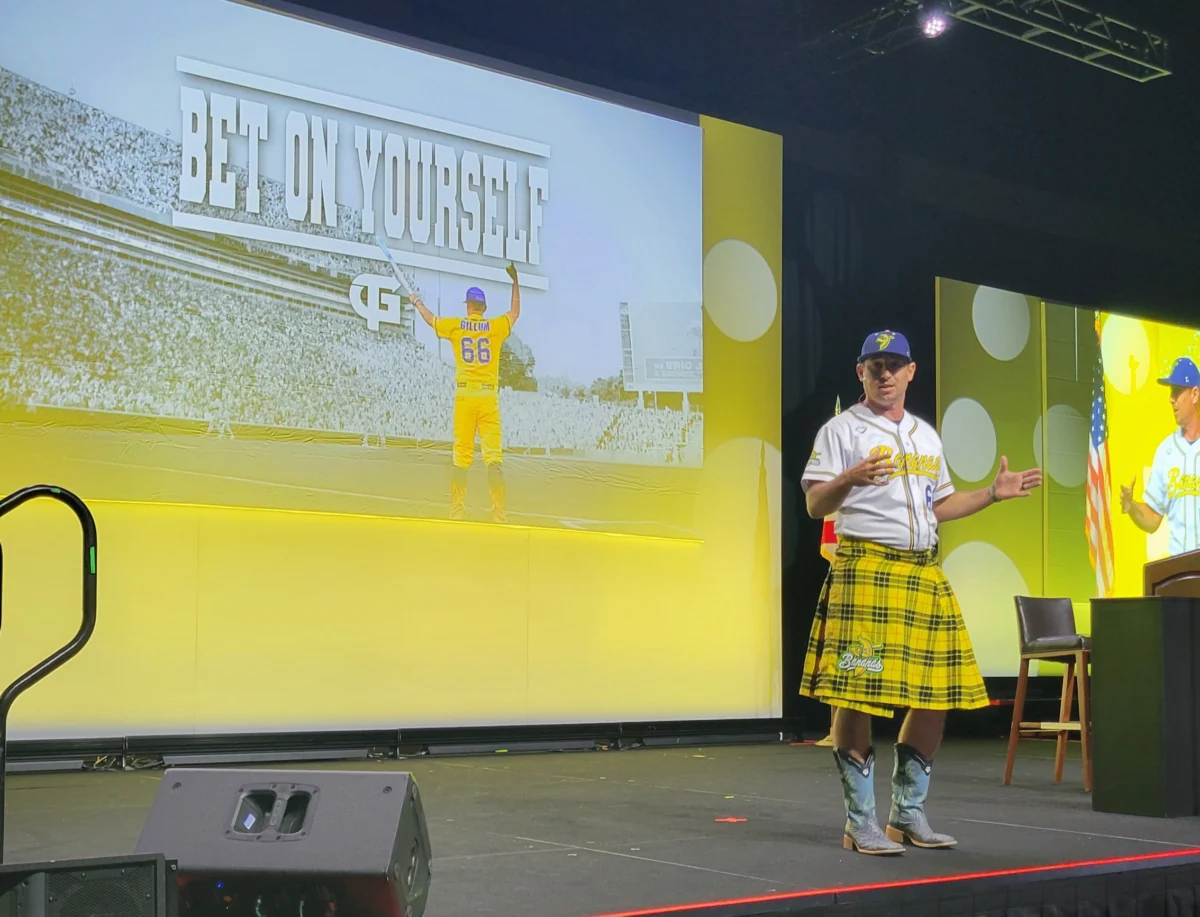
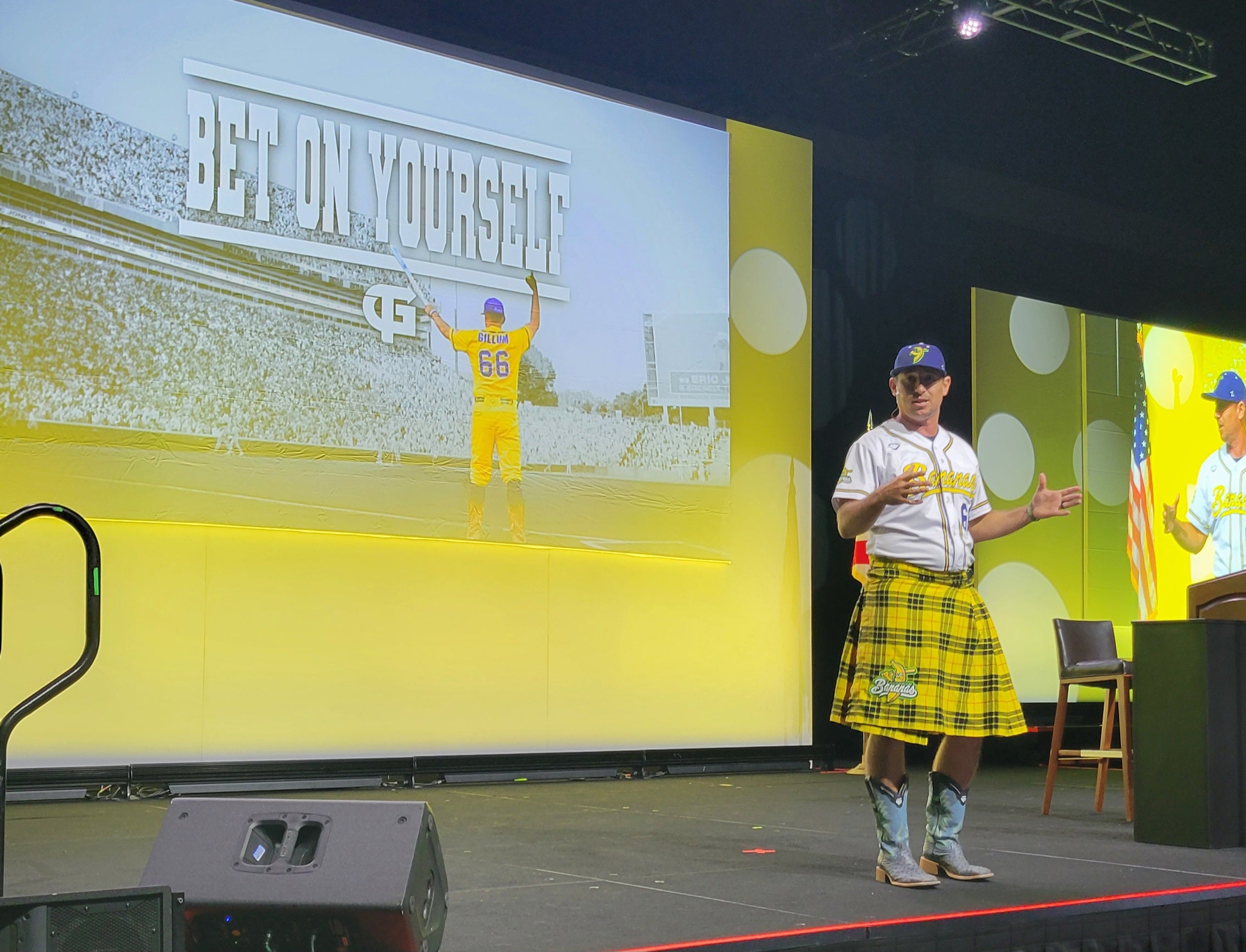
The conference opened with a high-energy keynote from Tyler Gillum, head coach of the Savannah Bananas. Known for revolutionizing the sport of baseball through an uncompromising commitment to fan experience, Gillum’s address set the tone for the entire three-day event.
Gillum argued that true innovation requires the "courage to be misunderstood." By prioritizing the fan experience—right down to individual handshakes and high-fives—the Bananas have built a brand that transcends sports. For the PR professionals in attendance, the message was profound: in an increasingly automated world, the "human touch" is no longer just a soft skill; it is the ultimate competitive advantage.
1. Humanity as the Ultimate Competitive Advantage
The prevailing sentiment across the conference was that while AI can synthesize data, it cannot replicate empathy. Hannah Vazzana, EVP and Chief Brand and Communications Officer at Hilton Grand Vacations, captured the mood during a trends panel, declaring, “I think humanity is trending.”
Vazzana warned that as AI-generated content floods the digital ecosystem, "slop"—low-quality, derivative content—is becoming increasingly easy for consumers to identify. She emphasized that originality remains the exclusive domain of human communicators. “You still need to be a really good writer, a really good editor,” Vazzana noted, arguing that the ability to "read the room" and exercise nuanced judgment is where modern PR pros will find their value.
Damon Jones, Chief Communications Officer at Procter & Gamble, offered a tactical framework for working alongside AI. He suggests that the key is not merely accepting the machine’s output, but interrogating it. “Ask it to explain the assumptions behind its answer,” Jones advised. By forcing the AI to show its work, communicators can sharpen their own logic and ensure the final product reflects strategic intent rather than a hollow statistical average.
2. Moving Beyond Vanity Metrics: Proving Business Value
A recurring theme throughout the sessions was the obsolescence of "impressions" as a primary measure of success. Industry leaders argued that executives are no longer satisfied with reach; they are demanding accountability.
Damon Jones was blunt: “My CEO doesn’t care about impressions. He doesn’t get paid in impressions, and neither do I.” At P&G, the focus has shifted toward building a "body of evidence" that links communication initiatives directly to corporate trust and, ultimately, sales.
This shift in measurement was echoed by Erica Ettori, SVP of Corporate Communications at Universal Destinations. When planning a major U.K. park launch, the team’s goal was not media coverage, but rather public favorability. “It was about how do we get the public to say yes to our plans,” she explained. By setting a hard target of 80% public favorability, the team moved communication from a support function to a business driver.
3. The Art of Listening: A Strategic Imperative
The conference underscored that the best communicators are, first and foremost, the best listeners. Anthony Farina, CCO of Fujifilm, shared a five-step transformation model for communication teams, where "listening" is the mandatory first step.
“Listening to learn and not respond is so critical,” Farina said. He encouraged attendees to seek out internal skeptics rather than avoiding them. By engaging with those who challenge the status quo, communicators gain insights that are often hidden from leadership.
Ettori added that communicators should act as "outdoor cats," exploring the various departments within their own organizations. By building relationships with market research, consumer insights, and investor relations departments, practitioners can ensure their messaging is grounded in the reality of the business rather than just the optimism of the marketing department.
4. Relationships: The Only Reliable Crisis Plan
When the unexpected happens, established relationships serve as the primary insurance policy. During the "Ethics Under Pressure" panel, Brooke DeWalt, a retired captain and former Deputy Chief of Information for the U.S. Navy, spoke about the necessity of pre-existing media relationships.
DeWalt, who managed communications during high-stakes military operations in 2020, emphasized that trust is the currency of crisis management. “If you have a relationship with them, they will be more inclined to listen to what you’re saying,” he noted. This trust is what allows a communicator to maintain credibility even when they don’t have all the answers.
Internal communication also played a massive role in crisis preparedness. Katie Weldon of Ingalls Shipbuilding described the use of "culture connectors"—a network of 600 internal influencers who act as a pulse check for the organization. By monitoring these channels during union negotiations, the team could distinguish between localized rumors and genuine trends, allowing them to provide proactive, calm, and evidence-based responses.
5. Navigating the AI-Content Ecosystem
The final takeaway from PRSA ICON 2026 was a practical approach to the PESO model (Paid, Earned, Shared, Owned) in the age of Large Language Models (LLMs). Speakers urged the audience to view AI as an audience in itself.
To ensure a brand’s narrative is correctly represented in AI-generated answers, companies must treat their owned platforms as an "editorial machine." By publishing fact-rich content—such as corporate blogs detailing supply chain changes or sustainability commitments—brands provide the raw data that LLMs rely on to construct their summaries.
Damon Jones concluded that while earned media remains the gold standard for credibility, it must be validated across multiple touchpoints to influence both human audiences and machine logic. The goal for 2027, according to the panel, is a "multi-modal" approach: consuming information via podcasts, summaries, and long-form articles to fully understand how stakeholders perceive the world.
Implications for the Future of Communications
The consensus of PRSA ICON 2026 is that the profession is evolving from a service role to a strategic one. As AI removes the burden of administrative tasks, communicators are being freed to focus on what matters:
- Human-Centric Strategy: Empathy and intuition are the new differentiators.
- Business Alignment: Metrics must shift from visibility (impressions) to outcomes (favorability and sales).
- Internal Integration: Listening to internal stakeholders is as important as speaking to the media.
- Relationship Equity: Building a "personality credit score" through consistency and integrity remains the best crisis defense.
- Technical Literacy: Communicators must learn to feed the machines with high-quality, verified data while protecting the human voice in their output.
As the conference concluded, the message was clear: the faster technology moves, the more the human side of communication sets teams apart. The "homework" for the year ahead is to cultivate these human skills with the same rigor usually reserved for technical implementation. For the modern communicator, the future is not about doing more, but about doing better—with deeper listening, sharper measurement, and an unwavering commitment to the human connection.