In the rapidly shifting landscape of social media, Instagram remains a pivotal battleground for brands. As the platform pivots toward a hybrid model of subscription-based premium features, algorithmic transparency, and deeper creator-led storytelling, marketers are forced to re-evaluate their playbooks. With insights from personal branding expert Chelsea Peitz, this analysis breaks down the four most significant changes to the Instagram ecosystem and what they mean for your bottom line.
1. The Rise of the Instagram Plus Subscription
Instagram has officially waded into the paid-subscription waters with "Instagram Plus," a $3.99 monthly offering designed to augment the user experience without placing the core platform behind a paywall. This move aligns with Meta’s broader strategy of diversifying revenue streams alongside Meta Verified and Meta AI.
Core Features and Value Proposition
The subscription primarily targets power users and creators, focusing on three main enhancements:
- Story Spotlight: A "soft boost" mechanism that pushes a subscriber’s content to the front of their followers’ Story feed.
- Story Extend: Increases the longevity of a Story from 24 to 48 hours.
- Advanced Customization: Exclusive fonts and granular audience segmentation lists.
The Marketing Implications
Chelsea Peitz, a noted personal branding strategist, suggests that the value of these tools is highly niche. For most brands, the cost-to-benefit ratio remains questionable. The most significant feature, Story Spotlight, serves as a strategic play for visibility. Because users often consume the first few stories in their queue, this feature can increase reach for brands that rely on Stories for community nurturing.
However, the risk of "feature dilution" is high. If a large percentage of creators adopt the subscription, the competitive advantage of being at the "front of the line" evaporates. Furthermore, Peitz emphasizes that subscription features cannot compensate for lackluster content. The fundamental rule of marketing remains: platform features amplify reach, but they cannot replace compelling storytelling.
2. Demystifying ‘Your Algorithm’: User-Controlled Content Discovery
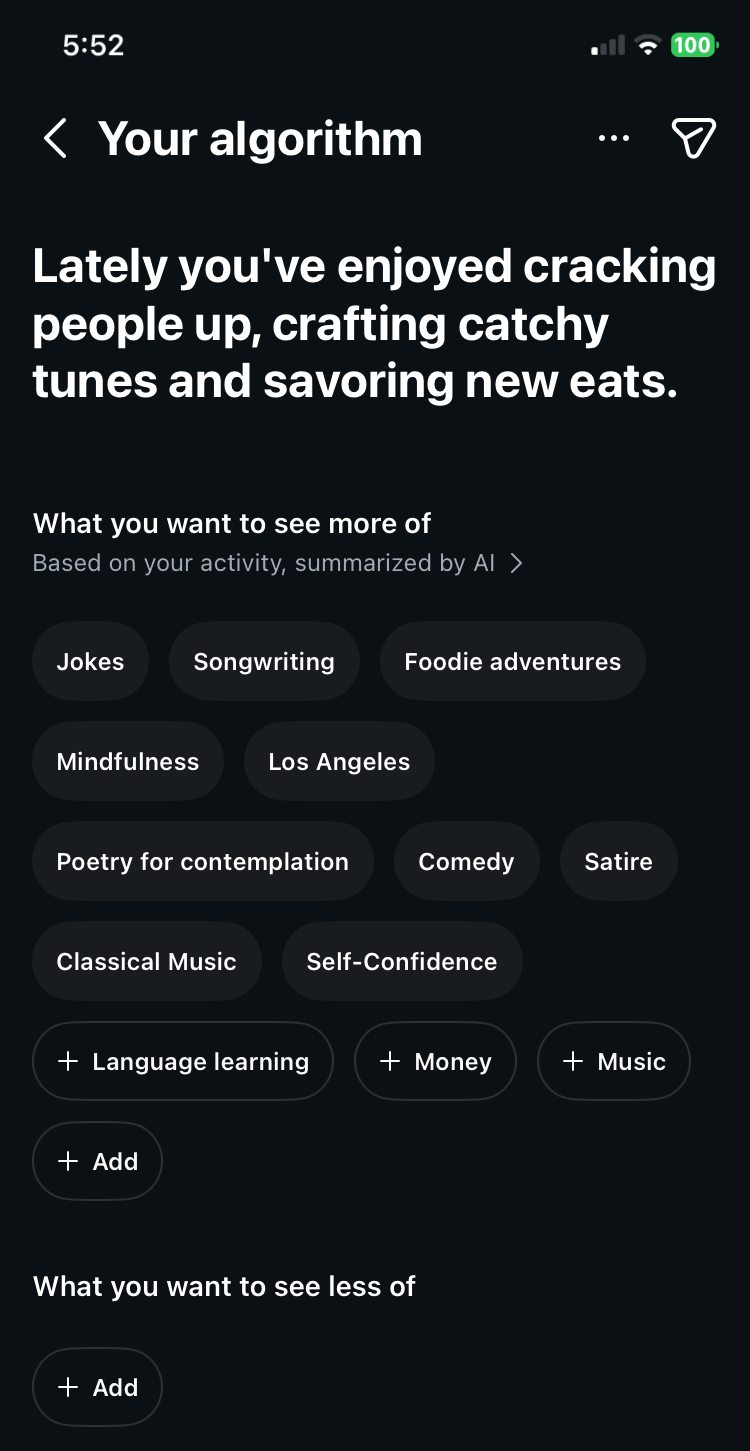
Perhaps the most significant change to the platform’s underlying architecture is the "Your Algorithm" feature. This settings panel allows users to view, add, or remove interest-based categories that dictate the content they see on Reels, Explore, and the main feed.
Chronology of the Shift
Instagram, once a platform defined by the "social graph" (content from friends and followed accounts), has officially transitioned to an "interest graph" model. This mirrors the trajectory of competitors like TikTok and YouTube. By giving users control over their algorithmic inputs, Meta is attempting to curb user fatigue and increase time spent on the app.
Data and User Behavior
Early testing suggests that while the feature is technically robust, adoption remains low among the general public. Most users are unaware the settings exist, and those who do tinker with them often treat it as a "set it and forget it" utility.

For marketers, the implication is clear: do not attempt to game the algorithm by chasing broad, trending categories. Instead, focus on the fundamentals. The system’s current method of categorizing creator content—using automated AI labels—is still prone to errors, often misclassifying professional branding content as unrelated topics like "QR codes" or "retail." Because the categorization engine is not yet perfectly accurate, optimizing for it is a losing game. The most successful brands will continue to focus on solving audience pain points and maintaining clear content pillars.
3. Instants: The Push for Real-Time Authenticity
Instagram has introduced "Instants," a feature dedicated to raw, unpolished, real-time photo sharing. Much like the now-faded "BeReal" trend, Instants disappear after viewing and expire entirely after 24 hours.
The User Experience (UX) Conflict
Initially, the placement of Instants within the Direct Message (DM) inbox caused significant friction. Users reported accidentally triggering the feature while attempting to navigate their messages. While Instagram has adjusted the interface to mitigate this, the feature still feels like a secondary utility rather than a core pillar of the platform.
Strategic Applications
Despite the initial UX hurdles, Instants offer a distinct opportunity for:
- Flash Sales: Creating immediate urgency.
- Behind-the-Scenes Coverage: Humanizing a brand through unedited, "in the moment" glimpses.
- Event Documentation: Providing raw, authentic coverage that feels more personal than a curated feed post.
However, marketers should view Instants as an experimental channel. Given the platform’s history of launching similar features that fail to achieve mass adoption, brands should prioritize existing, high-performing formats like Reels and Stories before investing significant creative resources into Instants.
4. Episodic Reels: The Future of Binge-Worthy Content
Perhaps the most exciting development for long-term growth is the testing of "Episodic Reels." This feature allows creators to organize content into playlists or series that live in a dedicated hub on their profile.
Turning Content into a Conversion Tool
This feature finally bridges the gap between top-of-funnel reach and bottom-of-funnel conversion.
- Top of Funnel: Individual Reels continue to act as discovery vehicles, reaching new audiences via the recommendation engine.
- Middle of Funnel: Stories continue to serve as the nurture surface for existing followers.
- Bottom of Funnel: Reels Series act as the final stage, where a prospective client or customer can "binge" educational or product-based content, establishing deep trust and authority.
The Power of Playlists
Data from other platforms confirms that viewers who engage with a series are significantly more likely to convert. By organizing content into series—such as "Product FAQs," "Client Case Studies," or "Step-by-Step How-Tos"—brands can demonstrate sustained expertise. A user who watches three or four episodes of a series is effectively engaging in a "mini-course" provided by the brand, which is a powerful psychological trigger for purchasing.

Implications for the Modern Marketing Strategy
The common thread linking these four developments is Meta’s desire to keep users within the app for longer periods. Whether it is through the "bingeability" of Reels series or the personalized interest-graphs of "Your Algorithm," Instagram is evolving into a more complex, multi-layered experience.
Recommendations for Brands:
- Stop Chasing Trends, Start Building Funnels: The platform is increasingly rewarding brands that use all three "surfaces"—Reels (Discovery), Stories (Nurture), and Series (Conversion). Ensure your content strategy covers all three stages.
- Prioritize Human-Centric Content: As algorithmic categorization remains inconsistent, the most reliable "keyword" is the trust you build with your specific audience. Focus on solving their unique problems rather than trying to fit into a generic algorithmic box.
- Audit Your Existing Assets: When the Series feature rolls out to your account, you shouldn’t have to start from scratch. Begin auditing your past educational Reels now, grouping them into logical themes so you are ready to launch your first "playlist" as soon as the feature goes live.
- Evaluate Paid Subscriptions Carefully: Do not feel pressured to adopt Instagram Plus unless you are a personal brand with a high-engagement, Story-centric audience. For most B2B or e-commerce businesses, the return on investment for "Story Spotlight" is unlikely to exceed the cost of the subscription.
Final Thoughts
Instagram is moving away from the era of the "viral hit" and toward an era of "deep retention." The platforms of the future are not just about showing content to millions; they are about curating a specific experience for a dedicated community. By leaning into the episodic nature of content and focusing on the middle-of-funnel nurture provided by Stories, marketers can build a resilient, future-proof presence on the platform. The tools are changing, but the necessity of providing genuine value remains constant.