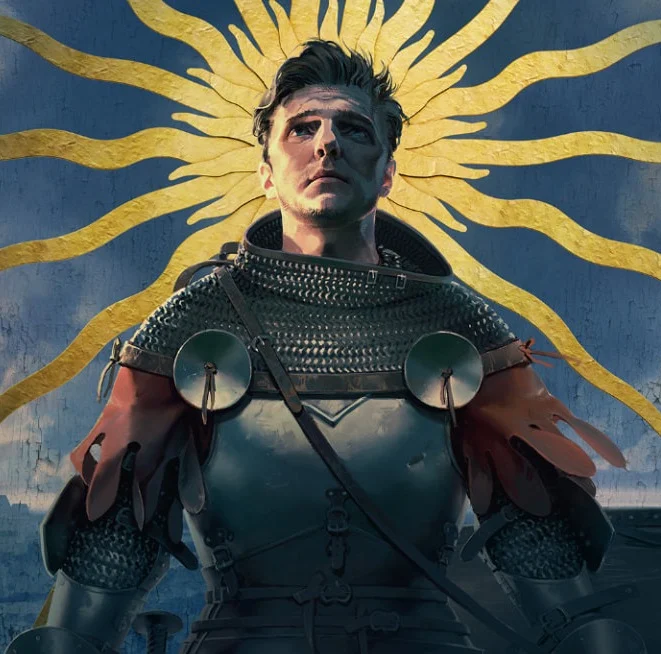
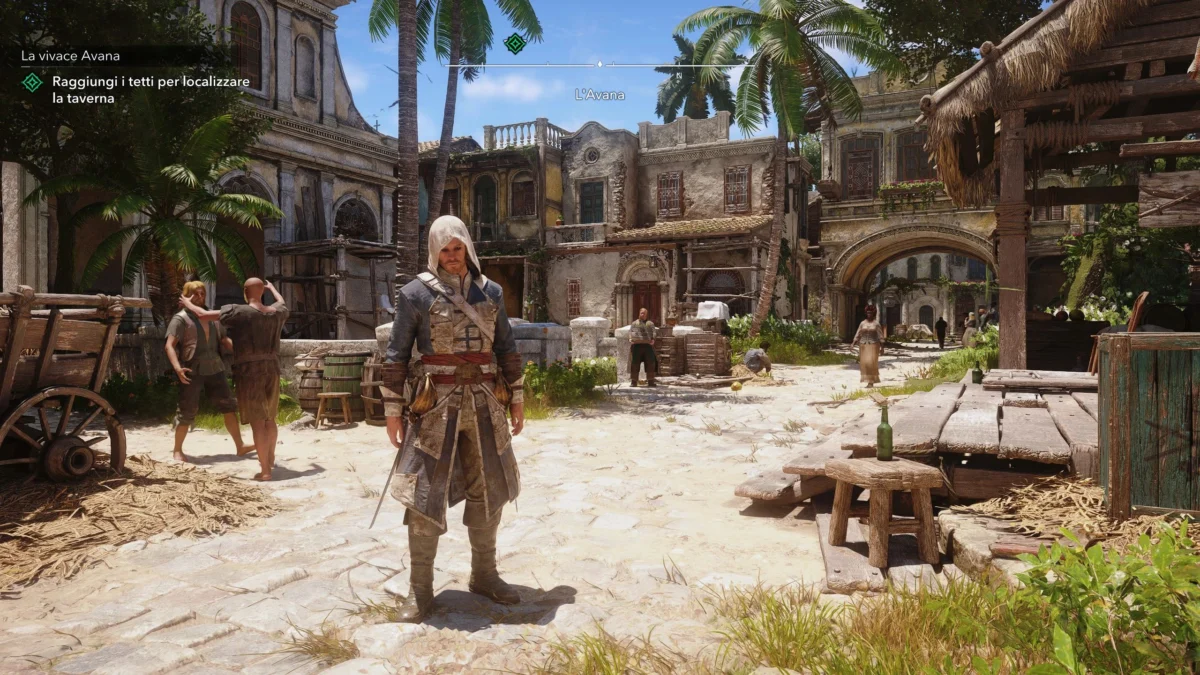
For over a decade, a distinct visual aesthetic dominated the landscape of big-budget gaming. Often derisively referred to as the "piss filter" by the community, this heavy-handed yellow-tinted color grading became a hallmark of the late 2000s and early 2010s. Whether it was the dusty, sun-scorched streets of a fictionalized Mexico in prestige television or the post-cyberpunk ruins of Deus Ex: Human Revolution, developers seemed obsessed with bathing their worlds in a warm, sepia-toned hue.
Now, the classic pirate epic Assassin’s Creed IV: Black Flag is the latest title to undergo a visual deconstruction. Thanks to a new community-led mod, players are finally scrubbing away the years of simulated dehydration to reveal the vibrant, natural Caribbean waters that Ubisoft originally intended.
The Tyranny of the "Mexican Filter"
To understand the necessity of mods like ACBlackFlag Natural Colors, one must first understand the era of game development that birthed them. In the early 2010s, "warmth" was equated with "cinematic quality." Color grading was used as a shortcut to establish mood, setting, and atmosphere. However, as display technology evolved—moving from standard 1080p monitors to high-dynamic-range (HDR) displays and high-resolution panels—these baked-in filters began to age poorly.
The phenomenon became a trope. Critics and players alike began to identify the specific, sickly yellow gradient that would coat the screen in tropical settings, intended to simulate the sweltering heat of the Caribbean or the Middle East. While intended to evoke a "tropical" vibe, the result in Black Flag was often a washed-out, murky aesthetic that obscured the deep blues of the ocean and the lush greens of the island jungles.

A Chronology of the Visual Correction Movement
The movement to "clean" Assassin’s Creed titles did not happen overnight. It is the culmination of years of community-driven engine analysis and persistent modding efforts.
- 2013: Assassin’s Creed IV: Black Flag launches to critical acclaim, but immediate discourse begins regarding its "heavy" lighting and post-processing effects.
- 2015–2018: The rise of ReShade as a standard tool for PC enthusiasts allows for the external injection of depth-buffer effects, color correction, and sharpening, leading to the first primitive attempts to neutralize the game’s color palette.
- 2020–2023: As the game becomes a staple of the "pirate fantasy" genre, a new wave of modders begins targeting technical limitations beyond just color, such as framerate caps and animation interpolation.
- 2024: Modder "Blu" releases ACBlackFlag Natural Colors, a refined preset that acts as a surgical correction to the game’s color-grading pipeline.
This latest development marks a turning point. Rather than simply applying a blanket "de-yellowing" effect, the Natural Colors mod specifically targets the oversaturated highlights and the murky shadows that defined the original release, providing a crisper, more modern look that better suits contemporary monitor calibration.
Supporting Data: Why the Mod Matters
The technical implications of the Natural Colors mod are significant. When comparing the original Ubisoft release to the modified version, the difference is not merely aesthetic—it is a matter of visual clarity.
The original game employs a high-contrast, high-saturation look that often results in "crushed" blacks and blown-out highlights. By removing the yellow filter, the mod restores the color gamut of the water, shifting it from a muddy, swampy green back to the vibrant turquoise and deep sapphire tones of the real-life Caribbean.

Furthermore, the mod is designed to be lightweight. Unlike "Total Conversion" mods that replace textures or character models, ReShade presets like Natural Colors function by reading the frame buffer and applying color-space adjustments in real-time. This ensures that the performance cost is negligible, allowing players to enjoy the "remastered" look without the heavy hardware requirements of a traditional graphical overhaul.
The Ecosystem of Improvements: Beyond Color
The ACBlackFlag Natural Colors mod is currently part of a broader ecosystem of community tools that, when combined, transform the game into a modern-feeling experience. For players looking to revisit Edward Kenway’s journey, the following suite of mods is now considered the "gold standard":
- ACBlackFlag Natural Colors (by Blu): The cornerstone of the visual overhaul, focusing on color correction and the removal of the aforementioned yellow tint.
- ACBlackFlagFix: This essential utility addresses the game’s archaic technical shortcomings. It unlocks the cutscene framerate—which was originally hard-coded to 30fps—and enables cloth physics to animate at 60fps, resolving the "jittery" look of capes and sails. It also removes the restrictive pillarboxing on ultrawide monitors.
- Fast Launch Mod: For those who value their time, this utility bypasses the unskippable startup logos and promotional videos, dropping the player directly into the main menu.
Implications for Future Remasters
The existence of these mods raises an interesting question regarding the industry’s approach to older titles. When a single community member can achieve such drastic visual improvements with a simple post-processing shader, why are official "remasters" often so lackluster?
In many cases, the "look" of a game is tied to the artistic vision of the original developers. Ubisoft’s choice to use a yellow-tinted filter in 2013 was a deliberate aesthetic decision, not necessarily a technical failure. However, as the audience’s preference shifts toward naturalism and color accuracy, the divide between the original artistic intent and modern consumer expectation grows.
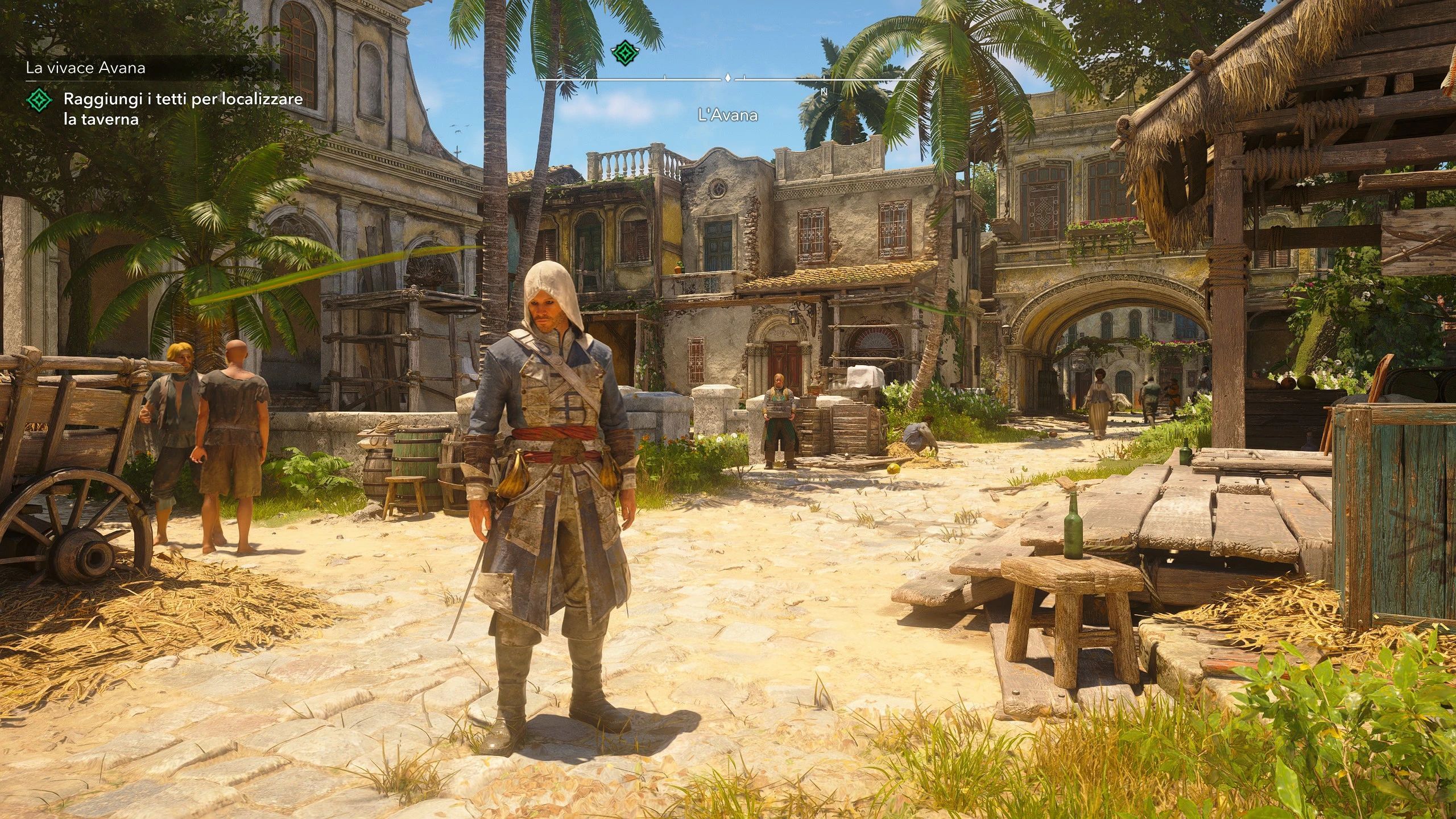
By providing these tools, modders are effectively acting as curators, preserving the gameplay mechanics of Black Flag while updating its presentation to meet current standards. This allows the game to remain relevant in a market flooded with modern open-world titles, proving that even a decade-old game can be visually competitive if the player base is given the agency to "resync" the experience to their liking.
Conclusion: A New Way to Sail
The "piss filter" era of gaming is slowly coming to an end, not through corporate re-releases, but through the dedicated labor of the PC modding community. By removing the artificial warmth of Assassin’s Creed IV: Black Flag, players are discovering that the game underneath is more beautiful, more vibrant, and more immersive than they ever realized.
As we look toward the future of the Assassin’s Creed franchise, it is clear that the community will continue to play a pivotal role in the longevity of these titles. Whether it is through color correction, frame-rate unlocking, or quality-of-life improvements, modders are ensuring that even when the official support stops, the adventures of Edward Kenway will remain as clear and crisp as the Caribbean sea.