
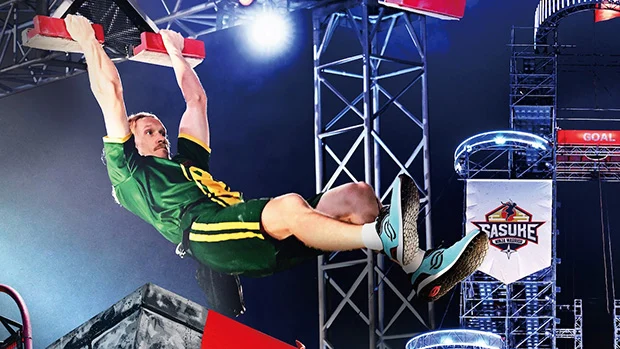
In a strategic move to replicate the monumental success of the Ninja Warrior franchise, Japanese media giant Tokyo Broadcasting System (TBS) has officially announced its plans to bring the hit Japanese variety format Kisuke to the American market. Retitled Dumb Luck for US audiences, the project represents a significant pivot for the broadcaster, shifting away from the grueling, high-athleticism challenges that defined its previous international breakout toward a format defined by chaos, comedy, and total lack of skill.
The adaptation is being spearheaded by TBS International in collaboration with the prolific production house A Smith & Co. Productions, a subsidiary of the Tinopolis Group. This partnership aims to capitalize on a growing appetite for lighthearted, family-friendly unscripted content that prioritizes laughter over elite physical prowess.
The Evolution of a Concept: From Morning Variety to Global Ambition
The journey of Dumb Luck began in 2024 as a humble, albeit viral, segment on the popular TBS Japan morning variety show Love It!. Unlike the high-stakes intensity of Sasuke (the original Japanese iteration of Ninja Warrior), Kisuke was designed to strip away the pretense of competition.
The format is famously described by its creators as requiring "no smarts, zero skill, and absolutely no strength or stamina." Instead of training for months to conquer warped walls or salmon ladders, contestants in Dumb Luck are subjected to a series of absurdist, luck-based obstacles. The primary objective is not to finish a course with the fastest time, but to avoid the inevitable slapstick consequences—ranging from dousings in freezing water and surprise electric shocks to being bombarded by explosive flour cannons.
Following the segment’s massive popularity on Love It!, TBS produced a two-hour special that not only dominated its time slot but solidified the format’s potential for international syndication. The success of this special served as the catalyst for the current US development deal.
A Proven Partnership: The Legacy of Ninja Warrior
To understand the weight of this announcement, one must look at the historical precedent set by the relationship between TBS and A Smith & Co. Productions. For over a decade, the two entities have been inextricably linked through American Ninja Warrior (ANW), the US adaptation of the Japanese classic Sasuke.
Now in its 18th season on NBC, American Ninja Warrior has evolved from a niche import into a cultural juggernaut, spawning a massive community of athletes and creating a new sub-genre of obstacle-course reality television. A Smith & Co., led by industry veteran Arthur Smith, has proven its ability to take a Japanese format and refine it for a Western audience without sacrificing the "heart" of the original. Given that A Smith & Co. is also the power behind hits like Hell’s Kitchen and Floor is Lava, the decision to entrust Dumb Luck to their team appears to be a calculated play to ensure the show finds its footing in the crowded American cable and streaming landscape.
Strategic Realignment: Building a US Infrastructure
The move to bring Dumb Luck to the States is not an isolated incident; it is part of a broader, more aggressive strategy by TBS to solidify its footprint in the American television market. Historically, international broadcasters often licensed their formats to local producers and took a step back. TBS, however, is now positioning itself as a proactive player in the development process.
This shift is underscored by recent personnel changes within the organization. TBS recently recruited unscripted television veteran Elwin de Groot to serve in a senior development executive role. De Groot’s appointment followed the significant decision to relocate sales and development executive Shuji Maeda from the broadcaster’s Tokyo headquarters to Los Angeles. By placing boots on the ground in the heart of the entertainment industry, TBS is signaling that it intends to move beyond being a mere licensor and become a permanent, active participant in American production.
Official Perspectives: Why "Dumb Luck" Matters Now
The decision to lean into comedy-driven reality TV is, according to TBS executives, a response to the current state of the global content market.
"We saw its universality, comedy-based nature, and ability to offer something quite different in today’s market," said Goshu Segawa, VP of TBS International. Segawa’s sentiment reflects a growing trend in the industry: as reality television becomes increasingly saturated with high-stress competition and hyper-serious docu-dramas, there is a vacuum for "pure" entertainment—shows that viewers can enjoy without the emotional labor required by more serious formats.
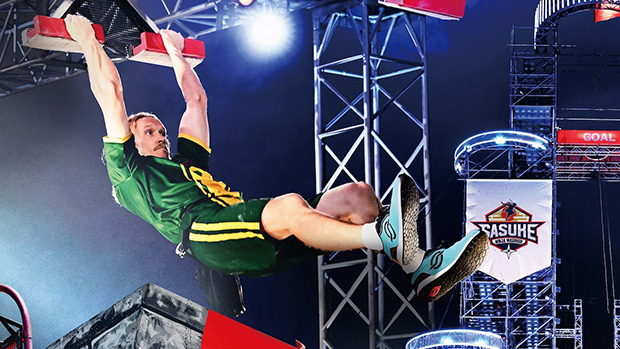
"We quickly decided that A Smith & Co. were the ideal partners for developing Dumb Luck and believe it will win over American audiences just as Ninja Warrior has," Segawa added.
For the production side, the enthusiasm is equally palpable. Eli Baldrige, executive VP of development at A Smith & Co., emphasized the synergy between the two companies. "TBS and A Smith have a longstanding track record of creating shows that connect, entertain, and sustain, and we’re excited to once again partner to bring this show and its bold, comedic energy to life for US audiences."
Behind the Scenes: The Production Pedigree
While the show prides itself on a "no-skill" premise, the production behind the scenes is anything but accidental. The Dumb Luck special was meticulously crafted by a team of seasoned veterans. The production was overseen by Yoshimi Ito and Takuma Inoue, with Haruhiko Yasuoka serving as the chief director.
The American development team includes a powerhouse roster, including TBS International’s Goshu Segawa, Elwin de Groot, and Shuji Maeda, working in tandem with A Smith & Co.’s Arthur Smith, Eli Baldrige, and Tim Dix. This collaborative structure suggests that while the show will retain its Japanese DNA—specifically the chaotic, high-energy editing style and slapstick humor that makes it so watchable—it will be filtered through the polished, high-production-value lens that American audiences expect from prime-time network television.
Implications for the Unscripted Market
The launch of Dumb Luck poses interesting questions for the future of the unscripted genre in the US. For years, the "obstacle course" format has been dominated by the quest for physical perfection. By introducing a format that actively celebrates the "everyman" failing—often in spectacular fashion—TBS is challenging the norms of the genre.
1. The "Anti-Competition" Trend
If Dumb Luck succeeds, it could usher in a new wave of "anti-competition" formats. Shows where the outcome is truly left to chance, rather than merit, tap into the innate human enjoyment of schadenfreude. This could potentially move the needle away from the hyper-athletic, sponsor-heavy formats that have become the standard.
2. The Resurgence of Japanese Formats
Japanese game shows have long been a source of inspiration for Western television, from Takeshi’s Castle to Iron Chef. With TBS’s newfound commitment to a physical presence in Los Angeles, we may see a more streamlined pipeline for Japanese intellectual property. This could lead to a "golden age" of Japanese-to-US adaptations that are more authentic to their roots while being commercially viable for Western networks.
3. Strengthening US-Japan Media Ties
The partnership between TBS and A Smith & Co. serves as a blueprint for cross-continental media collaboration. By sharing creative control and leveraging the expertise of local production houses, international broadcasters can mitigate the risks associated with cultural translation. If this model proves successful with Dumb Luck, it is highly likely that other major Japanese broadcasters will look to mirror this "hub-and-spoke" development strategy in Los Angeles.
Conclusion: A Gamble Worth Taking?
As the industry waits for further details on which network or streaming platform will host Dumb Luck, the buzz surrounding the project continues to build. While American Ninja Warrior was a triumph of human potential, Dumb Luck is shaping up to be a triumph of the human condition—specifically, our universal tendency to find humor in our own missteps.
In a market defined by intense competition for viewer attention, TBS and A Smith & Co. are banking on a simple, yet radical idea: that in a world where everyone is trying to be a winner, there is massive, untapped value in being delightfully, hilariously, and purely lucky. Whether or not it matches the 18-season run of its predecessor remains to be seen, but the intent is clear: TBS is back, and they are ready to turn the US reality landscape into their own personal, flour-dusted playground.