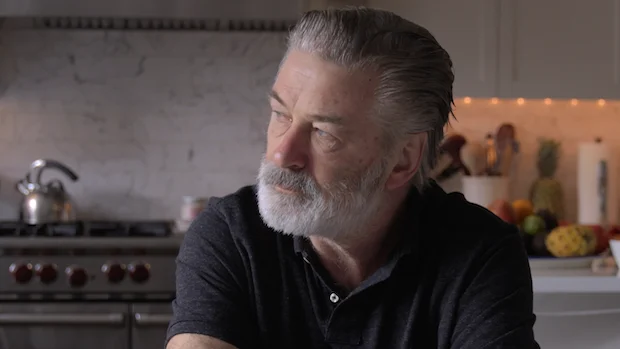
The enduring fascination with the life and crimes of Aileen Wuornos—one of America’s most polarizing and infamous serial killers—is set to be reignited this autumn. Investigation Discovery (ID), the Warner Bros. Discovery-owned powerhouse of true crime programming, has officially commissioned a three-part docuseries titled Unmasking a Monster: Aileen Wuornos.
Produced by the Fremantle-backed powerhouse Arrow Media, the project promises to move beyond the well-trodden ground of past biopics and documentaries. By integrating advanced digital replication and immersive visual effects, the series seeks to bridge the gap between historical archival records and the visceral, lived experience of the events that transpired in Florida between 1989 and 1990. The series is scheduled to premiere on September 30, with simultaneous availability on the streaming platform HBO Max in the United States.
The Case: A Chronology of Chaos
To understand the significance of this new series, one must look back at the tumultuous events that shook the Sunshine State over three decades ago. Aileen Wuornos was a transient sex worker operating along the highways of Florida when, in a span of just twelve months, she shot and killed seven men.
The 1989–1990 Killing Spree
The investigation into the deaths of seven men—Richard Mallory, David Spears, Charles Carskaddon, Peter Siems, Troy Burress, Charles Humphreys, and Walter Antonio—dominated the headlines in the late 80s. The discovery of their bodies sparked a massive, statewide manhunt, as law enforcement struggled to identify the perpetrator. The media at the time dubbed her the "first female serial killer," a label that has since been debated by criminologists and historians who argue that the gendered framing of the case often overshadowed the complex socioeconomic factors at play.
Arrest and Legal Battle
Wuornos was eventually apprehended in January 1991. Her arrest followed a series of complex police operations and an eventual confession that she maintained was rooted in self-defense. Her trial became a media sensation, characterized by her erratic courtroom behavior and the subsequent collapse of her claims of self-defense. She spent approximately a decade on death row at the Lowell Correctional Institution, where she became a subject of both intense scrutiny and profound empathy from various advocacy groups.
Execution and Aftermath
On October 9, 2002, Aileen Wuornos was executed by lethal injection at the Florida State Prison. Her death marked the end of a legal saga that had spanned years, yet her story—and the debate over her motives—never truly died. Since her execution, she has been the subject of numerous books, academic studies, and the Academy Award-winning film Monster (2003), starring Charlize Theron.
Bridging the Past and Present: Production and Technology
Unmasking a Monster: Aileen Wuornos distinguishes itself from its predecessors through its heavy reliance on cutting-edge visual technology. Under the stewardship of Arrow Media, the production team has employed digital replication techniques to visualize key moments from Wuornos’s life.
The Use of VFX and Scripted Re-enactment
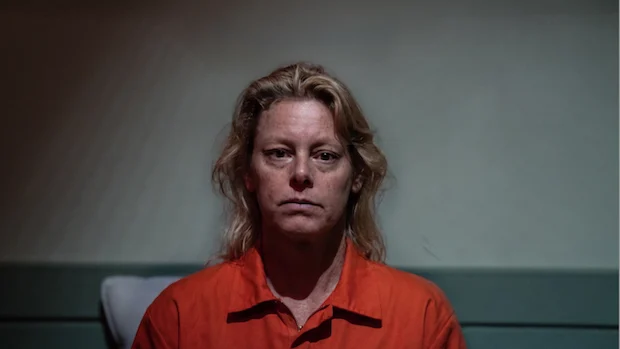
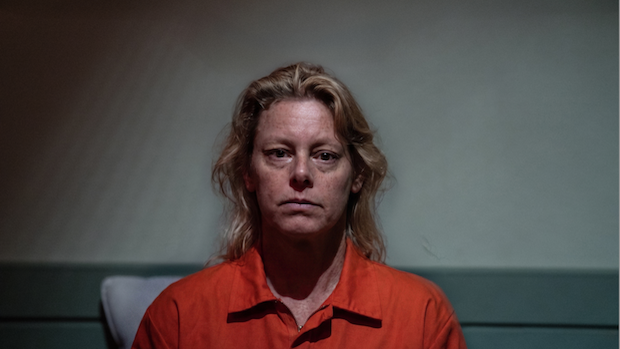
The series features actress Morag Peacock, who steps into the role of Wuornos for the scripted recreations. However, these are not mere dramatic flourishes. The producers claim that every scene is meticulously anchored to legal transcripts and firsthand testimony. By using advanced VFX to reconstruct scenes as they were understood by investigators and witnesses at the time, the series attempts to provide an "augmented" historical record.
This approach serves a dual purpose: it aims to satisfy the modern appetite for high-production-value true crime while maintaining a strict adherence to the evidentiary record. The producers have also conducted extensive interviews with law enforcement officers who were present during the original investigation, members of Wuornos’s inner circle, and legal experts who were involved in the trial proceedings.
Official Perspectives: The Vision Behind the Lens
The commission of this series reflects a strategic pivot in the true crime genre, where the focus is shifting from "whodunit" to "how do we understand the context."
Jason Sarlanis on the Evolution of Storytelling
Jason Sarlanis, President of Investigation Discovery, has been vocal about why this project is a milestone for the network. "Documentary storytelling has always evolved alongside advances in filmmaking," Sarlanis stated. "By applying cutting-edge technology to the true crime genre, we are deepening audiences’ understanding of real events in completely new ways."
For Sarlanis and his team, the goal is not merely to recount the grizzly details of the murders, but to "unmask" the layers of the woman behind the headlines. By collaborating with those who were there—law enforcement, legal counsel, and associates—the series aims to strip away the sensationalism that characterized the initial news cycles of the early 90s.
The Implications of the "New" True Crime
The production of Unmasking a Monster raises significant questions about the ethics and aesthetics of contemporary documentary filmmaking. As technology becomes more sophisticated, the line between historical reenactment and speculative drama grows thinner.
Re-evaluating the "Monster" Narrative
The title itself, Unmasking a Monster, is provocative. It acknowledges the persona that was built around Wuornos by the media, while simultaneously promising an attempt to "unmask" her. This suggests a nuanced exploration of the intersection between trauma, mental health, and the systemic failures that often precede such extreme violence. Critics have long argued that the label of "monster" served to distance society from the uncomfortable realities of Wuornos’s upbringing and the dangers inherent in the sex trade.
The Role of Technology in Forensic Storytelling
The use of digital replication also points toward a future where historical events can be "re-rendered" for educational or investigative purposes. While some purists may fear that VFX could distort the truth, the producers argue that when tethered to legal transcripts, these visual tools actually provide a more precise window into the case. It allows the audience to visualize the crime scenes and the police interrogations with a clarity that static archival footage simply cannot provide.
Conclusion: A New Chapter in a Long-Running Saga
As the September 30 release date approaches, the industry is watching closely to see how audiences respond to this hybrid of high-tech documentary and investigative journalism. The story of Aileen Wuornos is one of the most significant chapters in American criminal history, representing a collision of gender politics, the failings of the justice system, and the dark reality of extreme violence.
Unmasking a Monster: Aileen Wuornos arrives at a moment when the public’s relationship with true crime is increasingly complex. Audiences are demanding more than just gore; they are seeking depth, context, and a sense of "truth" that transcends the initial shock value of the crimes. By combining the expertise of Arrow Media’s production team with the reach of Warner Bros. Discovery’s platforms, the series is poised to become the definitive account of one of history’s most enigmatic figures.
Whether the series succeeds in truly "unmasking" the human being behind the notorious label remains to be seen. However, one thing is certain: the conversation surrounding Aileen Wuornos is far from over. Through the lens of 21st-century technology, her story will be re-examined, re-visualized, and debated by a new generation of viewers, ensuring that the legacy of those fateful days in Florida continues to haunt the American consciousness.