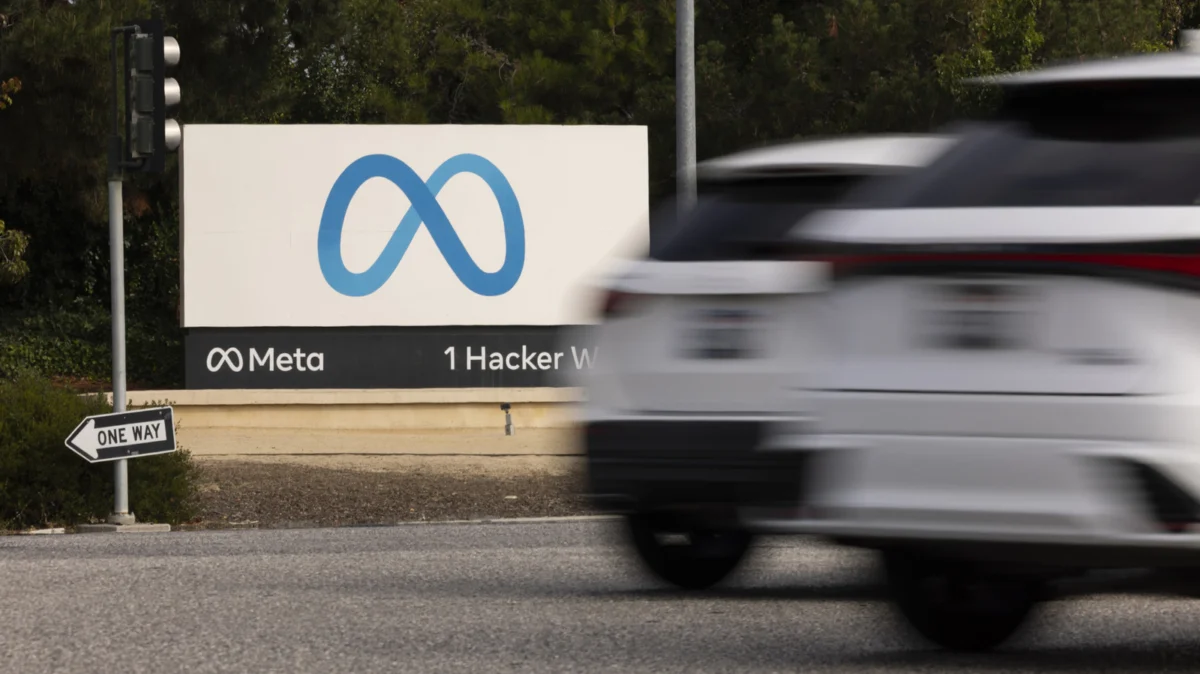
In a move that signals a seismic shift in the corporate landscape of artificial intelligence, Meta Platforms Inc. is reportedly in preliminary discussions to lease its massive data center infrastructure to AI rival Anthropic. According to reports from The New York Times, this potential partnership could be valued at up to $10 billion over a two-year period, marking a significant evolution in how the social media giant leverages its gargantuan capital expenditures.
For Meta, which has historically relied on digital advertising for the overwhelming majority of its revenue, this development represents more than just a real estate transaction. It is a fundamental pivot toward becoming a provider of cloud-based compute services—a move that would pit it directly against established titans like Amazon Web Services (AWS), Microsoft Azure, and Google Cloud.
The Core Facts: A Mutually Beneficial Alliance
At the heart of these discussions is the insatiable demand for high-performance computing (HPC) power. Anthropic, the developer behind the highly capable Claude AI models, is currently locked in a fierce arms race to train and deploy increasingly sophisticated artificial intelligence. To achieve this, Anthropic requires massive amounts of Graphics Processing Units (GPUs) and the physical infrastructure to house them.
Conversely, Meta has spent the better part of the last three years building out one of the most robust data center networks in the world. Under CEO Mark Zuckerberg’s direction, the company has pivoted its entire operational focus toward AI, pouring tens of billions into specialized hardware. By leasing out its excess or strategically allocated capacity to Anthropic, Meta could recoup a significant portion of its infrastructure costs, effectively turning its capital-intensive "cost centers" into lucrative revenue streams.
Chronology of a Corporate Shift
The path to this potential deal did not materialize overnight. It is the culmination of a broader strategic shift within Menlo Park.
- 2023: The AI Pivot: Following the global explosion of generative AI interest, Meta formally pivoted its hardware roadmap, accelerating the construction of massive GPU clusters designed for training large language models (LLMs) like Llama.
- Late 2024 (Earnings Call): During an investor briefing, CEO Mark Zuckerberg openly acknowledged that the company receives frequent inquiries from third parties looking to rent Meta’s computing capacity. He noted at the time that while the company was focused on its own internal development, providing infrastructure to others was "an option" that remained on the table.
- Early 2025: Rising Pressure: As Meta’s capital expenditures climbed—with projections for 2026 reaching as high as $145 billion—investors began to question the long-term sustainability of such spending without a direct return on investment.
- Mid-2025 (The SpaceXAI Precedent): Anthropic demonstrated its willingness to enter into massive, multi-year infrastructure agreements by signing a $45 billion deal with SpaceXAI. This served as a proof-of-concept for the industry: leading AI labs were willing to pay record-breaking premiums for guaranteed compute access outside of the "Big Three" cloud providers.
- Current Status: Reports indicate that Meta and Anthropic are in the early stages of negotiating terms, with both sides navigating the complexities of technical integration, security protocols, and regulatory scrutiny.
Supporting Data: The Economics of Compute
To understand why a $10 billion deal makes sense, one must look at the staggering scale of Meta’s current investment profile.
The Cost of Innovation
Meta has projected that its capital expenditures for 2026 will range between $125 billion and $145 billion. This is an unprecedented level of spending for a consumer-facing technology company. Investors have been increasingly vocal about the need for this spending to generate tangible revenue beyond just platform engagement metrics.
The Anthropic Demand Profile
Anthropic operates in a sector where compute constraints are the primary bottleneck to growth. Every increase in model parameter count or training data requires an exponential increase in compute power. By securing long-term, reliable access to Meta’s data centers, Anthropic can bypass the supply chain delays currently plaguing the wider market, ensuring that their next-generation models (such as potential successors to Claude 3.5) are not delayed by hardware shortages.
Comparing the Revenue Streams
- Advertising (Legacy): Meta’s core business model remains highly susceptible to macroeconomic shifts and privacy regulation changes (e.g., Apple’s App Tracking Transparency).
- Cloud Services (Emerging): By leasing data center space, Meta transitions into a "B2B" (Business-to-Business) infrastructure provider. This creates a stable, high-margin, recurring revenue stream that is largely decoupled from the volatility of the digital advertising market.
The Strategic Implications: A New Era of "Coopetition"
The prospect of Meta and Anthropic working together—two entities often seen as rivals in the race to achieve Artificial General Intelligence (AGI)—highlights the concept of "coopetition."
1. Diversifying Meta’s Business Model
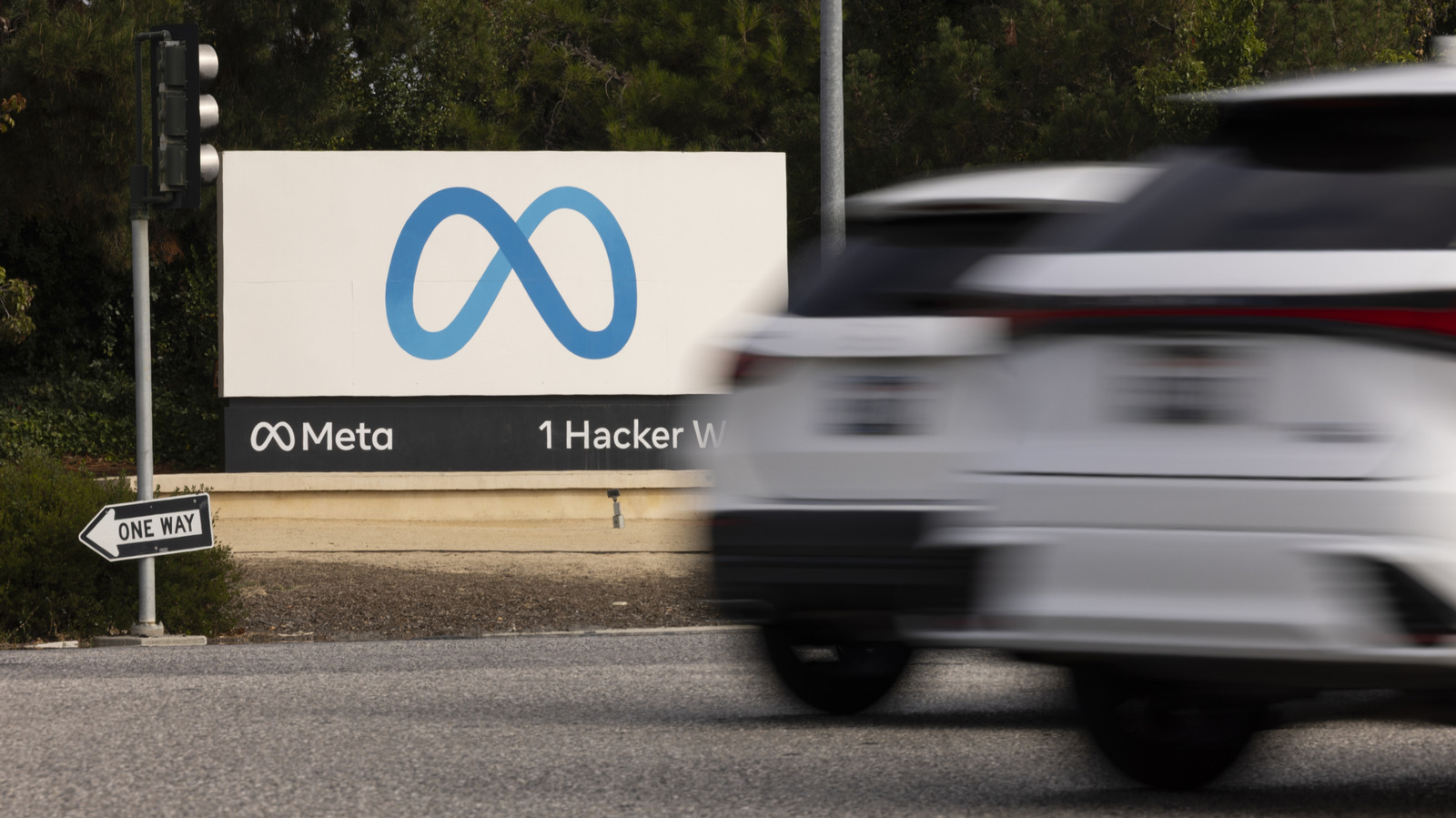
If this deal proceeds, it confirms that Meta is no longer just a social media company. It is a cloud infrastructure player. This allows Meta to monetize its internal AI hardware investments twice: once by using them to improve their own products (Llama, Instagram, WhatsApp) and a second time by renting the underlying compute to third-party labs.
2. The Power Balance in the AI Sector
Anthropic’s recent move to secure deals with both SpaceXAI and potentially Meta signifies a shift in power. By sourcing compute from multiple, non-traditional cloud providers, Anthropic is insulating itself from the "lock-in" effect of relying solely on AWS or Google Cloud. This strengthens Anthropic’s independence and bargaining power in the broader AI ecosystem.
3. Regulatory and Antitrust Concerns
Any deal of this magnitude—involving the two most prominent names in AI—is certain to draw the attention of the Federal Trade Commission (FTC) and the European Commission. Regulators are already sensitive to the "bottleneck" effect created by big tech companies controlling the infrastructure that smaller AI startups rely on. A partnership between Meta and Anthropic could be scrutinized for potential anti-competitive effects, specifically regarding how it might limit compute access for smaller, independent AI developers.
Official Responses and Industry Outlook
While neither Meta nor Anthropic has issued a formal press release confirming the specific terms of the $10 billion figure, industry analysts have been quick to weigh in.
Market observers suggest that this move is a logical response to the "compute-starved" nature of the industry. "Meta has built the world’s most impressive private supercomputing infrastructure," says one senior tech analyst. "For them, letting that capacity sit idle during off-peak hours is a waste of capital. For Anthropic, it’s a lifeline."
Investors, meanwhile, seem cautiously optimistic. Meta’s stock has historically fluctuated based on its spending reports; a deal that provides a clear, high-dollar path to recouping those costs could serve as a vital stabilizer for the company’s valuation in the coming fiscal years.
Conclusion: The Road Ahead
The potential Meta-Anthropic data center deal is more than just a lease agreement; it is a signal that the AI industry is entering a phase of industrial-scale maturity. As the cost of training frontier models continues to climb into the hundreds of billions, the lines between software companies, hardware manufacturers, and infrastructure providers will continue to blur.
Whether this deal concludes at the reported $10 billion mark or evolves into a different partnership structure, one thing is certain: the era of the "Cloud Oligopoly" is being challenged. By turning its data centers into a service, Meta is not only securing its financial future—it is asserting its dominance as the primary architect of the physical backbone of the AI age. For the rest of the tech industry, the message is clear: the infrastructure of the future is being built, and those who own the compute will control the trajectory of the digital world.