In the modern digital ecosystem, a creator’s endorsement is the ultimate seal of approval. A trusted influencer holds up a compact carry-on suitcase, demonstrates how it glides effortlessly through six airport terminals, and highlights that the front pocket is perfectly sized for a laptop. The comment section immediately erupts: "Where can I get this?" "Does it really fit under the seat?" "Is this the ‘stone’ color or beige?"
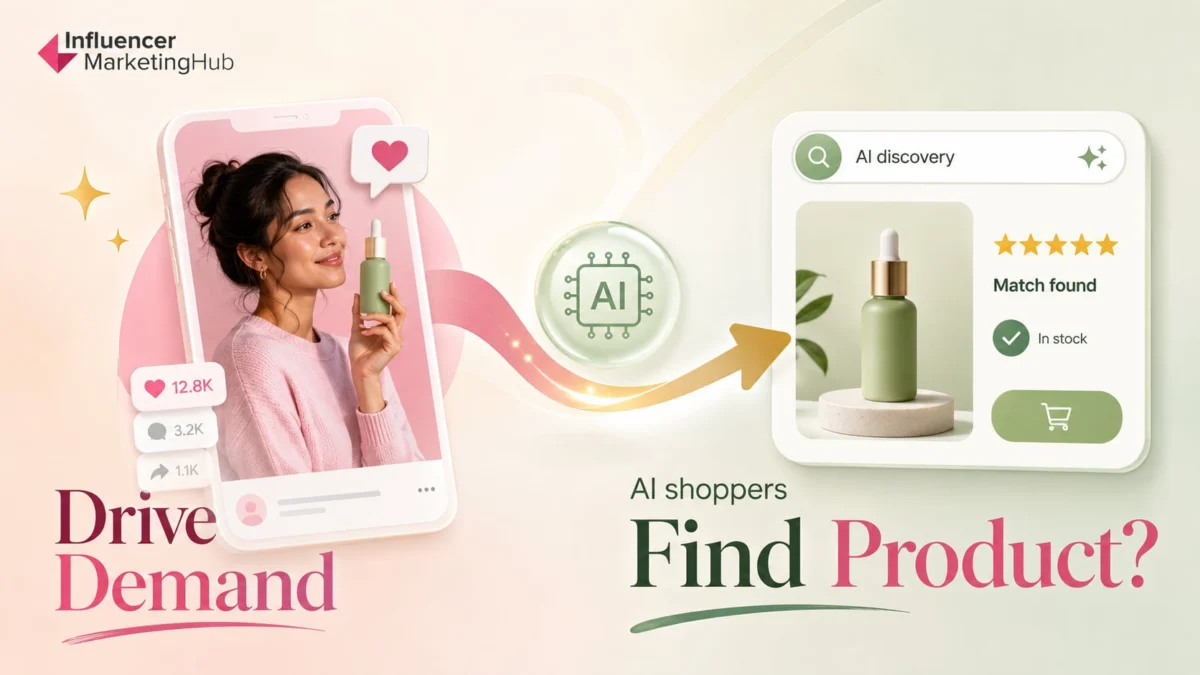
For many viewers, the journey ends there—they click the affiliate link and complete the purchase. But a growing segment of modern shoppers takes a different route. They open ChatGPT, Gemini, or a specialized AI shopping assistant and type a query based on the creator’s description: "Find me a carry-on suitcase with a dedicated laptop pocket that fits in standard overhead bins."
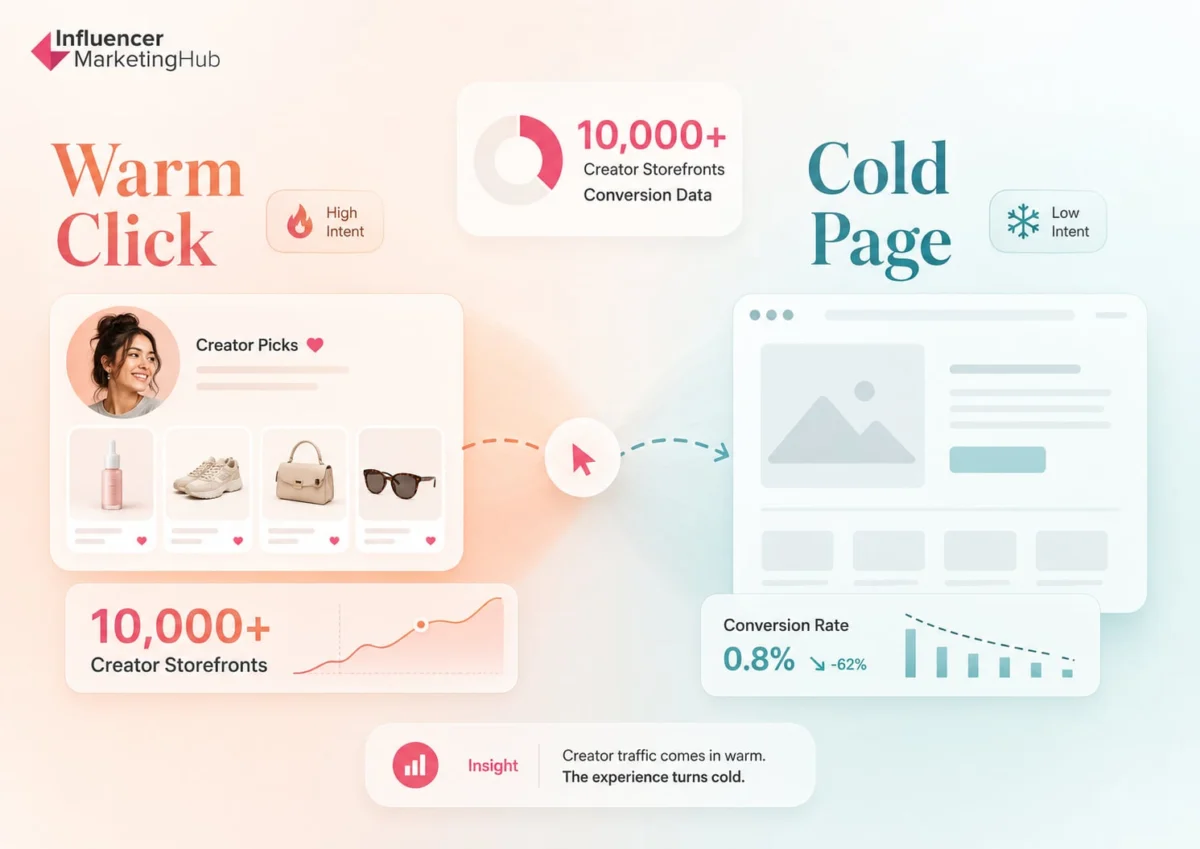
Here, the disconnect begins. While the creator has successfully cultivated a burning desire for the product, the brand’s backend data often fails to bridge the gap. The product catalog might list the item as a "22-inch polycarbonate spinner," omitting the laptop compartment entirely and labeling the color "stone"—a term the customer, who calls it "beige," will never search for. The creator has done the heavy lifting of building preference, but the product data is invisible to the tools the customer is now using to find it.
The Disconnect: When Human Language Meets Algorithmic Rigidness
The fundamental issue lies in the linguistic divide between creator content and corporate product data. Creators operate on "human language"—contextual, benefit-driven, and problem-solving. They explain that a specific pan is easy to clean after frying eggs, or that a particular jacket fits comfortably over a thick sweater. They speak to the shopper’s lived experience.
In contrast, corporate catalogs are historically built on internal taxonomy: category names, rigid dimensions, internal color codes, and marketing copy that hasn’t been updated since the product launch. This creates a "searchability chasm."
Consider the skincare industry. A creator might recommend a moisturizer as a "miracle for people who hate heavy, sticky creams." The brand’s official product page, however, describes the item as "barrier-supporting hydration." It lists the molecular weight of the ingredients but ignores the very attributes the creator highlighted: texture, finish, absorption time, and compatibility with makeup. When a shopper asks an AI assistant for a "light moisturizer that doesn’t pill under foundation," the system finds no match in the official catalog because that specific human-centric language is missing from the data feed.
The Chronology of a Failed Hand-off
To understand why this happens, we must look at the typical influencer marketing workflow.
- The Briefing Phase: A brand selects a creator, provides a creative brief, and approves talking points. The focus here is on aesthetic, tone, and brand safety.
- The Content Creation Phase: The creator translates the brief into their own voice. They identify the "hook"—the specific detail that resonates with their audience, such as the headphone ear cups that don’t press against glasses.
- The Publishing Phase: The content goes live. Engagement spikes, and the creator’s comment section becomes a goldmine of consumer sentiment and terminology.
- The Reporting Phase: The brand tracks metrics like impressions, clicks, and conversion rates. Crucially, the "data team" often remains siloed from the "creative team." They never see the comments or the specific phrases the audience uses to describe the product.
- The Search/AI Phase: Days or weeks later, a consumer encounters the product via an AI assistant or a search engine. Because the product data hasn’t been updated to reflect the "hooks" identified by the creator, the system fails to surface the item, and the potential sale is lost to a competitor whose SEO and metadata are more aligned with current consumer parlance.
Supporting Data: Why Specificity Wins in the Age of AI
AI shopping assistants are not just glorified search bars; they are semantic engines. They don’t look for "Category 184: Women’s Footwear." They look for specific attributes: "white sneakers that aren’t too sporty for a dress," "wide sizes," and "fast shipping."
Research into the 2026 digital landscape suggests that brands must transition from static catalogs to dynamic, "connected" product-data systems. According to guidelines from major players like OpenAI and Google, the quality of merchant data—including accurate descriptions, stock status, and variant identifiers—is the primary driver for visibility in conversational commerce.
When a brand ignores these data requirements, they are effectively hiding their products from the very AI tools that will define the next decade of retail. A product that cannot be found via natural language query is a product that, for all intents and purposes, does not exist in the digital marketplace.
The Imperative for Operational Change
The solution is not to "stuff" every product page with every possible adjective. That would be counterproductive to user experience and SEO. Instead, brands must implement a feedback loop that connects creator insights directly to product data management.
The "Campaign-to-Catalog" Workflow
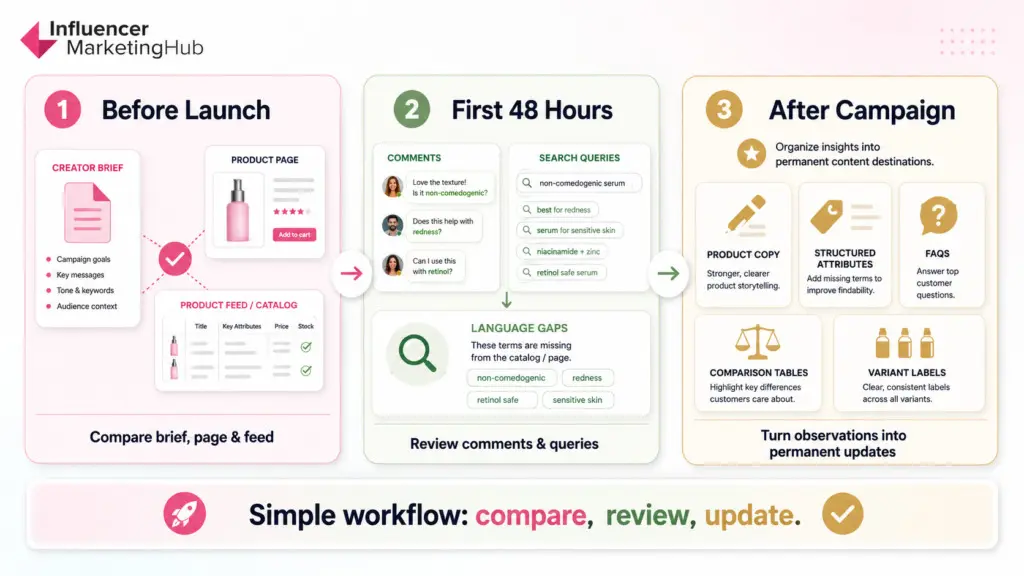
- Pre-Launch: Compare the creator’s talking points against the existing product description. If the creator is highlighting a feature not mentioned on the site, add it as a structured attribute.
- The 48-Hour Review: Within two days of a campaign going live, review the comment section. Are there repeated questions about compatibility? Are people using a different name for the color? Add these as keywords or FAQ entries.
- Post-Campaign Audit: Following the campaign, the merchandising team should determine which observations are permanent. Should "glasses-friendly" become a permanent attribute for these headphones? Should the product description include "beige" as a synonym for "stone"?
Implications for the Future of Commerce
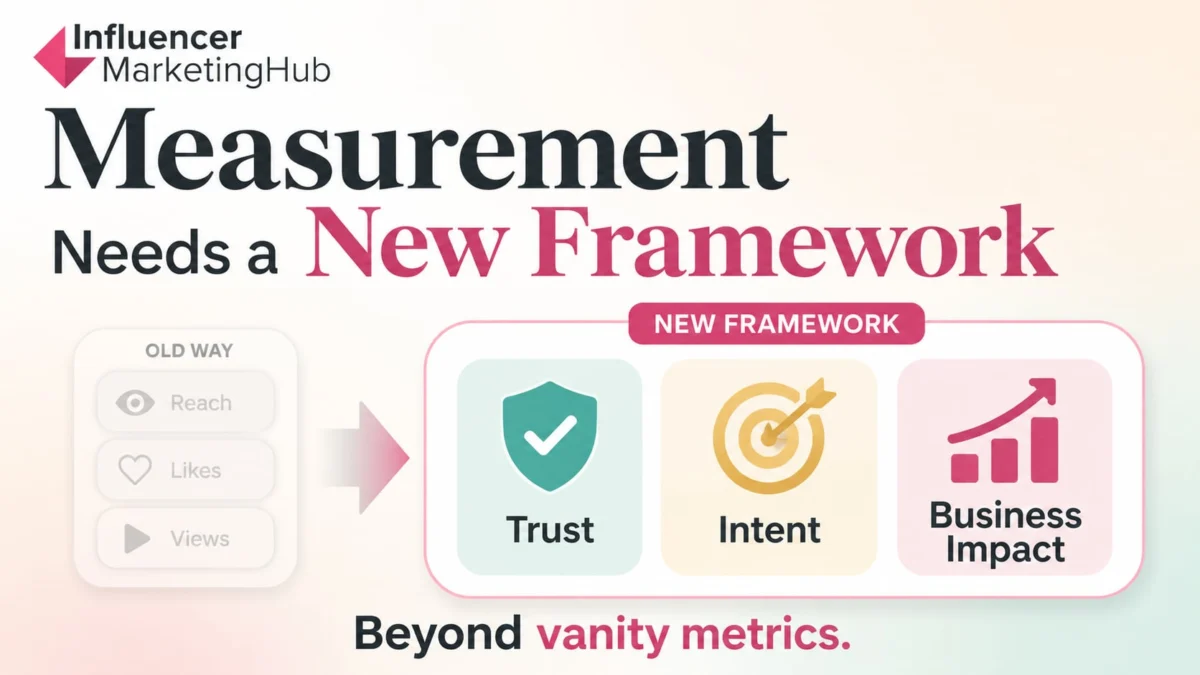
The shift toward creator-led commerce has significant implications for how brands measure success. We can no longer rely solely on direct click-through rates. The modern path to purchase is non-linear: a user sees a TikTok on Monday, searches for the item via ChatGPT on Wednesday, and purchases from a marketplace on Friday.
If the product data is not consistent across all these touchpoints, the "conversion lift" generated by the creator will be misattributed or lost entirely.
Brands that fail to adapt will find themselves in a precarious position. They will continue to pay high premiums for influencer content, only to see the resulting demand evaporate because the product remained "unfindable" in the digital infrastructure. Conversely, forward-thinking companies are treating their product catalogs as living documents—continuously updated by the linguistic intelligence gathered from the creator’s audience.
Final Takeaway: The Language of the Buyer
Creators are currently the most reliable source of "buying language." They are the ones listening to the friction points and the desires of the customer before and after the sale. If a creator mentions that a tote stands upright on its own, and that is what the audience loves, that attribute needs to live in the product’s structured data.
AI shopping systems are designed to extend the reach of that demand, but they can only do so if the product remains recognizable once the video or the social post disappears. The brands that win in 2026 and beyond will not necessarily be those with the largest marketing budgets; they will be the ones that effectively bridge the gap between human sentiment and machine-readable data.
The call to action is immediate: Select one product from your most recent creator campaign. Go to your storefront and compare the language used in the video, the comments, the product description, and the backend data fields. If they don’t match, you are leaving revenue on the table. Start syncing your creator insights with your product catalog today.