For years, the Call of Duty franchise has walked a precarious tightrope between gritty, grounded military simulation and high-octane, pop-culture-infused arcade chaos. As Warzone evolved from a tactical battle royale into a sprawling metaverse of intellectual property crossovers, the aesthetic integrity of the battlefield became a point of contention. That era of visual dissonance is finally seeing a resolution. With the arrival of Season 1 for Call of Duty: Modern Warfare 4, Activision is introducing a long-requested feature: an operator toggle that strips away the surreal, neon-soaked, and cartoonish character skins in favor of standard-issue, lore-appropriate military attire.
The Core Mandate: Restoring the Tactical Aesthetic
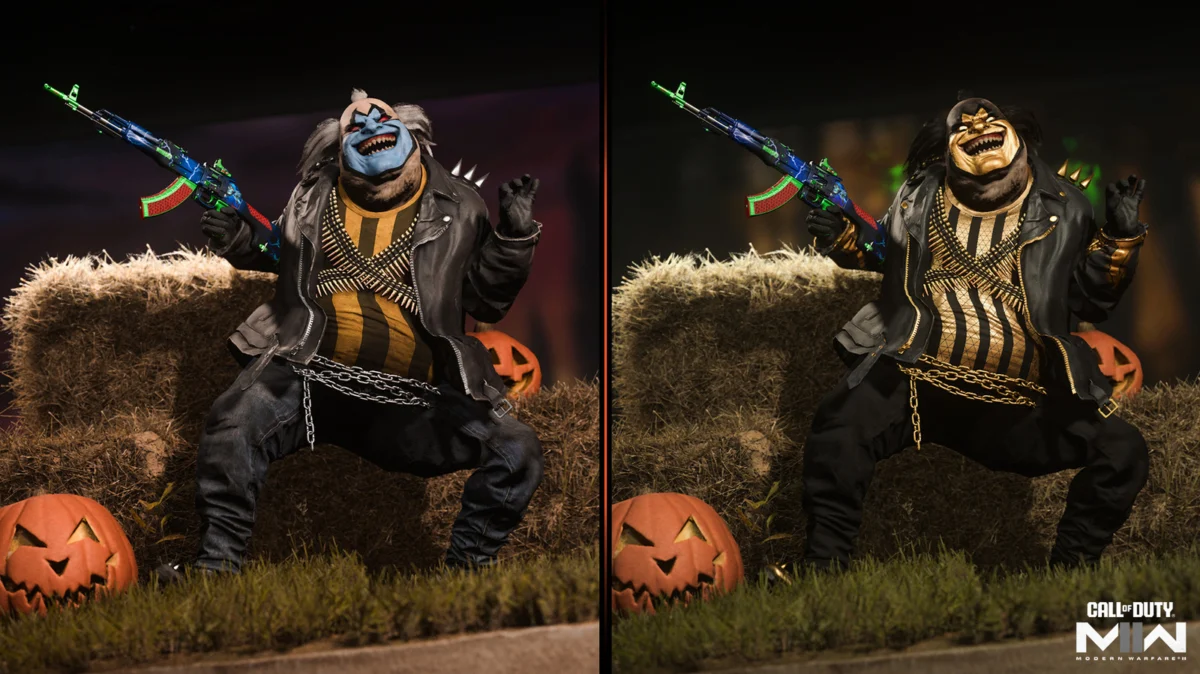
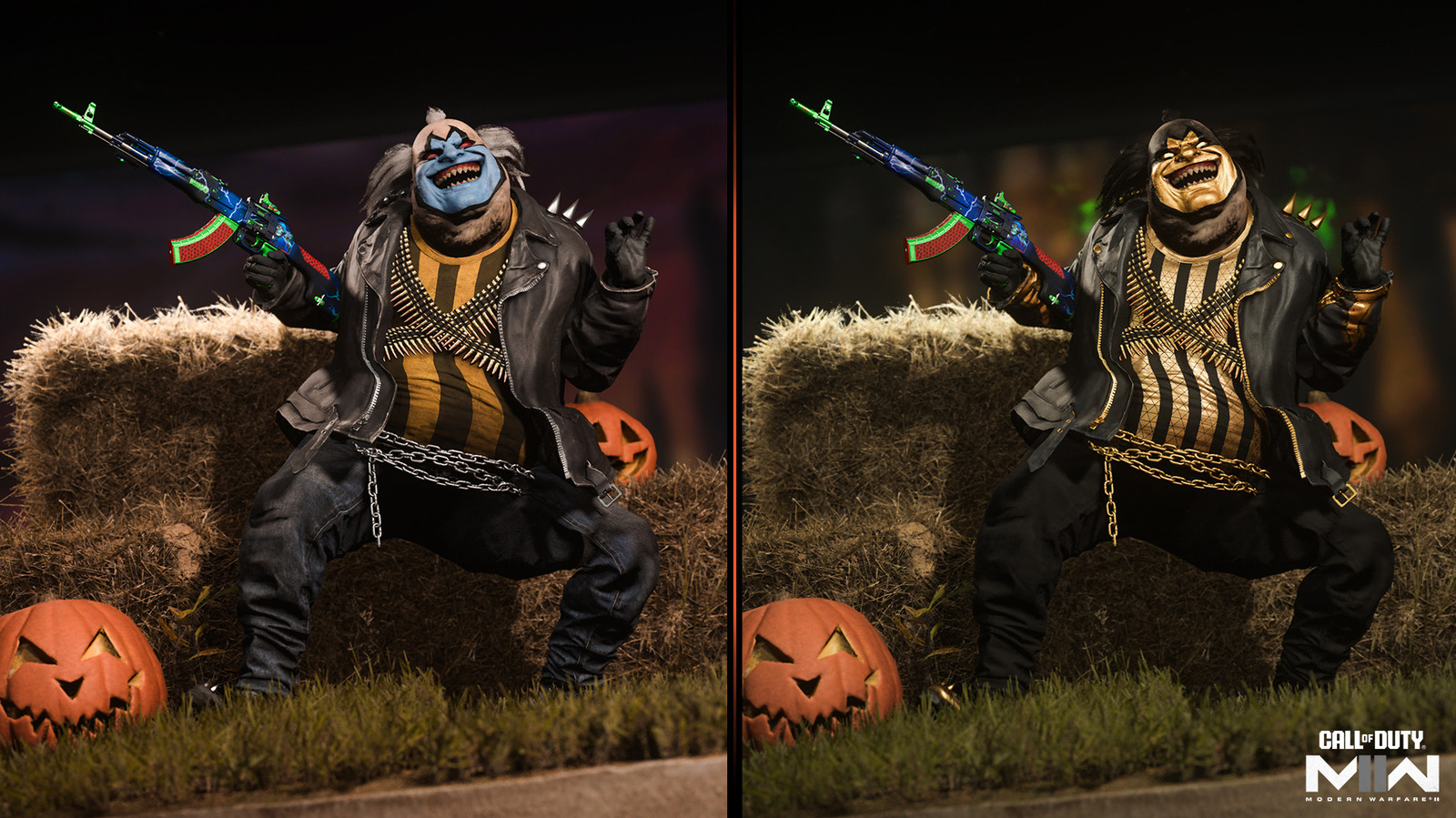
The new "Operator Toggle" functionality is designed to address the specific frustration of players who feel that the immersion of the game is compromised by the presence of non-canonical or excessively whimsical characters. Starting with the upcoming season, Warzone players will have the option to replace all external or "goofy" character skins with standard Operator models.
Crucially, the implementation is client-side. When a player activates this setting, their local game client will render other players using standardized, lore-friendly uniforms. The change does not affect the gameplay mechanics, nor does it force the change upon other players in the lobby. If a player chooses to equip a skin depicting an 80s action icon or a satirical cartoon character, they will still appear as such to themselves and to players who have not enabled the toggle. However, for those who wish to maintain a "Mil-Sim" (military simulation) aesthetic, the battlefield will return to a cohesive, grounded look.
A Chronology of Crossover Chaos
To understand why this toggle is such a significant development, one must look back at the trajectory of the Call of Duty store and the rapid expansion of its cosmetic ecosystem.
The Foundation (2019–2020)
At the launch of Call of Duty: Modern Warfare (2019) and the subsequent debut of Warzone in 2020, the aesthetic was heavily grounded in contemporary special operations gear. Players were largely limited to realistic camouflage patterns, plate carriers, and tactical helmets. While some customization existed, it remained within the bounds of "plausible deniability."
The Turning Point (2021–2022)
The shift began subtly with the integration of Call of Duty: Black Ops Cold War. As the franchise moved deeper into the 1980s, the potential for licensed content expanded. The introduction of Rambo and John McClane marked the first major "crossover" events. While these characters were technically grounded in the gritty action cinema of the era, it signaled a departure from the generic, nameless operators of previous iterations.
The Era of Absurdity (2023–2025)
Following the success of these crossovers, the floodgates opened. Warzone began incorporating increasingly bizarre cosmetic items. Players found themselves engaged in high-stakes firefights against neon-glowing cyber-warriors, furry creatures like "Wubz," and eventually, licensed IP characters that had no thematic tether to the game’s setting. The arrival of characters like Beavis and Butt-Head or elaborate, physics-defying costumes turned the game into a visual spectacle that many long-time fans found distracting.
The community reaction reached a breaking point as the "clarity" of the battlefield—the ability to identify enemies based on silhouette and color—was obscured by the sheer volume of high-contrast, non-military character models.
Supporting Data: The Impact of Visual Noise
The push for a "hide skins" toggle isn’t merely about personal preference; it is a fundamental discussion regarding gameplay clarity. In competitive shooters, visual readability is paramount.
Data from community polls and sentiment analysis platforms suggest that a significant portion of the "hardcore" Warzone player base identifies visual clutter as a primary inhibitor to enjoyment. Unlike games like Valorant or Counter-Strike 2, where character models are strictly defined to ensure competitive integrity, Warzone’s liberal approach to skins often resulted in "pay-to-win" or "pay-to-distract" scenarios.
- Recognition Lag: Studies on human reaction times indicate that identifying a target in a high-density, high-contrast environment takes longer when the visual stimulus is unexpected. A player in a ghillie suit blends into the environment, but a player dressed in a brightly colored mascot costume forces the brain to process non-essential visual information before confirming the target.
- The "Cohesion Gap": According to internal feedback reports cited by gaming analysts, players reported a 30% increase in "immersion fatigue" when playing in lobbies filled with mismatched cosmetic items, leading to shorter play sessions for the core demographic that prefers the traditional Call of Duty military aesthetic.
Official Responses and Developer Philosophy
Activision’s decision to implement the toggle represents a rare, formal acknowledgment of the "aesthetic divide" within their player base. In a recent developer blog post, the team at Infinity Ward and Raven Software addressed the change:
"We recognize that the identity of Call of Duty means different things to different players," the blog stated. "For some, it’s about the intensity of modern warfare. For others, it’s about expressing their fandom through unique, fun, and sometimes wild cosmetic choices. We don’t want to stifle that creativity, but we also want to respect the desire for a grounded tactical experience. This toggle is our way of providing the best of both worlds."
Industry experts view this as a strategic move to preserve the game’s long-term retention. By allowing players to "opt out" of the absurdity, Activision is effectively catering to its most loyal, long-term player base without sacrificing the lucrative revenue stream provided by selling eccentric skins to the casual audience.
Implications for the Future of FPS Titles
The introduction of this toggle sets a precedent that will likely ripple across the entire live-service gaming industry. As games become "metaverses" that host various disparate franchises, the problem of visual coherence will only grow.
The "Opt-Out" Trend
If Warzone’s implementation proves successful—meaning it satisfies the hardcore crowd without discouraging the purchase of premium skins—we can expect other titles like Fortnite, Apex Legends, and Halo Infinite to consider similar "Client-Side Filters." This would allow developers to maintain their monetization models while simultaneously addressing the aesthetic concerns of their communities.
The Future of Monetization
Critics have long argued that selling skins that clash with a game’s theme is a "short-term cash grab" that erodes the brand equity of the franchise. However, by decoupling the purchase of a skin from the forced visibility of that skin on everyone’s screen, developers might be creating a new model of monetization. It is possible that in the future, players might even be able to purchase "aesthetic packs" that allow them to choose exactly what types of skins they see in their game, creating a customized visual experience.
Balancing Competition and Commerce
The ultimate challenge for Activision remains balancing the financial imperative of the store with the competitive spirit of the game. If the toggle leads to a situation where "goofy" skins are only seen by those who bought them, will players continue to spend money on skins that others choose not to view?
This is the billion-dollar question. If the sales of "Wubz" and other eccentric cosmetics dip following the implementation of the toggle, it will signal that a significant portion of skin purchases are motivated by the desire to "flex" or be seen by others. If sales remain stable, it suggests that players purchase cosmetics primarily for their own enjoyment, regardless of whether others can see them.
Conclusion: A New Era of Choice
The addition of the operator toggle in Modern Warfare 4 and Warzone is a watershed moment for the franchise. It marks a shift away from the "one-size-fits-all" approach to game design and toward a more modular, user-defined experience.
For the player who spent hundreds of dollars on a collection of pop-culture outfits, the game remains a vibrant, chaotic celebration of modern media. For the player who just wants to drop into Verdansk or Urzikstan and feel like a soldier in a high-stakes, realistic combat scenario, the game is finally returning to its roots.
As the gaming industry continues to grapple with the tension between "game as a service" and "game as an art form," this small button—this simple toggle—might just be the most important piece of UI added to Call of Duty in the last decade. It acknowledges that the player is the ultimate arbiter of their own experience, and in a digital world that is becoming increasingly crowded and loud, the power to choose what you see is a feature worth celebrating.