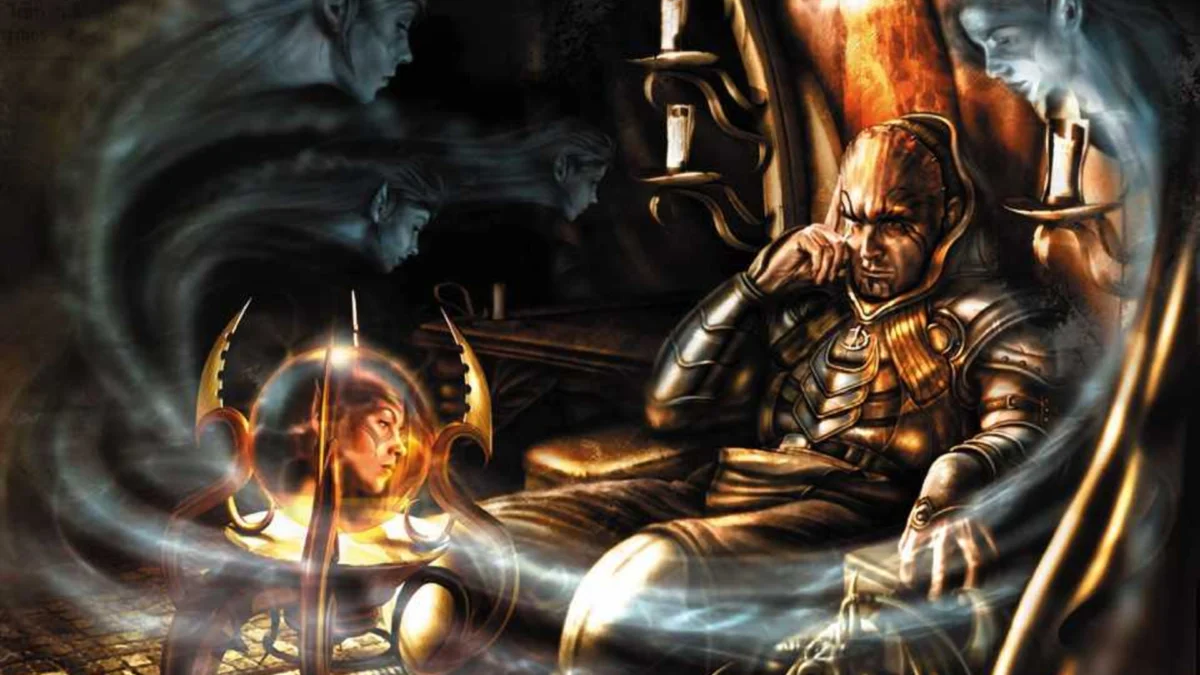
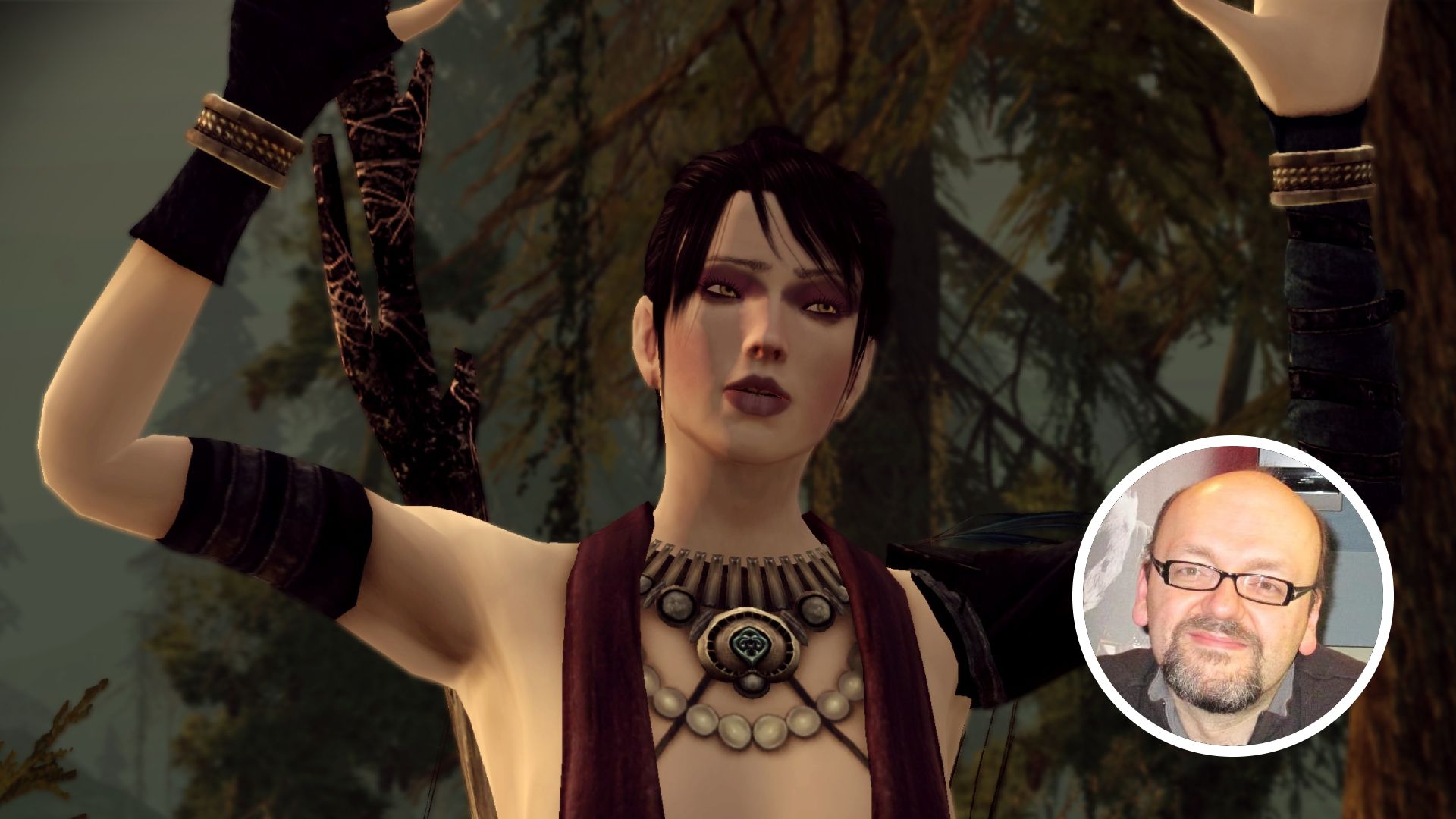
For over a decade, the world of Thedas—the dark, politically fractured setting of the Dragon Age franchise—served as the creative playground for David Gaider. As one of the foundational voices at BioWare, Gaider was instrumental in shaping the gritty, morally gray narrative style that defined a generation of role-playing games. From the sprawling, word-heavy corridors of Baldur’s Gate 2 to the tactical, companion-focused depth of Dragon Age: Origins, Gaider’s name became synonymous with the "Golden Age" of Western RPGs.
Today, however, Gaider finds himself at a precarious crossroads. Having moved on from BioWare following the tumultuous development of Anthem, he is now the co-founder of Summerfall Studios. But as he navigates the industry’s current economic contraction, the man who built empires is fighting to keep his own independent vision afloat.
A Legacy of Dark Fantasy and New Horizons
Gaider’s career is defined by his willingness to embrace discomfort. His writing never shied away from the heavy lifting of narrative consequences; in his games, allies could turn against you, and "right" choices were often elusive. After spearheading the Dragon Age series, Gaider pivoted with Summerfall Studios to create Stray Gods, a narrative-focused musical RPG that combined the branching dialogue of Telltale-style adventures with adaptive song sequences.
Now, Gaider is steering his studio toward a new, untitled project—a heist-focused RPG featuring a crew of rogues aboard an airship. Unlike the heavy, high-fantasy angst of his past work, Gaider describes this new venture as a deliberate departure. "I wanted to do something that was not full-on comedy, but something that could make me smile," Gaider explains. "It seems like at this point in the world, we could use something like that. I know I could."
The Industry Contraction: A Funding Crisis
Despite the positive reception from those who have seen the prototype, the project is currently in limbo. The games industry is undergoing a "weird contraction," according to Gaider, characterized by mass layoffs and a profound aversion to risk among publishers.
"On the funding side, nobody wants to actually commit to a project unless they think it’s a sure thing," Gaider notes. "That boils down to existing IPs, sequels, that sort of thing. New projects? Almost nothing is getting funded."
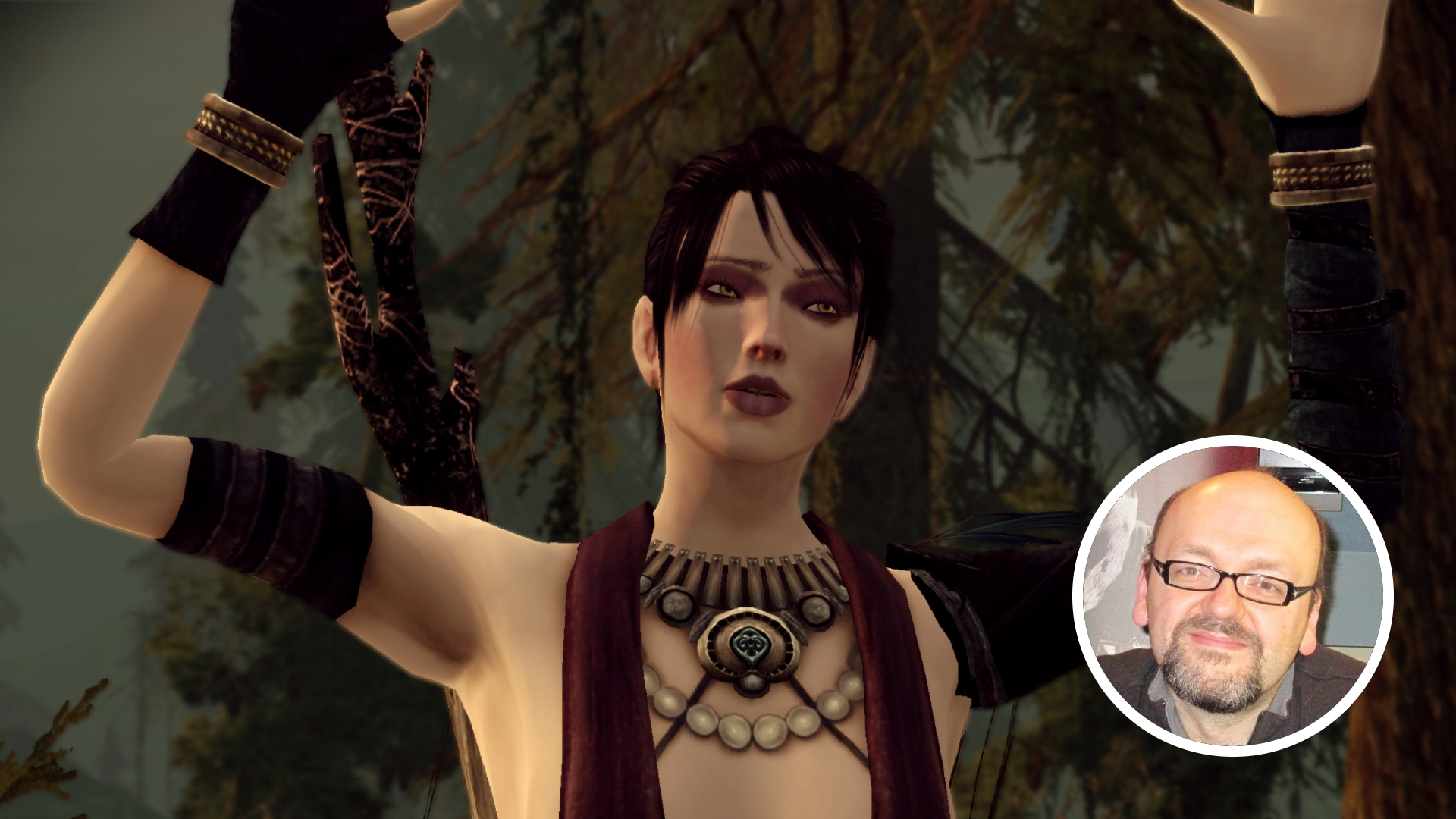
This climate has forced a change in how developers like Gaider interact with potential backers. The expectation has shifted from investing in a vision to "de-risking" a product. "With one publisher, we said to them, ‘Are you really waiting for us to finish the project before you commit to it?’ And they embarrassedly were like, ‘Well, in so many words, I guess, yeah.’"
This "80% complete" requirement places an immense, often insurmountable burden on smaller studios. For Summerfall, the survival of the studio hinges on finding the right partner before their runway—already stretched thin by the lower-than-expected commercial performance of Stray Gods—runs out.
The "Baldur’s Gate 3" Effect
The struggle to find funding is exacerbated by the long shadow cast by industry giants. Ironically, Gaider points to the massive success of Baldur’s Gate 3 as a catalyst for some of his studio’s recent hardships.
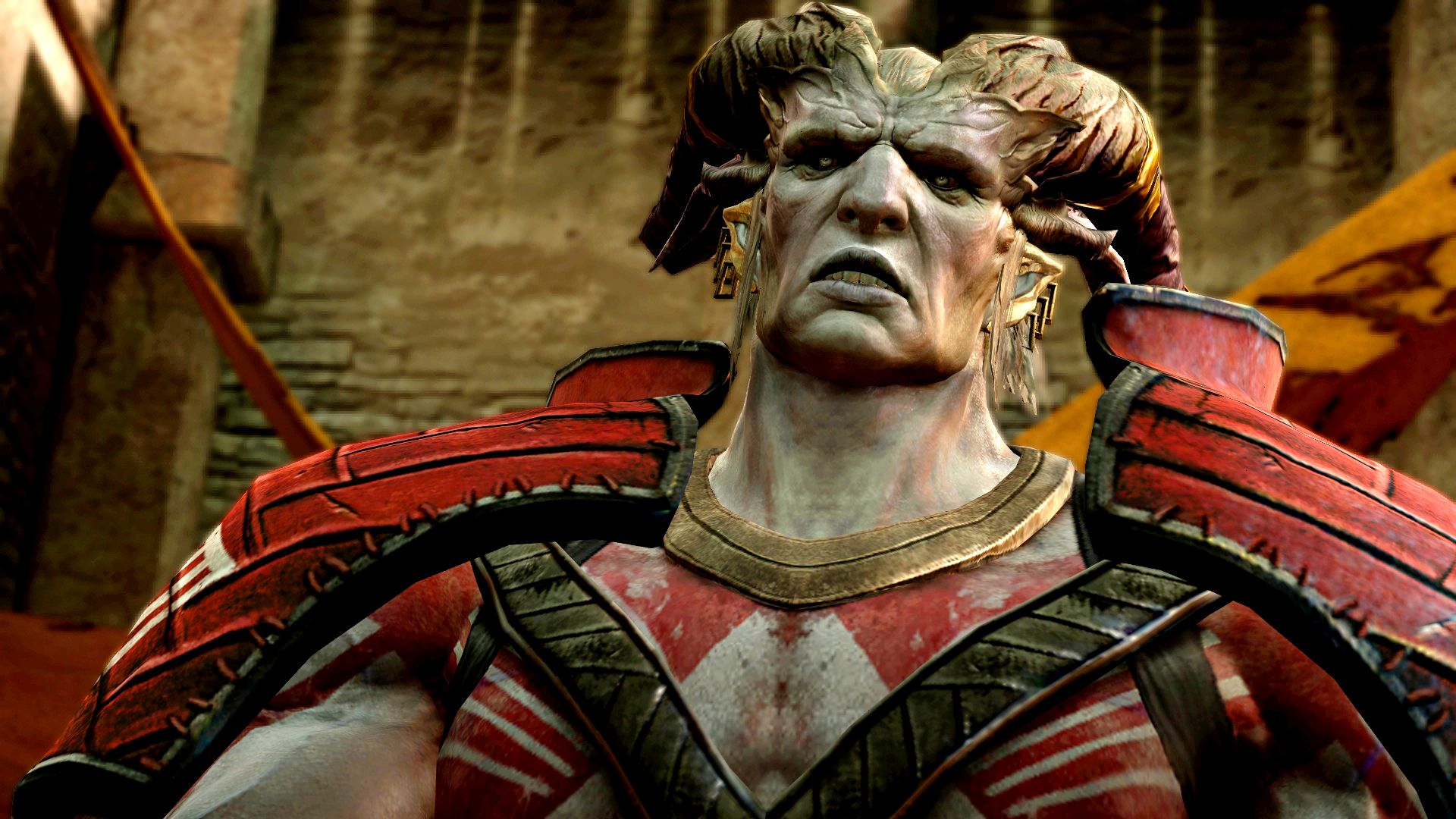
In a move that surprised the industry, Larian Studios shifted the release date of Baldur’s Gate 3 forward, landing it directly in the same window as Stray Gods. "I was kind of raw about that," Gaider admits. While he acknowledges the move was driven by Larian’s nervousness regarding Starfield, the result for smaller titles was devastating. "Would Stray Gods have been a hit if that hadn’t happened? I don’t know, but it certainly meant that we had a real hard time getting noticed."
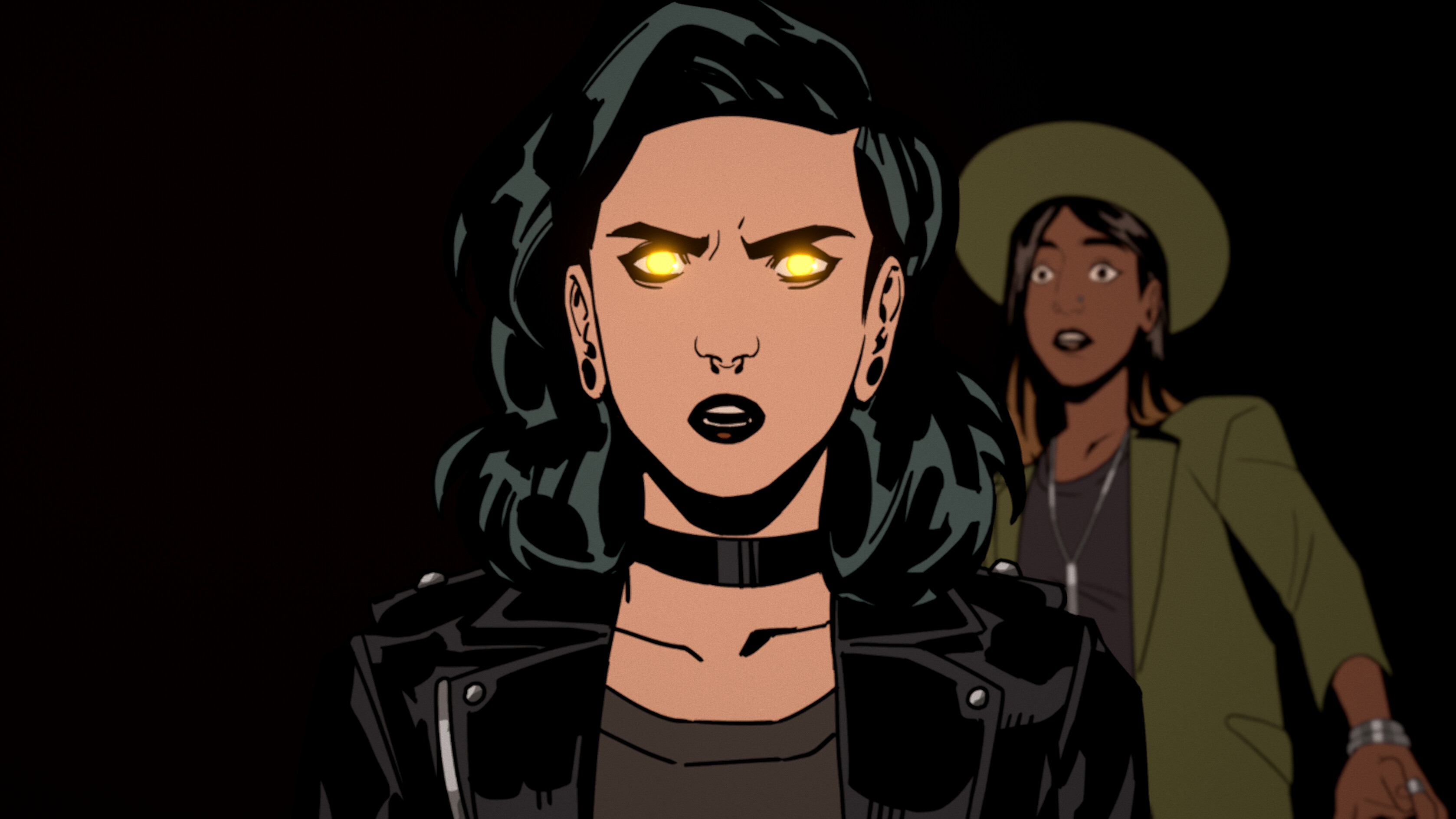
To bridge the gap, Summerfall released a narrative-driven deckbuilder titled Malys, featuring an exorcist on a motorbike. It was a "side project" intended to keep the team busy, but it underscores the reality of modern independent development: studios are often forced to juggle multiple smaller tasks just to survive long enough to pitch their passion projects.
The Evolution of the BioWare Formula
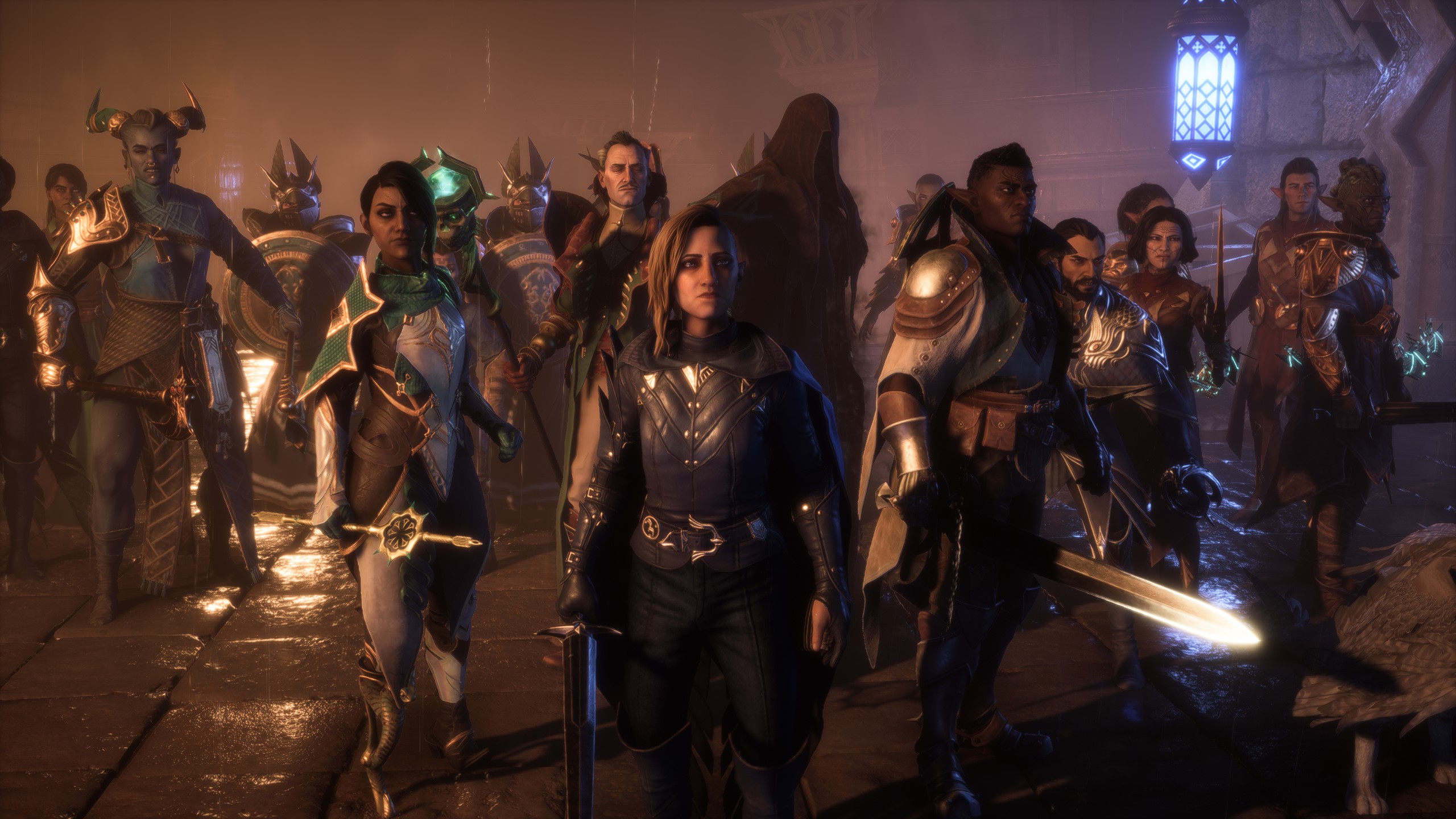
While Gaider fights for his new project, he remains a keen observer of his former home. Regarding the 2024 release of Dragon Age: The Veilguard, Gaider expresses a mixture of sympathy and critical distance. Having chosen not to play the game, he cites his intimate knowledge of the "ordeal" the development team faced under Electronic Arts’ oversight.
"Electronic Arts really did a number on them in terms of setting them up to fail, honestly," he claims.
Beyond the corporate interference, Gaider sees a fundamental shift in the design philosophy that once made BioWare games legendary. He criticizes the modern trend of removing "friction" from RPGs. In older titles, companions were autonomous entities with their own ideologies; if you crossed them, they could leave or even fight you. In more recent iterations, companions have become increasingly passive, serving as reliable, agreeable foils for the player.
"They need the ability to be unhappy with your decisions, and possibly even turn on you," Gaider argues. "If you don’t follow it to its natural conclusion, it’s like playing a D&D game where you know that the DM will never kill your character."
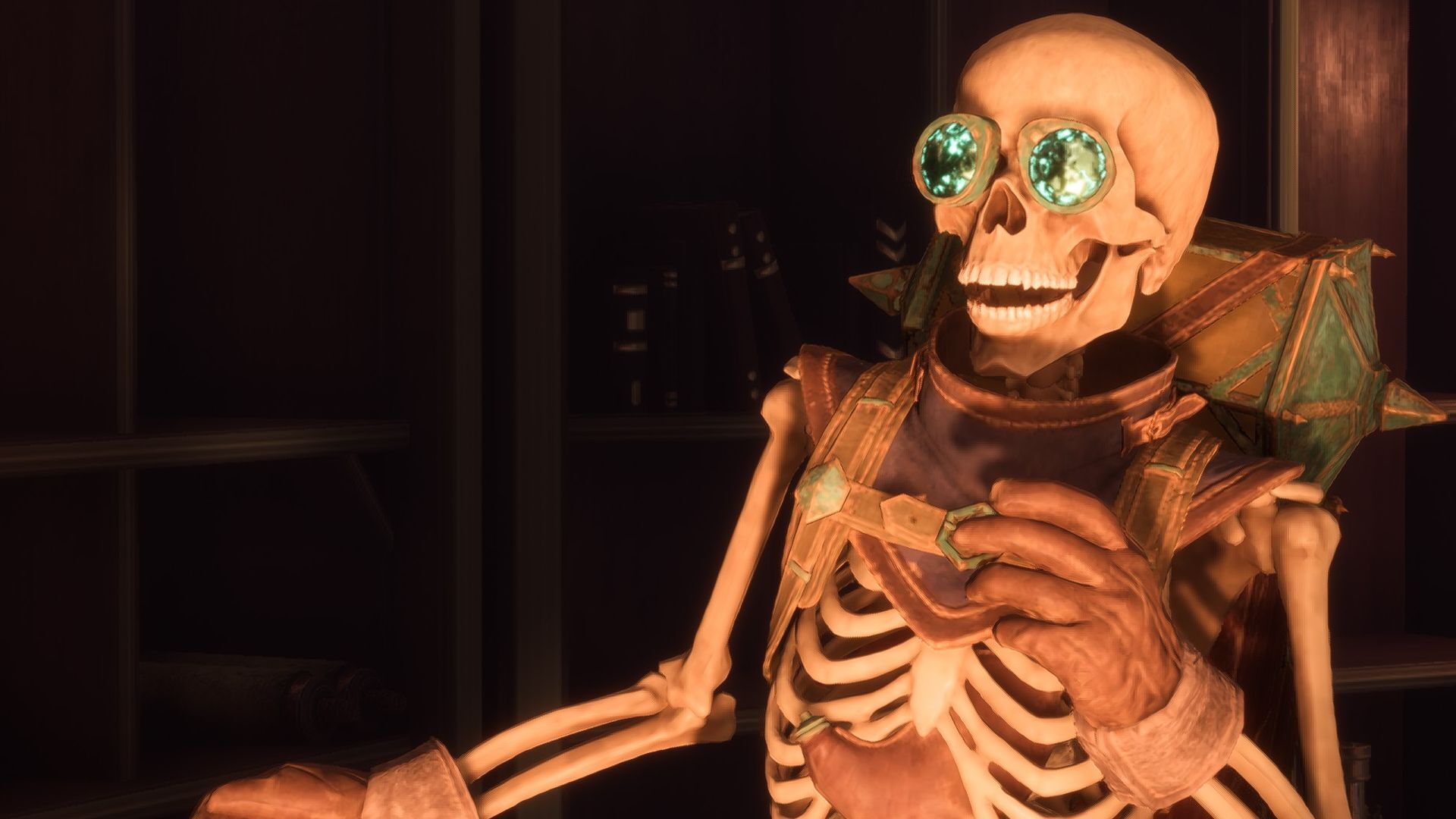
The Philosophy of Player Agency
This move toward the "path of least upset" is, in Gaider’s view, a strategic error. He traces the roots of this trend back to the desire to appeal to the widest possible audience, fearing that a player might "accidentally screw themselves."
"This idea that we can’t permanently take someone out of a group, that followers have to be agreeable for purely gameplay reasons, runs contrary to the thing that made BioWare games most popular," he says. "If you’re not making a game for the audience that loves those games, you’re trying to make this game acceptable to some action gamer who, what, doesn’t like difficulty?"
He highlights Dragon Age 2 as a turning point where the studio began experimenting with "all romances available to everyone," a move he now views with skepticism. "Are they there just to provide enjoyment for the player? If the answer is yes, that’s a valid answer. But if the goal is to create believable characters that have agency of their own… then you should follow through. This is not about wish fulfillment."
Implications for the Future
The irony is not lost on Gaider. If his heist RPG secures funding, it will likely be a return to the values he championed during his tenure at BioWare: characters with real, independent lives, and a world where player choices carry the weight of potential loss.
As for the future of his own career, Gaider remains philosophical. He admits that if Summerfall Studios were to close, he isn’t sure if he would re-enter the corporate fray. "Would I be competing with people of my own seniority, and begging for a job?" he asks. Yet, his passion for the medium is undiminished. He expresses genuine interest in projects like Owlcat’s The Expanse and even entertains the unlikely prospect of returning to Dragon Age if the rights were ever shifted—provided he could return to the series’ roots.
"To go back to the basics of what made Dragon Age appeal to so many people in the first place," he muses. "Go somewhere dark and dangerous, and do things that will make people upset. I think that’s what I would want to do."
For now, the architect waits, pitching his heist game to a cautious industry, hoping that someone will be brave enough to bet on a vision that prioritizes depth, friction, and the humanity of characters over the safety of the status quo.