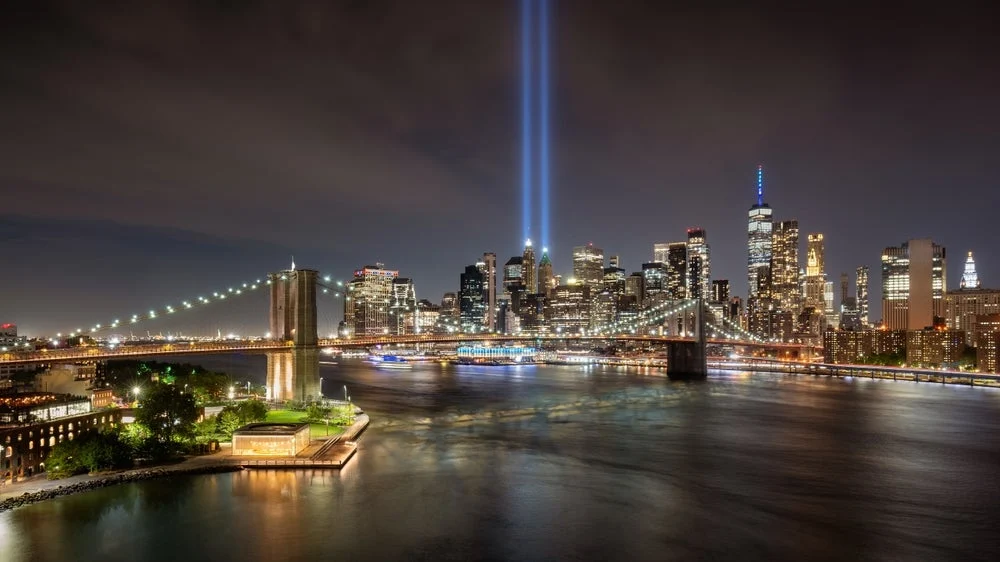
Twenty-five years ago, on September 11, 2001, the fabric of modern history was irrevocably torn. For the global public, the day is remembered for the horrific images of collapsing towers and the profound loss of life. But for those working in public relations and strategic communications, that Tuesday carries a distinct, professional weight. They are the architects of information, the people tasked with finding clarity when the world descends into chaos.
In the quarter-century since, PRNEWS reached out to the communications community to collect their personal accounts. From those stationed in the belly of the crisis to those navigating the periphery, these stories offer a unique window into a profession tested by the unimaginable.
Chronology of a Crisis: From Normalcy to Silence
For most, September 11 began as a day of routine—press releases, media interviews, and internal newsletters. By mid-morning, those routines had evaporated.
The crisis unfolded in waves. For communicators in New York City, it was a visceral experience of smoke, sirens, and the terrifying realization that their place of work was the epicenter of an attack. For those in Washington, D.C., it was a race against the fear that the White House or the Capitol were next. Across the globe, from Paris to Melbourne, communicators watched the same monitors, paralyzed by the realization that the international order had shifted.
As the day progressed, the initial shock gave way to the logistical nightmare of a nation under a total FAA ground stop. The skies, usually humming with the sound of commerce, went silent. For PR professionals, the priority shifted instantly from "brand messaging" to "crisis survival"—securing employee safety, managing rumors, and providing essential information to a terrified public.
The Professional Frontline: Crisis Comms in Action
The accounts provided by industry veterans reveal a shared commitment to the "people-first" philosophy of crisis management.
Neal Gorman, then with the American Red Cross, describes the period as a "nonstop fire hose of raw input." He recalls the transition from routine media relations to the harrowing reality of the Pier 94 Family Assistance Center. His experience highlights the dual burden of the communicator: to provide information to the media without fueling the flames of public panic.
Similarly, Susana Leyva, working in the crisis center for United Airlines, recounts the surreal nature of the day. "I remember watching United 93 turn around on radar," she says. Her testimony serves as a stark reminder that behind every corporate headline is a team of individuals grappling with the human cost of a disaster. For many, the memory of that day—the smell of the burning pile, the empty trains at Grand Central, the gridlock in D.C.—remains as sharp as if it happened yesterday.
Internal Comms: The Duty of Care
Perhaps the most significant shift in the PR landscape post-9/11 was the elevation of internal communications. When the world felt unstable, employees looked to their employers for direction.
Joseph Caldwell, managing editor for a national insurer in Manhattan, recalls the decision to leverage intranet protocols to reach employees while the city stood still. "It wasn’t until I got to Grand Central Station that night that the magnitude of the situation set in," he notes.
This sentiment was echoed by Meghan Holston, who, as a resident of the Financial District, experienced the failure of internal systems firsthand. Her frustration with the lack of direction for displaced individuals became a driving force in her career. "Put yourself in the audience’s shoes," she notes, a motto that now guides her approach to employee communications. The lesson was clear: in a crisis, the internal audience is as vital as the external press.
Strategic Shifts and Career-Defining Moments
The trauma of 9/11 acted as a catalyst for professional evolution. For many, the event was a "before and after" point that redirected their career trajectories.
Sheri Singer, founder of AXC, vividly recalls the moment she decided to launch her own firm. Standing by an elevator in D.C. as rumors of another plane hit the airwaves, she realized, "I do not want to die with these people." Others, like Jordan Valdés, were spurred toward public service, pivoting their education toward political science and Middle Eastern studies.
For those in the travel and hospitality sectors, the tragedy necessitated a complete reimagining of their craft. Sara Joseph Noyes, who worked in travel PR at the time, notes that the industry had to reframe its purpose. "Travel brings people together," she says, emphasizing the role of communication in replacing fear with understanding. This sentiment underscores a common thread: the belief that the profession has a moral responsibility to bridge the divides created by terrorism.
Official Responses and the Legacy of Transparency
The role of government and institutional communicators was also put to the test. Whether it was the U.S. Fire Administration’s "Tribute to Heroes" campaign, which turned the grief of the nation into a life-saving message about fire safety, or the academic centers like Georgetown’s Center for Contemporary Arab Studies navigating the complex, rising tensions in the post-9/11 world, the work was often somber and delicate.
The data supports the necessity of this work. Research conducted by communicators in the aftermath—such as the study on societal wellbeing by Caroline James in Australia—demonstrated that external traumatic events have a measurable impact on the human psyche. Understanding this impact allowed organizations to better support their stakeholders in the months and years that followed.
Implications: A Profession Forged in Fire
The implications of September 11 for the communications industry are twofold: the technical advancement of disaster preparedness and the psychological maturity of the profession.
- Disaster Preparedness: Post-9/11, the PR industry codified the "disaster plan." No longer was it optional to have a crisis strategy that accounted for mass-casualty events, infrastructure failure, and the loss of communication channels.
- The Human Element: The most enduring lesson shared by these professionals is that in the face of a crisis, titles and metrics fall away. "When a crisis hits, your title doesn’t matter. Humans do," says Filomena Fanelli.
The stories collected by PRNEWS serve as a testament to the resilience of those who tell the stories of our time. They remind us that while facts and figures are the tools of the trade, empathy and integrity are the foundation of effective communication.
Conclusion: Remembering the Quiet Blue Skies
As we look back 25 years later, the "quiet blue skies" mentioned by many respondents—a haunting contrast to the chaos below—remain a symbol of the day the world stopped. The communications professionals who lived through 9/11 carry with them a unique perspective: they know that the world can change in an instant, and they recognize the profound responsibility that comes with being the voice of an organization, a government, or a community during such times.
They have taught us that the most important part of crisis communication is not just managing the narrative, but ensuring that people feel seen, heard, and safe. In an era where information travels at the speed of light, the lessons of September 11 remain as relevant as ever: stay calm, stay clear, and above all, remain human.