The landscape of global media is undergoing a seismic shift, and the latest tremor has arrived in the form of a finalized divorce between two of the industry’s most prominent players. Netflix and Skydance Animation have mutually agreed to conclude their exclusive animated film partnership, a three-year strategic alliance that once promised to reshape the streaming giant’s feature animation footprint.
While the partnership—which famously birthed the breakout hit Swapped—is drawing to a close, the move marks more than just a business transaction; it is a reflection of the rapid consolidation and corporate restructuring that has defined the post-pandemic entertainment era.
The Main Facts: A Strategic Realignment
The agreement, first announced in October 2023, designated Skydance Animation as a primary creative engine for Netflix’s original animated feature slate. The deal sought to combine Netflix’s massive global distribution infrastructure with Skydance’s pedigree in high-end animation production.
Under the terms of the dissolution, the partnership will officially sunset, though the relationship between the two entities is far from severed. Two marquee projects currently in the pipeline—Ray Gunn and an untitled feature based on the classic fable Jack and the Beanstalk—will proceed to completion and will be released on Netflix as originally intended.
Industry analysts point out that while the exclusivity window is closing, the broader licensing relationship between Paramount Skydance (PSKY) and Netflix remains intact. This is a critical distinction: the companies are ending their production partnership, not their business relationship.
A Chronology of Collaboration and Divergence
To understand why this partnership has ended, one must look at the timeline of the last three years, which has seen the entertainment industry undergo an unprecedented level of volatility.
2023: The Honeymoon Period
In October 2023, the industry was abuzz with the potential of the Netflix-Skydance pact. Skydance, led by David Ellison, was already a proven quantity for Netflix, having successfully navigated the production of several high-performing titles. At the time, Netflix was aggressively seeking to challenge the dominance of Disney and DreamWorks in the animation space, and Skydance offered the creative maturity and technical infrastructure necessary to compete.
2024: The Rise of Paramount Skydance
The following year, the narrative shifted dramatically. Skydance’s corporate ambition expanded beyond production into the realm of studio ownership. The acquisition of Paramount Global by Skydance changed the fundamental DNA of the company. Suddenly, Skydance was no longer just a production partner; it was a legacy studio head. This shift created inherent tensions. As PSKY began to consolidate its assets, the prospect of feeding a competitor’s library—Netflix’s—became a more complex strategic calculation.
2025: The Competitive Tensions
By 2025, the relationship began to show signs of strain, not due to failure, but due to success and ambition. Skydance began aggressively poaching talent from the very platform they were producing for, most notably securing deals with high-profile creators like the Duffer Brothers. The industry saw this as a clear signal: Skydance was pivoting from a service provider to a rival platform operator.
2026: The Final Break
The current climate has seen PSKY engaged in high-stakes negotiations and potential acquisition battles—most notably the rumored interest in Warner Bros. Discovery. With Skydance now sitting at the head of a major studio table, the necessity for a "work-for-hire" arrangement with Netflix has been rendered obsolete.
Supporting Data: Why Swapped Was the Benchmark
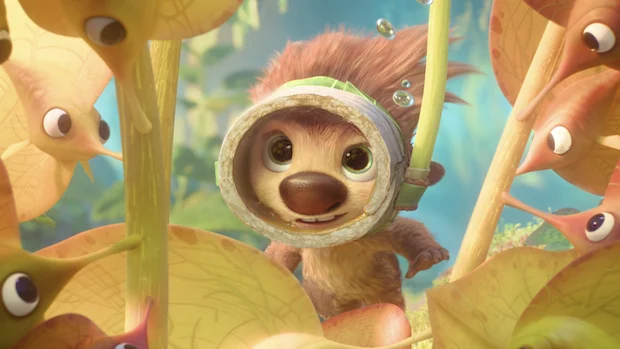
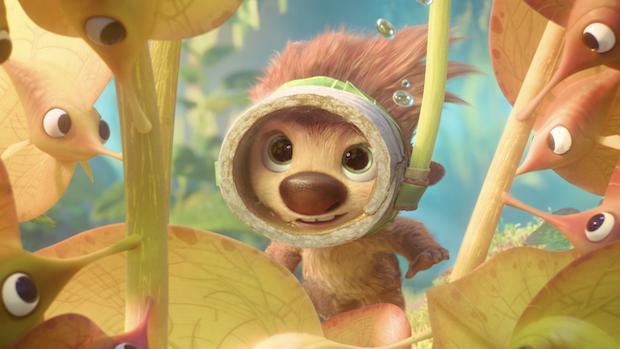
The success of Swapped serves as the primary evidence for why this partnership was initially viewed as a masterstroke. The film, which blended high-concept narrative hooks with state-of-the-art animation techniques, quickly ascended to the top of Netflix’s most-watched animated films list.
- Audience Engagement: Swapped proved that Skydance could deliver "four-quadrant" hits that appealed to both children and adults, a core KPI for Netflix.
- Production Quality: By utilizing Skydance’s proprietary pipeline, Netflix was able to maintain theatrical-quality visuals at a streaming-appropriate budget, proving that the model was commercially viable.
- Data Velocity: The rapid conversion of the film’s release into a top-ten global hit validated Netflix’s data-driven approach to greenlighting projects.
However, the very success of Swapped may have been a catalyst for the split. It demonstrated to Skydance that their creative IP was strong enough to anchor their own ecosystem, rather than bolstering the library of a third-party streamer.
Official Responses: A Diplomatic Conclusion
In a joint statement, both Netflix and Skydance attempted to frame the separation as a natural evolution of a productive partnership.
"Netflix and Paramount have mutually agreed to conclude their animated film agreement," the statement read. "Both companies remain fully committed to the successful releases of Ray Gunn and the untitled Jack and the Beanstalk project on Netflix, and additionally will continue their longstanding content licensing relationship. We are proud of our collaboration to date and look forward to bringing these upcoming films to audiences around the world."
Industry observers note the careful use of the word "mutually." It suggests that while the decision was likely pushed by the corporate shifts at Skydance, Netflix was likely amenable to the change, perhaps recognizing that the studio’s new focus on its own streaming infrastructure made the exclusivity agreement a logistical hurdle.
Implications: What This Means for the Industry
The dissolution of this partnership sends ripples throughout the entertainment sector.
1. The Death of the "Exclusive Studio Partner" Model
For years, streamers sought to lock up production companies to ensure a steady stream of content. This breakup suggests that as production companies grow into mini-majors (like Skydance), they will inevitably seek to control their own destiny. Netflix may find that it must rely more on its internal animation division or a more diverse array of independent production houses rather than exclusive, long-term output deals.
2. The Paramount Skydance Strategy
With this move, PSKY is clearly prioritizing its own distribution needs. By winding down the Netflix deal, they are freeing up their internal resources to focus on their own brand identity. This is a clear indicator that they intend to keep their highest-quality intellectual property within their own walls, potentially to bolster the long-term value of their own streaming offerings.
3. Talent Competition
The poaching of top-tier creators is a new, aggressive reality. When a production partner starts hiring away the star talent of the platform they are producing for, the relationship is fundamentally compromised. The Netflix-Skydance split is a cautionary tale for any streamer that enters into deep-production output deals without ironclad non-compete or talent-retention clauses.
4. The Future of Animation Distribution
Animation remains the most expensive and time-consuming segment of filmmaking. Without the safety net of an output deal, studios like Skydance must now shoulder the financial risk of distribution, marketing, and global release strategies. Conversely, Netflix must prove that it can maintain its animation output without the aid of established boutique studios.
Conclusion: A New Chapter
The Netflix and Skydance Animation story is a microcosm of the modern Hollywood lifecycle. It began with a shared need for growth and ended with a divergence born of success. As Ray Gunn and the Jack and the Beanstalk project prepare for their Netflix debut, they will serve as the final chapters of a partnership that defined an era of rapid expansion.
As for what lies ahead, the industry will be watching closely. Netflix continues to hold the keys to the world’s largest audience, while Paramount Skydance is betting on its ability to build a self-sustaining powerhouse. In the world of entertainment, the only constant is change, and this separation is merely the latest pivot in a high-stakes game that is far from over.
The legacy of the partnership—and the success of Swapped—will remain a benchmark for what can be achieved when the right creative vision meets the right distribution platform, even if that alignment is only temporary.