The landscape of mobile technology shifted fundamentally this week as Apple finally broke its silence on the foldable market. During its highly anticipated hardware event, the Cupertino giant unveiled the "iPhone Duo," a device that represents not just a new product line, but a strategic pivot for the company. As the dust settles, tech analysts and consumers alike are grappling with what this means for the future of the smartphone, especially as it arrives alongside the technically sophisticated, yet potentially overlooked, iPhone 18 Pro.
The Main Facts: What is the iPhone Duo?
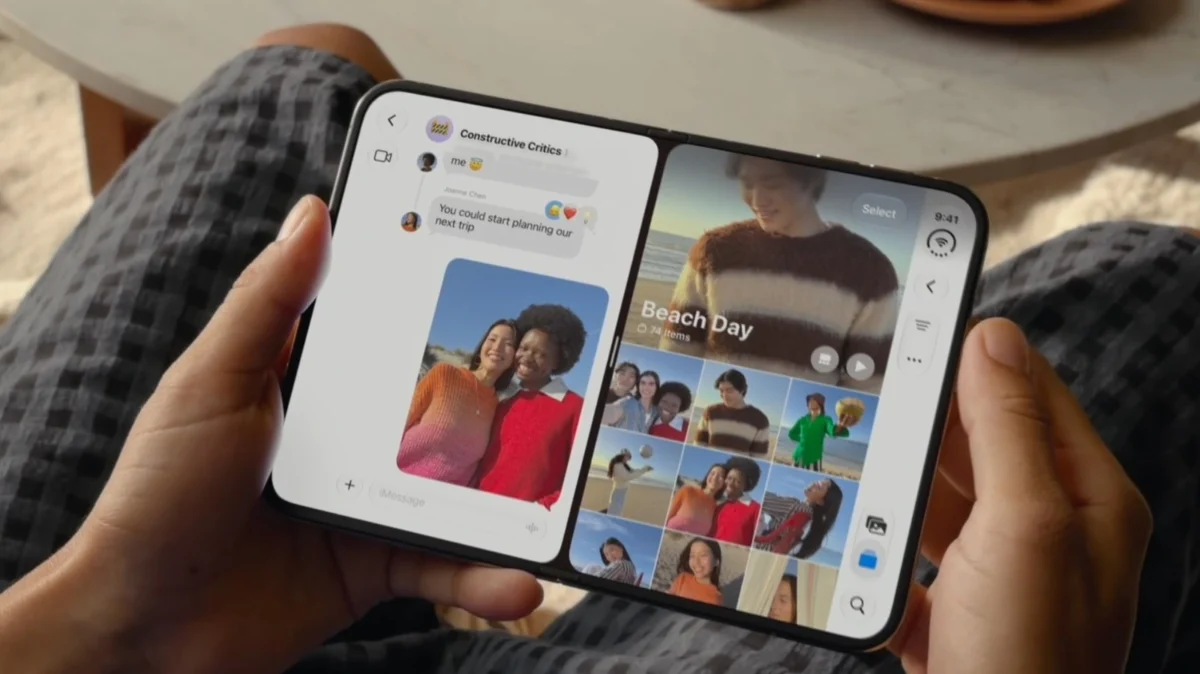
The iPhone Duo is Apple’s long-awaited answer to the foldable form factor that has been matured by competitors like Samsung and Google over the past several years. Eschewing the experimental phase that plagued early foldable entrants, Apple has opted for a refined, horizontal-fold design that prioritizes hinge durability and software integration.
Key features include:
- The "Liquid Flex" Display: A seamless, high-refresh-rate OLED panel that eliminates the visible crease common in rival devices.
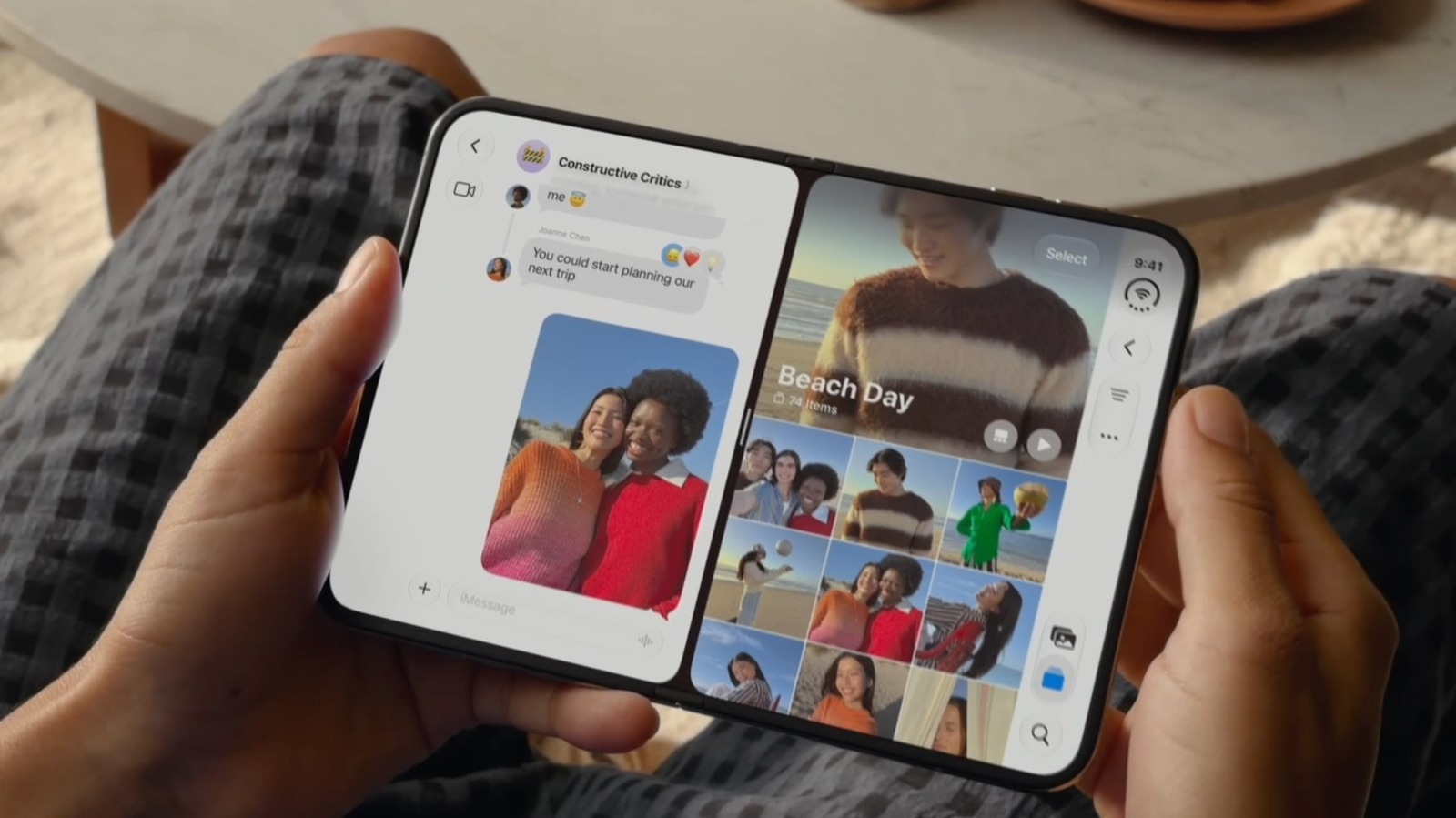
- Dual-Screen Optimization: A proprietary version of iOS that allows for fluid multitasking, essentially turning the device into a pocketable tablet when fully expanded.
- The A20 Bionic Chip: A custom-silicon powerhouse designed to handle the thermal management and power consumption demands of a larger, dual-screen interface.
While the market has been saturated with foldable options for years, Apple’s entry is significant for its ecosystem lock-in. By integrating the Duo seamlessly with the Apple Watch, AirPods, and Mac, the company is betting that convenience and software polish will outweigh the "first-mover" advantage held by Android manufacturers.
A Chronological Look at the Foldable Journey
The road to the iPhone Duo was not a straight line. For years, rumors persisted that Apple was testing internal prototypes, but the company famously held back, citing concerns over display longevity and software UX parity.
- 2019–2021: The Observational Phase: While Samsung launched the Galaxy Fold series, Apple remained publicly dismissive of the foldable form factor, focusing instead on perfecting the iPhone 11 and 12 series. Internally, reports suggest the company was testing various hinge mechanisms and foldable glass compositions.
- 2022–2024: The R&D Pivot: Rumors intensified as patents for "self-healing" display coatings and complex multi-link hinges surfaced. Apple shifted its supply chain focus toward high-end, flexible OLED panels.
- Late 2025: The Leak Era: The final months leading up to the announcement saw a surge in credible leaks, confirming the existence of a "Duo" project, signaling that the hardware was finally ready for mass production.
- Present Day: The official launch event marks the culmination of nearly a decade of behind-the-scenes engineering.
The Curious Case of the iPhone 18 Pro
While the iPhone Duo captured the headlines, the iPhone 18 Pro serves as the traditional workhorse of the new lineup. Featuring a revolutionary "variable aperture" camera system, the 18 Pro is arguably the more technically impressive device for professional photographers.
Unlike fixed-aperture lenses that rely on computational software to simulate depth, the iPhone 18 Pro features a physical aperture that can adjust based on lighting conditions. This allows for genuine optical bokeh and superior low-light performance. However, there is a palpable sense in the tech community that the iPhone 18 Pro is destined to be overshadowed. In the battle for consumer attention, the novelty of the foldable Duo has effectively pushed the incremental, albeit meaningful, camera upgrades of the 18 Pro into the background.
Supporting Data and Market Analysis
Industry analysts are already split on the sales trajectory of the Duo. The device enters the market at a premium price point, targeting the "ultra-premium" tier.
- Market Penetration: Current data suggests that foldable devices account for roughly 2% of the global smartphone market. Apple’s entry is expected to double that figure within the next 24 months, as brand loyalty compels iPhone users to upgrade.
- Supply Chain Resilience: Apple’s move to diversify its supply chain—partnering with multiple high-end display manufacturers—suggests they are prepared for high demand, though initial yields are expected to be limited due to the complexity of the "Liquid Flex" assembly process.
- Battery Density: One of the primary criticisms of foldables has been battery life. Apple claims the Duo utilizes a dual-cell battery architecture that offers 15% more capacity than previous Pro Max models, addressing the primary anxiety of power users.
Official Responses and Industry Reception
During the launch event, Apple’s executive team emphasized that they did not want to be "first," but rather "best."
"We didn’t see the need to rush a device to market that didn’t feel like a natural evolution of the iPhone experience," said a lead hardware engineer during the post-event Q&A. "The Duo isn’t just about the fold; it’s about what you can do with the space once you’ve opened it."
Critics have pointed out that the Duo’s software, while impressive, still lacks a vast library of third-party apps optimized specifically for the expanded screen. However, Apple’s developer outreach programs are already in full swing, offering tools that allow developers to "re-skin" existing applications to leverage the dual-screen interface with minimal effort.
Implications: The Future of the Form Factor
The launch of the iPhone Duo signals a permanent shift in Apple’s hardware philosophy. For years, the iPhone design remained relatively stagnant, with minor yearly iterative improvements. The Duo breaks this cycle, suggesting that Apple is willing to gamble on experimental form factors if they can guarantee the "Apple standard" of reliability.
1. The Death of the "Standard" Smartphone?
If the Duo proves successful, we may see a future where the traditional "slab" phone becomes the entry-level device, while the foldable form factor becomes the new standard for the Pro and Pro Max tiers.
2. The Professional Workflow
With the Duo, Apple is effectively positioning the iPhone as a direct competitor to the iPad Mini. If the software continues to mature, we may see a consolidation of Apple’s mobile lineup, where the foldable iPhone replaces the need for a separate tablet for a large segment of the population.
3. The Competitive Landscape
Samsung and Google now face a significant threat. While their hardware is excellent, the strength of the Apple ecosystem—iMessage, iCloud, and the seamless hand-off between Apple devices—is the Duo’s greatest asset. Android manufacturers will need to innovate on software integration faster than ever to retain users who might otherwise be tempted to "jump ship" for the sake of a foldable experience that finally feels "complete."
Conclusion: A New Chapter
The iPhone Duo is more than a piece of hardware; it is a statement of intent. Apple has acknowledged that the era of the static, rectangular screen is entering its twilight. By introducing the Duo, the company has provided a path for its massive user base to transition into the world of flexible computing.
While the iPhone 18 Pro remains a masterpiece of traditional engineering, the Duo is the device that will define the next decade of mobile technology. As Devindra Hardawar and Karissa Bell noted in the recent Engadget podcast, the real story isn’t just that Apple finally built a foldable—it’s that they have finally built one that feels like it belongs in the hands of the mainstream.
As we move forward, all eyes will be on the adoption rate. Will the premium price tag keep the Duo as a niche device, or will it trigger a mass-market migration? One thing is certain: the conversation around mobile innovation has been reinvigorated, and the "folding wars" have officially entered their most critical phase.