By the CJR News Desk
Published as part of the Daily CJR Newsletter Series
Main Facts
The contemporary landscape of American journalism is navigating a period of profound turbulence, characterized by unprecedented political pressure, massive corporate consolidation, and the enduring power of investigative persistence.
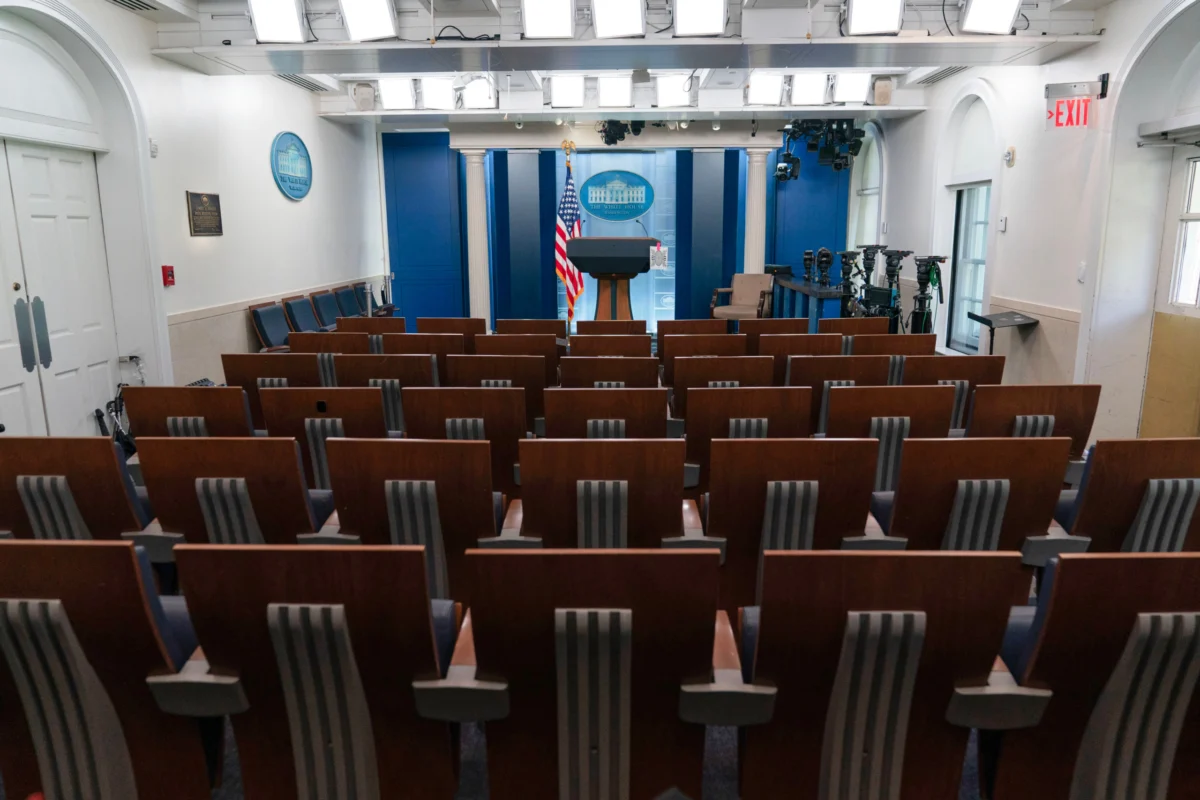
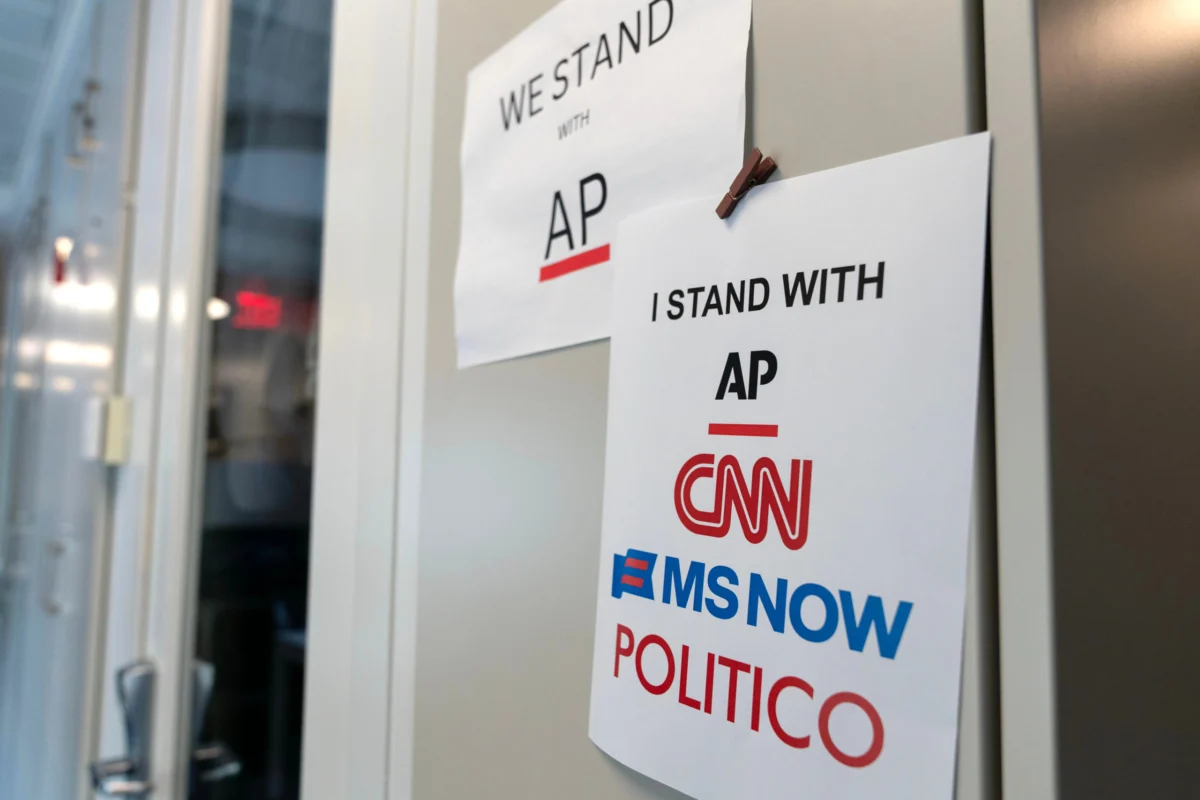
In Washington, D.C., the White House press corps recently demonstrated a historic and unified front against political retaliation. Following a decision by President Trump to ban CNN, MS Now, and Politico from the White House briefing room, rival television networks, major print publications, and public media outlets initiated a coordinated blackout and solidarity campaign. Rather than accepting access at the expense of their exiled peers, networks including ABC, CBS, Fox News, and NBC refused to fill the open camera rotation, effectively leaving the White House without everyday network television coverage for the first time in modern history.
Simultaneously, the media industry is grappling with sweeping corporate shifts. The settlement of an antitrust lawsuit by a coalition of state attorneys general has cleared the path for a massive corporate consolidation involving Paramount and Warner Bros. Discovery. This merger places high-profile news entities—including CNN and CBS—under the unified control of a corporate behemoth led by the Ellison family. The deal has ignited fierce criticism from media advocates, legal experts, and journalists who fear the erosion of editorial independence, despite the introduction of a supposedly bipartisan "Editorial Independence Board."
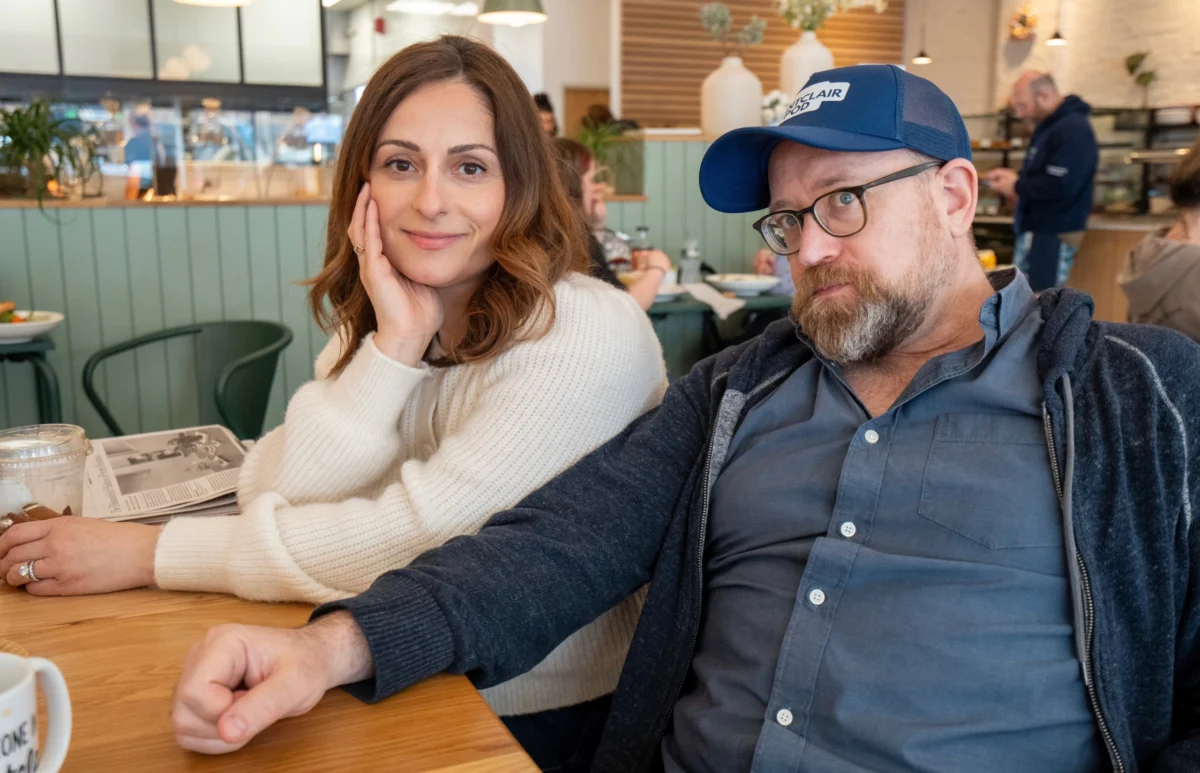
Amid these macro-level systemic threats and corporate rearrangements, individual investigative journalism continues to unearth vital truths. A prime example concluded this week with the finale of the HBO documentary A Killer Story, which chronicles veteran journalist Joe Sexton’s multi-year investigation into a Kansas wrongful conviction—a story brought to light entirely through the relentless, digitized persistence of a true-crime enthusiast and stay-at-home mother.
Chronology of Events
The intersection of press freedom, legal battles, and corporate maneuvers has unfolded across several high-stakes timelines over recent months and years.
The White House Ban and Press Blackout
- July: The White House Correspondents’ Association (WHCA) faced sharp criticism—symbolized by a "dart" from media watchdogs—for pushing ahead with its rescheduled annual dinner just weeks after the Trump administration subpoenaed New York Times journalists. Critics argued the event prioritized access over institutional defense.
- Late Autumn: President Trump escalated tensions by banning CNN, MS Now, and Politico from the White House complex. The WHCA swiftly issued a statement condemning the action as an unconstitutional violation of the First Amendment. Forty-nine media organizations subsequently filed an amicus brief supporting a lawsuit launched by the exiled outlets.
- Monday: Major broadcast networks (ABC, CBS, Fox News, and NBC) collectively declined to rotate into the vacant CNN seat, suspending standard White House coverage. NPR halted the use of official White House audio, while the Times, Washington Post, and prominent photo agencies temporarily withheld event photography.
- Wednesday & Thursday: Following a court hearing, a federal judge issued a temporary restraining order mandating that press access be restored for fourteen days, labeling the ban likely unconstitutional. Despite initial morning chaos and reported administration pushback—including journalists being turned away from an evening state dinner—reporters eventually regained entry around noon on Thursday.
The Paramount-Warner Bros. Discovery Merger
- Spring/Summer: Antitrust lawsuits led by state attorneys general, including California’s Rob Bonta, challenged the mega-merger between Paramount and Warner Bros. Discovery.
- Tuesday: State attorneys general announced a settlement, effectively dissolving the legal challenge and allowing the consolidation to proceed under the control of the Ellison family.
- Post-Settlement: Critics immediately targeted the inclusion of an "Editorial Independence Board" meant to oversee CNN and CBS, dismissing it as a corporate smokescreen designed to placate regulators.
Supporting Data & Industry Metrics
The resistance mounted by the press corps and the anxiety surrounding media mergers are rooted in concrete data regarding media access, corporate concentration, and public trust.
- 30 Years: The duration of Peter Baker’s tenure as a chief White House correspondent for The New York Times, during which he noted he had never before witnessed a total blackout of daily network television camera coverage for official presidential actions.
- 49 Media Organizations: The coalition that filed an amicus brief in support of the banned news outlets (CNN, MS Now, and Politico).
- 28 Newsrooms: Participants in an open letter organized by the Committee to Protect Journalists condemning government restrictions on press reporting.
- 14 Days: The duration of the temporary restraining order issued by a federal judge mandating the restoration of press credentials to the banned news organizations.
- 5 Board Members: The proposed composition of the newly established "Editorial Independence Board" for the combined Paramount-Warner Bros. entity, restricted to individuals with a minimum of ten years of journalistic experience and political party affiliation caps.
- 2,714 Emails: The staggering volume of electronic messages sent to former ProPublica reporter Joe Sexton by true-crime enthusiast Eileen Umbehr, which ultimately catalyzed a six-year investigative documentary project into a Kansas double homicide and wrongful conviction.
Official Responses and Stakeholder Statements
The tensions dividing journalism, the judiciary, and corporate boardrooms have prompted sharp, unequivocal statements from key industry figures.
-
Jacqui Heinrich, WHCA President and Fox News Correspondent:
"The Constitution protects the freedom of the press from government interference. The WHCA stands in defense of our colleagues."
-
The Major Broadcast Networks (ABC, CBS, Fox News, NBC) Joint Statement:
"No administration should restrict a news organization because it objects to its reporting."
-
William Tong, Attorney General of Connecticut:
Expressing dissatisfaction with the Paramount settlement, Tong noted, "I was pushing for a spin-off of CNN, untethered from the mother ship," adding that the Ellison family’s management style at CBS has been "pretty ugly."
-
Kara Swisher, CNN Contributor:
Reacting on social media and her podcast to the structural changes under the Ellison family, Swisher wrote: "CNN is not going to be protected. As someone recently told me: Always some fuckery," and characterized the Ellisons as "terrible media owners."

-
Jessica J. González, Co-Chief Executive of Free Press:
"A fake bipartisan oversight committee won’t save CNN. We have all the evidence we need from the Ellisons’ destruction of CBS about what they do to warp journalism at Donald Trump’s request."
Implications for the Future of Journalism
These unfolding events carry profound implications for the fourth estate, testing both its collective spine and its structural resilience.
1. The Power and Limit of Solidarity
The White House press corps’ refusal to act as scabs for their banned colleagues proved that collective action remains one of the few effective deterrents against state-sponsored censorship. By recognizing that appeasement offers no ultimate safety, news organizations established a vital boundary. However, the administration’s apparent initial defiance of the federal judge’s temporary restraining order indicates that legal safeguards will be continuously tested by an executive branch willing to push constitutional limits.
2. The Threat of Corporate Consolidation
The integration of legendary newsrooms like CNN and CBS under a single corporate umbrella controlled by the Ellison family threatens to homogenize and compromise independent reporting. Critics argue that mechanisms like the "Editorial Independence Board"—appointed by a corporate board of directors—are largely performative. Concerns over potential oversight by figures linked to controversial editorial shifts at CBS highlight fears that commercial and political pressures will increasingly dictate newsroom priorities, turning independent journalism into an extension of corporate and partisan alignment.
3. The Enduring Vitality of Investigative Persistence
Amid systemic and corporate headwinds, the release of A Killer Story serves as a timely reminder of journalism’s fundamental purpose. The project underscores that transformative reporting often begins not in elite boardrooms or press briefings, but in the tenacity of marginalized voices—whether an obsessed true-crime researcher in Kansas or a reporter willing to look past initial embarrassment. As institutional journalism faces external crackdowns and internal compromises, the core ethos of listening, verifying, and persisting remains the ultimate defense of truth.