By the Gaming Industry Reporting Desk
Updated: November 2026
Main Facts: The Crisis at Arkane Studios
France’s Syndicat des Travailleureuses du Jeu Vidéo (STJV) labor union has leveled severe accusations against tech giant Microsoft, claiming the corporation deliberately sabotaged development on Marvel’s Blade to manufacture a pretext for closing Arkane Studios.
According to the STJV, the critically acclaimed development house—known for crafting masterpieces like the Dishonored series, Prey, Deathloop, and Dark Messiah of Might and Magic—is facing imminent shutdown not due to a lack of talent, financial solvency, or creative failure, but as the result of a calculated corporate strategy.
The union argues that Microsoft imposed a crippling 19-month hiring freeze across the studio, artificially inflating project timelines and driving up operational costs. Leadership then allegedly weaponized those self-inflicted delays and budget overruns to justify shuttering the studio entirely. Despite these administrative hurdles, the STJV maintains that Marvel’s Blade was progressing smoothly and holding its own against Arkane’s storied catalog of high-caliber immersive sims.
The looming closure is part of a broader, highly controversial wave of restructuring and downsizing at Xbox, which recently announced massive layoffs impacting thousands of employees alongside the shuttering of multiple development teams. However, amidst the bleak outlook, unconfirmed industry reports have surfaced suggesting that external buyers—potentially including competitor Ubisoft—have expressed interest in acquiring Arkane Studios to salvage its operations and keep the studio’s workforce intact.
Chronology: The Road to the Crisis
To understand how a powerhouse studio responsible for some of the most innovative single-player video games of the past two decades arrived on the brink of extinction, it is necessary to examine the timeline of events leading up to the current standoff.
- The Acquisition Era: Following Microsoft’s massive acquisition of Bethesda Softworks and its parent company, ZeniMax Media, Arkane Studios found itself under the corporate umbrella of Xbox. While initially framed as a union of creative powerhouses equipped with limitless resources, the reality of corporate integration quickly introduced systemic changes to studio operations.
- The 19-Month Hiring Freeze: At an undisclosed point following the acquisition, Microsoft implemented a sweeping, prolonged hiring freeze across various subsidiaries, including Arkane. According to labor representatives, this freeze starved the studio of the necessary talent pipeline to expand development teams smoothly, halting crucial scaling efforts during the early-to-mid production phases of high-profile projects like Marvel’s Blade.
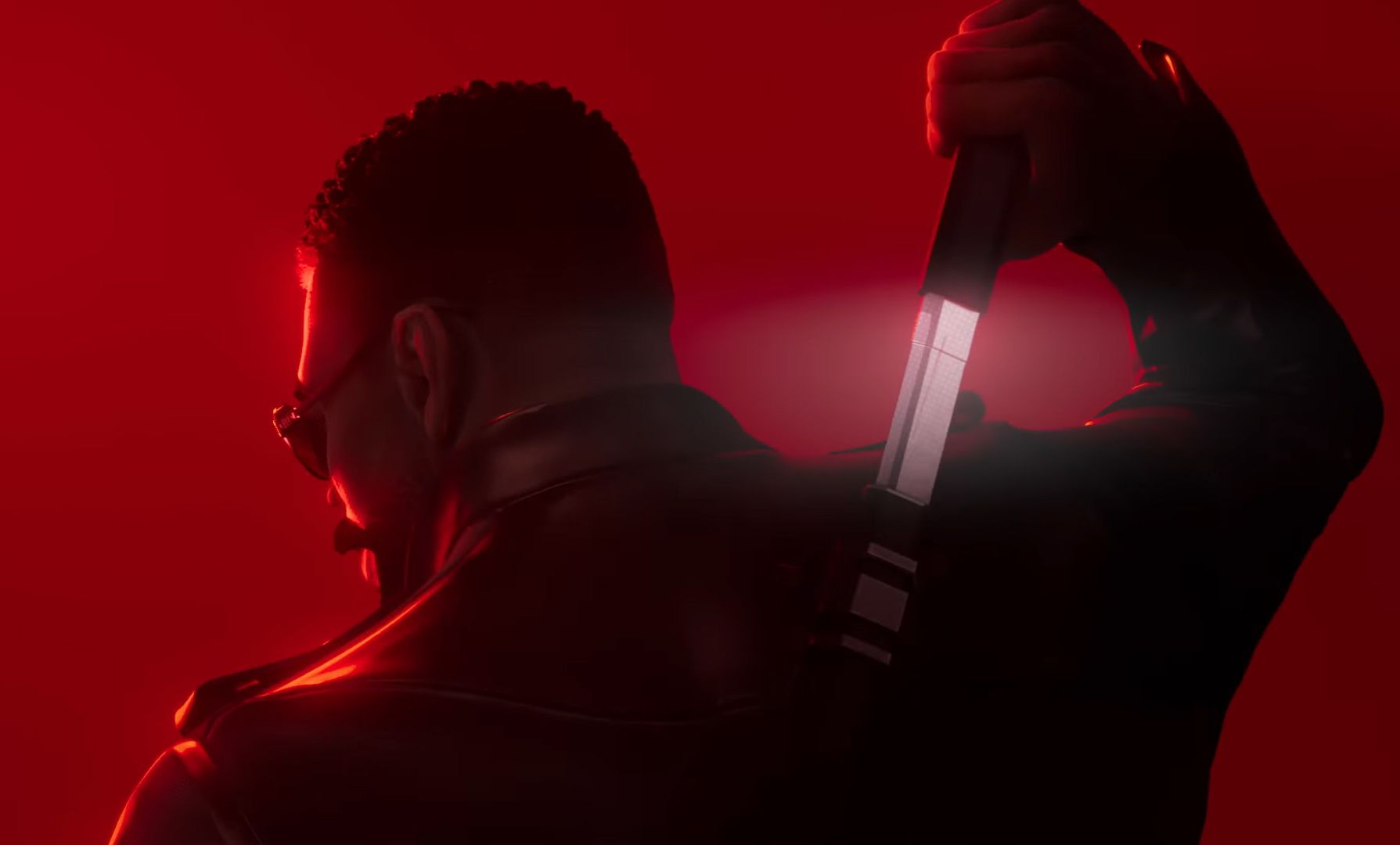
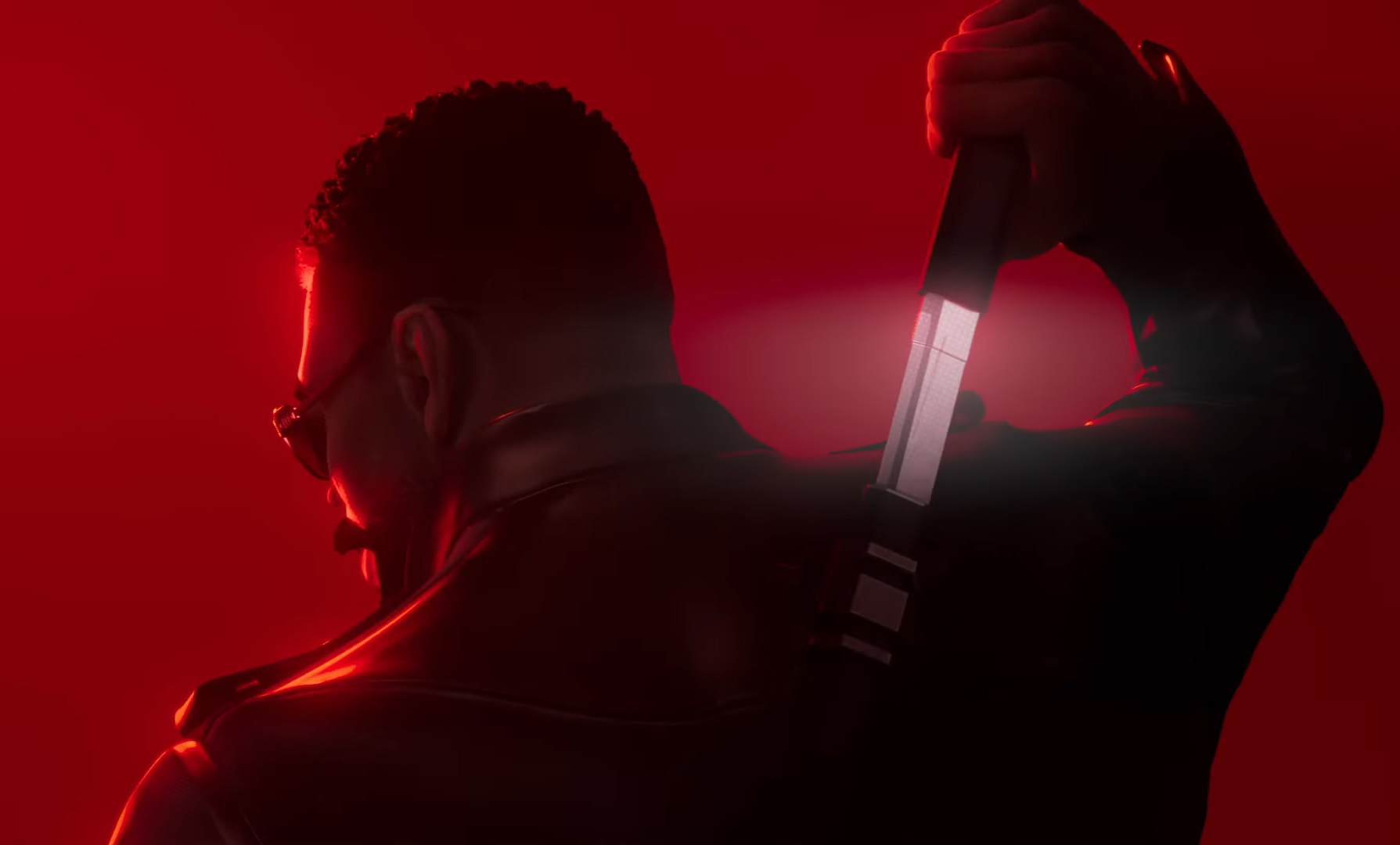
- Greenlighting Marvel’s Blade: Announced to widespread fan excitement, Arkane’s collaboration with Marvel Games to create a mature, single-player action-adventure starring the iconic half-vampire hunter was positioned as a major tentpole for Xbox’s future release schedule. Internally, however, developers struggled against administrative bottlenecks imposed by corporate mandates.
- The Xbox Layoff Wave: The crisis boiled over when Xbox announced sweeping corporate cutbacks, slashing thousands of jobs globally and targeting several internal studios for closure or severe downsizing. Arkane was swept up in this purge, leaving the future of Marvel’s Blade—and the livelihoods of hundreds of developers—hanging in the balance.
- Union Intervention and Acquisition Rumors: In the wake of the closure announcement, the STJV stepped forward with blistering public statements condemning Microsoft’s management practices. Concurrently, industry insiders reported that alternative publishers, such as Ubisoft, had begun exploring the feasibility of purchasing Arkane from Xbox, introducing a glimmer of hope that the studio might survive under new leadership.
Supporting Data: Corporate Wealth vs. Studio Realities
The conflict between Microsoft and the STJV highlights a stark economic disparity between the corporate parent’s immense financial health and the precarious conditions faced by front-line developers.
The Numbers Behind the Tech Giant
To contextualize the STJV’s grievances, one must look at Microsoft’s broader financial performance. During the first quarter of fiscal year 2027, Microsoft reported a staggering net income of $36.6 billion.
While the Xbox division represents a smaller fraction of this massive enterprise, it functions entirely as an integrated business unit of the parent corporation. Labor advocates argue that a company generating tens of billions of dollars in quarterly profit possesses more than enough financial cushioning to sustain a profitable—yet temporarily delayed—development studio through a turbulent market cycle.
Arkane’s Financial Standing
According to internal assessments cited by the union, Arkane Studios has historically operated as a profitable entity. The STJV emphasizes that the studio is not failing economically; rather, it is failing to meet hyper-inflated profit margins demanded by corporate leadership under macroeconomic pressure.
By freezing hiring for nearly two years, Microsoft manufactured artificial inefficiencies. Project timelines stretched out, and overhead costs ticked upward simply because teams were forced to do more with fewer resources. Once those metrics crossed a predetermined threshold on a corporate balance sheet, executives reportedly pointed to the delayed schedules and elevated costs as empirical proof of project failure—a feedback loop that the union has fiercely labeled as manufactured sabotage.
Official Responses and Union Demands
The STJV has made it clear that it will not let Microsoft quietly dismantle Arkane Studios without facing intense public scrutiny and demands for accountability. In official statements released to the public, the union outlined both moral and financial obligations that it expects the tech giant to fulfill.
The Demand for Fair Treatment
Should negotiations to sell Arkane to a third-party buyer fail and the studio be forced to close its doors, the STJV insists that Microsoft must go far beyond the minimum legal requirements mandated by French and international labor laws.
Pointing to Microsoft’s virtually limitless resources, the union declared that the corporation has a strict moral obligation to protect the hundreds of workers whose lives have been thrown into turmoil.
- Financial Compensation: The union demands severance and support packages that are genuinely commensurate with Microsoft’s status as one of the wealthiest corporations on Earth.
- Worker Empowerment: During ongoing acquisition talks, the STJV is fighting to ensure that employees are granted a seat at the table, giving them direct control over decisions that will ultimately shape their professional futures.
"We will not allow the lives of Arkane Studios’ workers to be destroyed without the company paying a fair price," the STJV stated emphatically. The union’s leadership stressed that while their dearest wish is for Arkane to "live on" and complete Marvel’s Blade, any resolution must prioritize the human element over corporate cost-cutting measures.
At the time of publication, official representatives for Xbox and Microsoft have not issued a comprehensive public response addressing the specific sabotage allegations made by the STJV. Requests for comment sent to Xbox leadership remain pending.
Industry Implications: What This Means for the Future of Game Development
The standoff between Microsoft and the STJV carries profound implications for the broader video game industry, touching upon labor rights, corporate accountability, and the sustainability of high-end game development under massive conglomerates.
The Corporate Consolidation Crisis
In recent years, the gaming landscape has been reshaped by massive mergers and acquisitions. Publishers have swallowed up independent development houses, promising stability, creative freedom, and access to vast pools of capital. However, as economic pressures mount and investor expectations shift, studios that once operated with relative autonomy find themselves subjected to rigid corporate metrics.
The situation at Arkane mirrors a growing trend across the tech and gaming sectors: sudden, sweeping layoffs executed by multi-trillion-dollar corporations to appease short-term shareholder demands, even when the affected divisions possess strong intellectual properties and proven track records of creative excellence.
The Rise of Organized Labor in Gaming
Historically, the video game industry has lacked widespread unionization, leaving developers vulnerable to sudden studio closures, crunch culture, and arbitrary layoffs. The aggressive stance taken by France’s STJV signals a shifting paradigm. European labor unions, armed with robust legal frameworks and vocal membership bases, are increasingly willing to challenge major multinational corporations publicly, demanding transparency and accountability when management decisions threaten livelihoods.
If unions like the STJV successfully pressure tech giants into offering substantial severance packages—or better yet, force the successful spin-off and sale of endangered studios—it could establish a vital precedent for game developers worldwide.
The Fate of Marvel’s Blade
Beyond the very real human toll on Arkane’s workforce, the gaming community remains anxiously focused on the fate of Marvel’s Blade. As an open-world or narrative-driven action game featuring one of Marvel’s most beloved supernatural heroes, anticipation for the title has been extraordinarily high.
Whether the project ultimately survives under a new publisher like Ubisoft, or whether it gets absorbed and reallocated within a different corporate structure, the turmoil surrounding its creation serves as a cautionary tale about the fragility of creative endeavors under the weight of corporate bureaucracy.
As developments unfold, the industry will be watching closely to see if Microsoft responds to the union’s demands—and whether Arkane Studios can find a way to cheat death once more.