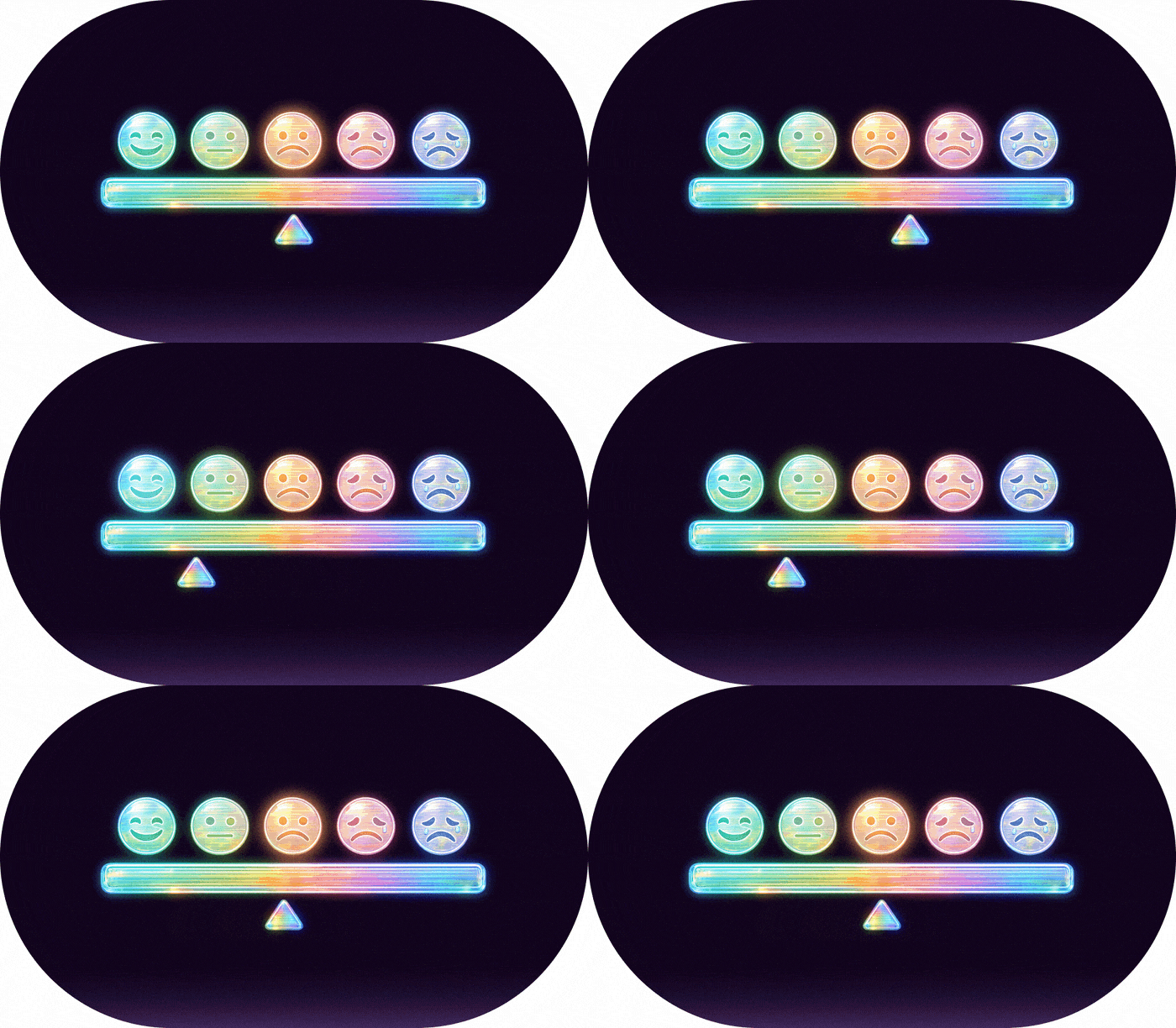
As connected television (CTV) cements its position as the dominant medium for home entertainment, advertisers are pouring billions of dollars into ad-supported streaming ecosystems. Yet, a persistent paradox plagues the industry: despite unprecedented viewership surges and expansive content inventories, marketers have historically navigated an opaque ecosystem with limited control over precisely where their ads land.
Traditional CTV ad delivery has relied on broad strokes—targeting broad genres, entire networks, or broad household-level audience demographics. But as ad-supported viewership commands a larger share of daily media consumption, the industry is experiencing a seismic shift. Enter scene-level targeting, a cutting-edge technological advancement that analyzes on-screen content in real time just moments before an ad break.
Sponsored by Wurl, this deep-dive guide explores how scene-level targeting is rewriting the rules of CTV advertising. By aligning brand creatives with exact onscreen contexts, emotional tones, and brand-safe moments, advertisers are driving positive attention, mitigating risks, and significantly improving performance across the entire marketing funnel.
Main Facts: The Evolution and Mechanics of Scene-Level Targeting
The modern CTV landscape is defined by massive growth paired with operational friction. According to industry reports, free ad-supported streaming TV (FAST) services are experiencing explosive year-over-year gains in viewership. However, ad fill rates have lagged behind content supply, signaling a major opportunity for both content owners and advertisers to optimize how inventory is bought and sold.
At its core, scene-level targeting is a sophisticated form of contextual advertising that evaluates what is happening visually and aurally within a specific show or movie immediately preceding an ad pod. Rather than treating a 30-minute program as a monolith, scene-level targeting dissects the narrative beat-by-beat.
How It Works: Utilizing advanced generative artificial intelligence and proprietary computer vision models, platforms like Wurl analyze a combination of visual cues, audio signals, and dialogue. This technology evaluates imagery, tone, sentiment, and contextual themes as they unfold.
Metadata Tagging: These real-time analyses generate structured scores categorized by emotions, genres, and IAB-defined brand safety parameters. These granular scores are then appended to the content metadata before entering the demand-side platform (DSP) bid stream.
Privacy-First Design: Crucially, scene-level solutions operate without relying on cookies, device IDs, or tracking mechanisms that run afoul of privacy regulations such as the Video Privacy Protection Act (VPPA).
Chronology: From Broad-Stroke Proxies to Real-Time Precision
To understand the revolutionary nature of scene-level targeting, it is helpful to trace the evolution of targeting methodologies within television and digital video:
The Traditional Era (Linear TV and Early Digital): For decades, television buying was anchored to broad demographic targets (e.g., adults aged 25–54) and macro-level genres (e.g., sports, dramas, comedies). Advertisers had virtually no visibility into the immediate emotional context surrounding an ad break.
The Era of Household and App-Level Targeting (Early CTV): As television migrated to IP-delivered streaming, targeting shifted toward IP addresses, household-level device IDs, and channel
-level FAST metadata. While this improved audience reach, it still treated entire programs as uniform blocks—ignoring the reality that a show’s tone can shift wildly from a tense confrontation to a lighthearted comedic beat.
The Rise of Contextual and Emotional Awareness (Present Day): With the integration of AI-driven video intelligence, the industry has transitioned into moment-level advertising. Advertisers can now deploy real-time categorization to ensure that ad placements match the immediate mood, context, and brand-safety requirements of the preceding scene.
Supporting Data: The Measurable Impact of Context and Emotion
The shift from broad proxies to granular, scene-level execution is backed by compelling industry research demonstrating dramatic lifts in consumer engagement and business outcomes:
The Power of Emotional Alignment: Joint research from Wurl and TVision reveals a 2.4x increase in viewer attention when streaming TV ads match the emotional tone of the preceding content. Furthermore, data from Integral Ad Science indicates that ads aligned with a consumer’s emotional state or immediate surroundings are up to 40% more memorable.
Driving Lower-Funnel Conversions: Behavioral studies highlight that more than 90% of purchasing decisions are driven by emotional responses. In a practical deployment, global media agency PMG leveraged Wurl’s scene-level emotional targeting for a quick-service restaurant (QSR) client. By matching ads to content evoking anticipation and joy, the campaign drove a 40% lift in incremental restaurant visits and a 48% lift in incremental sales, making it the top-performing CTV tactic during its flight.
Unlocking Marginalized Inventory: Broad-stroke brand safety exclusions often lead advertisers to completely avoid high-value environments like news, which accounts for roughly 8.6% of FAST viewing hours. However, Wurl’s 2026 CTV trends report discovered that more than a third of news scenes are fully brand-safe. Scene-level targeting allows brands to safely advertise alongside uplifting stories while maximizing reach among highly engaged news audiences.
Official Responses: Industry Leadership Weighs In
As brands and agencies grapple with the complexities of modern streaming environments, industry executives emphasize that context is no longer a secondary consideration—it is the primary driver of campaign efficacy.
"Effective communication often relies on the context in which it is delivered; the same rules apply in advertising. Scene-level targeting introduces a whole new level of precision to TV advertising,"said Ria Madrid, vice president of global advertising at Wurl."Marketers can now deliver their brand messaging adjacent to relevant content and in alignment with viewers’ mindsets and level of attentiveness. It creates a smarter, more prescriptive connection between brands and consumers."
Madrid also addressed the industry’s historical missteps regarding brand safety:
"Currently, many advertisers are approaching brand safety with overly broad-stroke approaches. Entire genres, programs and sometimes even publishers are excluded in an effort to avoid potential risk. By moving beyond broad proxies, advertisers can deliver their ads more intentionally, without sacrificing reach or risk to their brand. For publishers, this unlocks an optimization tool—shifting brand safety from a constraint into a monetization opportunity."
Highlighting the compounding effectiveness of layered strategies, Madrid noted:
"Audience and demographic targeting have long been the norm, ensuring the right viewers are being reached. Scene-level contextual targeting ensures they are being reached during the right moments of their viewing session… When those layers work together, advertisers don’t have to choose between scale and suitability. It’s a ‘yes, and.’"
Implications: What This Means for Advertisers, Publishers, and the Future of Programmatic TV
The widespread adoption of scene-level targeting carries profound implications for every stakeholder in the television advertising ecosystem:
1. Holistic Full-Funnel Measurement
Historically, CTV was viewed primarily as an upper-funnel medium useful strictly for building brand awareness. However, third-party validation partnerships with firms like Kantar, Upwave, EDO, and InMarket demonstrate that scene-level optimization improves effectiveness across the entire customer journey. At the top of the funnel, brands see lifts in awareness and favorability; in the mid-funnel, enhanced purchase intent; and at the lower funnel, measurable in-store visits and direct sales.
2. A "Yes, And" Approach to Targeting
Advertisers do not need to discard their existing audience and demographic playbooks to benefit from scene-level insights. Controlled tests reveal that layering scene-level signals on top of standard audience and geographic targeting nearly doubles campaign performance. By combining audience data with contextual relevance, brands achieve precision without sacrificing scale.
3. Empowerment of Publishers and Monetization
For publishers and content owners grappling with fluctuating fill rates, scene-level metadata transforms previously restricted or under-monetized content (such as news or dramatic programming) into highly desirable, premium inventory. By providing granular taxonomies that guarantee brand suitability, publishers can command higher CPMs and unlock new revenue streams.
4. Readiness for Agentic and AI-Driven Workflows
As programmatic advertising moves toward automated, agentic workflows, the quality of underlying data sources becomes paramount. Future campaign success will rely heavily on real-time categorization and machine-readable content signals. Platforms that embrace robust Content Intelligence frameworks—such as Wurl’s ecosystem supporting partners like KERV, Peer39, and IRIS.TV—will provide marketers with the flexibility, accuracy, and operational efficiency required to thrive in the automated future of TV advertising.