Main Facts
After logging countless hours running from terrifying monsters, solving cryptic puzzles in abandoned mansions, and managing desperately scarce inventory in virtual nightmares, a fundamental question often lingers in the minds of veteran horror gamers: Would I actually survive this in real life?
This introspective inquiry recently took center stage at the PC Gamer office following a deep dive into the upcoming psychological horror title, Silent Hill: Townfall. Rather than keeping these musings internal, the team decided to tackle the question head-on, resulting in a lighthearted yet surprisingly rigorous psychological experiment: grading the entire editorial staff on their theoretical survival odds.
Utilizing the popular TierMaker platform, the team constructed a definitive tier list ranking each editor’s capacity to endure a genuine nightmare scenario—such as the fog-shrouded, psychological torments of the Silent Hill universe. The exercise bridges the gap between gaming theory and practical survivalism, examining how traits like panic control, problem-solving under duress, physical endurance, and sheer moral flexibility translate from a glowing monitor to the real world.
While some staff members expressed unwavering confidence in their ability to outlast the horrors, others were swiftly relegated to the bottom tiers, destined to serve as the obligatory jump-scare victims early in the narrative.
Chronology
The genesis of this office experiment can be traced across several distinct phases of modern horror gaming consumption and team introspection:
Phase 1: The Immersion Era
The journey began with the collective playthroughs of recent heavy-hitting horror titles, most notably the haunting atmospheric dread introduced by Silent Hill: Townfall. As the team experienced the oppressive sound design, suffocating fog, and deeply unsettling narrative beats, casual conversations inevitably drifted away from standard game mechanics and toward speculative self-preservation.
Phase 2: The Assessment and Debate
Following the conclusion of their recent gaming sessions, an informal debate erupted in the PC Gamer Slack channels. Editors began evaluating their own coping mechanisms. Who among them would freeze when hearing a distant screech in the dark? Who would foolishly investigate a strange noise in a basement? Who possessed the stubborn resourcefulness required to scavenge a rusty lead pipe and conserve a single box of handgun ammunition?
Phase 3: The Tier List Conception
To settle the playful arguments, the team decided to formalize their evaluations. They gathered to construct an official TierMaker ranking. Each editor’s gaming habits, real-world temperament, physical fitness, and tactical decision-making skills were scrutinized. Debates grew fierce over specific placements, with staff members fiercely defending their survival credentials against counter-arguments citing their documented virtual blunders—such as repeatedly walking into obvious traps or panic-firing weapons at empty corners.
Phase 4: Publication and Community Reflection
The final tier list was compiled, documented, and published for the readership, sparking broader conversations across the gaming community. Fans of the site quickly chimed in, comparing the PC Gamer staff’s projected fates to their own hypothetical survival scenarios in various survival horror franchises.
Supporting Data
While survival horror tier lists are inherently subjective, they draw upon recognizable archetypes and psychological patterns observed in both gaming culture and crisis management. Analyzing the makeup of the PC Gamer team provides a fascinating look at how different personality types fare under extreme stress:
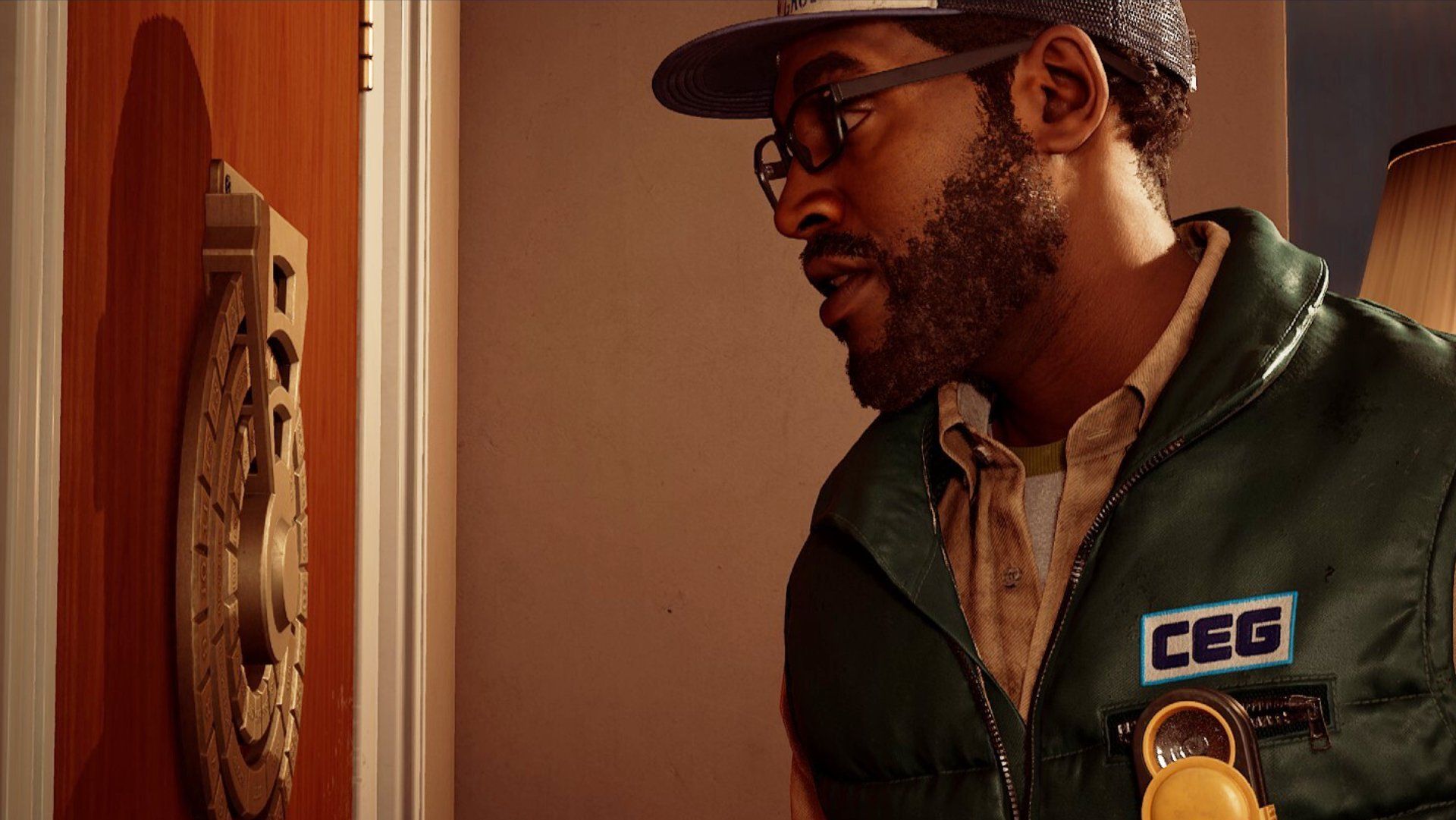
- The Resource Hoarders (The Survivors): These are the editors who religiously play survival horror games on the hardest difficulties, known for never wasting a healing item and meticulously checking every corner. In theory, their paranoia and preparedness give them a high statistical probability of reaching the end credits.
- The Rushed Explorers (The Early Casualties): Characterized by a high-tempo playstyle, these team members prioritize speed over caution. In a real-world scenario, their tendency to sprint down dark corridors without a flashlight would likely make them the first to trigger a fatal encounter.
- The Puzzle Solvers (The Intellectual Survivors): Armed with sharp deduction skills, these editors excel at deciphering cryptic notes, matching symbols, and unlocking heavy doors. While they may lack physical combat prowess, their brains are their best weapons against supernatural bureaucracy.
- The Panic-Prone (The Comedic Relief): These individuals possess a well-documented history of screaming at jump scares, missing easy shots, and accidentally backtracking into danger. Their placement at the bottom of the tier list is backed by hours of embarrassing stream footage.
Table 1.1: Hypothetical Survival Metrics Evaluated by the Team
| Survival Trait | Impact on Survival Odds | Common Office Counterpart |
|---|---|---|
| Paranoia | Extremely High | Double-checking locked doors, hoarding office snacks. |
| Spatial Awareness | High | Remembering where the fire exits are located. |
| Panic Control | Moderate | Remaining calm when the Slack server goes down. |
| Physical Stamina | Moderate | Running for the bus vs. doom-scrolling. |
| Impulsive Curiosity | Extremely Low | Investigating glowing red buttons or mysterious crates. |
Official Responses
The internal reception to the tier list was a mixture of pride, indignation, and humorous resignation among the PC Gamer editorial staff.
Several editors who found themselves placed safely in the upper tiers viewed the ranking as validation of their years spent mastering franchises like Resident Evil, Dead Space, and Silent Hill. "When the fog rolls in and the sirens start wailing, I’ll be the one systematically clearing rooms while everyone else panics," noted one confident staff member, pointing to their extensive history of nightmare-difficulty clears.
Conversely, those relegated to the lower tiers defended their virtual shortcomings with self-deprecating humor. One editor remarked, "If a grotesque manifestation of my inner trauma comes chasing after me down a dilapidated hallway, I am not trying to solve a sliding-tile puzzle to open a stained-glass door. I am simply lying down on the floor and accepting my fate."
Readers and community members also weighed in via social media platforms, sharing their own workplace survival tier lists and debating whether video game logic would actually hinder or help someone in a genuine crisis. Many noted that while video game protagonists possess unrealistic resilience, the psychological conditioning built from years of playing horror games might actually grant seasoned gamers a unique psychological edge over the general populace.
Implications
Beyond the office banter and community engagement, the PC Gamer team’s playful tier list touches on deeper psychological and cultural phenomena surrounding the horror genre.
1. The Therapeutic Value of Horror Gaming
Survival horror has long served as a safe container for processing anxiety and fear. By placing themselves into the narrative framework of games like Silent Hill: Townfall, players actively confront powerlessness. The exercise of ranking survival odds reflects an underlying human desire to test our limits—asking ourselves how we would respond if the artificial boundaries of the screen were suddenly stripped away.
2. The Illusion of Competence
There is a stark contrast between knowing what to do in a video game and executing it in reality. While an experienced gamer knows that sprinting depletes stamina, attracts monsters, and ruins stealth, a real adrenaline surge often overrides intellectual preparation. The tier list playfully highlights this gap between digital confidence and biological reality: clutching a controller in an ergonomic chair is a far cry from clutching a rusty pipe in the freezing dark.
3. Team Dynamics in Crisis
In cooperative survival games, team composition often dictates whether a group makes it to the extraction point or falls one by one. The PC Gamer tier list inadvertently serves as a study in group dynamics during a crisis. Every successful survival unit requires a balance of cautious scouts, analytical problem-solvers, and—inevitably—someone to distract the monsters while the rest escape.
Ultimately, while the team’s ranking may not hold up to rigorous scientific scrutiny, it captures the essence of what makes horror gaming so captivating: the enduring fantasy that, against all odds, we possess the wit, the grit, and the sheer stubbornness to make it out alive.