In a seismic shift for the gaming industry, Microsoft’s Xbox division has announced another wave of personnel reductions, marking a critical juncture in the company’s ambitious, albeit painful, corporate restructuring. Matt Booty, Xbox’s Chief Content Officer, confirmed in an internal memo obtained by The Hollywood Reporter that 268 employees are being laid off. This latest round of cuts brings the organization to approximately 75% completion of its stated goal to reduce its workforce by 3,200 positions—a mission first set in motion this past July.
The announcement serves as both a sobering reminder of the volatility within the tech and gaming sectors and a signal of a fundamental reorganization of Microsoft’s gaming portfolio. As the company seeks to streamline operations, it is spinning off beloved development houses, merging long-standing teams, and handing the keys to its most iconic franchise, Halo, to its powerhouse subsidiary, Activision.
A Chronology of the "Xbox Reset"
The current situation is the culmination of a broader strategic pivot that began earlier this year. Following the integration of massive acquisitions, Microsoft leadership identified a need to consolidate its sprawling gaming infrastructure.
July 2026: Microsoft officially announces a plan to reduce its headcount by 3,200 roles. The objective, framed by leadership as a "reset," was to align costs with the realities of a post-pandemic gaming market and to eliminate redundant management layers across its diverse ecosystem of studios.
August 2026: The first wave of studio divestitures began in earnest. Compulsion Games and Double Fine were returned to independent management, retaining their IP and back catalogs with provided "runway" funding to ensure their long-term stability outside of the Microsoft umbrella.
September 2026: The current phase of the restructuring. Today’s announcement includes the latest 268 layoffs and the notification that while some studios are being absorbed, others, such as Ninja Theory, face the prospect of closure after potential buyout agreements failed to materialize.
Structural Realignment: Winners, Losers, and Mergers
The memo from Matt Booty outlines a radical shift in how Xbox manages its first-party development. The strategy emphasizes "fewer business units" and the alignment of teams that share development philosophies.
Studio Absorptions and Mergers
Bethesda and Obsidian: In a move that consolidates RPG development, Bethesda is now absorbing Obsidian Entertainment. Given that Obsidian is currently deep into development on a new Fallout installment, this merger suggests a desire to pool resources for Microsoft’s open-world crown jewels.
Forza Consolidation: Playground Games, the studio behind the Forza Horizon series, and Turn 10, the architects of Forza Motorsport, are being merged into a single entity. The move is intended to streamline the development cycle of the Forza franchise, ensuring technical and creative consistency across the racing portfolio.
King and Casual Gaming: The King division—famed for Candy Crush—is officially taking in Microsoft’s Casual Games unit, which oversees classics like Solitaire and Minesweeper.
The Fate of Ninja Theory and Undead Labs
The news is particularly grim for Ninja Theory. Despite high-profile projects, two separate agreements to spin the studio out fell through, leading to consultations for a proposed closure. Conversely, Undead Labs, the developer behind State of Decay 3, has successfully transitioned to new management and will continue to operate under a new publisher, ensuring that their upcoming title remains a day-one launch on Game Pass.
The Activision Pivot: A New Future for Halo
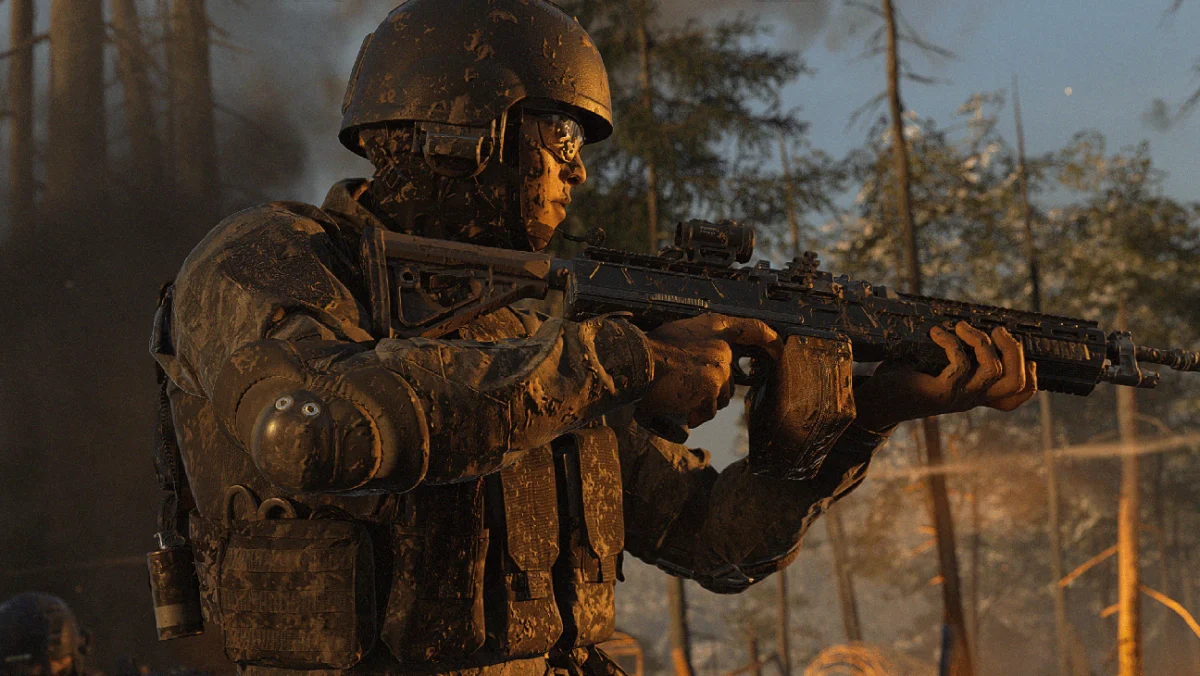
Perhaps the most significant development—and the one that will dominate headlines among gamers—is the transfer of the Halo franchise. Henceforth, the next mainline Halo title will be developed by Activision.
This marks a departure from the historical stewardship of the franchise. Halo was originally the bedrock of Bungie’s success before moving to 343 Industries (rebranded as Halo Studios). By shifting the responsibility to Activision, Microsoft is signaling an intent to leverage the studio’s massive, proven infrastructure in managing live-service and blockbuster titles like Call of Duty.
Rob Kostich on the "Halo" Ambition
Rob Kostich, President of Activision, addressed the transition with a tone of heavy responsibility:
"We’re thrilled to welcome Halo, Rare, and World’s Edge to Activision. It’s an honor and a responsibility that we do not take lightly. For Halo, our goal is clear: make the greatest Halo game ever, worthy of its universe and legacy… We have already begun assembling a purpose-built team, unique in capability and talent, ready and excited to deliver this next chapter with the community."
This move effectively places the Halo franchise alongside Crash Bandicoot, Spyro the Dragon, and Tony Hawk’s Pro Skater in the Activision stable, indicating that Microsoft views Activision not just as an acquisition, but as the central engine for its most valuable intellectual properties.
Implications for the Industry
The "Xbox Reset" is reflective of a wider trend in the technology industry where the "growth at all costs" mentality of the 2020–2022 era has been replaced by an intense focus on operational efficiency and profitability.
The Human Cost
While the corporate strategy focuses on "streamlining," the human impact remains the most jarring aspect of the story. The loss of 268 roles—and the threat of closure for a studio like Ninja Theory—highlights the instability for developers even at the world’s largest gaming companies. The tech industry, which once offered a sense of permanence, is now seeing its workforce navigate a landscape of frequent pivots and layoffs.
The Strategic Landscape
From a business perspective, the consolidation of studios like Bethesda and Obsidian, and the alignment of Halo under Activision, indicates that Microsoft is attempting to build "centers of excellence." By grouping studios with similar specializations, Microsoft hopes to reduce overhead and improve output quality.
However, critics of this approach argue that consolidation risks diluting the unique creative cultures that made these individual studios successful. When a studio is absorbed into a larger entity, the "indie spirit" that often drives innovation can be stifled by bureaucratic oversight and the demands of massive corporate mandates.
Looking Ahead
Matt Booty’s memo suggests that the pain is not yet over, though the end of the restructuring process is in sight. With consultations regarding Arkane expected to continue through the end of the year, the industry will remain in a state of suspense.
For the players, the message from the October 6 town hall will be crucial. Microsoft is positioning its upcoming lineup as "one of the strongest in our history." Whether that promise holds weight will depend on how successfully these reorganized teams can pivot to their new objectives under the Activision umbrella.
As the industry digests this news, one thing is clear: the face of Xbox is changing. The era of decentralized, independent-minded internal studios is giving way to a more integrated, centralized model—a shift that aims to secure the future of Microsoft’s gaming dominance at the cost of the very structure that helped build it.