Long before Earth’s Mightiest Heroes assembled in Marvel Comics or dominated the cinematic box office, a different kind of "Avengers" was capturing the global imagination. Sixty-five years ago, on January 7, 1961, British television viewers tuned into ITV to watch the premiere of "Hot Snow," the pilot episode of a stylish, idiosyncratic espionage series simply titled The Avengers.
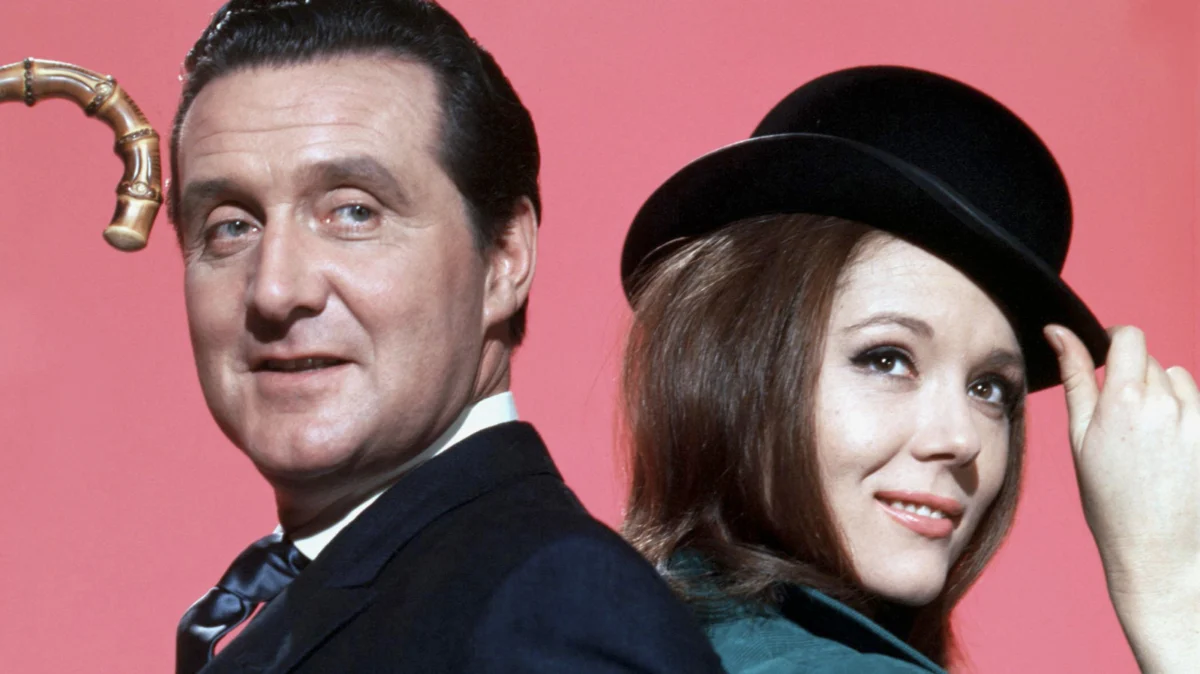
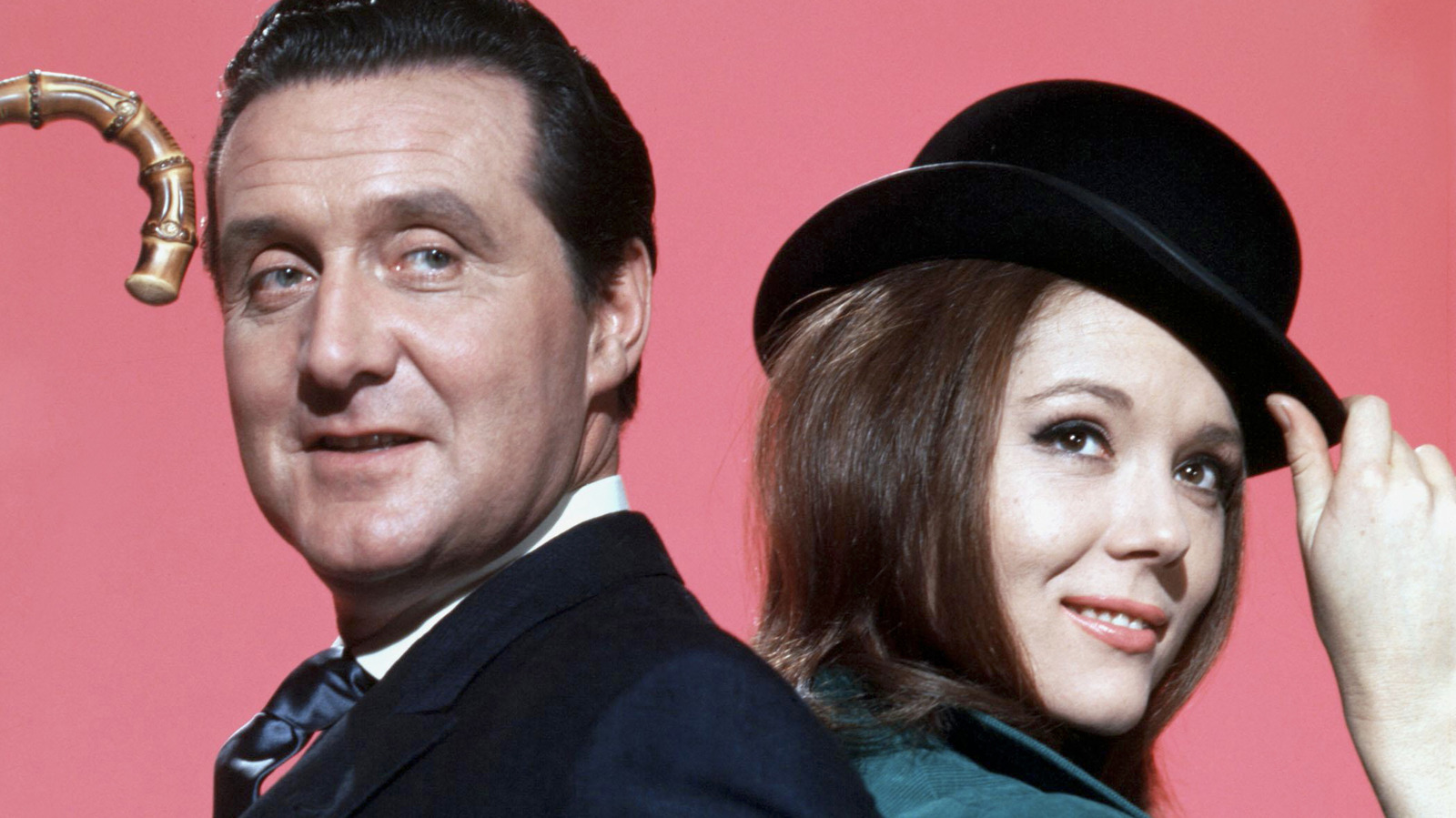
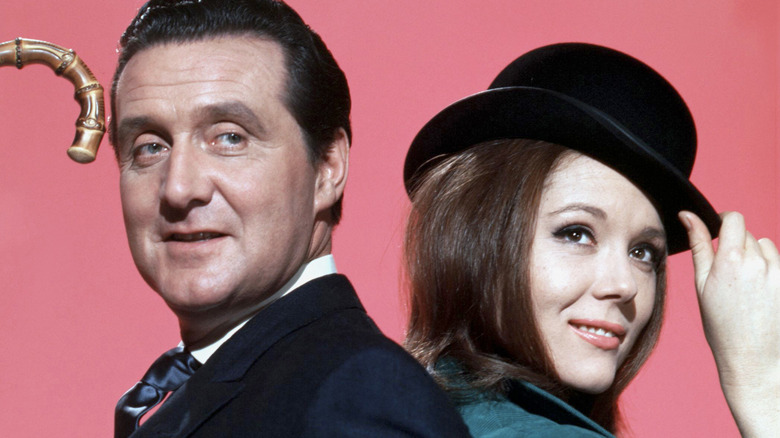
Created by visionary Canadian screenwriter Sydney Newman—who would go on to co-create Doctor Who shortly thereafter—the series began as a gritty, ground-level crime drama before evolving into a fantastical, genre-blending "spy-fi" phenomenon. Anchored by the unflappable, bowler-hat-wearing secret agent John Steed (played with aristocratic charm by Patrick Macnee), the show became a defining cultural touchstone of the 1960s.
Blending high-concept science fiction—featuring rogue robots, mind-control devices, and killer plants—with eccentric British humor, high fashion, and sharp action sequences, The Avengers transcended its modest origins. It successfully crossed the Atlantic in 1966 to become a massive hit on ABC in the United States, cementing its legacy as one of the most influential television programs of the 20th century.
Chronology: From Gritty Crime to Mod Sci-Fi
1961: The Inception and Accidental Evolution
When The Avengers premiered in the UK, its creative structure looked vastly different from the dynamic that ultimately made it famous. Sydney Newman originally conceived the show to revolve around Dr. David H. Keel, a medical practitioner turned vigilante seeking vengeance for the murder of his fiancée. John Steed was initially written as a secondary character—a mysterious operative who assisted Keel.
However, viewer reactions immediately signaled a shift. Patrick Macnee’s magnetic, dapper portrayal of Steed resonated profoundly with audiences. Consequently, the production team retooled the series, gradually phasing out Keel and elevating Steed to the central protagonist. This pivot required Steed to take on a revolving door of partners, a structural formula that would define the show’s enduring format.
The Early-to-Mid 1960s: The Golden Era of Partners and Style
As the series progressed through its six-season run, Steed’s partners became cultural icons in their own right, each bringing a distinct flavor to the narrative:
Cathy Gale (Honor Blackman): An anthropologist skilled in judo, Gale replaced the early male sidekicks and established the series’ precedent for capable, intellectual, and physically formidable female heroes.
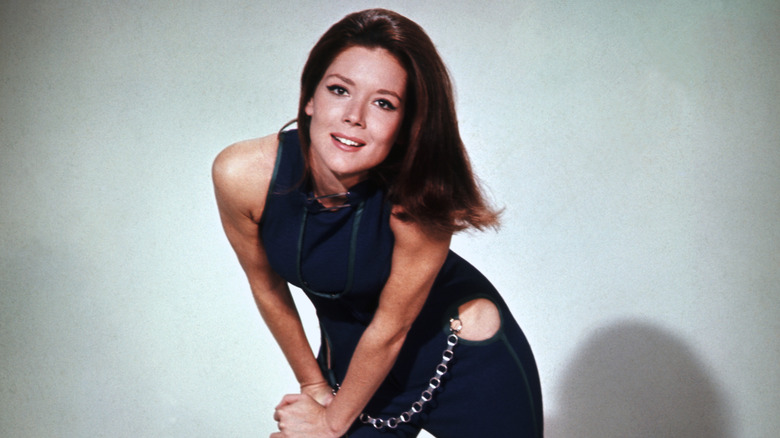
Emma Peel (Diana Rigg): Joining the show in 1965, Rigg’s portrayal of Mrs. Peel took the cultural zeitgeist by storm. A brilliant chemist, art collector, and martial arts expert, Peel’s razor-sharp intellect and effortless chemistry with Steed elevated The Avengers to peak popularity, both domestically and internationally.
Tara King (Linda Thorson): Stepping in during the final seasons, King provided a younger, more eager counterpoint to Steed’s seasoned veteran status.
Concurrently, the show’s tone underwent a transformation. Moving away from standard criminal syndicates, The Avengers embraced surrealism and science fiction. Steed and his partners increasingly squared off against mad scientists, subterranean civilizations, and technological monstrosities, fully embracing the "spy-fi" label.
1966–1969: American Invasion and Broadcast Hurdles
When ABC imported The Avengers to the United States in 1966, it arrived amidst a crowded landscape of spy dramas fueled by the James Bond craze. Yet, its uniquely British irony and avant-garde aesthetic allowed it to stand apart.
The transition was not without friction. American network standards of the mid-1960s clashed with the show’s boundary-pushing violence and risqué fashion choices. ABC initially balked at airing several episodes, outright shelving installments such as "A Touch of Brimstone," which featured Emma Peel dressed as the "Queen of Sin" within a decadent, sadomasochistic pastiche of the historical Hellfire Club. Despite these early censorship battles, the episodes were ultimately embraced when the series entered syndication in the 1970s.
Post-Run Legacy: Sequels, Revivals, and Cinematic Missteps
The original series concluded its run in 1969, but the franchise’s footprint continued to expand:
1976–1977: Patrick Macnee reprised his role in The New Avengers, a sequel series that updated the formula for the late ’70s and successfully broadcast in over 120 countries.
1998: Hollywood attempted a major cinematic adaptation directed by Jeremiah S. Chechik, starring Ralph Fiennes as Steed and Uma Thurman as Emma Peel. The film was a critical and commercial disaster, earning a notoriously dismal 5% approval rating on Rotten Tomatoes and widely ranking among the worst adaptations of television properties in cinematic history.
Supporting Data
To understand the scope and cultural footprint of The Avengers, industry metrics and historical reception paint a clear picture:
Longevity and Syndication: The series produced 161 episodes across six distinct seasons between 1961 and 1969.
Global Reach: At the height of its international syndication in the 1970s, The Avengers was broadcast in more than 120 nations, making it one of the earliest British television exports to achieve true global-blockbuster status.
Critical Acclaimed Rankings: Retrospective lists by major entertainment publications consistently rank The Avengers within the top tier of 1960s television, frequently cited alongside The Twilight Zone, Star Trek, and The Prisoner as defining pillars of speculative and episodic television.
The Rotten Tomatoes Anomaly: The 1998 feature film adaptation stands in stark contrast to the television series’ prestige, holding an abysmal 5% on Rotten Tomatoes—serving as a cautionary tale of how difficult it is to recapture lightning in a bottle.
Official Responses and Creative Insights
The creators and stars of The Avengers frequently spoke on the deliberate choices that set their show apart in an era saturated with traditional procedural dramas.
Patrick Macnee frequently credited his own background for shaping John Steed’s iconic persona. In a 1967 interview with TV News, Macnee explained:
"Steed is pretty much me. I feel I’m satirizing my own class."
Macnee’s pivot from a standard trench coat to the neo-Edwardian three-piece suit and bowler hat transformed Steed into a walking subversion of British aristocracy—polite, unflappable, and lethally competent.
On the female empowerment front, Diana Rigg famously pushed back against conservative network expectations regarding wardrobe and agency. Addressing the production team’s initial hesitation over the revolutionary miniskirts designed by John Bates, Rigg told the TV Times (as recalled via The Guardian):
"They pulled their hair, said, ‘You can’t do that, it’s impossible.’ I argued that one must look forward and not back, and by wearing these brief skirts, one was looking forward."
Similarly, the transition to faux-leather catsuits—crafted by designer Michael Whittaker—was born of functional necessity. Because traditional dresses severely hindered Honor Blackman and Diana Rigg during intense hand-to-hand combat choreography, the catsuit was invented. This practical solution inadvertently birthed one of the most enduring fashion icons of 20th-century pop culture.
Implications
Sixty-five years after John Steed first strode onto British television screens, the influence of The Avengers remains deeply embedded in modern media.
Redefining Television Partnerships
Before The Avengers, male-female television duos were typically romantic or strictly hierarchical. The partnership between Steed and his female counterparts was revolutionary: egalitarian, fiercely intelligent, and built on mutual respect. The women of The Avengers were never damsels in distress; they frequently rescued Steed, solved the intellectual puzzles, and dispatched villains with martial arts prowess. This dynamic laid vital groundwork for future television duos in sci-fi and procedural dramas, influencing everything from The X-Files to modern action-ensemble series.
Merging Haute Couture with Action
The Avengers permanently fused television storytelling with high fashion. By transforming espionage into a runway of mod dresses, bespoke tailoring, and avant-garde accessories, the show proved that action programming could be an aesthetic trendsetter. Designers and stylists working in contemporary television still draw inspiration from the immaculate, weaponized elegance of Steed and Peel.
The Blueprint for "Spy-Fi"
By seamlessly integrating speculative science fiction—mind control, futuristic weaponry, and surreal subterranean plots—into a traditional spy framework, The Avengers expanded the boundaries of what episodic television could attempt. It proved that audiences were willing to suspend disbelief for wildly imaginative concepts, provided the characters grounded the narrative with charm and wit.
As contemporary pop culture continues to mine the 1960s for inspiration, The Avengers stands tall not merely as a quaint relic of British television history, but as an audacious, stylish blueprint that fundamentally changed how adventure stories are told on screen.