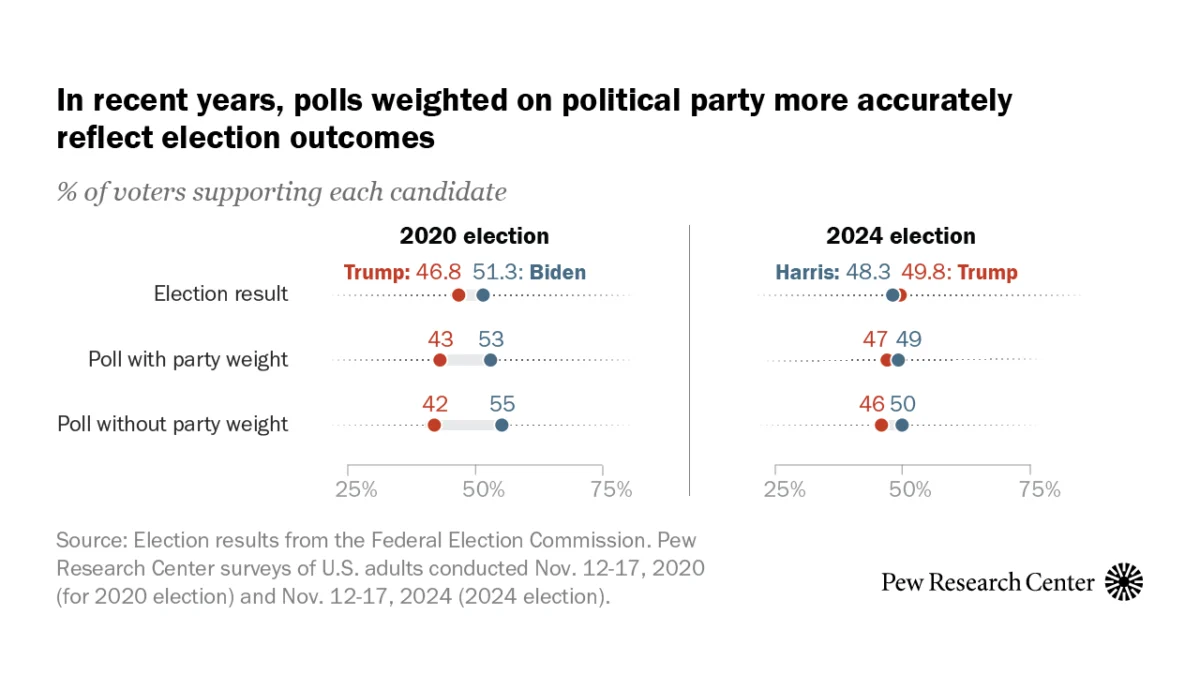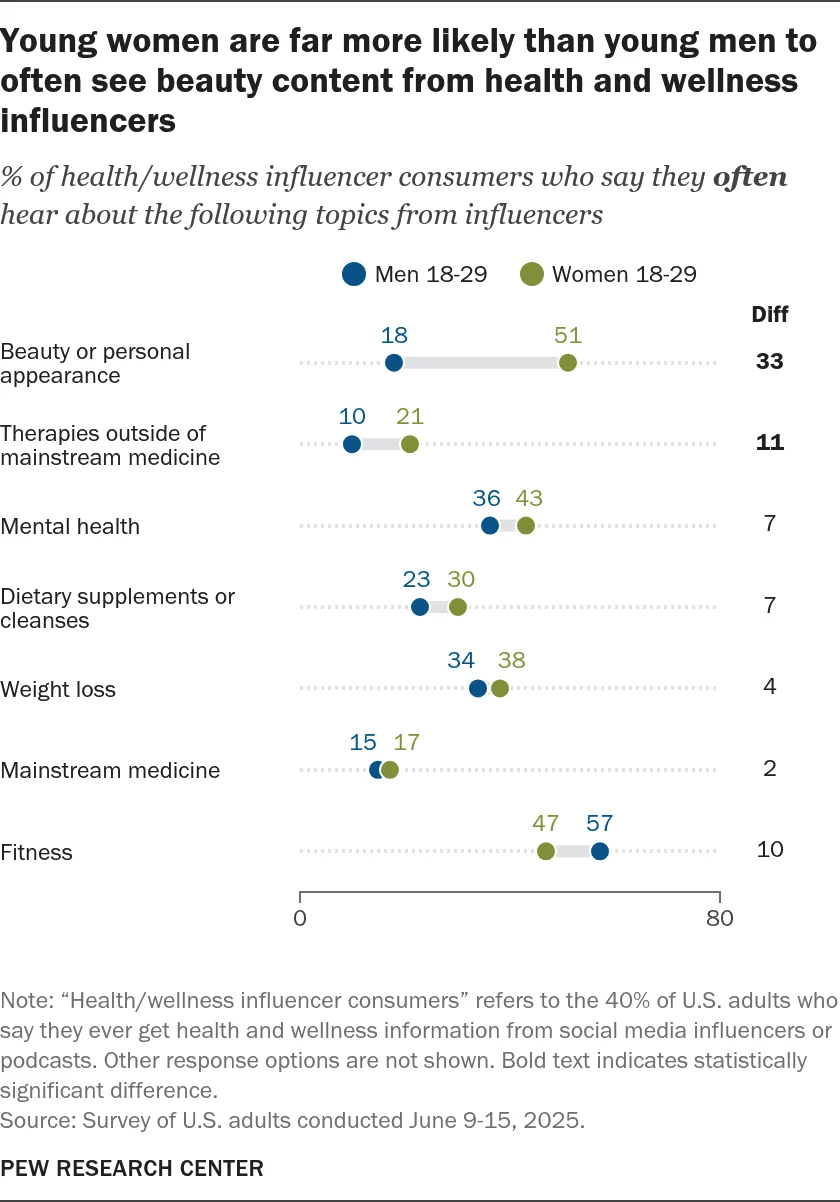
In an era defined by rapid geopolitical shifts, economic uncertainty, and evolving social values, the ability to accurately gauge public sentiment across borders has never been more critical. Pew Research Center’s latest releases—including the Spring 2026 Global Attitudes Survey and the 190th wave of the American Trends Panel (ATP)—provide a comprehensive window into the psyche of the global public.
However, behind the headlines and charts lies a rigorous, multi-layered scientific process. Understanding these methodologies is not merely an academic exercise; it is essential for contextualizing how we interpret the voices of citizens in the U.S. and around the world.
Main Facts: The Scope of Modern Polling
The 2026 research cycle represents a massive undertaking in social science. Pew’s Global Attitudes Survey is a multi-national effort that employs a diverse array of data collection methods, including telephone, face-to-face, and online interviews. By collaborating with research powerhouses like Gallup, Langer Research Associates, and the Social Research Centre, Pew ensures that its findings reflect national samples, providing a granular view of ideological, religious, and educational trends.

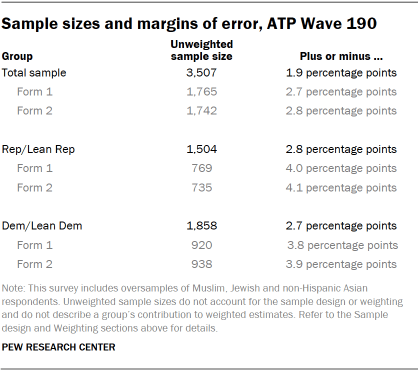
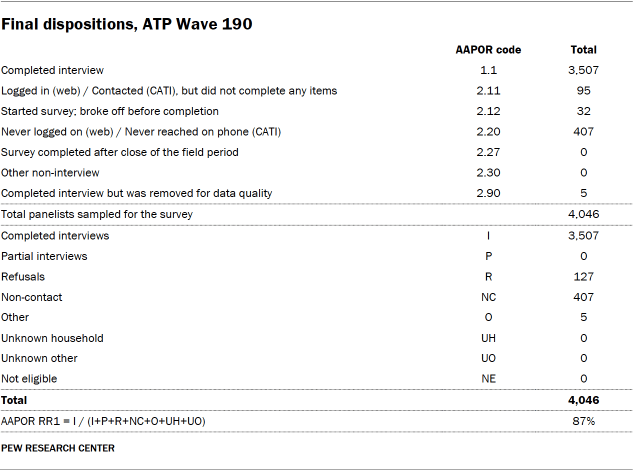
Simultaneously, the American Trends Panel (ATP) continues to serve as the gold standard for domestic U.S. polling. Wave 190 of the ATP, conducted in late March 2026, engaged 3,507 panelists. With an impressive 87% survey-level response rate, the data provides a highly reliable snapshot of the American public, complete with oversamples of Muslim, Jewish, and Asian American communities to ensure that marginalized or smaller demographic groups are represented with statistical precision.
Chronology: A Week in the Field
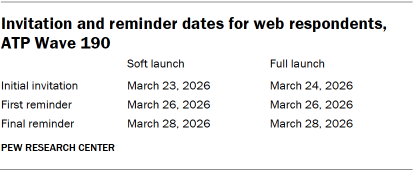
Data collection is a delicate operation requiring precise timing and execution. For the ATP Wave 190, the field period was condensed into a single week: March 23 to March 29, 2026.
- March 20: The process began with the mailing of prenotification postcards to phone-based respondents.
- March 23: The "soft launch" occurred. A small subset of 60 panelists was contacted to test the questionnaire’s logic and technical flow. Simultaneously, postcard notifications were mailed to online participants.
- March 24: The full launch commenced. Remaining English- and Spanish-speaking panelists were invited to participate.
- March 24–29: The intensive data collection phase continued, involving multiple follow-up emails, SMS invitations, and up to six telephone calls to non-responders, ensuring a robust and representative final dataset.
Supporting Data: The Science of Representation
The integrity of these reports rests on the technical rigor of their design. Pew employs sophisticated mechanisms to ensure that the data is not just "big," but "accurate."
Ideology and Demographics
Pew does not simply report raw numbers; it categorizes responses based on established social science frameworks. Ideological positioning is measured using nuanced scales, allowing researchers to group respondents into "left," "center," or "right." Religious identification is similarly filtered for statistical reliability, ensuring that even when smaller groups are analyzed, the results remain valid.
Education and Income Standardization
To facilitate cross-national comparisons, Pew utilizes the United Nations’ International Standard Classification of Education (ISCED). This allows for a "like-for-like" comparison between the educational attainment of a citizen in a developing nation and one in a high-income economy. Furthermore, the use of World Bank income classifications—which categorize nations based on per capita gross national income—provides the necessary economic context for understanding why certain global views, such as those regarding China or democracy, fluctuate based on a nation’s development status.
Weighting and Quality Control
Raw survey data is rarely a perfect reflection of a country’s census demographics. To correct for this, Pew applies a multi-stage weighting process.
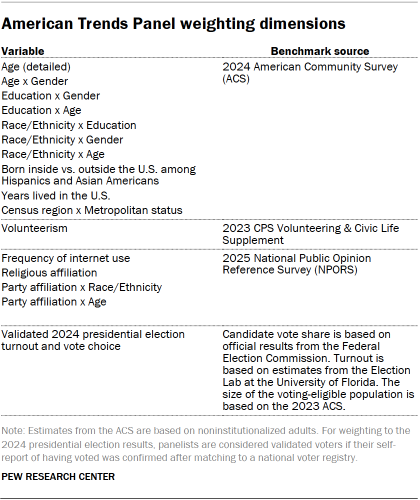
- Base Weights: Every panelist begins with a weight reflecting their probability of recruitment.
- Calibration: These are adjusted to align with population benchmarks to account for attrition or recruitment nonresponse.
- Trimming: Weights are trimmed at the 1st and 99th percentiles to ensure that extreme values do not skew the aggregate findings, thereby preserving the precision of the analysis.
Quality checks are equally stringent. For instance, in the latest ATP wave, five respondents were excluded from the final dataset for "satisficing"—the tendency to provide lazy or repetitive answers (such as selecting the first option for every question).
Official Responses and Ethical Standards
Pew Research Center emphasizes transparency in its methodology. By making their international survey protocols and country-specific sample designs publicly available, they invite scrutiny from the global academic community.
The use of "post-paid" incentives is a core pillar of their ethical and operational strategy. By offering rewards ranging from $5 to $20 in the form of gift codes or checks, the Center acknowledges the value of the respondents’ time while specifically targeting groups with historically low response rates. This approach not only boosts participation but also fosters a more equitable distribution of demographic voices in the final report.
Implications: Why Methodology Matters
The implications of these rigorous methodologies are profound. When we read a headline about "declining faith in democracy" or "shifting views on globalization," we are not merely reading an opinion—we are witnessing a calculated, statistically sound synthesis of public thought.
The Problem of Bias
By acknowledging that "question wording and practical difficulties… can introduce error or bias," Pew sets a humble and honest tone. This transparency is a safeguard against the "echo chamber" effect. Because the ATP uses address-based sampling (ABS) from the U.S. Postal Service’s Delivery Sequence File—which covers up to 98% of the population—the resulting data is shielded from the common pitfalls of self-selected, non-random online polls.
The Future of Global Analysis
As the world becomes more interconnected, the need for standardized, cross-cultural metrics grows. The reliance on the ISCED for education and World Bank data for income ensures that researchers can identify global trends that transcend local idiosyncrasies. Whether assessing national identity or international power balances, these methodologies allow policymakers and the public to distinguish between genuine, long-term shifts in public opinion and transient, noisy data.
Final Thoughts
The 2026 Pew Research cycle is a testament to the fact that, in the social sciences, the how is just as important as the what. By investing in rigorous recruitment, transparent weighting, and stringent quality control, Pew provides a mirror to society. It is a mirror that, while occasionally reflecting uncomfortable truths, does so with the clarity and precision required for informed discourse in a complex, modern world.
As readers engage with these findings, they can do so with the confidence that the data has been vetted, the biases have been accounted for, and the voices represented are as reflective of the true population as contemporary science allows. This is the bedrock of objective analysis, and it remains the most vital tool we have for navigating the global landscape of the mid-2020s.