For fans of Games Workshop’s brutal fantasy-sports tabletop classic, the history of Blood Bowl in the digital space has been a long, often agonizing saga of missed opportunities and contentious monetization. From the primitive, skeleton-thin adaptations of the 1990s to the recent, widely maligned Blood Bowl 3, the series has struggled to find a definitive electronic home. However, following the insolvency of publisher Nacon, a shift in management has sparked cautious optimism. Strategy gaming powerhouse Slitherine has stepped in, promising to rehabilitate the franchise with a comprehensive overhaul titled Warhammer Blood Bowl.
A History of Brutal Offsides: The Chronology of Digital Blood Bowl
The struggle to translate the tabletop complexity of Blood Bowl into a satisfying digital experience is nearly as old as the PC gaming industry itself. In the 1990s, MicroLeague released a version of the game that was famously derided by critics and fans alike. It lacked the depth, the charm, and the tactical nuance of the physical game, offering a "barebones" experience that felt more like a tech demo than a faithful adaptation.
Following that initial failure, the license migrated to Cyanide Studio. Cyanide’s tenure was marked by two reasonably successful adaptations. While they managed to capture the core appeal of the tabletop game—a chaotic, violent blend of American football and Warhammer fantasy—their legacy became inextricably linked to a controversial DLC model. Players were often asked to pay repeatedly for team rosters that were considered core to the experience.
Then came Blood Bowl 3. Released under the stewardship of publisher Nacon, the game became a cautionary tale for modern live-service titles. It was launched in a state that felt disjointed, plagued by aggressive microtransactions and a seasonal structure that alienated its core community. For many, Blood Bowl 3 became the "poster child" for how to ruin a beloved IP, characterized by a lack of polish and a confusing, predatory economic structure.
The Slitherine Pivot: A New Strategy for the Pitch
With Nacon’s recent insolvency, the path has been cleared for Slitherine—a publisher with a stellar reputation in the turn-based strategy genre—to take control of the franchise. While Cyanide remains the developer, the editorial and publishing oversight is now under the direction of a team that has proven their ability to handle complex Warhammer intellectual properties.
Marco Alessandro Minoli, the Director of Publishing at Slitherine, has articulated a vision that moves away from the "seasonal microtransaction" model that defined the previous iteration. "Our goal with Warhammer Blood Bowl is simple: we want this to become the definitive Blood Bowl videogame—not just at launch, but for years to come," Minoli stated.
Slitherine’s strategy relies on a "living game" philosophy. Rather than chasing quarterly revenue targets through aggressive monetization, the company intends to support and expand the title iteratively. This approach mirrors their success with other Warhammer strategy titles like Warhammer 40,000: Battlesector and Warhammer 40,000: Gladius, which have seen long-term support and community-focused growth.
The Technical Refresh: What’s Changing Under the Hood?
Warhammer Blood Bowl is not a ground-up reboot, but rather a massive, structural update to the foundation of Blood Bowl 3. The primary objective of this transition is to align the digital experience with the "Third Season" ruleset currently utilized in the physical tabletop game. This is a significant update, as the current tabletop edition includes balance tweaks and mechanical refinements that have been missing from the digital landscape.
Introducing New Contenders
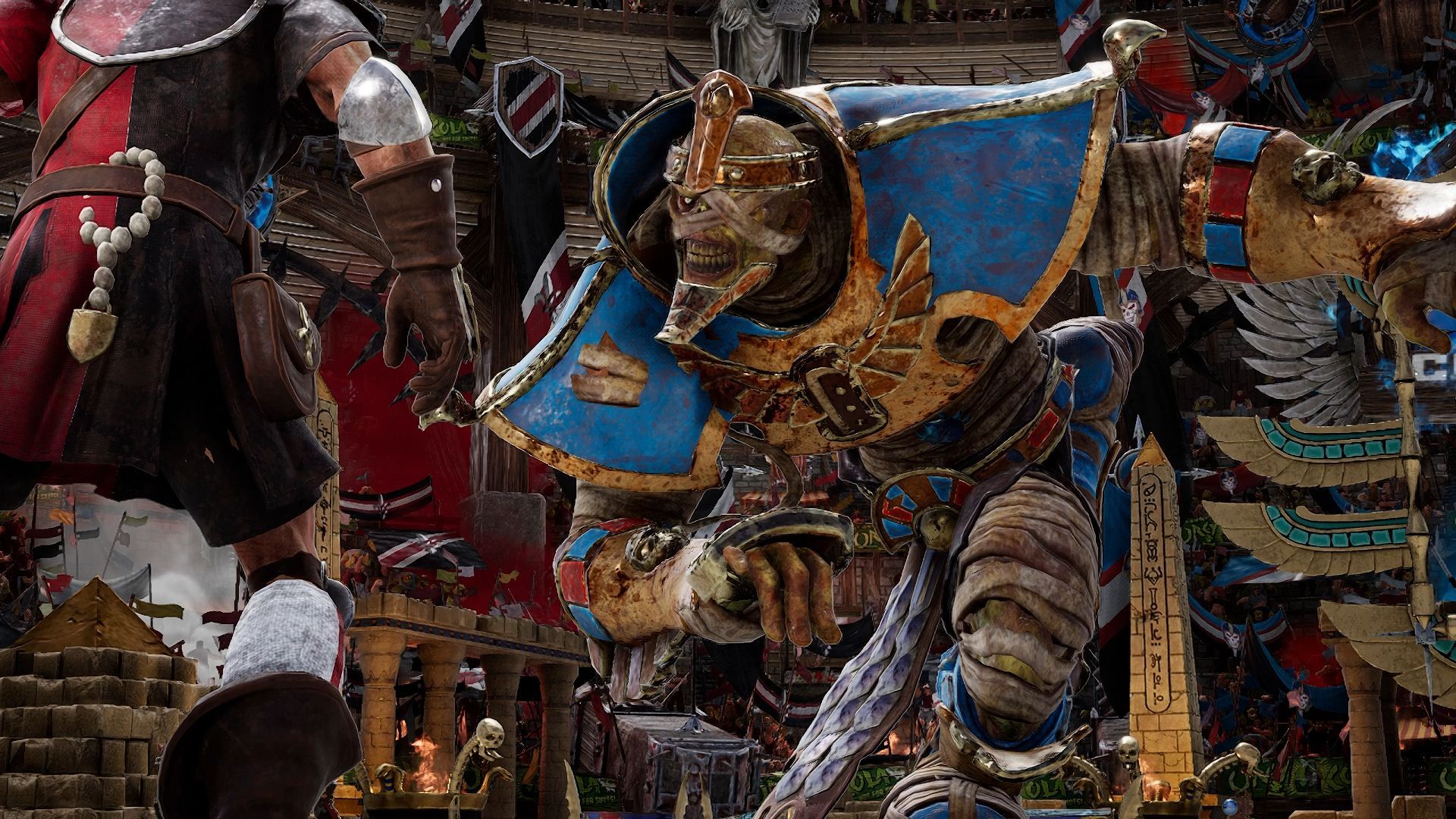
The update promises to expand the roster of available teams, adding two fan-favorites that will alter the current meta:
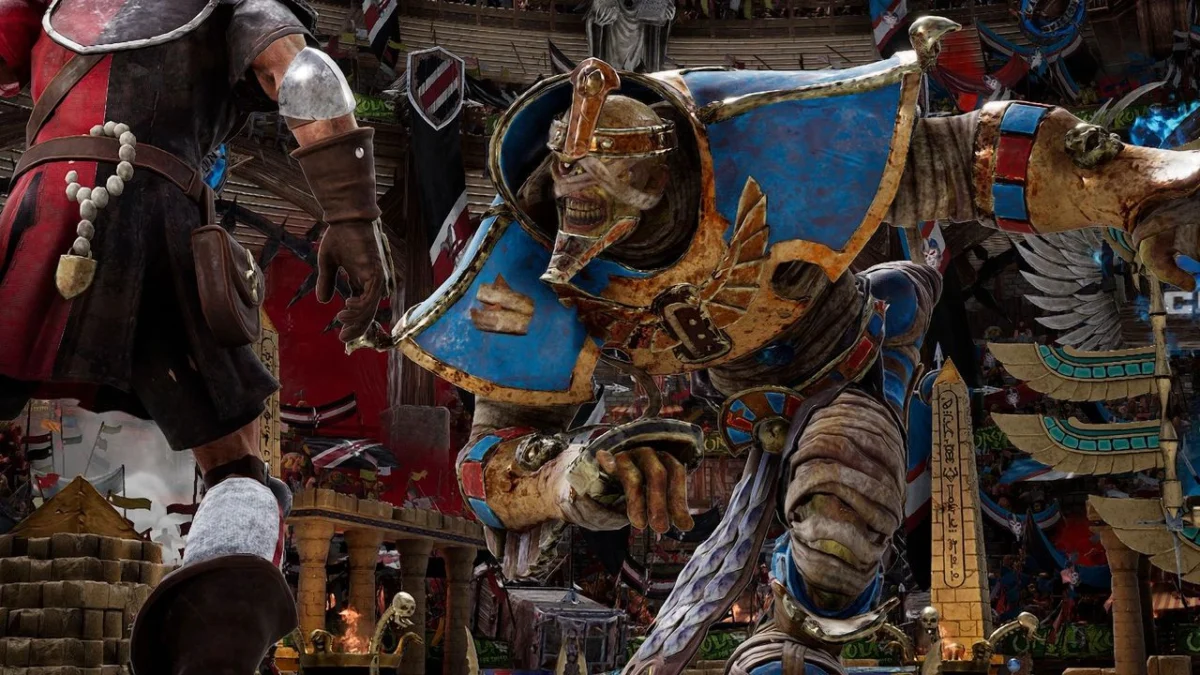
- The Tomb Kings: An undead faction featuring ancient Egyptian-themed skeletons and mummies. These units are known for their resilience and terrifying physical presence on the pitch.
- The Bretonnians: A faction inspired by Arthurian legend and Monty Python-esque tropes. Their inclusion brings a unique mix of high-mobility playstyles and distinct tactical options that deviate from the standard Human or Orc rosters.
The Rise of "Rumble Mode"
Recognizing that a full-length match can be a significant time commitment, Slitherine is introducing a new game mode dubbed "Rumble Mode." This feature will pit teams of seven players against one another, resulting in faster, high-intensity matches. This is a critical addition for a modern audience that may not always have the time for a standard 11-a-side match but wants a quick, competitive fix of fantasy violence.
Implications for the Player Base
For existing owners of Blood Bowl 3, the transition is remarkably generous. Slitherine has confirmed that Warhammer Blood Bowl will be a free update for all current owners. Furthermore, any teams or cosmetic items already purchased will carry over to the new version. This is a vital move to retain the community that has stuck with the game despite its previous shortcomings.
However, the question of monetization remains. While the transition is free, Slitherine has indicated that the model of purchasing individual teams and cosmetic customizations will likely persist. This is the reality of the genre; building out the vast, diverse roster of Warhammer teams requires significant development time. The hope among the community is that by moving away from a "live-service confusatron" and toward a model of transparent, expansion-based content, the sting of these purchases will be replaced by the satisfaction of a refined, functional game.
The Road Ahead: Why This Matters
The acquisition of the Blood Bowl license by Slitherine is more than just a corporate shuffle; it is a potential turning point for a franchise that has been defined by its wasted potential. The "masochism" of being a Blood Bowl fan stems from a love for the game’s core loop—the desperate gamble of a pass, the satisfying crunch of a blitz, and the hilarious, often tragic, failures that happen when a dice roll goes wrong.
By focusing on parity with the tabletop edition and prioritizing long-term support over short-term monetization, Slitherine has the chance to fix the "own goals" of the past. The demo scheduled for late summer will be the first true test of this new direction. If the developer can capture the tactile, strategic satisfaction of the board game without the administrative bloat that hampered Blood Bowl 3, they may finally succeed in creating the "definitive" version of the sport.
With the full release slated for the fall, the pressure is on. Blood Bowl has always been a game of risk and reward; for Slitherine, this represents their biggest gamble yet. If they succeed, they will have resurrected one of the most beloved Warhammer titles in existence. If they fail, it may be the final whistle for the franchise’s digital aspirations. For now, the players are waiting at the line of scrimmage, hoping that this time, the ball is finally in play.