Main Facts
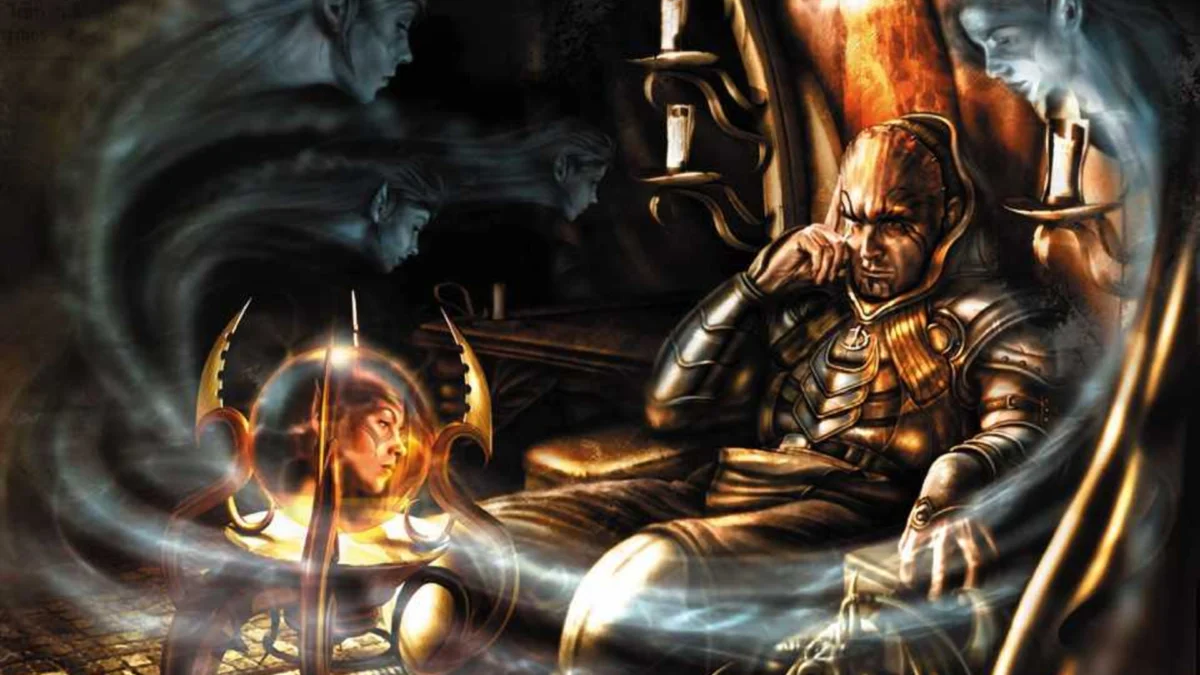
At this year’s highly anticipated BlizzCon opening ceremony, Blizzard Entertainment sent shockwaves through the action-RPG community by officially announcing Diablo 5, slated for release in 2029. Setting the stage for the next monumental chapter in the franchise, developers revealed that the upcoming sequel will jump forward one full century after the harrowing events of Diablo 4. In this bleak future, the world of Sanctuary has officially succumbed to its ultimate doom, falling completely under the dominion of the Lord of Terror himself: Diablo.
While the announcement of a numbered sequel five years out is massive news for fans of the franchise, the immediate future of Diablo 4 remains a primary focus for the development team. Blizzard confirmed that while Diablo 4 will continue to receive robust seasonal updates, no further major expansions are currently planned for the game. Instead, the narrative arc established in the Vessel of Hatred expansion—which wrapped up the immediate threats posed by Mephisto—will transition into a slow-burn narrative buildup. Over the coming years, Diablo 4 seasons will act as the narrative bridge, charting the steady descent of Sanctuary toward the apocalyptic wasteland that players will inherit in Diablo 5.
Furthermore, Blizzard addressed concerns regarding the long-term viability and server support for Diablo 4 once its successor eventually launches. Drawing comparisons to the enduring legacy of Diablo 2: Resurrected (which notably received a brand-new class earlier this year) and the cyclical seasonal loops of Diablo 3, game director Brent Gibson assured the community that Diablo 4 will remain active and supported as long as a passionate player base continues to log in.
Chronology: From the Hatred of Sanctuary to the Reign of Terror
To fully understand the weight of Blizzard’s recent announcements at BlizzCon, it is vital to trace the historical timeline of the Diablo universe and the recent trajectory of its current flagship
- June 2023: Diablo 4 launches to massive commercial success, drawing millions of players into a dark, gothic, open-world rendition of Sanctuary plagued by the return of Lilith, the Daughter of Hatred.
- October 2024: Blizzard releases the game’s first major expansion, Vessel of Hatred. The expansion delves deep into the Nahantu region, concluding the immediate storyline centered around Mephisto, the Lord of Hatred, while leaving lingering threads regarding the Prime Evils.
- Late 2024 to 2025: Throughout various seasonal updates, the team begins shifting focus away from traditional standalone expansions, choosing instead to pivot the live-service framework toward a long-term narrative horizon.
- BlizzCon (Present Day): Blizzard officially announces Diablo 5 with a targeted release window of 2029. Developers reveal that the game is set 100 years in the future, cementing the victory of the Lord of Terror over Sanctuary.
- 2026–2029 (The Roadmap): Diablo 4 enters its multi-year seasonal transition phase. Developers plan to use upcoming seasons to organically bridge the storytelling gap, illustrating the gradual collapse of civilization that leads directly into the opening cinematic of Diablo 5.
Supporting Data and Industry Context
The strategy to announce a major sequel years in advance while simultaneously maintaining a live-service predecessor represents an evolving philosophy within modern game development, particularly for Blizzard Entertainment.
- The Five-Year Horizon: By targeting a 2029 release for Diablo 5, Blizzard is giving its development teams ample breathing room to craft a next-generation action-RPG experience. This timeline mirrors the extended development cycles seen across the AAA gaming landscape, where hardware advancements and complex live-service infrastructures require prolonged incubation periods.
- The Diablo 2 and Diablo 3 Precedent: Blizzard’s multi-game support model has shifted dramatically over the past decade. While older titles like Diablo 2: Resurrected continue to receive surprising mechanical updates—such as new class balances and item additions—Diablo 3 has settled into an automated, rotating "time loop" of its most popular historic seasons. Diablo 4 is expected to carve out a hybrid path between these two models, sustained by live-service monetization, periodic community events, and seasonal balance patches.
- The Competitive Landscape: The action-genre is more fiercely contested than ever. With Grinding Gear Games pushing forward with the concurrent development and live-service operations of both Path of Exile and Path of Exile 2, Blizzard’s reassurance that Diablo 4 will not be instantly abandoned upon its sequel’s arrival is a critical message for retention-focused ARPG players who invest thousands of hours into their characters.
Official Responses and Developer Insights
During an exclusive interview with PC Gamer at BlizzCon, Diablo game director Brent Gibson offered deep insight into the studio’s creative motivations, the narrative closure of the current era, and how the team plans to handle the massive 100-year time gap between games.
"We’re all focused on [Diablo 4] seasons and getting to Diablo 5," Gibson explained to reporters. "We feel like we told the Story of Hatred. We had a great conclusion with Lord of Hatred with what we have with Mephisto, and we are moving towards telling the Story of Terror."
Addressing the unique storytelling opportunity presented by the century-long time jump, Gibson emphasized that the team wants the community to feel actively involved in how the world falls apart. Rather than keeping the future entirely locked behind closed doors, Blizzard intends to let the community’s engagement dictate the pacing of the descent.
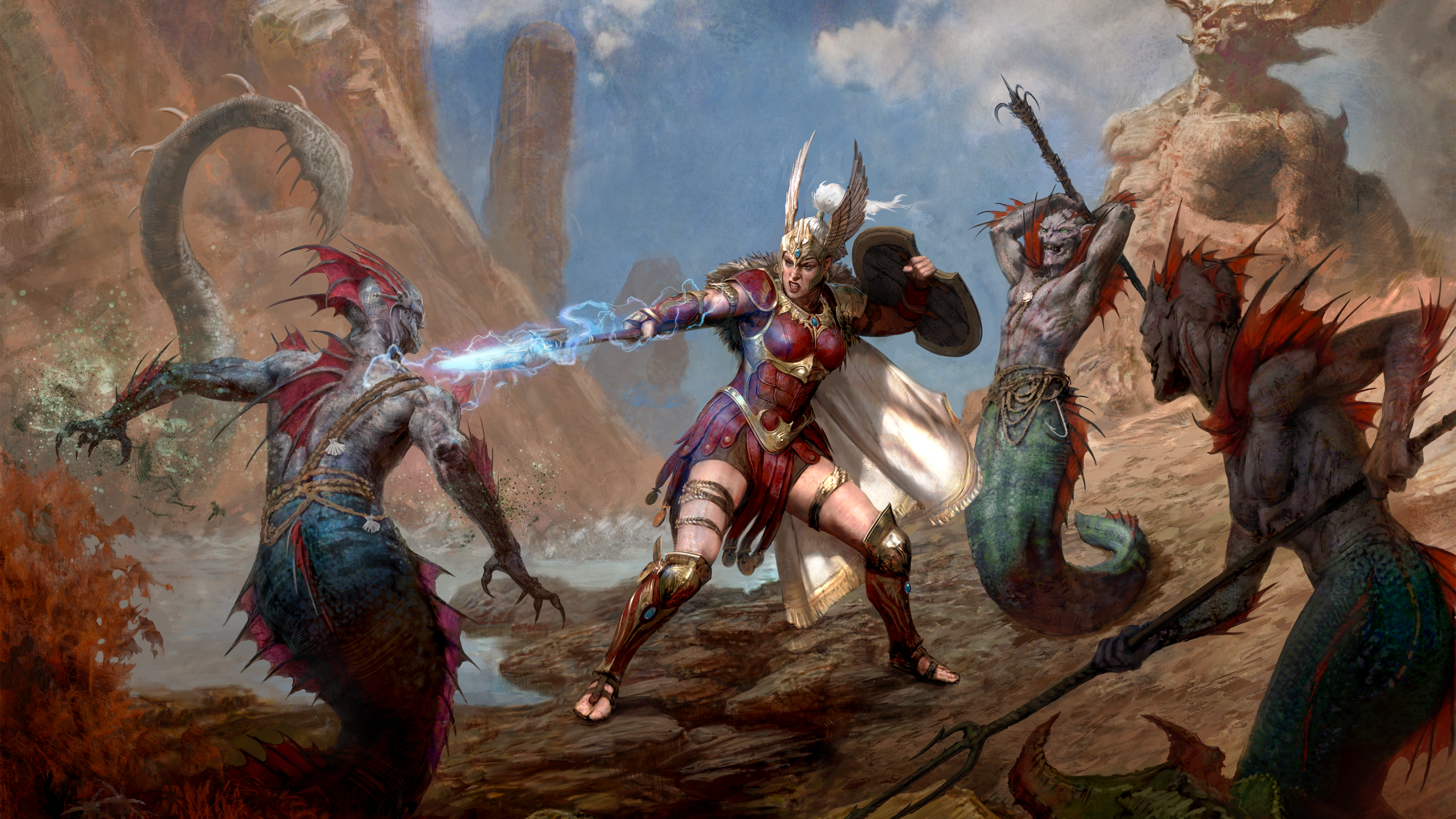
"The events of Diablo 5 happen 100 years after everything that’s happening with Diablo 4, and so that gives us a lot of room to still ride the wave with all the fans on where the story can go as we make our way there," said Gibson. "So continuity is something that we’re really excited about, but we don’t necessarily have a perfect picture on exactly where that’s going to go because we want to see how fans are reacting season to season."
When pressed on whether Diablo 4 would face the chopping block or experience a resource drain similar to traditional sequels—where all development studio power shifts entirely to the new SKU—Gibson pointed to the studio’s broader philosophy regarding the franchise universe as a whole. He explicitly highlighted the sustained support for Diablo 2: Resurrected—which notably introduced fresh class adjustments earlier in the year—as concrete proof of Blizzard’s ongoing dedication to its player communities.
"I think you can expect that—you know, Diablo 4 players, they love the game, there’s tons of them out there," Gibson stated firmly. "We’re continuing to support the game for a very long time."
Implications for the Diablo Franchise and Its Community
The cascading announcements from BlizzCon carry profound implications for the millions of players currently invested in the dark, isometric world of Sanctuary.
1. The Narrative Pivot: Witnessing the Apocalypse in Real-Time
For story-driven fans, the confirmation that Diablo 4 will not receive any more traditional expansions might initially feel like a truncation of the game’s post-launch journey. However, the prospect of playing through an intentional, multi-year slide into apocalyptic ruin offers a unique narrative experiment. Instead of defeating the ultimate evil and restoring peace (the traditional formula of past titles), Diablo 4 players are now participating in a tragedy: watching a doomed world march inevitably toward the reign of Diablo.
2. Live-Service Longevity vs. Sequel Fatigue
By promising continued support for Diablo 4 right up to and potentially past the launch of Diablo 5, Blizzard is attempting to mitigate the "sequel anxiety" that often plagues live-service communities. Players who spend hundreds of hours perfecting gear builds, collecting cosmetics, and leveling paragon boards want assurance that their time investment matters. While details regarding the exact nature of Diablo 4‘s endgame support post-2029 remain hazy, the studio’s commitment provides a safety net for the active player base.
3. Expectations for Diablo 5
With a 2029 release date on the horizon, expectations for Diablo 5 will naturally skyrocket. Setting a game 100 years after a cataclysmic failure opens the door for entirely new classes, radically altered regional landscapes (as classic zones transform into unrecognizable, monster-infested hellscapes), and innovative gameplay mechanics that take advantage of next-generation hardware.
As Blizzard begins laying the groundwork for the Story of Terror, the journey through Sanctuary over the next few years promises to be a dark, unpredictable road—one where every seasonal update brings humanity one step closer to its ultimate reckoning.