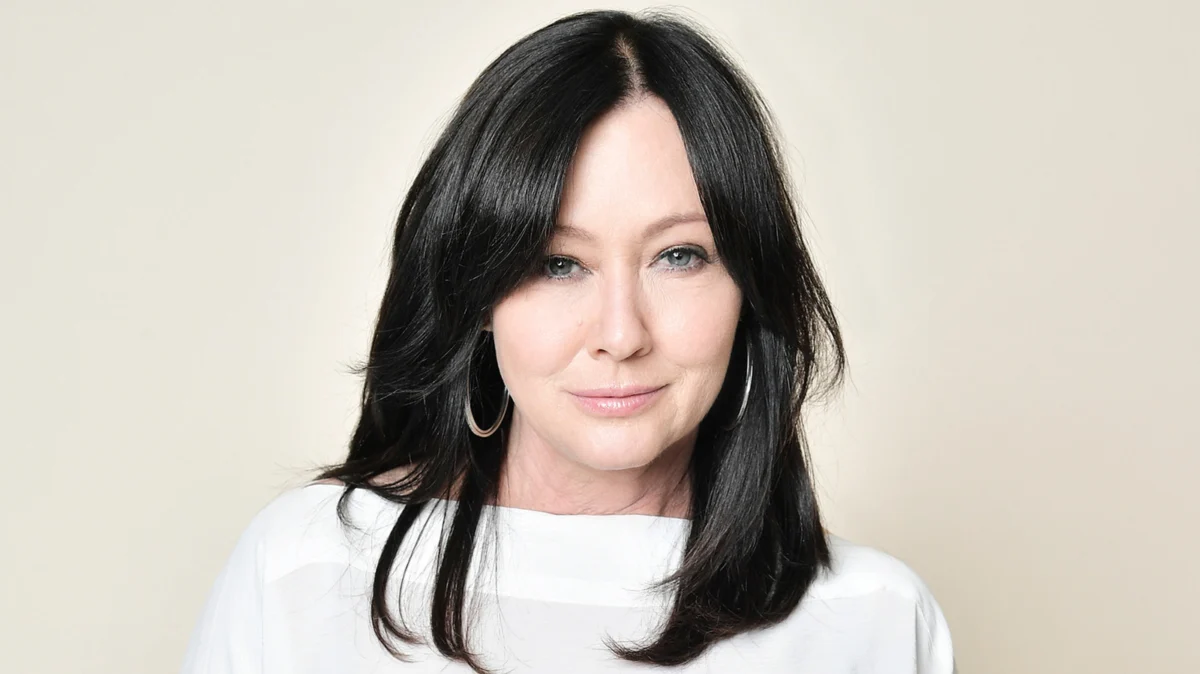
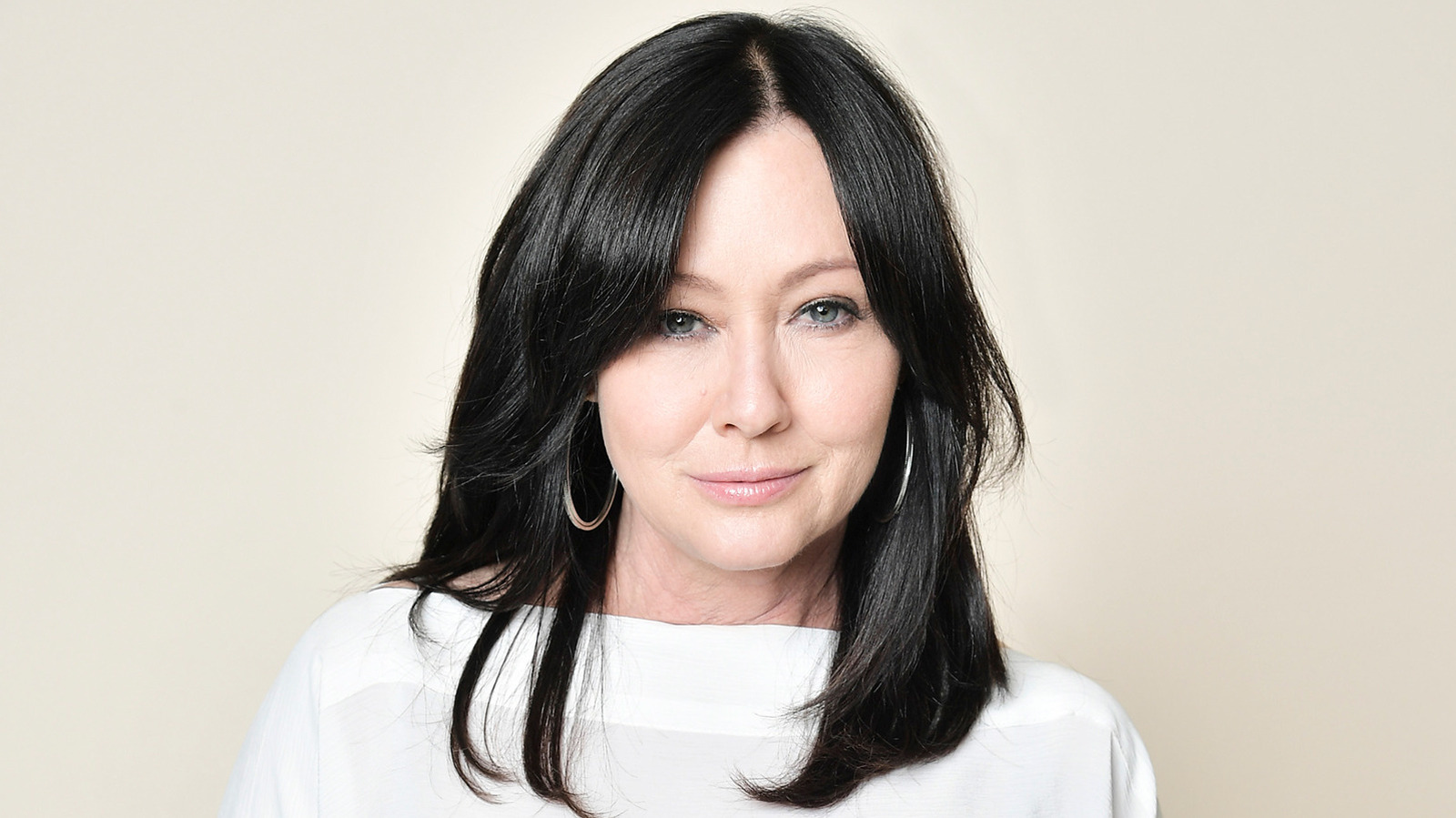
In the pantheon of television history, few figures have cast a shadow as long or as complex as Shannen Doherty. An actress who defined the cultural zeitgeist of the 1990s, Doherty was far more than the sum of her most famous roles. While the world knew her as the quintessential "bad girl" of primetime, those who stood by her knew a woman of immense resilience, profound vulnerability, and a fierce, unyielding commitment to her own truth.
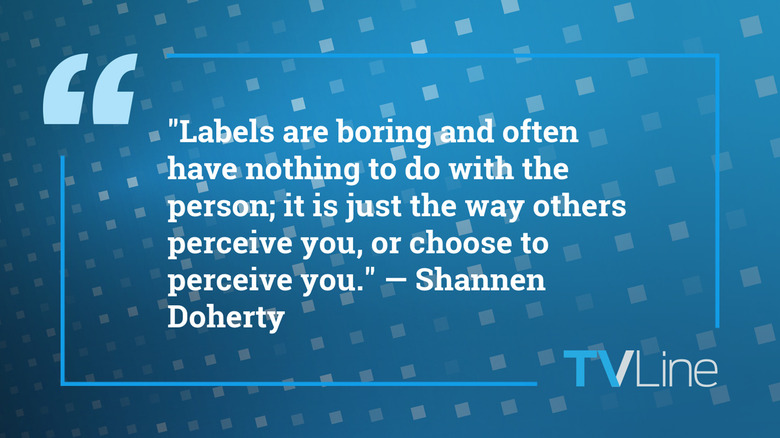
Following her passing in February 2020 at the age of 53 after a long and public battle with breast cancer, the industry has turned its focus toward re-evaluating her legacy. Central to this reflection is her own philosophy on self-identity, famously captured in her 2010 book, Badass: A Hard-Earned Guide to Living Life with Style and (the Right) Attitude: "Labels are boring and often have nothing to do with the person; it is just the way others perceive you, or choose to perceive you."
The Architecture of an Icon: A Chronology of a Career
To understand the weight of Doherty’s words, one must look at the trajectory of her career. Her rise was meteoric, and her impact on pop culture was undeniable.
The 1980s: Emerging Talent
Long before she became a household name, Doherty was a child actor of significant caliber. Her early career was marked by a breakout role in the 1986 cult classic Heathers. As one-third of the titular "mean girls," she helped define a specific brand of dark, satirical teenage angst that would resonate for decades.
The 1990s: Defining the Decade
In 1990, Doherty landed the role of Brenda Walsh on Fox’s Beverly Hills, 90210. As the Minnesota transplant navigating the excess of California, she became the emotional anchor of the series. Her departure from the show in 1994, marred by reports of onset conflicts and tabloid scrutiny, began the narrative of the "troubled star" that would follow her for years.
However, she quickly proved her longevity by starring as Prue Halliwell in The WB’s Charmed (1998–2001). As the eldest sister and a powerful witch, she cemented her status as a genre icon.
The 2000s and 2010s: Revisiting the Past
Doherty’s career was characterized by a willingness to confront her own history. She returned to the 90210 universe for the 2008 CW reboot and again for the meta-commentary series BH90210 in 2019. In her later years, she leaned into transparency, launching the iHeart podcast Let’s Be Clear with Shannen Doherty in 2023, where she discussed everything from her career regrets to the harsh realities of her terminal cancer diagnosis.
Deconstructing the "Bad Girl" Narrative
For much of her career, the media machine utilized a shorthand to describe Doherty: "difficult," "temperamental," and "the bad girl." This reductionist approach served to flatten a multifaceted human being into a single, marketable trope.
The Weight of Public Perception
Doherty’s quote regarding labels is a direct rebuttal to the industry’s attempt to categorize her. During the 90s, the tabloid press thrived on pitting female co-stars against one another and painting strong-willed women as "problems" on set. Her documented tardiness and reported frictions with co-stars—such as her much-publicized exits from 90210 and Charmed—were often weaponized to frame her as an antagonist, ignoring the context of her immense pressure as a young woman in the spotlight.
The Reality Behind the Headlines
As she matured, Doherty spoke openly about the toll this took on her mental health. She wasn’t merely a character; she was an individual dealing with fame, professional betrayal, and personal growth. The "bad girl" label was, as she noted, a reflection of how others chose to perceive her rather than a reflection of her internal character.
Supporting Data: Professional Resilience
Doherty’s professional output during her battle with cancer serves as the ultimate refutation of her critics. Even after announcing her Stage 4 breast cancer diagnosis in 2015, she remained an active, working artist.
- Podcast Engagement: In 2024, she joined the House of Halliwell rewatch podcast, offering fans insights into the production of Charmed until her health prevented further recordings.
- Advocacy: Doherty became a voice for the cancer community. Her interview with People in 2024 highlighted the systemic issue of ageism and ableism in Hollywood, where patients are often "put out to pasture" by studios and producers who assume they can no longer contribute to the industry.
- Fearlessness: By maintaining her career, she dismantled the stigma that cancer survivors are "done" or "retired." She viewed her professional life as a vital component of her identity and a way to remain connected to the world, refusing to let her diagnosis define her capacity for work.
Official Responses and Peer Perspectives
Following her passing, the industry—and specifically those who worked closest with her—offered a different narrative than the one the tabloids peddled for decades.
Former Charmed co-star Holly Marie Combs has frequently spoken about Doherty’s integrity, describing her as a fiercely loyal friend who was often misunderstood by those who didn’t take the time to know her. The consensus among her peers was clear: Doherty was a woman who spoke truth to power, which, in the patriarchal structure of 90s Hollywood, was often misinterpreted as being "difficult."
Her advocacy for animal rights and her candid discussions about her health struggles further solidified her reputation among her inner circle as a person of immense empathy, standing in stark contrast to the callous media portrayal of her youth.
The Implications: Why Her Words Matter Today
The enduring power of Shannen Doherty’s words lies in their universality. In an era of social media, where everyone is constantly "labeled" by the public, her philosophy is more relevant than ever.
Challenging the Status Quo
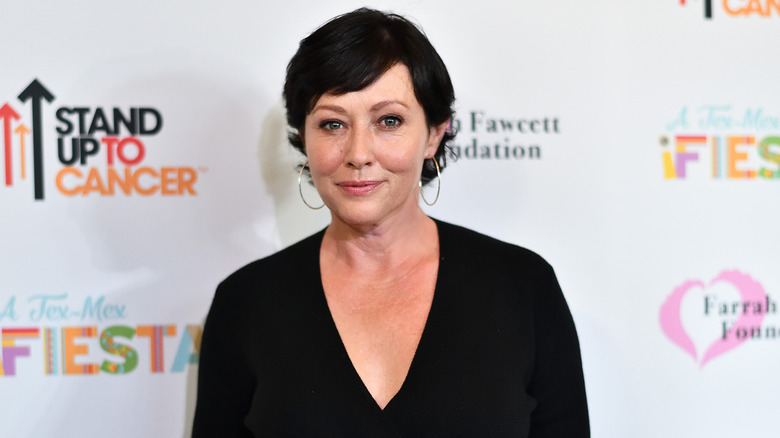
Doherty’s life serves as a blueprint for reclamation. She didn’t just reject the labels; she outlived them. By the end of her life, the narrative had shifted from the "90210 brat" to the "warrior of the cancer community." She successfully re-authored her own story.
The Importance of Nuance
The implication of her philosophy is that society has a responsibility to see past the surface. When we label individuals based on limited, often biased, information, we miss the richness of their human experience. Doherty’s life was not defined by her firings or her conflicts; it was defined by her survival, her art, and her honesty.
A Legacy of Empowerment
Shannen Doherty did not leave behind a life of perfection. She left behind a life of authenticity. For millions of fans, she remains a symbol of the strength required to stand by one’s own identity in the face of relentless external pressure. As she once reflected on her own mistakes and the labels that followed them, she taught us that the only person who truly gets to define who you are is you.
In the final analysis, Shannen Doherty was not the "bad girl" the magazines tried to build. She was a woman who stood in her own light, refused to be boxed in, and fought until her very last breath to ensure that she would be remembered on her own terms. Her legacy is not found in the headlines that tried to break her, but in the truth she spoke—that we are all, ultimately, more than the perceptions of others.