Is your LinkedIn engagement hitting a plateau? If you’ve noticed your reach declining despite consistent posting, you aren’t alone. LinkedIn has recently completed one of the most comprehensive overhauls in its history, moving away from a patchwork of five disparate systems toward a single, unified, AI-driven engine.
For marketers, creators, and business leaders, this isn’t just a tweak—it’s a fundamental shift in how professional authority is built and distributed. Understanding this new architecture is no longer optional; it is the new requirement for maintaining visibility in an increasingly crowded feed.
The Core Transformation: From Relationships to Interests
Historically, LinkedIn’s algorithm prioritized the "social graph"—what your connections were doing and who you followed. If you were connected to someone, you were likely to see their content.
The new system has pivoted toward an interest-based distribution model. Much like the evolution seen on platforms such as TikTok, YouTube, and Meta, LinkedIn’s AI now functions as a "professional journey" tracker. It analyzes your long-term engagement patterns to build a holistic profile of your interests, rather than merely reacting to the most recent link you clicked.
The Rise of the Specialist
Under this new regime, "Generalists" are at a distinct disadvantage. If your content strategy is erratic—posting about AI one day, industry news the next, and personal anecdotes the day after—the algorithm struggles to categorize your "topic authority." Each post is treated as an isolated signal rather than a cumulative building block of expertise.
Conversely, specialists who focus on a singular niche are seeing massive gains. When you consistently publish related content, you train the AI to associate your profile with specific industry pillars. This creates a "compounding effect": the more you lean into a specific subject, the more reliably the algorithm serves your content to the audience most likely to value it.
Engineering "Invisible Engagement"
While vanity metrics like likes and shares are still visible, they are becoming increasingly irrelevant to the algorithm’s decision-making process. Analysis of over 600,000 posts across 63,000 accounts confirms a shift: "Invisible interactions" now drive distribution far more effectively than public engagement.
These invisible signals include:

- Dwell time: How long a user spends viewing a post.
- Carousel swipes: Moving through a document-based post.
- Video views: Watching content without necessarily interacting.
- The "…see more" click: Expanding a post to read the full text.
Optimizing for the Algorithm
To succeed in this environment, you must engineer these behaviors into your content design.
1. The Power of Carousels and Documents
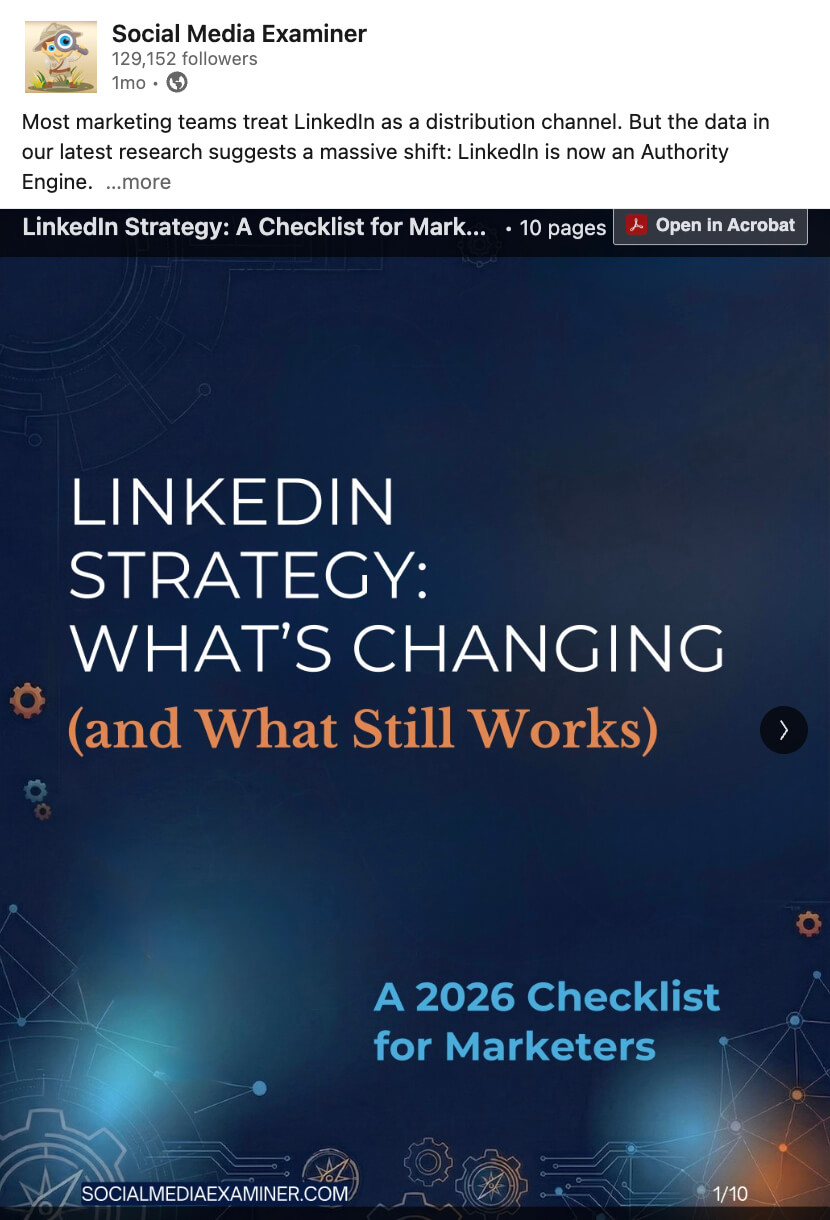
Document posts and carousels are currently the highest-performing content formats on the platform. Because they require a user to "swipe" to view additional slides, they force a physical interaction that the algorithm interprets as high-intent engagement. If you have a step-by-step guide or a list of industry insights, converting them into a multi-page PDF document is a surefire way to trigger these invisible signals.
2. Mastering the Hook
Because the "see more" click is a critical indicator of value, your opening lines are more important than ever. You must craft a hook that sparks immediate curiosity without revealing the entire value proposition in the preview text. If a user doesn’t click to expand, the algorithm assumes the post lacks substance, effectively killing its reach within the first 48 hours.
3. Cultivating "Comment Density"
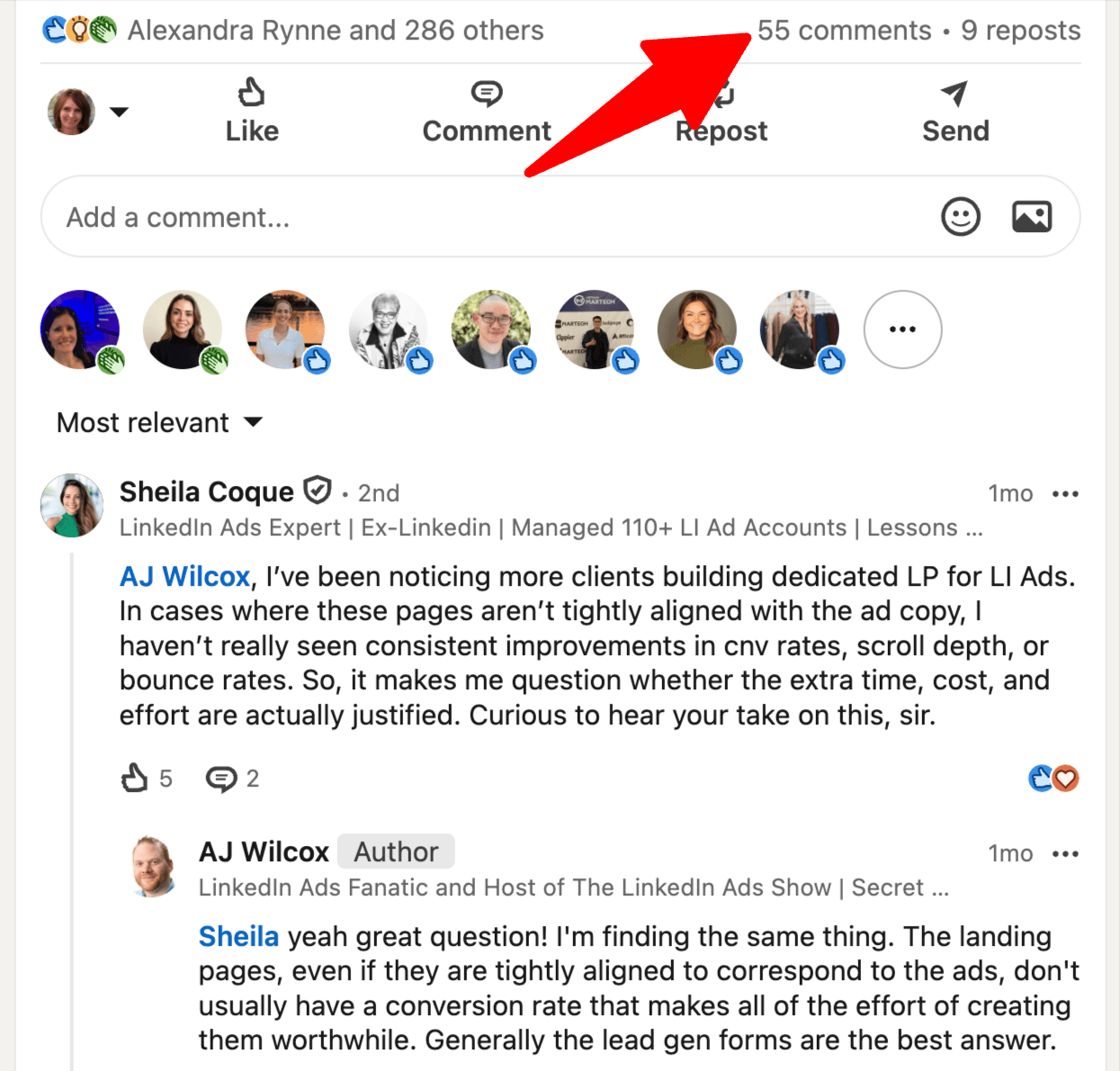
The algorithm has evolved to look beyond the volume of comments and now focuses on density. A string of shallow, one-line responses is viewed as "low-value" noise. In contrast, deep, back-and-forth threads signal that a meaningful conversation is taking place.
To maximize this, prioritize replying to comments that engage with your specific points rather than generic "great post!" spam. By initiating a genuine dialogue, you signal to LinkedIn that your post is a destination for professional discourse, which encourages the system to surface your content to a wider audience.
Chronology of the Shift: A New Era of AI-Driven Curation
The transition did not happen overnight, but rather through a phased integration of AI capabilities that began to solidify in the last year.
- Phase 1 (Foundations): LinkedIn began phasing out its legacy, siloed infrastructure. The goal was to unify the "brain" of the platform to better understand user intent.
- Phase 2 (Semantic Understanding): The algorithm moved from keyword matching to "semantic understanding." A post about "reducing churn" now reaches users interested in "customer retention," even if the terminology differs. The AI now understands the meaning behind the words.
- Phase 3 (The Current State): The platform is now fully optimized for topic authority and dwell time. Creators who have adapted their content to align with these metrics are seeing a significant surge in reach, while those sticking to old strategies are facing a steady decline in impressions.
Addressing Content Fatigue: The "Stale" Myth
A common pain point for creators is the feeling that they are repeating themselves. If you have been in your industry for years, you may feel like you’ve "said it all." However, experts emphasize that this is a misconception of the audience experience.
Your audience is constantly evolving. The people reading your content today are often encountering your ideas for the first time.
The Strategy of Reframing
Instead of recycling old content, treat the creative process as a challenge of perspective. If you are discussing a core concept, use an AI tool to brainstorm five different metaphors or analogies for that same topic. By varying your approach while keeping the subject matter consistent, you build authority without risking boredom.
If you truly want to know what to write next, look at your DMs and comments. Your audience is already telling you exactly what they need to know—you just need to listen.
Implications for Businesses and Personal Brands
The implications of this shift are profound. For businesses, the "spray and pray" approach to social media is dead.
Strategic Recommendations:
- Stop being a generalist: If your company page posts about office culture, then product updates, then industry trends, you are confusing the AI. Pick a primary lane and stay in it for at least 80% of your content.
- Audit your "hooks": Review your last ten posts. Did they compel a "see more" click? If not, rewrite your intros to focus on a problem that requires a solution found in the post body.
- Invest in high-value interaction: Stop asking for generic engagement ("Drop a comment below!"). Instead, ask specific, nuanced questions that invite a genuine debate or story.
- Prioritize the first hour: The algorithm determines the "velocity" of your post in the first 60 minutes. Be available to reply to comments immediately after hitting publish to foster that critical early density.
Final Thoughts: The Authority Advantage
LinkedIn’s move toward an AI-driven, interest-based feed is ultimately a move toward quality. By prioritizing content that provides clear, consistent value to specific audiences, the platform is attempting to reduce the noise that has historically plagued social media.
For those willing to pivot—by focusing on deep-niche authority, high-interaction formats like carousels, and genuine conversational density—the new algorithm is not a hurdle; it is a catalyst. In an age of AI-generated content, the creators who demonstrate original thinking and provide actionable insights will be the ones who rise to the top of the feed, not because they "gamed" the system, but because they understood what the system was designed to find.
As you look toward your next quarter of content, remember the core philosophy of the new LinkedIn: Don’t just post. Teach. When you solve problems for your audience, the algorithm will ensure that the right people find you.