

YouTube is no longer just a mobile app for on-the-go viewing or a desktop destination for quick tutorials. The platform has signaled a definitive shift: the television set is now its primary stage. For marketers, this represents a tectonic shift in consumer behavior, strategy, and content production. As YouTube aggressively integrates into the living room, the "lean-back" experience of TV viewing is forcing a complete re-evaluation of how brands connect with their audiences.
Main Facts: The New Frontier of Content Consumption
The core reality for modern marketers is simple: YouTube is now a television network. With connected TVs (CTVs) serving as the fastest-growing surface for the platform, audience expectations have shifted from "snackable" mobile content to immersive, long-form viewing.
When a viewer transitions from a Netflix documentary to a YouTube channel, they do not necessarily recalibrate their standards. They carry the expectation of high-production quality and professional pacing into the YouTube experience. This creates a psychological hurdle for content creators who are used to the lower-stakes environment of mobile feeds. However, the data confirms that TV is already the primary traffic source for a significant percentage of top-performing channels, making this pivot not just an option, but a business imperative.
Chronology: The Evolution of the YouTube-to-TV Pipeline
The transition of YouTube from a mobile-first platform to a cornerstone of the living room did not happen overnight. Its trajectory has been marked by a series of strategic technical and experiential updates:
- The Early Expansion: YouTube initially focused on broad compatibility, ensuring the app existed on every major smart TV interface, from Roku to Apple TV and gaming consoles.
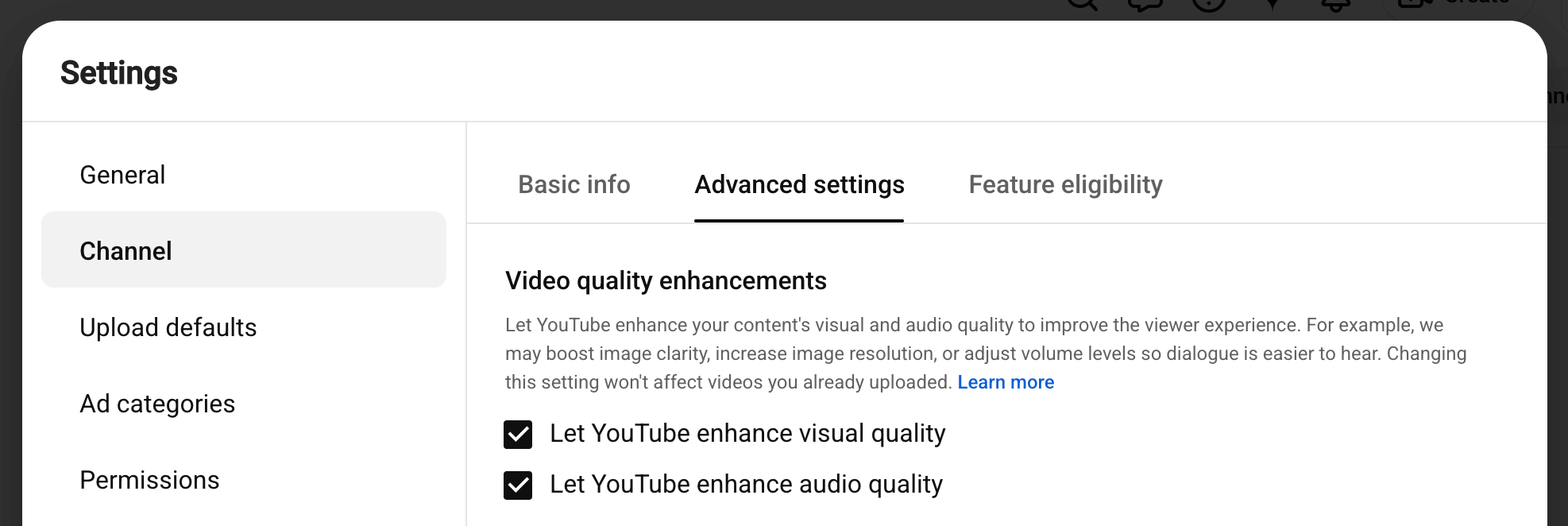
- The Visual Overhaul: Recognizing the limitations of mobile-sized assets on 65-inch screens, YouTube expanded thumbnail file size limits to 50MB, enabling 4K-resolution visuals that hold up under the scrutiny of high-definition displays.
- The AI Integration: With the introduction of Gemini-powered "Ask YouTube," the platform moved from a passive viewing experience to an interactive, voice-controlled interface.
- The Commerce Pivot: The most recent, and perhaps most disruptive, change is the integration of "Buy with Google Pay." This feature turns the TV screen into a direct-response point-of-sale terminal, allowing for two-click purchases via a TV remote.
Supporting Data: Why the "Couch Audience" Matters
The shift to the living room is supported by compelling metrics that marketers can no longer ignore. Recent data indicates that shopping-related videos have garnered over 35 billion hours of watch time on the platform, much of it occurring in the living room environment.
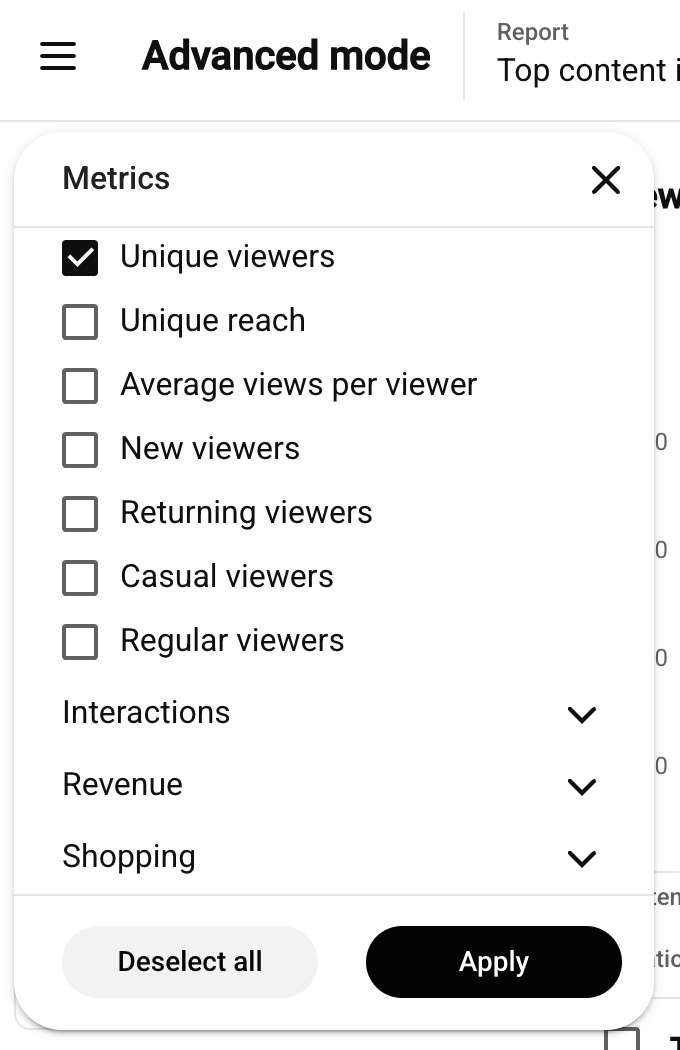
Furthermore, the introduction of the "Unique Reach" metric provides a more nuanced view of the audience. Unlike traditional "unique viewers," which counts individual logged-in accounts, Unique Reach estimates the total number of people in the room, including those who are not logged in but are watching together. This shift acknowledges the communal nature of TV viewing. For marketers, this means that a single video play on a smart TV may represent multiple impressions, justifying higher engagement and potentially bolstering sponsorship negotiations.
Official Responses and Expert Perspectives
Industry experts, including digital strategist Liron Segev, emphasize that while the platform is changing, the core requirement for "authenticity" remains paramount. Segev argues that the biggest mistake marketers make is failing to conduct a "couch audit"—physically sitting on their own sofas and viewing their content from a distance.
According to Segev, the "infotainment" model is the future of YouTube on TV. "Viewers on the couch want to feel like they are hanging out with the creator, not being lectured," he explains. This shift allows for more humanizing, unpolished moments—like bloopers or behind-the-scenes glimpses—that would have been edited out in traditional, fast-paced YouTube formats.

Regarding the rise of AI-powered search, experts note that while some view it as a threat to watch time, it is actually an opportunity for authority building. If a brand becomes the primary source cited by AI, they establish a level of trust that raw view counts cannot match.
Implications for Marketers: A Strategic Roadmap
To thrive in this new landscape, brands must adapt their technical execution and content strategy.
1. Optimize the "Free Real Estate"
Your channel banner is no longer a static image; it is a billboard. On TVs, banners display additional space at the top and bottom. Marketers should leverage this extra surface area for brand identity or promotional messaging that remains invisible on smaller devices but makes a significant impact on the big screen.
2. Prioritize Episodic Storytelling
The "one-off" tutorial video is losing its efficacy for the couch audience. To maximize retention, content should be structured episodically. This encourages subscribers to return for a continuing narrative, much like they would for a television series. Furthermore, incorporating "re-hooks"—gentle, non-condescending recaps of what has been covered—helps keep distracted, multi-screening viewers engaged.
3. Embrace Voice-Search Optimization
With Ask YouTube, the transcript is the new SEO. Marketers must move away from keyword-stuffed titles and toward natural-language queries. By framing video titles as questions (e.g., "What are the best lawn care products in Arizona for summer?" rather than "Best Lawn Care Products Arizona"), brands align themselves with how users speak to their TV remotes.
4. Direct Response in a Lean-Back Environment
The "link in the description" model is dead on the TV screen. Since viewers cannot easily navigate to descriptions, all essential information—URLs, social handles, and calls to action—must be verbalized and displayed visually on screen. The integration of Buy with Google Pay makes this even more critical, as it bridges the gap between passive content consumption and active commerce.
5. The "AI Fodder" Standard
Finally, marketers must realize that AI models like Gemini are "watching" the content. They process not just the transcript, but the on-screen graphics, lower-thirds, and visual cues. To be cited by AI, your content must offer unique, proprietary data or human insights that a machine cannot synthesize on its own. If your content is generic, it becomes replaceable by an AI summary; if it is authoritative and experience-based, it becomes an essential source.
Conclusion: The Long Tail of TV Discovery
The transition of YouTube to the living room is a double-edged sword. It demands higher production standards and more thoughtful content architecture, but it also offers a permanent, discoverable home for brand content that is vastly more cost-effective than traditional 30-second broadcast commercials.

By viewing the television not as a competitor, but as a distribution partner, marketers can move away from the frantic cycle of chasing viral trends. Instead, they can build a library of high-quality, search-optimized, and episodic content that serves the "couch audience" for years to come. In the new YouTube ecosystem, the brands that thrive will be those that provide the best answers, facilitate the easiest commerce, and foster the most authentic human connection in the living room.