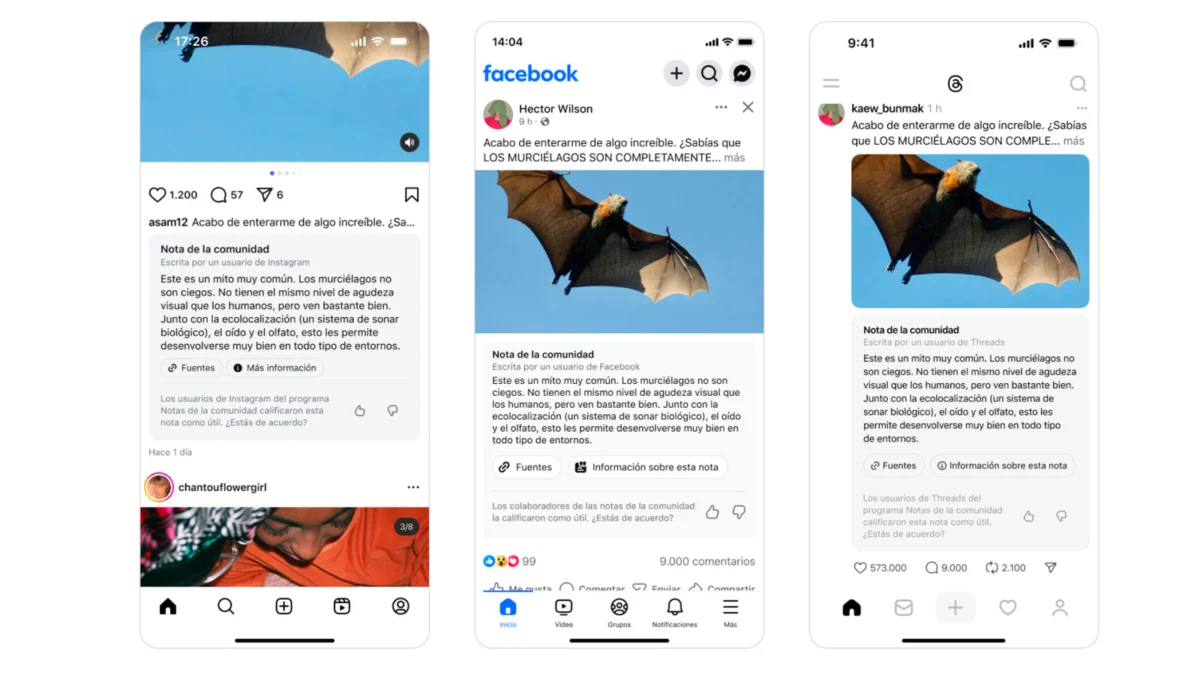
In a move that signals a seismic shift in how social media platforms police information, Meta has officially commenced the international expansion of its "Community Notes" program. The initiative, which relies on crowdsourced fact-checking rather than professional journalistic verification, is currently entering a testing phase across 16 countries in Latin America. While Meta frames this as an empowerment of the user base, the announcement has triggered a wave of alarm among international media watchdogs, civil society groups, and the company’s own oversight body.
The expansion suggests a looming paradigm shift: Meta is preparing to wind down its long-standing partnerships with professional fact-checking organizations, potentially ushering in a "post-truth" era for its platforms, including Facebook, Instagram, and Threads.
The Core Conflict: Crowdsourcing vs. Professional Verification
At the heart of this controversy is a fundamental disagreement over how to handle misinformation. For years, Meta has collaborated with independent, third-party fact-checking organizations—many of which are verified by the International Fact-Checking Network (IFCN). These professionals utilize forensic analysis, primary sources, and editorial standards to debunk viral falsehoods.
Meta’s "Community Notes" program, originally popularized by X (formerly Twitter), operates on a different logic. It allows approved users to append context to posts they believe are misleading. If enough contributors from diverse viewpoints rate a note as "helpful," it is displayed to the public.
Meta’s decision to bring this model to Latin America—specifically Argentina, Bolivia, Chile, Colombia, Costa Rica, Ecuador, El Salvador, Guatemala, Honduras, Mexico, Nicaragua, Panama, Paraguay, Peru, Uruguay, and Venezuela—is not merely an administrative update. It is a strategic pivot. Meta’s own communications suggest that once the product proves "successful" in these regions, the company intends to transition away from its third-party fact-checking contracts.
Chronology of a Policy Shift
To understand the gravity of this move, one must look at the timeline of Meta’s evolving relationship with truth-in-advertising and content moderation.
- 2016–2020: The Fact-Checking Era. Following the fallout of the 2016 U.S. elections, Meta invested heavily in partnerships with organizations like the Associated Press, Reuters, and regional newsrooms to mitigate the spread of misinformation.
- 2023: The U.S. Pivot. Meta began rolling out Community Notes in the United States, positioning it as a faster, more scalable solution than manual fact-checking. Shortly thereafter, the company terminated several key partnerships with U.S.-based fact-checking entities.
- Early 2026: The Warning. The Oversight Board, an independent body funded by Meta but designed to hold the company accountable, issued a comprehensive 15,000-word advisory opinion. They explicitly warned that replacing professionals with crowd-sourcing in volatile political environments was a high-risk endeavor.
- Late 2026: The Latin American Expansion. Meta ignored the board’s warnings, launching the testing phase in 16 Latin American nations. The company currently insists there are "no changes" to existing fact-checking programs during this initial test, yet their roadmap clearly points toward a total replacement.
Data and Discrepancies: Is Crowdsourcing Enough?
Meta cites the success of the program in the United States, where it boasts 1.4 million contributors, as justification for the global rollout. However, data regarding the efficacy of this model compared to traditional journalism remains stark.
A recent investigation by the publication Indicator found that, in the U.S. market, only 3 percent of Instagram posts previously debunked by the AFP’s bureau had also received a Community Note. This suggests a massive "coverage gap." If Meta relies solely on the crowd, the vast majority of harmful, viral, or sophisticated disinformation campaigns may never be addressed, as they rely on the platform’s algorithm to surface content rather than the initiative of a volunteer contributor.
Critics argue that crowd-sourcing is inherently reactive and susceptible to "brigading"—where organized groups of users with a specific political agenda collectively flag or "fact-check" content that disagrees with their worldview. Unlike professional fact-checkers, who are bound by codes of ethics and transparency, anonymous contributors face no such accountability.
Official Responses: A House Divided
The reaction from the global fact-checking community has been swift and condemnatory. The International Fact-Checking Network (IFCN) released a scathing statement through the Poynter Institute, stating they were "deeply concerned" by the news. They argued that the Community Notes program, in its current form, is "simply not adequate" to mitigate the impact of organized, malicious disinformation.
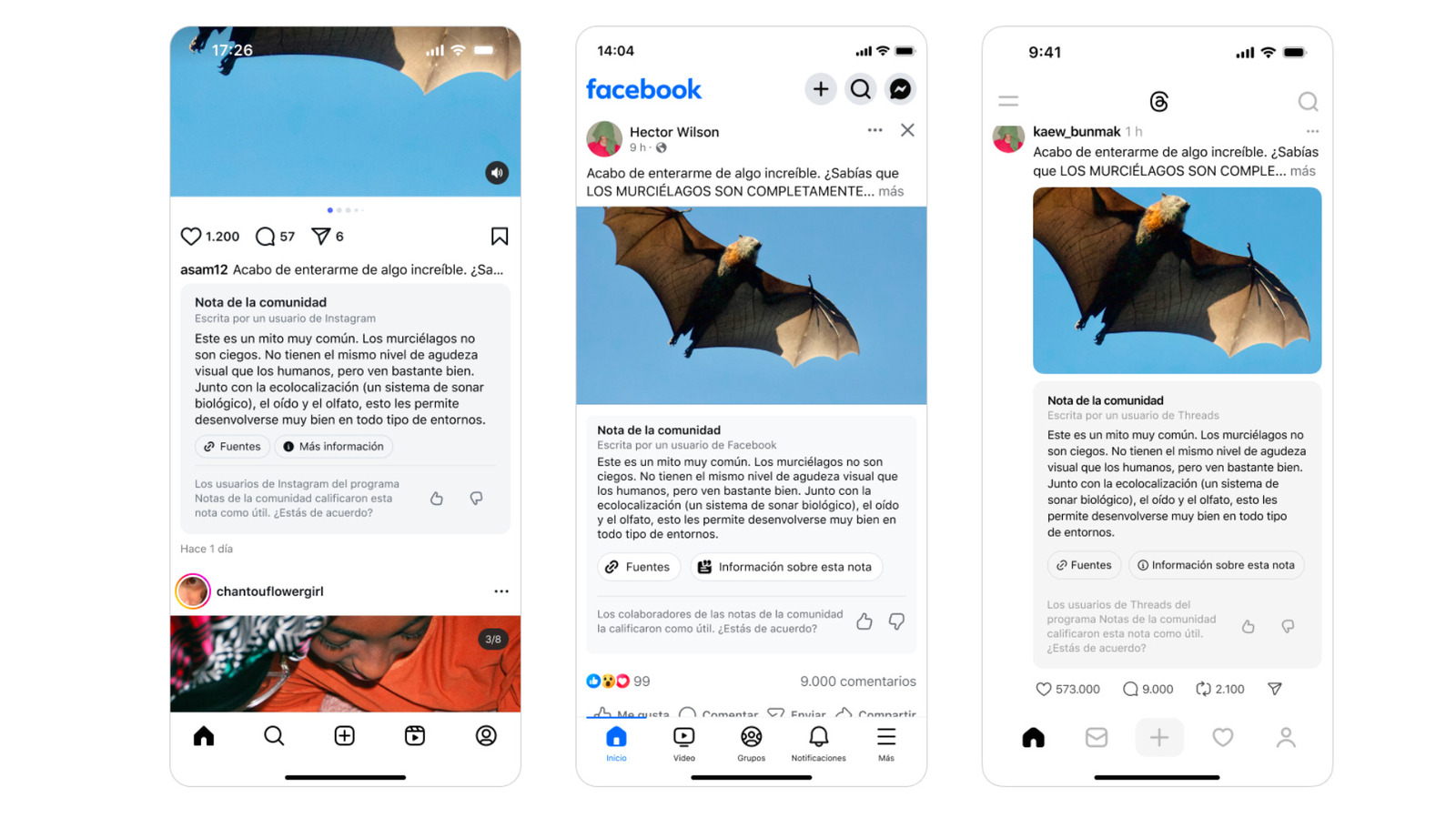
The Oversight Board, perhaps the most significant check on Meta’s power, has issued a public plea for the company to reconsider. "We urge Meta not to consider community notes a direct replacement for factchecking," the board stated. Their concerns are not abstract; they point to specific geopolitical realities in the countries where the tests are launching.
Meta, for its part, remains publicly taciturn. When challenged on the risks posed to democratic stability in regions with high polarization or histories of authoritarianism, a company spokesperson declined to address the criticism directly, offering only a boilerplate assurance that their current contracts remain in place for the time being.
Implications: The Risks of a "Post-Truth" Expansion
The Oversight Board’s 2026 advisory opinion highlighted three specific environmental factors that make a region unsuitable for a purely crowdsourced approach: "high polarization," "protracted conflict," and a history of "organized disinformation networks."
By Meta’s own expansion map, the company is diving headfirst into exactly these environments.
1. The Erosion of Institutional Expertise
By removing professional fact-checkers, Meta is effectively outsourcing the definition of "truth" to its user base. In countries like Nicaragua, where political dissent is actively suppressed, or Venezuela, where media environments are deeply unstable, relying on a "crowd" to identify truth is dangerous. Who constitutes the "crowd" in these nations? Are they citizens, or are they bots and state-sponsored actors designed to manipulate the platform’s consensus-building mechanism?
2. The Weaponization of "Context"
Community Notes allow users to add "context." In a polarized environment, context is often weaponized. Instead of a neutral fact-check, users are likely to see competing narratives. This does not resolve the confusion of the reader; it often exacerbates it, reinforcing confirmation bias and deepening existing social fissures.
3. Legal and Regulatory Challenges
As the European Union and other jurisdictions tighten regulations on platform accountability (such as the Digital Services Act), Meta’s move to lower its standard of content verification could invite significant legal scrutiny. If the company moves to terminate professional contracts, it may find itself in violation of local laws that require platforms to demonstrate active, expert-led efforts to curb illegal or harmful content.
Conclusion: A Dangerous Gamble
Meta is betting that the scale of its 1.4 million U.S. contributors can be replicated globally. They are betting that "the community" will be a sufficient firewall against the complex, state-sponsored, and technologically advanced disinformation campaigns that threaten modern democracies.
However, the evidence provided by experts, the concerns voiced by the Oversight Board, and the failure of the system to capture the majority of professional debunks suggest that this experiment is fraught with peril. By prioritizing a cheaper, more automated approach over the rigorous standards of professional journalism, Meta is not just changing its content moderation policy; it is fundamentally changing the digital information landscape.
As the test in Latin America proceeds, the world will be watching to see if this is a democratizing evolution of digital discourse or a retreat from the responsibility of maintaining a shared, factual reality. For now, the silence from Meta on the specific concerns regarding political instability suggests that the company is committed to this course, regardless of the potential cost to global democratic health.