
Main Facts
In an era defined by rapid technological shifts and corporate consolidation, journalism finds itself fighting battles on multiple fronts. From local investigative reporting that uncovers public health crises to the systemic erasure of digital history, the media landscape is grappling with profound existential questions.
Recent developments highlight this dual reality. In New Jersey, an intensive, community-driven investigative series by NJ.com exposed a devastating potential cancer cluster linked to a long-shuttered local landfill, forcing state environmental regulators to take action after decades of official apathy. Concurrently, however, the digital architecture preserving our cultural memory is crumbling. Corporate media owners are systematically wiping decades of historical records from the internet, while a growing conflict between major publishers and the Internet Archive over artificial intelligence threatens to obliterate the web’s historical memory entirely.
Meanwhile, new literary accounts shed light on the extraordinary, high-stakes human toll borne by journalists and their families during geopolitical upheavals, detailing the New York Times‘s monumental, private efforts to evacuate Afghan bureau workers following the 2021 fall of Kabul. Together, these events underscore the indispensable—yet increasingly precarious—role of journalism in recording truth, safeguarding history, and demanding accountability.
Chronology
The unfolding narrative of these media milestones spans several decades of environmental neglect, recent digital upheaval, and historical rescue missions:

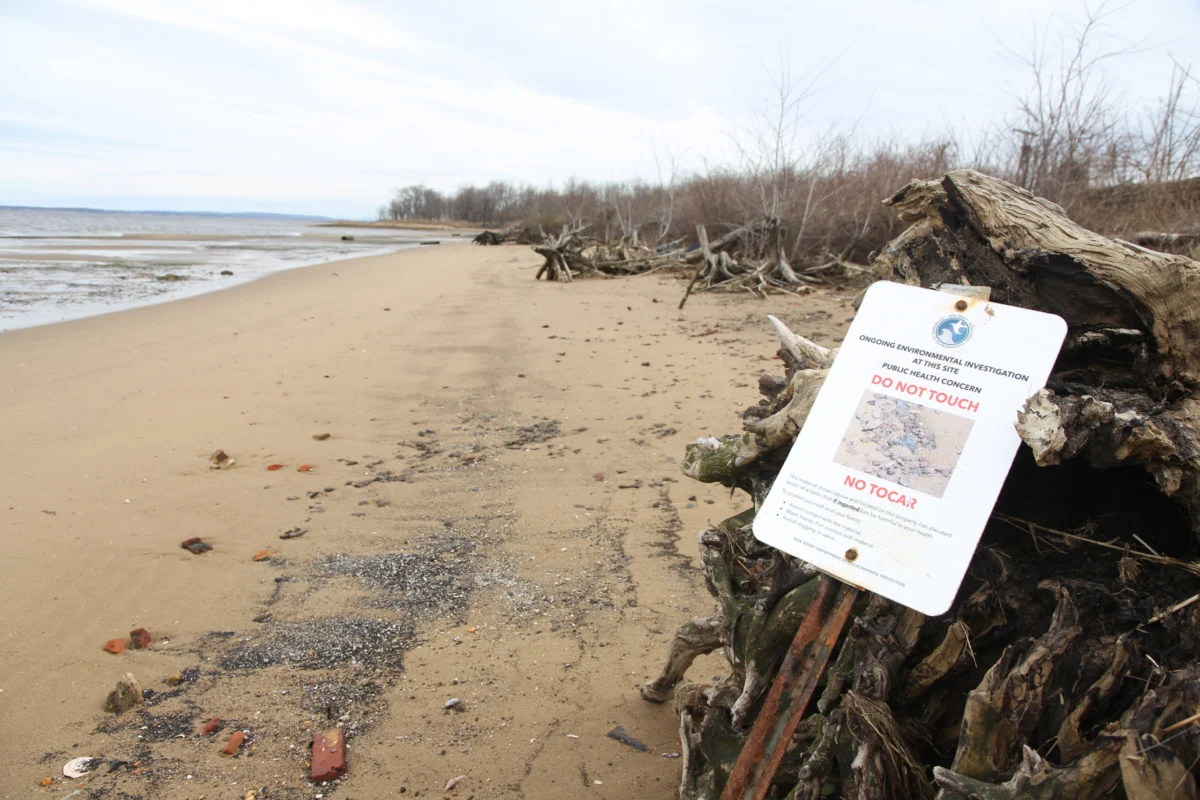
- 1979: A fifty-acre landfill in Keyport, New Jersey, is officially shut down, leaving behind decades of unmonitored toxic runoff that would silently impact the surrounding ecosystem.
- August 15, 2021: Taliban forces seize Kabul, Afghanistan, prompting a chaotic, last-minute Western withdrawal and sending shockwaves through international newsrooms that relied on local contributors.
- February 2025: Local resident Rusty Morris, noticing an unusual concentration of cancer diagnoses among his family and neighbors on his childhood street in Keyport, begins mapping the cases, eventually discovering dozens of illnesses.
- January 2026: Major publishers begin restricting the Internet Archive’s access to their content over concerns regarding AI web scraping, sparking a fierce debate among information activists and legal scholars over digital preservation.
- April 2026: NJ.com journalists Karin Price Mueller and Steven Rodas publish a landmark special report on the Keyport neighborhood’s alarming proximity to the toxic landfill, sending a shockwave through the community.
- June 2026: NJ.com commissions a preliminary cancer incidence study, proving that residents living near the landfill face a statistically significant increase in cancer risk compared to other county residents.
- August 2026: Paramount permanently deletes the online news archive of BET Digital to prioritize video content, mirroring its earlier gutting of the MTV News archive.
- Fall 2026: New environmental testing commissioned by NJ.com confirms the neighborhood is a designated "hot spot" of severe toxins, prompting the New Jersey Department of Environmental Protection to launch a formal investigation and begin collecting field samples. Concurrently, Grand Central Publishing releases The Last Free Women, detailing the New York Times‘s evacuation and resettlement of its Afghan bureau staff.
Supporting Data
The depth of these stories relies heavily on quantitative realities, illuminating the scale of both local public health crises and massive digital losses:
- 485: The number of cancer cases reported by residents living near the Keyport landfill after NJ.com published its initial investigative reports and opened lines of communication with the public.
- 15 Percent: The statistical increase in cancer risk identified among residents living adjacent to the fifty-acre Keyport landfill, according to a preliminary study commissioned by the NJ.com newsroom.
- 199,000+: The total number of BET articles preserved over the years by the Internet Archive and made accessible through the Wayback Machine before the corporate purge wiped the original site.
- 470,000+: The volume of archived pages saved by the Internet Archive following the sudden shuttering of MTV News in 2024.
- 16 Days: The timeframe between the fall of Kabul on August 15, 2021, and the arrival of the New York Times-sponsored refugee group in Houston, Texas, managed through private logistical channels.
Official Responses
The intersection of investigative journalism, corporate strategy, and government accountability has elicited strong reactions from institutional leaders, reporters, and advocates alike:
- Christopher Kelly (Vice President of Content, NJ.com): Reflecting on the unprecedented community engagement surrounding the Keyport investigation, Kelly noted, "I’ve been here for twelve years. I can’t think of another thing we’ve published where the reaction has been as intense." Addressing historical institutional resistance to public health inquiries, he added, "When you report on potential cancer clusters historically, there is a strong tendency for government agencies to tell you there is nothing to see here… I see it as our job here to rattle that cage and to keep putting the ball back in their court."
- Karin Price Mueller (NJ.com Investigative Reporter): Commenting on the immense trust placed in her reporting team by local residents over more than twenty published pieces, Price Mueller stated, "I’m grateful for the trust that residents have given us. And I’m sad that there are fewer and fewer journalists given the opportunity to take the time to really go into an issue where people’s lives are literally at stake."
- Maria Bustillos (Editor of Flaming Hydra and Information Activist): Emphasizing the fragility of digital history amid corporate and political shifts, Bustillos warned, "There’s a certain tension—big institutions and governments aren’t fully committed to creating digital libraries that are maintained with a view to preserving digital posterity. It’s a fight against entropy. All kinds of entropy: political entropy, academic entropy, cultural entropy, news entropy."
- New Jersey Department of Environmental Protection: Following mounting public pressure and empirical data provided by NJ.com’s independent testing, state environmental authorities officially reversed their initial inertia, announcing a comprehensive investigation of the Keyport landfill site and deploying field teams to collect water and soil samples.
Implications
The cascading events across modern media point to profound implications for the future of society, historical record-keeping, and investigative accountability.
First, the Keyport investigation demonstrates the irreplaceable value of localized, resource-intensive investigative journalism. In an era where newsrooms are continually hollowed out by corporate downsizing, NJ.com‘s willingness to invest months of reporting, commission independent epidemiological studies, and fund environmental testing proved that local journalism can directly alter public health trajectories. By compelling state regulators to investigate a toxic site that had been ignored for decades, the newsroom served as an essential democratic check.

Second, the willful destruction of digital archives by media conglomerates like Paramount—which purged both MTV News and BET Digital—highlights a chilling vulnerability in how human history is maintained. As commercial entities prioritize short-term video trends over historical integrity, entire generations of cultural and political reporting are cast into the digital void. This corporate amnesia places an unsustainable burden on non-profit entities like the Internet Archive. Yet, even the Internet Archive faces an existential threat from major publishers restricting access over artificial intelligence anxieties. Legal and technical experts warn that cutting off access to web archives to thwart AI scraping risks erasing the internet’s foundational historical record entirely.
Finally, the harrowing account of the New York Times‘s evacuation of its Afghan bureau staff—chronicled in The Last Free Women—serves as a stark reminder of the physical dangers journalists and their local collaborators face globally. When geopolitical structures collapse, the moral obligation of news organizations extends far beyond the printed page, forcing media institutions to navigate complex ethical dilemmas to save human lives.
Ultimately, whether fighting to uncover toxic waste in a suburban neighborhood, preserving the digital footprints of cultural milestones, or rescuing reporters from war zones, the integrity of the free press remains the ultimate bulwark against institutional neglect and historical erasure.