By Professional News Desk
For years, the promise of digital advertising on fast-paced platforms like TikTok came with a steep barrier to entry. Navigating complex Ads Manager interfaces, deciphering analytics dashboards, and producing a steady stream of native-feeling, high-converting short-form videos required specialized expertise, dedicated creative teams, and substantial financial backing.
Today, however, the digital marketing landscape is undergoing a radical transformation. Driven by a wave of sophisticated artificial intelligence tools, TikTok has systematically lowered the technical hurdles of advertising. Innovations such as the Agentic Hub, Symphony Creative Studio, and Content Suite are redefining how businesses—ranging from local storefronts to multinational corporations—plan, execute, and optimize their digital campaigns.
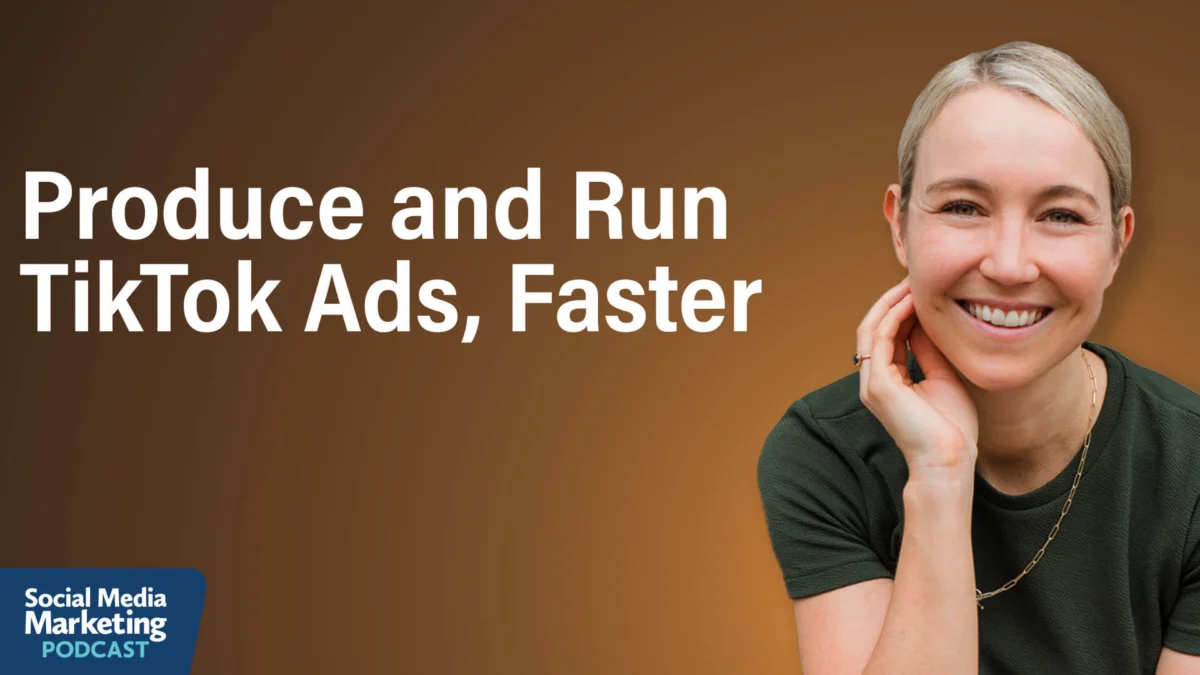
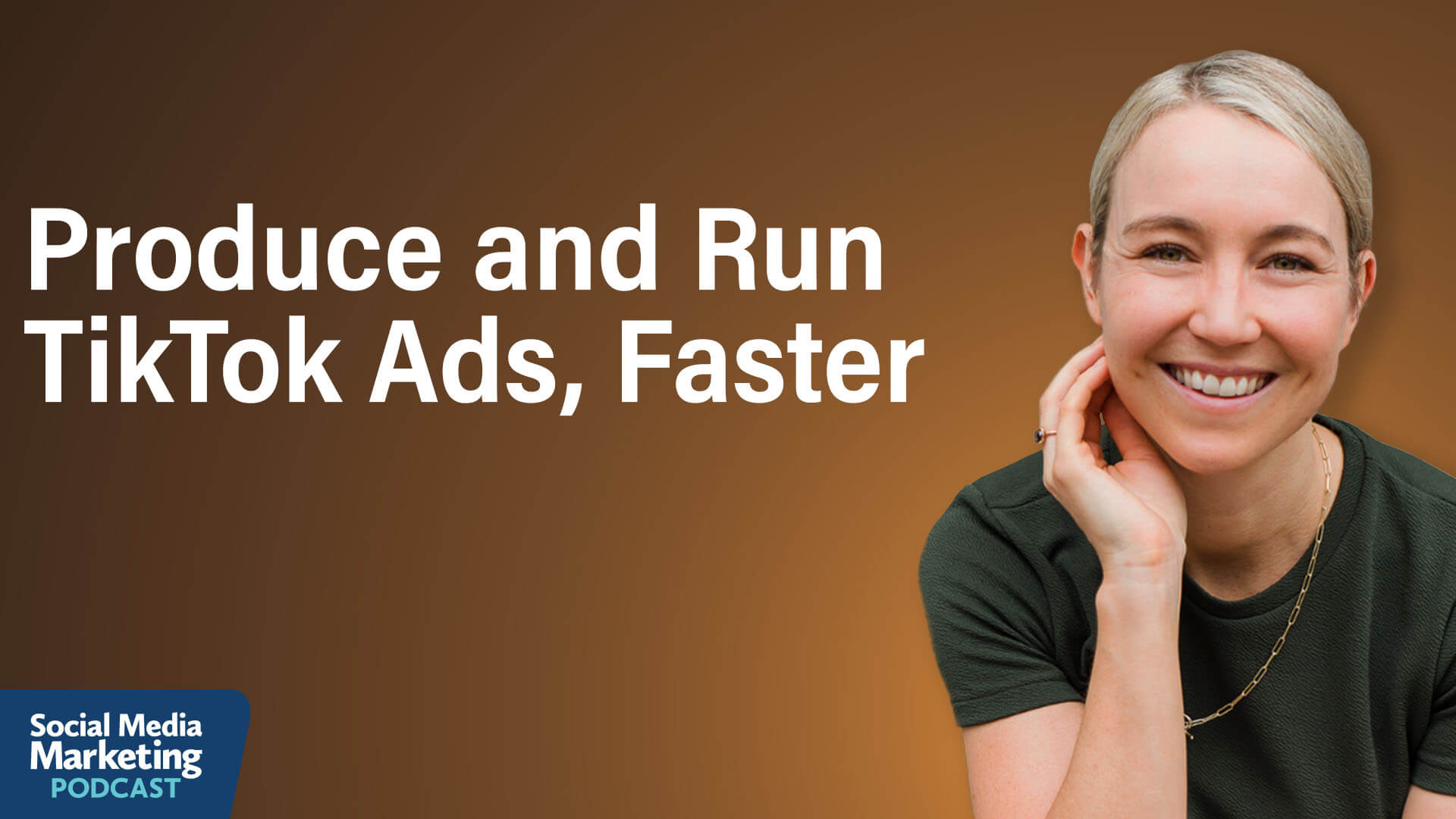
Co-created by short-form video expert Melissa Laurie alongside industry authorities Michael Stelzner and Jerry Potter, insights from recent platform breakdowns reveal that while AI is democratizing access to TikTok Ads, human judgment, strategic oversight, and authentic creative framing remain the true arbiters of campaign success.
Main Facts: Breaking Down TikTok’s New AI Ecosystem
The latest integration of artificial intelligence into TikTok for Business centers around a philosophy of natural language interaction and workflow automation. Rather than forcing marketers to master granular platform settings, TikTok’s new ecosystem empowers users to manage campaigns conversationally and generate multimedia assets programmatically.
- The Agentic Hub & MCP Integration: TikTok has introduced the Agentic Hub, a centralized marketplace for AI-driven advertising tools. It operates via the Model Context Protocol (MCP), a system that connects third-party AI agents like ChatGPT and Claude directly to TikTok Ads Manager. This eliminates the traditional requirement for manual API credentials, coding, or complex integrations.
- Official AI Skills: TikTok has released a library of downloadable instruction sets (or "skills") that run inside platforms like Claude or ChatGPT. These include specialized modules such as the Viral Video Creator, Ad Group Optimizer, and Account Diagnosis Co-pilots.
- Symphony Creative Studio: This is TikTok’s native AI-powered video generation hub. Utilizing the upgraded Symphony Agent, the tool ingests platform trends, high-performing ad signals, and brand guidelines to turn a simple creative brief into a finished video—complete with scripts, storyboards, and avatars.
- Content Suite’s AI Search: Serving as a robust library of user-generated content (UGC) style videos and live ads, Content Suite features an upgraded AI-powered search function. It enables marketers to conduct granular competitive research across industries, regions, and campaign objectives instantly.
Chronology: How AI Integration Evolved on Ad Platforms
To understand the magnitude of TikTok’s recent rollouts, it is helpful to look at how brands historically interfaced with digital advertising platforms and how technical limitations gradually gave way to seamless automation.
Phase 1: The Era of Manual Navigation and Custom APIs (Pre-2024)
In the early days of social media advertising, campaign management required direct, manual operation of native ad dashboards. Marketers had to manually configure pixel tracking, segment audiences, adjust bids, and build ad sets through dense user interfaces. For brands wishing to leverage external AI tools or data analytics software, engineering teams were required to build bespoke API integrations from scratch—a costly and time-consuming endeavor.
Phase 2: The Emergence of Generative Media
As large language models and generative video models matured, platforms began introducing isolated creative tools. Marketers could generate basic copy or static images, but these assets still had to be manually downloaded, formatted, and uploaded into native ad managers. Communication between generative AI tools and ad execution platforms remained strictly one-way and fragmented.
Phase 3: The Protocol Shift and Agentic Workflows (Present)
The introduction of protocols like MCP represents a paradigm shift. Moving beyond simple text generation, current systems enable true two-way communication between AI models and ad platforms. AI agents can now both retrieve live performance data and execute adjustments—such as drafting campaigns or modifying settings—directly through conversational commands. Platforms are no longer isolated silos; they are now interoperable environments where an AI skill built for one ecosystem can often inform strategies on another.
Supporting Data and Industry Insights: Navigating the AI Shift
As businesses rush to adopt these new capabilities, industry data underscores both the immense appetite for AI integration and the operational challenges marketers face.
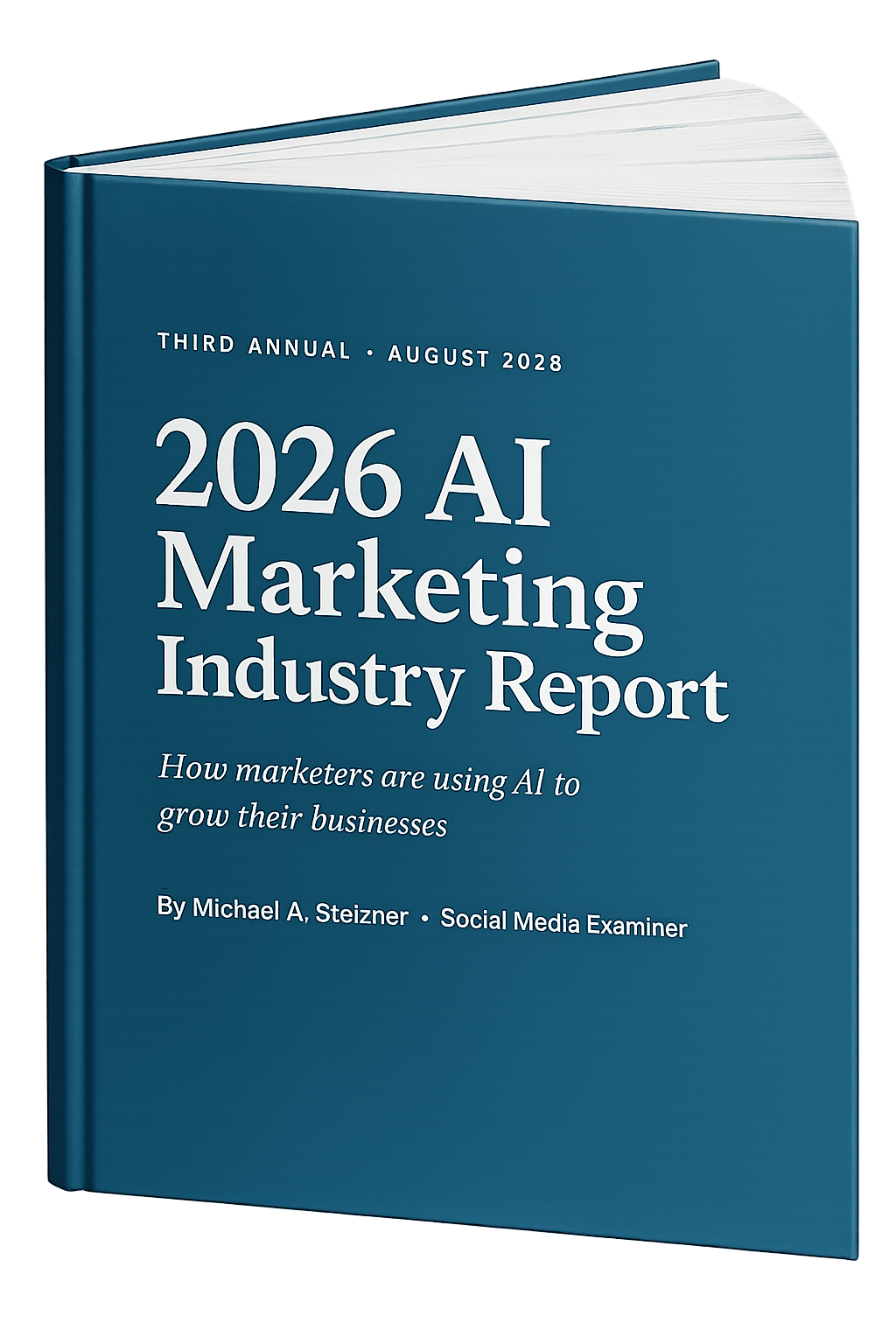
According to findings from the third annual AI Marketing Industry Report—which surveyed 681 marketing professionals—the transition to AI-driven workflows is largely a solo endeavor for most practitioners:
- 85% of marketers learn how to use AI tools entirely through self-directed experimentation.
- Only 7% receive formal AI training or onboarding from their employers.
- More than half of surveyed marketing professionals use their own personal funds to purchase and test AI software.
These statistics highlight why streamlined, accessible interfaces like TikTok’s Agentic Hub are arriving at a critical juncture. By allowing a business owner to query an AI model in plain language—asking questions like, "How did my campaign perform yesterday?" or "What is my strongest creative hook?"—the technical intimidation factor of digital advertising is largely neutralized.
However, industry experts caution against blind reliance on automated recommendations. For instance, when a newly launched creative asset has only been running for a few days, TikTok’s underlying optimization algorithms may recommend pausing it because its metrics lag behind older, established creatives. This algorithmic preference for longevity ignores the reality of creative testing. Effective marketers must apply critical human judgment, challenging AI suggestions by asking prompts such as, "What is another way to approach this?" or "How can we optimize this asset without killing it prematurely?"
Official Responses and Strategic Perspectives: The Hybrid Approach
Industry leaders emphasize that while AI tools dramatically accelerate production schedules, they do not replace the nuance required for high-converting brand storytelling.
Melissa Laurie, short-form video expert and founder of Oysterly Media, compares the new technical setup to a restaurant experience: "TikTok Ads Manager is the restaurant, the MCP is the waiter, and the AI tool [such as Claude or ChatGPT] is the menu." Once this connection is established, marketers can manage complex administrative tasks through natural conversation.
The Limits of AI-Generated People
Despite the impressive capabilities of tools like Symphony Creative Studio—which enables businesses (such as furniture retailers) to produce hundreds of unique product showcase videos per week without physical camera crews—limitations remain evident in human-centric content.
According to industry consensus, AI-generated human avatars are not yet sophisticated enough to drive trust for most major brands. An artificial presenter claiming, "All my friends are talking about this product," immediately triggers consumer skepticism.
Consequently, leading brands are adopting hybrid methodologies:
- Human-First with AI Enhancement: Real creators film product demonstrations, and AI is subsequently layered in to add dynamic visual effects (such as animated graphics or illustrative elements) to emphasize product benefits.
- Product-Centric Automation: Utilizing AI video generation strictly for product showcases—particularly in beauty and retail—where synthetic rendering accurately displays textures, lighting, and application effects without requiring a human spokesperson.
Implications: What This Means for Marketers, Agencies, and Small Businesses
The democratization of TikTok advertising through AI tools carries profound implications for the future of digital marketing:
1. Lower Barriers to Entry for Small and Medium Businesses (SMBs)
Previously, small business owners without dedicated marketing budgets were locked out of effective TikTok advertising due to the steep learning curve of Ads Manager. With conversational AI agents providing step-by-step guidance, campaign setup and performance diagnostics are now accessible to solopreneurs and local business operators.
2. A Shift in Required Skill Sets
As generative tools handle heavy lifting like scriptwriting, storyboarding, and video rendering, the core skill set of a modern marketer is shifting from production execution to prompt engineering, editing, and critical refinement. Marketers are essentially trading manual labor time for strategic oversight time.
3. The Evolution of Marketing Agencies
Rather than rendering marketing agencies obsolete, AI tools are redefining their value proposition. While budget-conscious businesses can now manage baseline campaigns independently via AI assistance ("economy class"), enterprise brands continue to rely on full-service agencies ("first class") for high-level strategy, bespoke creative direction, and complex omnichannel execution.
4. The Imperative of Authentic Content Structure
As AI makes high-quality video production ubiquitous, the baseline quality floor across feeds rises significantly. To stand out amidst the noise, marketers must master the foundational anatomy of high-performing short-form video:
- The First Frame: Grabbing attention immediately before the user scrolls past.
- Billboard Text: Utilizing punchy on-screen text overlays that communicate value at a single glance.
- The Glue: Maintaining narrative momentum between the hook and the core content.
- Sharp Endings: Cutting away cleanly without signaling an impending conclusion, which rewards the algorithm with high completion rates.
Ultimately, while artificial intelligence has unlocked unprecedented efficiency and accessibility within TikTok’s advertising ecosystem, sustainable success still belongs to those who combine technological leverage with authentic, human-centric storytelling.