The advent of virtual spaces and social media platforms fundamentally altered the relationship between television creators and their audiences. While the internet provided a vital canvas for global communities to theorize, celebrate, and connect, it also accelerated fandom into a phenomenon for which few creators, networks, or viewers were genuinely prepared.
Watching television evolved from a solitary or localized living-room pastime into a sprawling, participatory spectator sport. A single hour of broadcast or streaming fiction could trigger global discourse, send obsolete pop tracks soaring to the top of the charts, launch bitter online feuds, or inadvertently spill over into chaotic real-world incidents.
Main Facts: The Anatomy of an "Internet-Breaking" Episode
What does it take for a television episode to "break the internet"? It requires a rare convergence of cultural timing, tightly guarded narrative secrecy, and a deeply invested, highly mobilized digital audience.
- The Scale of Engagement: Moments that defy audience expectations—whether through shocking character deaths, unexpected cameo lineups, or viral musical numbers—generate millions of impressions, memes, and hours of reaction content within minutes of dropping.
- The Unintended Real-World Spillover: While most internet-breaking moments are confined to virtual platforms (such as streaming servers crashing or hashtags trending worldwide), extreme instances have triggered real-world chaos, including police responses at fast-food restaurants and defamation lawsuits filed against multinational streaming giants.
- The Re-Evaluation of Media: Online engagement frequently rescues underwhelming twists or reframes polarizing series finales, turning historical points of friction into enduring pop-culture landmarks.
Chronology: A Timeline of Digital Disruption
The modern era of internet-breaking television stretches across two decades of shifting media landscapes, tracking the transition from cable television message boards to global streaming platforms.
1. The Era of the Cable Shockwave (2007–2013)
- The Sopranos (“Made in America,” 2007): Long before Twitter or TikTok, David Chase’s abrupt cut-to-black finale crashed early HBO message boards as bewildered fans debated whether their cable subscriptions had failed.
- Lost (“The End,” 2010): The culmination of the ultimate mystery-box series divided the internet, establishing a pervasive urban legend about purgatory that took producers a decade to debunk.
- Sherlock (“The Reichenbach Fall,” 2012): A two-year hiatus fueled obsessive online sleuthing as fans analyzed every frame to solve Benedict Cumberbatch’s impossible rooftop survival.
- Breaking Bad (“Ozymandias,” 2013): Widely heralded as one of the greatest dramatic achievements in television history, its crushing execution of Hank Schrader dominated social media and held the all-time IMDb ratings crown for over a decade.
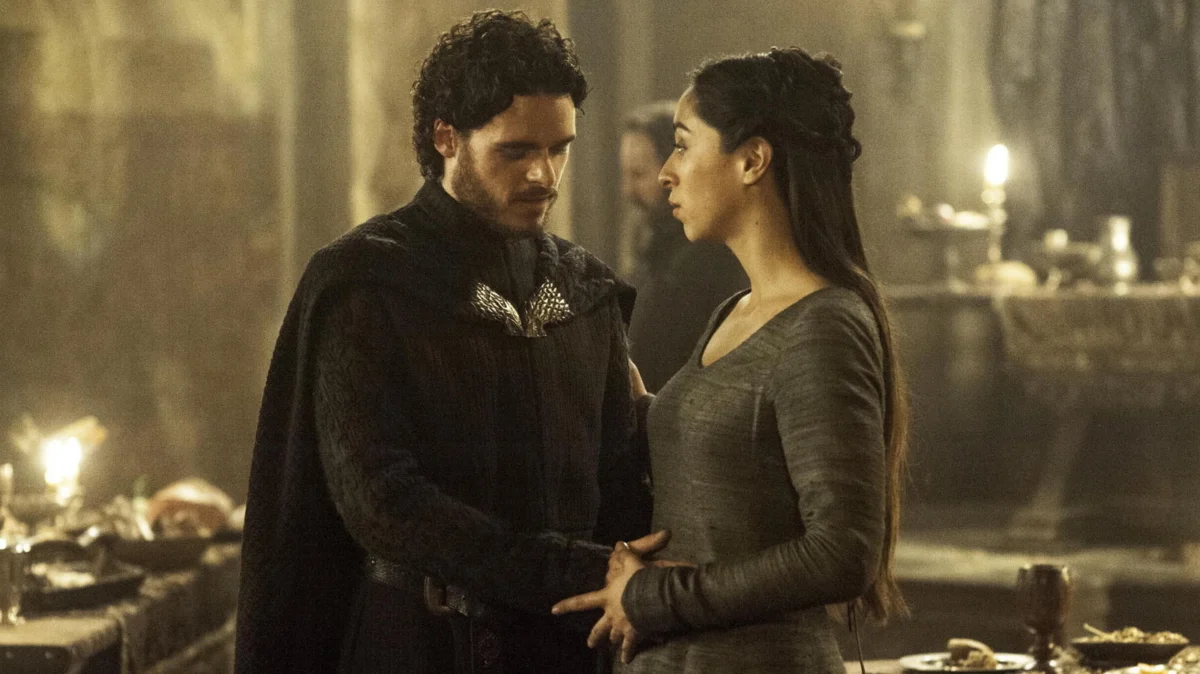
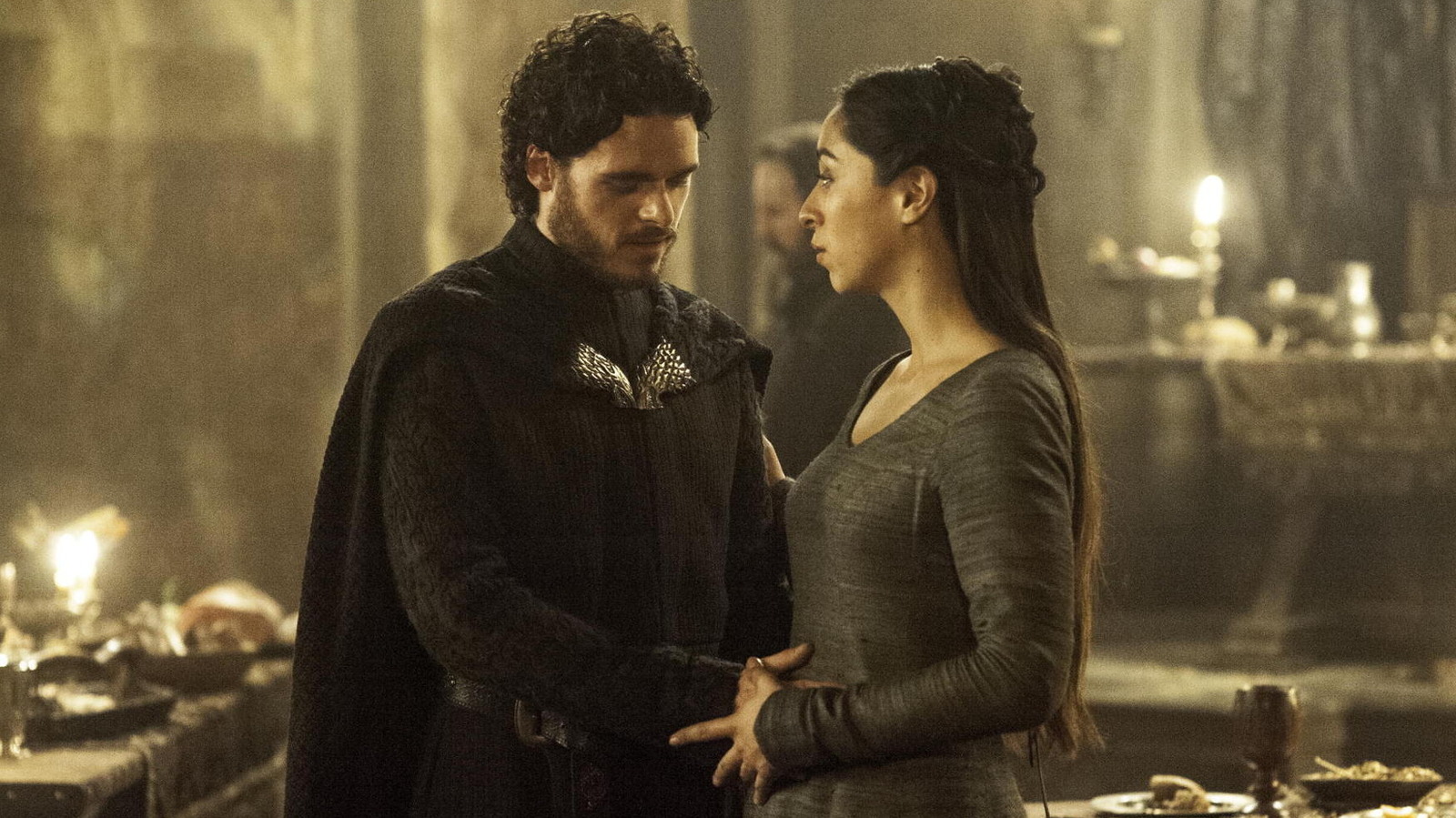
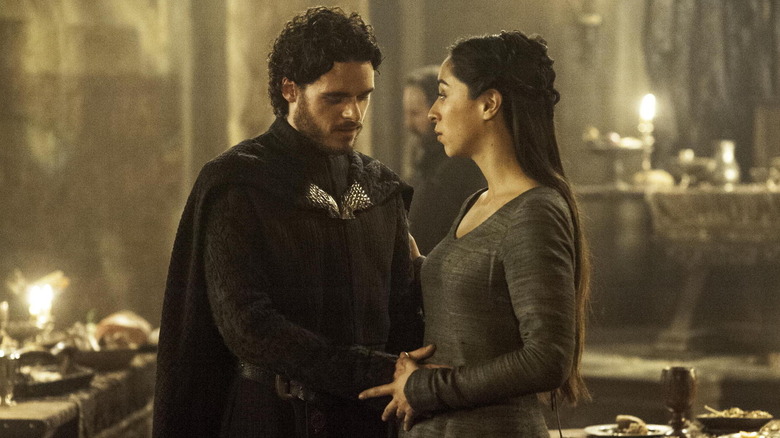
- Game of Thrones (“The Rains of Castamere,” 2013): The "Red Wedding" introduced millions of unsuspecting viewers to George R.R. Martin’s ruthless plotting, sparking viral shock videos across YouTube.
2. The Social Media Expansion (2016–2019)
- The Walking Dead (“Last Day on Earth,” 2016): An ill-advised cliffhanger regarding Negan’s brutal introductory kill provoked an online backlash that permanently altered fan goodwill toward the AMC hit.
- Rick and Morty (“The Rickshank Rickdemption,” 2017): A throwaway joke about a 1998 promotional condiment resulted in real-world riots and police intervention at McDonald’s outlets nationwide.
3. The Streaming Monoliths (2019–Present)
- The Mandalorian (“Chapter 1,” 2019): Disney and Lucasfilm successfully kept the surprise introduction of Grogu (Baby Yoda) under wraps, instantly anchoring the Disney+ era of Star Wars in global meme culture.
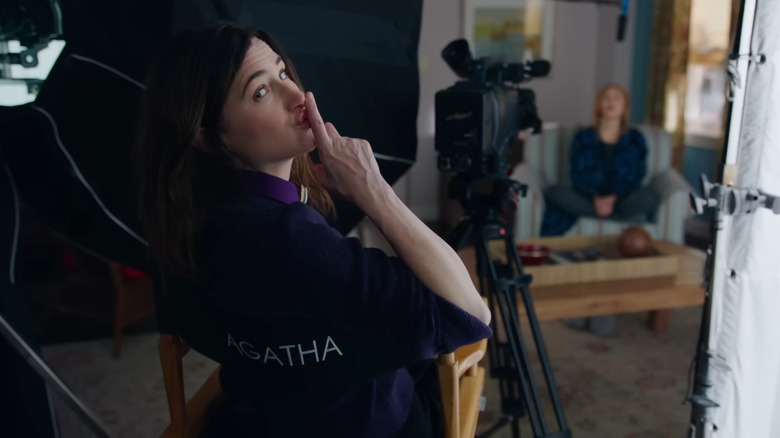
- WandaVision (“Breaking the Fourth Wall,” 2021): The catchy "Agatha All Along" musical number transformed a D-list comic villain into an Emmy-winning cultural attraction.
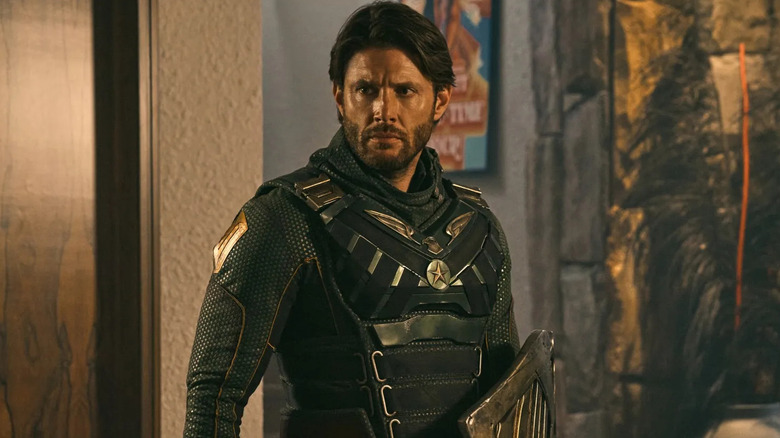
- The Boys (“Herogasm,” 2022): Prime Video’s satirical superhero series delivered on years of comic-book anticipation with an unbridled, wildly explicit orgy episode that dominated weekly streaming discourse.
- Stranger Things (“Dear Billy,” 2022): Max Mayfield’s brush with Vecna propelled Kate Bush’s 1985 single "Running Up That Hill" into a 9,000% streaming surge on Spotify.
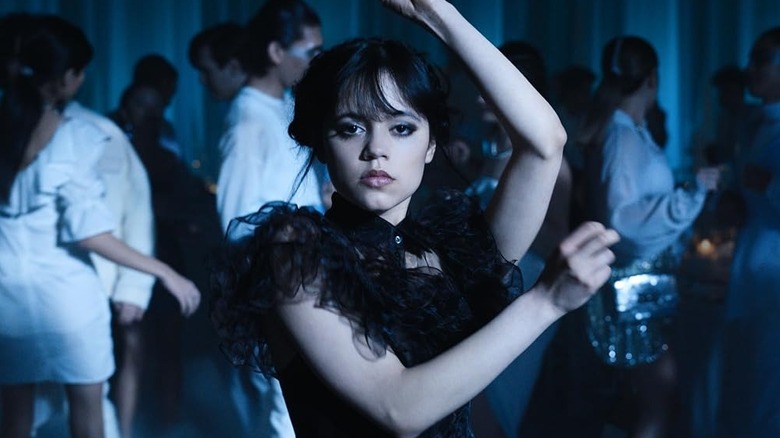
- Wednesday (“Woe What a Night,” 2022): Jenna Ortega’s self-choreographed, sleep-deprived dance sequence inspired a massive TikTok trend set to Lady Gaga’s music.
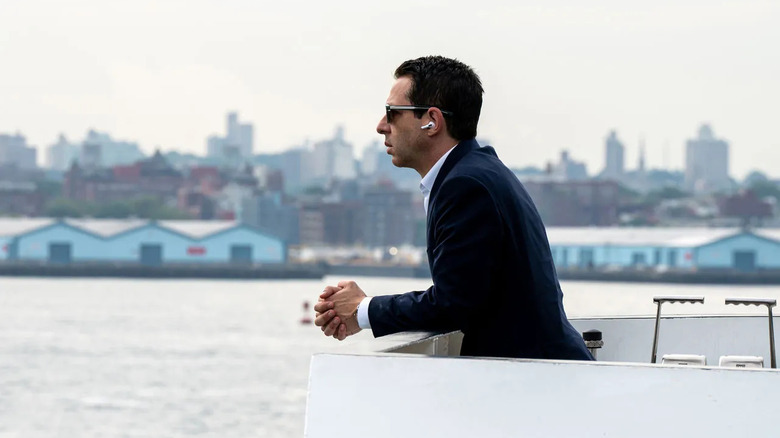
- Succession (“Connor’s Wedding,” 2023): The sudden, unceremonious death of Logan Roy sent immediate shockwaves through financial and cultural spheres alike, highlighting career-best performances by the ensemble cast.
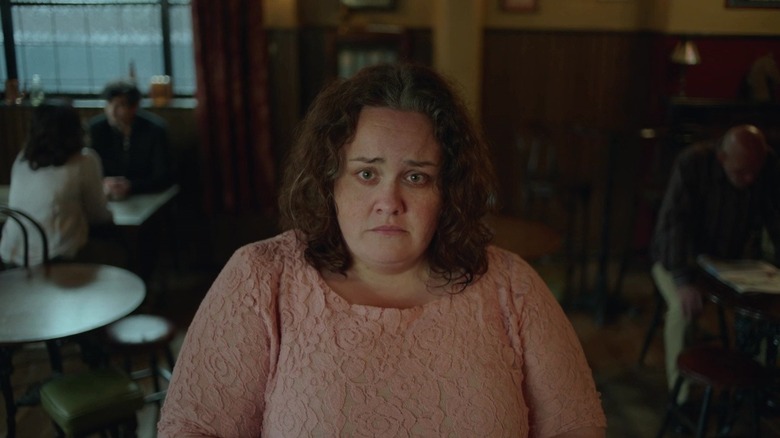
- Baby Reindeer (“Episode 1,” 2024): Richard Gadd’s deeply personal psychological thriller unintentionally birthed an army of internet detectives who successfully tracked down the real-life inspiration behind "Martha," leading to high-stakes legal fallout.
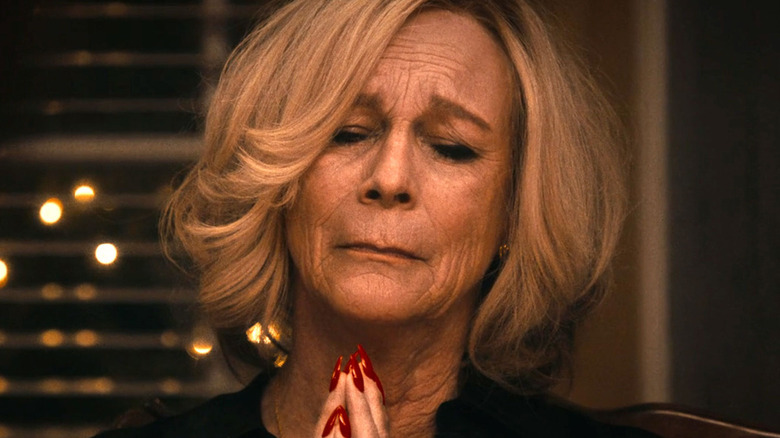
- The Bear (“Fishes,” Season 2): A surprise Christmas dinner packed with A-list guest stars—including Jamie Lee Curtis, Bob Odenkirk, and John Paulson—stunned audiences with its raw, tightly guarded chaos.
Supporting Data: The Metrics of Virality
The financial and cultural impact of these television episodes can be measured in hard data:
- Streaming Surges: Following the release of Stranger Things Season 4, Episode 4, streams for Kate Bush’s "Running Up That Hill" spiked by 9,000% on Spotify, introducing a decades-old track to an entirely new generation of listeners.
- Chart Dominance: "Agatha All Along" from WandaVision climbed to No. 5 on the iTunes all-genre charts, ultimately securing a Grammy nomination and an Emmy Award.
- Critical Acclaim: Episodes like Breaking Bad’s "Ozymandias" and Succession’s "Connor’s Wedding" consistently occupy the absolute highest echelons of user-voted platforms like IMDb, regularly scoring near-perfect 9.9/10 ratings from hundreds of thousands of reviewers.
- The Cost of Secrecy: For episodes like The Bear’s "Fishes," production security was so airtight that actors received no table reads and faced strict non-disclosure mandates, demonstrating how high-stakes casting can be leveraged to maximize initial viewing shock.
Official Responses and Creator Insights
The architects behind these internet-breaking hours have frequently spoken out about the unexpected nature of their viral success.
- The Duffer Brothers and Kate Bush: Regarding the massive resurgence of "Running Up That Hill," creators Matt and Ross Duffer noted their immense gratitude toward Bush, who rarely licenses her music for television but immediately understood the emotional resonance of Max’s struggle against Vecna.
- Richard Gadd on Baby Reindeer: In pre-release interviews, Gadd expressed confidence that standard privacy measures would shield the real individuals inspiring his semi-autobiographical thriller. However, a single line of dialogue involving curtains proved uniquely identifiable to digital sleuths, proving that modern internet investigation tools far outpace traditional production safeguards.
- David Chase and The Sopranos: Addressing the endless, decades-long debate over Tony Soprano’s ultimate fate, Chase has consistently maintained that the ambiguity of the cut-to-black was intentional, forcing audiences to sit with the sudden fragility of life rather than looking for a conventional narrative wrap-up.
Implications: The Future of Water-Cooler Television
As the media landscape shifts further toward weekly streaming drops and fragmented viewing habits, the nature of "breaking the internet" continues to evolve.
The phenomenon demonstrates that modern television is no longer evaluated solely on its narrative merits within a vacuum. Instead, a show’s cultural footprint is determined by its ability to foster digital community, inspire participatory creation (such as TikTok dances and meme formats), and demand appointment viewing in an age of infinite choice.
Whether studios attempt to replicate these moments through calculated secrecy—like hiding Grogu or masking guest-star rosters—or stumble into them by accident, one reality remains clear: the conversation about the television has become just as powerful as the television itself.