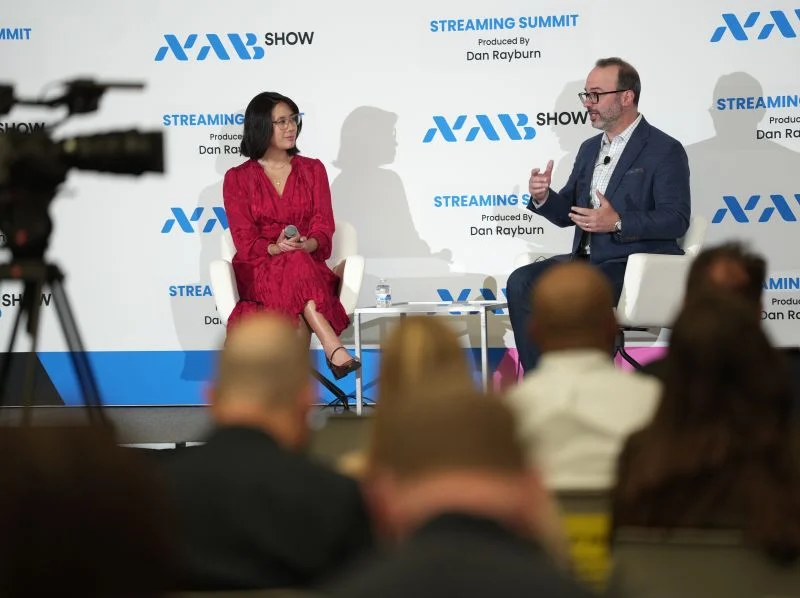
In an era defined by the "streaming wars," where media conglomerates have spent the better part of a decade chasing the elusive goal of global ubiquity through massive content expenditures and volatile subscriber acquisition costs, a quiet revolution is taking place. At the NAB Streaming Summit held on April 20, 2026, Robert Schildhouse, CEO of BBC Studios’ Direct-to-Consumer (DTC) division, articulated a strategy that stands in stark contrast to the industry’s status quo.
For Schildhouse, a veteran of the digital transformation who helped architect the launch of Hulu in 2008, the goal is no longer "growth at all costs." Instead, he is championing a model of "durable profitability." By positioning BritBox as the "Anti-Netflix," Schildhouse is proving that there is a sustainable, highly lucrative path forward for streamers that prioritize audience loyalty over sheer volume.
The Paradigm Shift: Quality Over Scale
For years, the streaming industry operated under the assumption that the only metric of success was the total number of global households reached—with 200 million often cited as the "magic number" for survival. However, as the market matures and consumer fatigue sets in, the economics of this "growth-at-all-costs" mentality have begun to fray.
Schildhouse’s philosophy at BritBox represents a fundamental departure from this mindset. Rather than attempting to appeal to every demographic with a sprawling, multi-genre catalog, BritBox has embraced its identity as a premium, niche service. By focusing on high-quality British content—ranging from period dramas to gritty crime procedurals—the platform has cultivated an audience that is remarkably resilient to the "serial churn" that plagues general entertainment streamers.
This discipline is not merely a brand choice; it is a financial imperative. By avoiding the arms race of licensing blockbuster intellectual property at inflated prices, BritBox maintains a lean, efficient operation that is structured to survive the boom-and-bust cycles of the broader media economy.
Chronology of a Strategy: From Launch to Maturity
To understand how BritBox arrived at its current position, one must look at the deliberate, step-by-step evolution of the service.
The Early Days (2017–2021)
Initially launched as a joint venture between the BBC and ITV, BritBox focused on building a library of "greatest hits" from British television. The early phase was characterized by testing market demand and establishing a foothold in North America, where the appetite for British content was identified as underserved and highly passionate.
The Integration Phase (2022–2024)
As the streaming landscape became more crowded, the service pivoted toward tighter integration with the BBC’s broader global ecosystem. This period saw the strengthening of content pipelines and the optimization of technical infrastructure, ensuring that the user experience could match the premium nature of the content.
The Profitability Era (2025–Present)
The current phase, as outlined by Schildhouse at the NAB Streaming Summit, is defined by tactical refinement. The introduction of the "BritBox Premier" tier and the aggressive push into strategic bundling are the hallmarks of a business that has graduated from mere survival to long-term value extraction.
Data-Driven Loyalty: The Annual Plan Advantage
Perhaps the most compelling evidence of BritBox’s success lies in its subscriber behavior. According to data shared by Schildhouse, 50% of the platform’s direct-to-consumer base is locked into annual plans.
This statistic is a goldmine for any subscription-based business. Annual subscribers are worth more than twice as much as their monthly counterparts. The reason is twofold: higher tenure and significantly lower churn rates. While a monthly subscriber might subscribe for one show and cancel the following month, the annual subscriber has made a long-term commitment to the brand.
Furthermore, BritBox’s demographic profile—which skews older and more female—has proven to be a competitive advantage. In the digital media landscape, younger demographics are notoriously fickle, moving from platform to platform based on the latest viral sensation. Conversely, BritBox’s core audience values the curation and consistency of the service, resulting in a stable, predictable revenue stream that allows the company to plan its content investments with greater precision.
The "BritBox Premier" Tier: A Quiet Success
One of the most notable revelations from the Summit was the performance of "BritBox Premier." Despite launching with what Schildhouse described as "little fanfare," the premium tier has already captured over 10% of the platform’s own-and-operated subscriber base.
This tier offers a suite of value-adds that cater to the most dedicated fans:
- 4K Ultra HD Quality: Providing the visual fidelity required for modern high-end dramas.
- Early Access: Rewarding the most loyal users with content before it hits the broader catalog.
- Mobile Downloads: Catering to the utility of the modern viewer.
- BBC Select Integration: Merging high-quality documentaries into the core entertainment offering.
The success of this tier demonstrates that there is a significant segment of the audience willing to pay a premium for an enhanced experience—a stark reminder that "value" is not always synonymous with "cheaper."
Tactical Marketing: Precision over Proliferation
In a world where general streamers carpet-bomb social media with ads, BritBox has opted for a surgical approach. Schildhouse noted that if a consumer does not fit the target demographic, they likely won’t see a BritBox ad. However, for those who do, the brand is "everywhere."
By saturating the specific TV and social media channels frequented by their ideal subscribers, the brand ensures it remains "top-of-mind" without wasting capital on broad-reach advertising that yields poor conversion rates. This approach minimizes customer acquisition costs (CAC) and ensures that every marketing dollar spent is highly efficient.
The upcoming launch of The Other Bennet Sister on May 6 serves as a case study for this strategy. Positioned as a direct "on-ramp" for the platform’s core female demographic, the show is being used to pull new viewers into the ecosystem, proving that the service understands its audience’s tastes better than any algorithmic recommendation engine could.
The Future of Streaming: Aggregation and Bundling
Perhaps the most significant takeaway from Schildhouse’s appearance was his rejection of the fragmented "every service for itself" approach. While many competitors are building high walls around their content, BritBox is actively building bridges.
"The industry’s future lies in aggregation and bundling," Schildhouse argued. The logic is sound: consumers are suffering from "subscription fatigue." By partnering with services like Starz, MGM+, and Hallmark, BritBox is able to place its content in front of unique, adjacent audience profiles without requiring them to sign up for yet another standalone, high-priced service.
These bundles act as a "discovery engine," introducing the BritBox brand to viewers who might otherwise never have sought it out. In a mature market, this kind of strategic partnership is likely the only way for niche services to continue to grow their subscriber base without skyrocketing their marketing expenditures.
Implications for the Industry
The success of the BritBox model holds several critical implications for the broader streaming industry:
- Niche is the New Scale: The era of the "everything store" for video content is likely nearing its limit. Future growth will be found in serving specific, passionate communities with high-quality content that feels curated rather than generated.
- Churn is a Financial Metric: Success should not be measured by the number of sign-ups, but by the longevity of the subscriber. Platforms that prioritize annual plans and community engagement will be the ones to survive the next consolidation phase.
- The Return of the Bundle: We are witnessing a full-circle moment in media. After years of fragmentation, consumers are once again seeking consolidated, bundled experiences—not because they are nostalgic for cable, but because they are exhausted by the friction of managing dozens of individual, disparate subscriptions.
Conclusion
Robert Schildhouse and the team at BritBox have demonstrated that there is a quiet, profitable, and sustainable way to navigate the streaming wars. By refusing to play by the rules of the "grow-at-all-costs" crowd, they have built a service that is not just surviving, but thriving.
As the industry looks toward the next decade, the "Anti-Netflix" playbook may well become the blueprint for every mid-sized media player. In a landscape defined by noise and volatility, BritBox has chosen a different path: the path of the steady, the loyal, and the profitable.
For those interested in the full scope of industry insights, the presentations from the 2026 NAB Show Streaming Summit are available for viewing on the official event portal.